

When is Too Late to Plant Tomatoes
Written with AI assistance, edited and checked against horticultural sources.
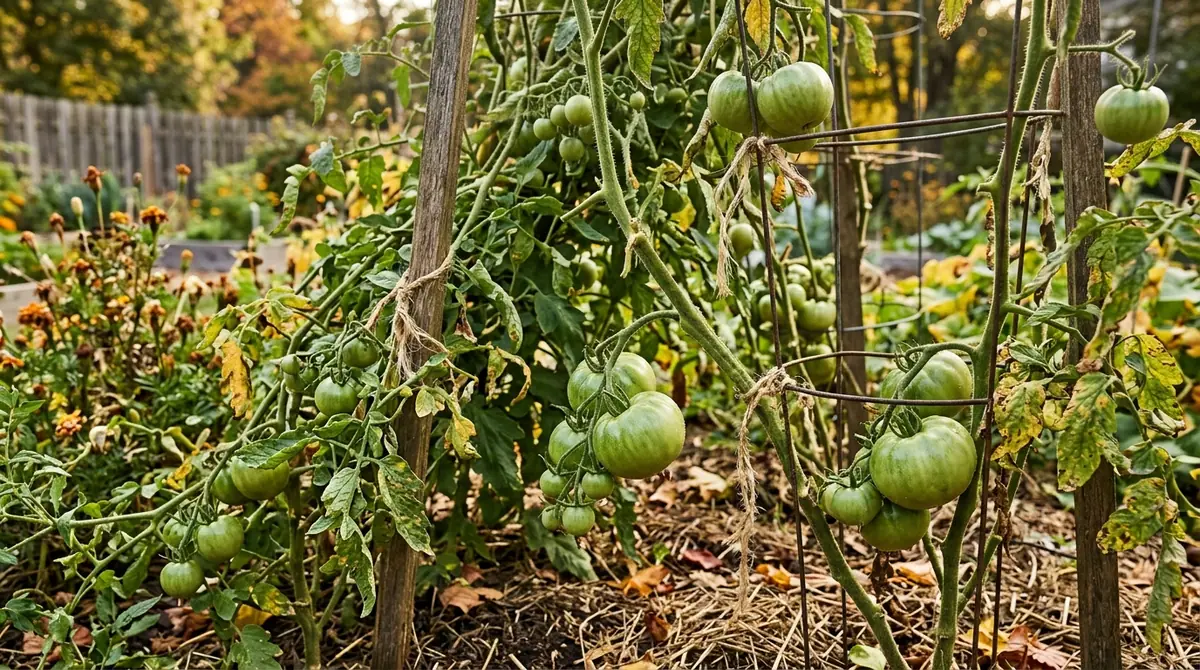
When the soil temperature is a blistering 85°F (29°C), ambient afternoon highs are consistently brushing 95°F (35°C), and the fall frost date is less than 90 days away, the window for a standard full-sized tomato has slammed shut weeks ago. Understanding when it is too late depends entirely on your local frost calendar, your variety selection, and how aggressively you are willing to manage thermal stress. Here is the definitive guide to determining your cutoff date and making the most of your growing season, whether you are timing your spring transplants or wondering if it is too late to start tomato seeds indoors zone 6.
1. Botanical Overview & Natural Habitat

Botanically, tomatoes are indeterminate or determinate herbaceous dicots. Indeterminate varieties function much like their wild Andean ancestors, growing continuously as vining plants until a hard frost terminates them. Determinate varieties, by contrast, are bred to grow as compact, bush-like plants that set all their fruit within a concentrated 3-to-4-week window before naturally dying back.
Understanding this wild lineage is critical when evaluating when it is too late to plant. A wild tomato survives by racing against seasonal temperature shifts. When planted too late in the calendar year, modern cultivars are caught in a lethal trap: either the soil is too cold to establish a functional root system, or the approaching autumn brings plummeting nighttime temperatures that halt pollen viability and accelerate fungal pathogens.
For northern growers planning their spring schedules, it is worth noting that proper timing applies to companion crops as well; just as you must calculate your tomato windows carefully, checking resources like When to Start Tomato Seeds Indoors Zone 6 or timing When to Start Tomatoes Indoors Zone 6 will ensure your entire nightshade family pipeline stays synchronized. And if you are transitioning from cool-season greens to warm-season crops, keep in mind how different species react to thermal shifts, mirroring concepts you might use when timing When to Transplant Cilantro Seedlings.
2. Essential Environmental & Care Requirements
To successfully establish a tomato plant, you must honor its strict physiological requirements. When gardeners ask if it is too late, they are usually fighting one of two seasonal bookends: soil that is too cold in the spring, or a frost date that arrives before fruit can ripen in the autumn.
Tomatoes require a minimum soil temperature of 60°F (15°C) for sustained root growth, though optimal root proliferation occurs between 70°F and 75°F (21°C–24°C). If you plant when soil temperatures drop below 55°F (13°C), phosphorus uptake grinds to a halt, leading to purpling foliage and severe stunting. Conversely, ambient air temperatures consistently exceeding 90°F (32°C) cause tomato pollen to sterilize, leading to blossom drop and zero fruit set.
| Parameter | Optimal Condition | Common Mistake | Why It Matters |
|---|---|---|---|
| Soil Temperature | 70°F – 75°F (21°C – 24°C) | Planting when soil is below 55°F (13°C) | Cold soil prevents phosphorus uptake and stunts root establishment. |
| Air Temperature | 70°F – 85°F (21°C – 29°C) | Planting late into peak summer heat waves | Temperatures over 90°F (32°C) sterilize pollen, causing blossom drop. |
| Sunlight | 6 to 8+ hours of direct sun | Shading plants behind late-summer foliage | Insufficient light reduces photosynthesis and delays fruit ripening. |
| Soil pH | 6.2 to 6.8 | Ignoring soil acidity extremes | Extreme pH locks out essential micronutrients like calcium and iron. |
Water management is equally critical when pushing the late-season planting envelope. Because late-planted tomatoes face shorter day lengths and cooler autumn nights, their transpiration rates fluctuate wildly. Over-watering in cooling soils is a direct ticket to root rot (Pythium and Phytophthora species), while irregular watering combined with erratic late-season rain causes rapid fruit expansion and splitting. For comprehensive regional guidelines on optimal growing parameters, consult the Royal Horticultural Society vegetable cultivation guidelines.
3. Step-by-Step Cultivation, Feeding & Propagation
If your local calendar indicates you are at the absolute threshold of your planting window, standard planting techniques will not suffice. You must accelerate establishment using aggressive horticultural protocols. Here is the exact step-by-step sequence I use when squeezing a late-season tomato crop into a tight autumn-bound window.
- Select an Ultra-Early Maturing Cultivar: Discard long-season beefsteaks (which require 80 to 90 days to maturity). Choose determinate, ultra-early cherry or saladette varieties such as 'Stupice', 'Sub Arctic Plenty', or 'Early Girl', which produce ripe fruit in 55 to 65 days from transplanting.
- Calculate Your Drop-Dead Date: Count backward from your average first fall frost date. Subtract your variety's days-to-maturity (DTM) rating, then add 14 days to account for reduced autumn daylight intensity and slower metabolic rates. If that calculated date has already passed, it is officially too late to plant outdoors without protection.
- Pre-Warm and Amend the Soil: If planting in spring, warm the soil 2 weeks prior using black plastic mulch. If planting in late summer for a fall crop, spade in a balanced organic slow-release fertilizer and 2 inches (5 cm) of aged compost to maximize microbial activity.
- Trench Plant Deeply: Strip all but the top two sets of leaves from your transplant. Dig a trench 4 to 6 inches (10 to 15 cm) deep and lay the root ball and stripped stem horizontally. Burying the stem stimulates adventitious roots along the entire buried axis, creating a massive, drought-resilient root network within 10 to 14 days.
- Install Thermal Protection and Mulch: Apply a 3-inch (7.5 cm) layer of clean straw or shredded bark mulch to stabilize soil moisture and temperature. If autumn nights are threatening to dip below 50°F (10°C), erect temporary low tunnels or floating row covers to trap nocturnal heat.
- Prune for Energy Allocation: For late-planted indeterminate varieties, pinch out secondary suckers aggressively, forcing the plant to channel 100% of its diminishing photosynthetic energy into ripening existing fruit clusters rather than growing vegetative mass.
💡 Pro-Tip: When planting near your absolute seasonal cutoff, select transplants in 4-inch (10 cm) pots rather than cell packs. The larger root mass allows the plant to bypass the initial establishment lag phase, shaving a crucial 7 to 10 days off your time-to-harvest metric.
When managing seasonal transitions in the garden, similar timing precision is required whether you are handling warm-season solanaceous crops or cool-season ornamentals. For instance, knowing when to pinch back growth is just as vital for ornamentals as it is for tomatoes, principles you will find useful when exploring topics like When to Top Pepper Plants or managing structural changes in flower beds similar to When to Transplant Flower Seedlings and When to Transplant Snapdragon Seedlings.
4. Common Problems, Pests & Troubleshooting
Late-planted tomatoes face a unique gauntlet of environmental and pathological pressures. As the growing season wanes, environmental conditions shift in favor of specific fungal pathogens and insect vectors.
- Late Blight (Phytophthora infestans): This devastating oomycete thrives in cool, damp autumn conditions with high relative humidity. It causes rapid, water-soaked dark lesions on leaves and stems, turning entire plants to mush within days. Prevention: Space plants at least 36 inches (90 cm) apart, prune lower leaves to 18 inches (45 cm) off the ground to eliminate splash-zone transmission, and apply preventative copper-based fungicides if rain is persistent.
- Blossom-End Rot: Frequently triggered in late-season plants by erratic soil moisture swings and calcium translocation failures. The bottom of the fruit develops a sunken, leathery black patch. Solution: Maintain consistent soil moisture via drip irrigation and ensure soil pH sits strictly between 6.2 and 6.8 to facilitate calcium uptake.
- Stink Bugs and Leaf-Footed Bugs: As surrounding wild fields dry out in late summer, these piercing-sucking insects migrate aggressively into green tomato patches, leaving cloudy, yellow spots on ripening fruit and internal white pithy tissue. Solution: Hand-pick pests at dawn when they are sluggish, and clear out nearby weed hosts.
⚠️ Important Caution: Never compost tomato plants or fruit infected with Late Blight or Fusarium wilt. Fungal spores and resting structures can survive mild winters in compost piles, inoculating your garden beds for the following spring season. Always bag and dispose of diseased plant tissue in municipal yard waste or trash. For regional disease tracking and management updates, check the University of California Integrated Pest Management Program.

5. Frequently Asked Questions
What happens if I plant tomatoes past the recommended window?
If you plant past your region's safe window, the plant will likely survive vegetatively, but it will fail to produce mature fruit. As daylight hours drop below 12 hours and nighttime temperatures fall below 50°F (10°C), photosynthesis slows drastically, and flowers fail to set fruit. You end up with lush, green vines loaded with green tomatoes that will never ripen on the vine.
Can I grow late-season tomatoes indoors or in containers if I missed the outdoor date?
Yes. Potted determinate tomatoes grown in 5-to-10-gallon containers can be easily moved indoors, onto a sunny south-facing patio, or into a greenhouse as outdoor temperatures plummet. Container culture allows you to manually control soil temperature, extend your harvest window by 4 to 6 weeks, and protect plants from early autumn frosts.
How many days before the first frost is it officially too late to plant tomatoes?
As a rule of thumb, it is too late to plant standard tomato transplants outdoors if you have fewer than 60 days remaining before your average first fall frost date, unless you are growing ultra-early dwarf varieties (50 days to maturity) and utilizing floating row covers or low tunnels to trap heat.
What should I do with green tomatoes on the vine when a frost warning is issued?
Before a hard frost hits (temperatures dropping below 32°F / 0°C), harvest all mature green and breaker-stage tomatoes. Wipe them clean, wrap individual fruit in newspaper or place them in a single layer inside a cardboard box with a ripening banana or apple (which releases ethylene gas), and store them in a cool, dark room at 55°F to 60°F (13°C–15°C) to ripen off the vine over the subsequent 3 to 4 weeks.
Related Guides
- Epsom Salt for Peppers and Tomatoes
- Cluster Tomatoes
- When to Transplant Tomatoes
- When Do You Plant Tomatoes in Texas
- How Long Does It Take for Tomatoes to Grow Tomato Growing and Harvesting Guide
- When to Plant Tomatoes in Bay Area
- How Much Sun Do Tomatoes Need
📋 Table of Contents ▼ Click to expand
Tags:
Keep reading
🌿 Related Plants You Might Like

PlantSavvyWorld
Editorial team
PlantSavvyWorld is an independent botanical education project. Articles are drafted with AI assistance, then edited and checked against university extension services, botanical garden collections and other published horticultural sources.