

When to Transplant Snapdragon Seedlings
Written with AI assistance, edited and checked against horticultural sources.
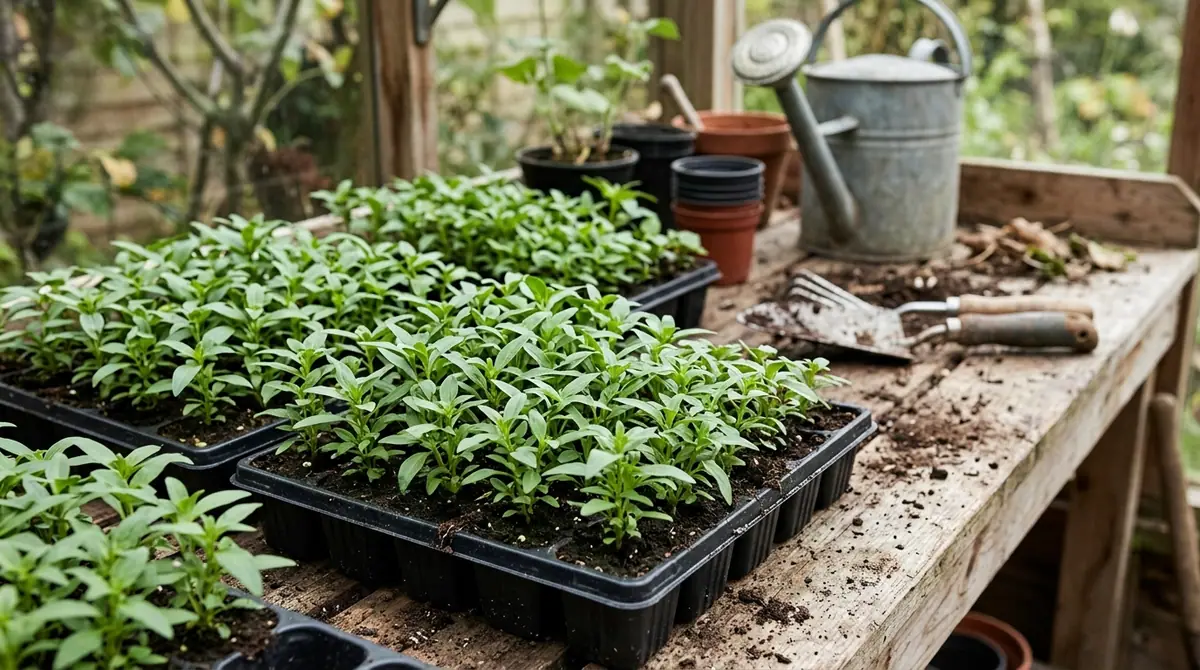
Last spring, while stepping out into trial gardens on a crisp April morning where the soil thermometer read a stubborn 45°F (7°C), I stared down at a flat of leggy snapdragon seedlings (Antirrhinum majus) that were beginning to lean anxiously against their humidity dome. Too many gardeners rush these cool-season troopers into the ground the moment the frost-free date hits, but snapdragons operate on an entirely different physiological clock. Knowing exactly when to transplant snapdragon seedlings separates a lackluster display of sparse, ground-hugging stems from a riot of vertical, velvety flower spikes that will bloom reliably until the heavy heat of midsummer.
1. Botanical Overview & Natural Habitat

In their wild rocky and coastal habitats, snapdragons evolved to endure poor, well-draining soils, erratic rainfall, and cool, spring-like temperatures. They are distinctly cool-weather lovers. Their vegetative growth is optimized at air temperatures between 55°F and 65°F (13°C to 18°C). When exposed to prolonged high temperatures above 85°F (29°C), Antirrhinum majus enters a state of physiological heat dormancy, halting flower production and often dropping its leaves.
Understanding this Mediterranean lineage informs every decision we make regarding when to transplant snapdragon seedlings. Because they thrive in chillier air and require a robust root system before summer arrives, moving them outdoors early—weeks before tender warm-season crops like tomatoes or the cucumbers detailed in our guide on When to Transplant Cucumber Seedlings: Stop Root Shock & Boost Growth—is the single most critical factor for success.
2. Essential Environmental & Care Requirements
To successfully transition your snapdragons from indoor seed trays to the permanent landscape, you must replicate the environmental parameters of their native range. Here are the precise metrics required for optimal development.
| Parameter | Optimal Condition | Common Mistake | Why It Matters |
|---|---|---|---|
| Soil Temperature | 50°F – 60°F (10°C – 15°C) | Planting in frozen or overly warm, unmulched soil | Cold soils prevent root hair elongation, while hot soils shock immature root systems. |
| Soil pH | 6.2 – 7.0 | Letting pH drop below 5.5 | Acidic soils lock out essential calcium and magnesium, causing tip chlorosis. |
| Sunlight | 6 to 8 hours of direct sun daily | Siting in deep afternoon shade | Insufficient light leads to weak, spindly stems that topple under their own flower weight. |
| Drainage | Highly porous loam or amended clay | Heavy, waterlogged clay soils | Snapdragons are exceptionally susceptible to Pythium and Rhizoctonia root rots. |
| Air Circulation | Moderate, open breezes | Crowded planting beds or stagnant corners | Poor airflow invites fungal pathogens like rust (Puccinia antirrhini) and powdery mildew. |
Soil preparation should begin at least two weeks prior to your target transplant window. Incorporate a balanced, slow-release organic fertilizer (such as a 5-5-5 blend) at a rate of 2 pounds per 100 square feet, working it into the top 6 inches (15 cm) of earth. If you are designing multi-season beds in regions with unique regional constraints—much like adapting calendars for When to Plant Strawberries in Kansas: Zone 6a/6b Seasonal Calendar—always ensure your soil structure breaks apart cleanly in your hand rather than compacting into a dense brick.
3. Step-by-Step Cultivation, Feeding & Propagation
Timing your transplant is a mathematical equation based on your local last spring frost date. Snapdragons can tolerate light frosts down to 28°F (-2°C) once hardened off. Therefore, the ideal time to transplant snapdragon seedlings is 2 to 4 weeks before your average last spring frost date.
Follow this rigorous, step-by-step protocol to ensure your seedlings establish deep anchor roots without transplant shock:
- Initiate Hardening Off (Days 1–10): Begin moving your indoor-sown seedlings outdoors 10 days before planting. Place them in a sheltered, shaded spot out of direct wind for 1 hour on the first day. Gradually increase their exposure to sunlight and outdoor elements by 1 to 2 hours daily, bringing them indoors if temperatures drop below freezing.
- Select the Right Window: Choose an overcast day or late afternoon for the actual transplanting. This spares the tender foliage from the intense midday transpiration stress of direct sun.
- Pre-Water the Trays: Water your seedling flats thoroughly 2 hours before planting. Hydrated root balls slide effortlessly out of cell packs with minimal cell-wall friction and root tearing.
- Dig the Planting Holes: Dig holes spaced according to your variety: 6 inches (15 cm) apart for dwarf varieties, 8 to 12 inches (20 to 30 cm) apart for intermediate varieties, and up to 18 inches (45 cm) for tall, majestic tall cut-flower cultivars. The hole should be precisely as deep as the root ball is tall.
- Gently Extract and Inspect: Invert the seedling cell pack, supporting the main stem between your index and middle fingers. Gently squeeze the base of the cell. Inspect the root system; a healthy seedling will show a web of firm, white roots. Tease out any tightly circling root masses with your fingernail.
- Set at the Correct Depth: Place the root ball into the hole. Ensure the crown—the point where the stem transitions to roots—sits precisely flush with or a millimeter above the surrounding soil surface. Burying stems too deeply invites stem rot.
- Backfill and Firm: Backfill with native soil mixed with 20% compost. Tamp down gently around the root zone with your hands to eliminate large air pockets, but avoid compacting the soil heavily.
- Apply Initial Irrigation: Water each transplanted seedling immediately with 1 cup (250 ml) of water infused with a low-nitrogen, high-phosphorus organic liquid fertilizer (such as a 2-14-4 blend at half strength) to stimulate rapid root hair development.
- Mulch for Moisture Retention: Apply a 1-inch (2.5 cm) layer of finely shredded hardwood bark or leaf mold around the base of the plants, keeping the mulch 0.5 inches (1.3 cm) away from the actual stem to prevent moisture trapping and fungal decay.
💡 Pro-Tip: Do not be afraid to pinch back your tall and intermediate snapdragon seedlings when they reach 4 to 6 inches (10 to 15 cm) in height. Using clean snips, cut the central stem back just above a strong node set. While it feels counterintuitive to damage a plant you just successfully moved, this single action breaks apical dominance, forces side-branching, and transforms a single solitary flower spike into a bushy, floriferous powerhouse yielding three times as many cuts.
4. Common Problems, Pests & Troubleshooting
Even with meticulous timing, snapdragon seedlings occasionally encounter environmental hurdles or opportunistic pathogens. Recognizing the visual markers early prevents total bed failure.
- Leggy, Floppy Stems: If your seedlings stretch upward past 6 inches with pencil-thin stems before you can transplant them, they suffered from insufficient light or temperatures that were too high indoors. Solution: Pinch the stems back hard upon planting to encourage basal branching, and stake taller varieties immediately with bamboo skewers or green wire supports until the stem thickens.
- Yellowing Lower Foliage (Chlorosis): Often mistaken for a nitrogen deficiency, pale lower leaves on newly transplanted snapdragons usually point to overwatering or heavy clay soils that lack oxygen. Solution: Withhold water until the top 1 inch (2.5 cm) of soil dries completely. For severe drainage issues, carefully lift the plants, amend the bed with coarse horticultural sand and compost, and replant on raised mounds.
- Aphids and Thrips: Tender new growth in spring acts as a beacon for green peach aphids and thrips. These sap-suckers distort young leaves and stunt overall growth. Solution: Blast minor infestations off with a strong stream of water from your garden hose in the morning, or apply organic insecticidal soap directly to the undersides of the leaves every 5 to 7 days until the population collapses.
- Fungal Leaf Spot and Rust: Appearing as brownish-purple pustules on the undersides of leaves, rust thrives in cool, wet spring conditions with poor air circulation. Solution: Remove and destroy heavily infected leaves immediately. Always water the base of the plants directly using drip irrigation or a watering wand, avoiding overhead splashing that spreads fungal spores. For regional gardening strategies that incorporate pest-resistant planning—similar to managing Mediterranean layouts or designing landscapes like those discussed for When to Plant Onions in Southern California (Zone 9 & 10 Planting Calendar)—consult resources provided by the Royal Horticultural Society for verified disease management protocols.
⚠️ Important Caution: Never apply high-nitrogen chemical fertilizers to newly transplanted snapdragons in an effort to speed up their growth. Excessive nitrogen triggers a massive flush of soft, succulent vegetative growth that becomes an easy target for chewing pests and significantly lowers the plant's natural frost tolerance and structural integrity.

5. Frequently Asked Questions
Can I transplant snapdragons in the fall?
Yes, in USDA Hardiness Zones 8 through 10, snapdragons can be successfully transplanted in late summer or early autumn. They will establish deep root systems during the mild winter months and provide an explosion of color early the following spring before summer heat sets in. In colder zones (Zones 3 through 7), fall transplanting is rarely successful unless plants are kept in a heavily heated, unglazed cold frame or greenhouse.
What happens if a late spring frost hits my newly transplanted snapdragons?
Established snapdragons that have been properly hardened off can easily shrug off brief temperature drops down to 28°F (-2°C). However, if an unseasonal hard freeze dipping below 25°F (-4°C) is forecasted within a week of your transplanting date, protect your seedlings overnight by placing inverted plastic nursery pots or floating row covers over them, weighting the edges securely with stones.
How do I know if my snapdragon seedlings are root-bound?
Gently slide a seedling out of its container. If you see a dense, tightly wound mat of circling roots forming a solid cylinder that holds the shape of the pot with very little visible potting mix, the plant is root-bound. Before transplanting, use your fingers to gently tease, loosen, and score the outer root ball in four vertical directions. This signals the root tips to push outward into the surrounding garden soil rather than continuing to circle inward.
Should I fertilize my snapdragons immediately after transplanting?
Avoid granular, high-nitrogen fertilizers at the time of transplanting, as they burn tender, freshly disturbed root hairs. Instead, use a dilute, water-soluble organic transplant solution high in phosphorus (such as bone meal tea or a 1-5-5 liquid formulation) to encourage rapid, deep root anchorage. For comprehensive, science-backed guidance on optimizing soil nutrition for ornamental cool-season annuals, you can review publications from the University of California Division of Agriculture and Natural Resources.
Related Guides
- When to Transplant Flower Seedlings
- When to Transplant Cilantro Seedlings
- When to Start Fertilizing Seedlings
- When to Repot Cucumber Seedlings
- When to Put Seedlings in Bigger Pot
📋 Table of Contents ▼ Click to expand
Tags:
Keep reading
🌿 Related Plants You Might Like






PlantSavvyWorld
Editorial team
PlantSavvyWorld is an independent botanical education project. Articles are drafted with AI assistance, then edited and checked against university extension services, botanical garden collections and other published horticultural sources.