

When to Plant Onions in Southern California (Zone 9 & 10 Planting Calendar)
Written with AI assistance, edited and checked against horticultural sources.
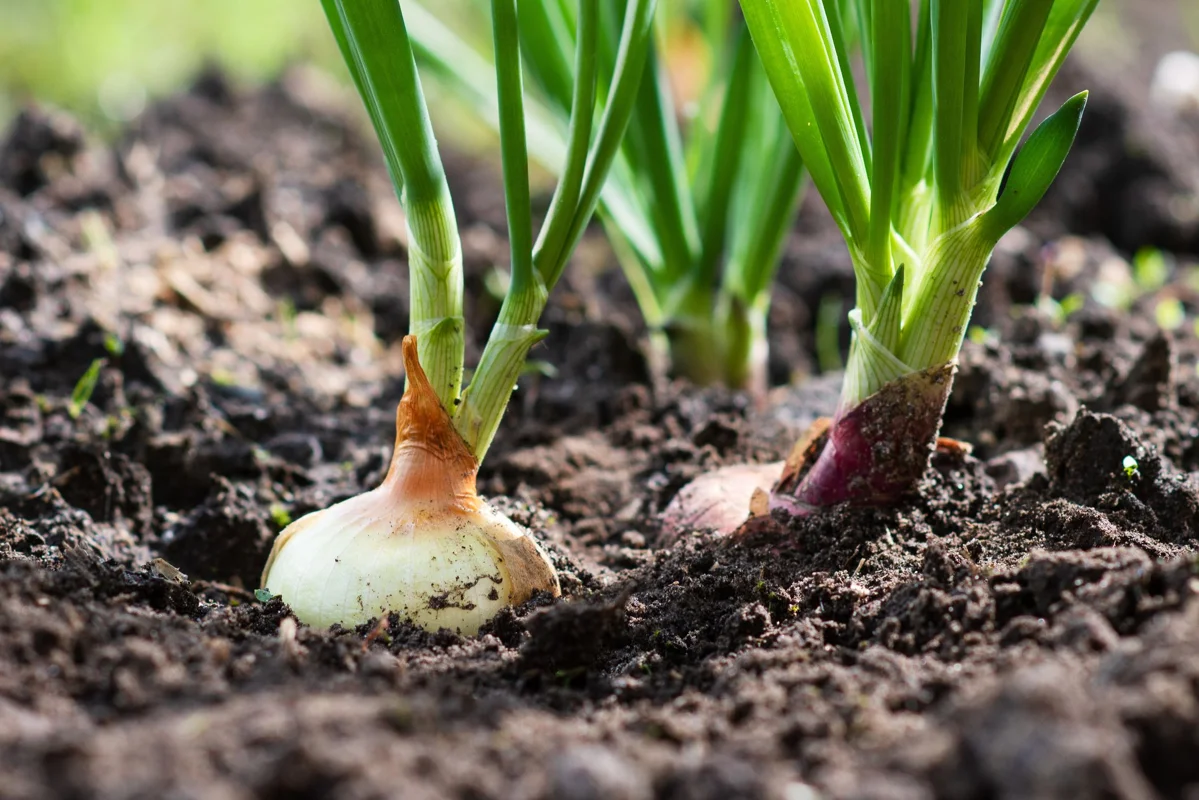
1. Botanical Overview & Natural Habitat
Welcome to PlantSavvyWorld! I am the PlantSavvyWorld editorial team, and few crops have captivated—and occasionally confused—home gardeners as much as Allium cepa, the common onion. To successfully grow large, sweet, store-worthy onions in the unique Mediterranean climates of Southern California (USDA Hardiness Zones 9b, 10a, and 10b), we must first understand the fundamental plant physiology driving this ancient Amaryllidaceae family member.

- Short-Day Onions: Initiate bulbing when daylight reaches 10 to 12 hours.
- Intermediate-Day (Day-Neutral) Onions: Initiate bulbing at 12 to 14 hours of daylight.
- Long-Day Onions: Require 14 to 16 hours of daylight to trigger bulb expansion.
Because Southern California sits at a low latitude (roughly 32°N to 35°N), our longest summer day barely reaches 14.2 hours. Consequently, Short-Day onion varieties are the undisputed champions of Zone 9 and 10 gardens.
Originating in the arid, mountainous regions of Central Asia, Allium cepa evolved to endure cool, wet winters during its vegetative growth phase and hot, dry summers during its bulb maturation and dormancy phase. Southern California's climate perfectly mirrors this native habitat, provided you plant during autumn rather than spring. Planting short-day varieties in late autumn allows the plant to build a robust canopy of 10 to 14 healthy leaves during the cool winter months. When day lengths naturally cross the 10-to-12-hour mark in late March and April, the energy stored in those leaves translocates rapidly down into the leaf sheaths, swelling them into large, juicy bulbs ready for early summer harvest.
2. Essential Environmental & Care Requirements
Achieving exhibition-grade onion yields in Southern California requires precise balance between light, soil mechanics, and nutrient timing. The following matrix outlines the crucial cultural parameters needed for success in coastal and inland Zone 9/10 gardens.
| Parameter | Optimal Condition | Common Mistake | Biological Effect |
|---|---|---|---|
| Light | 8+ hours of direct, unobstructed sunlight daily. | Planting in partial shade or near winter-dormant trees that leaf out in spring. | Low light halts leaf production; each leaf equates to one onion ring. Shade yields tiny bulbs. |
| Watering | 1 inch per week during growth; perfectly uniform drip irrigation. | Overhead sprinkling or fluctuating between drought and deep soaking. | Irregular moisture causes bulb splitting, double-bulbs, and triggers premature flowering (bolting). |
| Humidity | Low to moderate (30%–60%). High air movement preferred. | High humidity environments coupled with dense, crowded plant spacing. | High relative humidity encourages fungal pathogens like Peronospora destructor (Downy Mildew). |
| Soil | Loose, friable sandy loam rich in organic matter; pH 6.0–6.8. | Planting in unamended heavy SoCal clay or highly alkaline soils (pH > 7.5). | Clay physically restricts bulb expansion; high pH binds essential micronutrients like zinc and manganese. |
| Fertilizer | High Nitrogen (N) during vegetative phase; zero extra Nitrogen once bulbing begins. | Applying high-nitrogen fertilizer late in the season when bulbs begin to swell. | Late nitrogen fuels soft, watery foliage, prevents proper neck drying, and leads to bulb rot in storage. |
⚠️ Important Caution: Never purchase "Long-Day" onion sets or seeds (such as 'Walla Walla' or 'Yellow Spanish') for Southern California gardens. Because Zone 9 and 10 day lengths do not remain above 14 hours long enough to trigger the bulbing mechanism, long-day onions will continuously produce green top foliage without ever forming a bulb, leaving you with nothing more than oversized scallions.
3. Step-by-Step Cultivation, Feeding & Propagation Protocol
To maximize yield in Southern California, follow this seasonally synchronized planting and management schedule designed specifically for Zones 9 and 10.
 SOUTHERN CALIFORNIA ONION CALENDAR (ZONES 9 & 10)

 SOW SEEDS PLANT TRANSPLANTS BULB INITIATION HARVEST & CURING
(Late Sep - Oct) (Nov - Jan) (Mar - May) (May - July)
 |------------------|---------------------|--------------------|
Preferred Short-Day Cultivars for SoCal:
- Yellow/Brown: 'Texas Super Sweet 1015Y', 'Granex 33' (Vidalia type), 'Yellow Granex'.
- Red: 'Red Creole', 'Red Burgundy', 'Southern Belle'.
- White: 'White Bermuda', 'White Granex'.
Execution Protocol: Planting to Harvest
-
Soil Preparation (October): Select a full-sun site. Amend native soil deeply with 3 to 4 inches of fully aged compost to improve drainage and soil structure. Incorporate a balanced organic fertilizer (such as a 5-5-5 blend) alongside bone meal to provide phosphorus for early root establishment. Ensure the soil bed is elevated 4 to 6 inches if working with heavy clay.
-
Planting Seeds vs. Transplants/Sets:
- From Seed (Best Quality): Sow seeds direct or in seed flats in late September through October, 1/4-inch deep. Transplants will be ready when they reach pencil thickness in November/December.
- From Bare-Root Transplants (Recommended): Plant outdoors between November 15 and January 15. Insert green transplants 1 inch deep, spaced 4 to 6 inches apart in rows 12 to 18 inches apart.
- From Sets (Bulbs): Ensure sets are no larger than a nickel. Plant from November through December, pushing them just deep enough so the pointed tips sit flush with the soil surface.
-
Vegetative Phase Feeding (December – February): Every 2 to 3 weeks, apply a high-nitrogen liquid feed (such as fish emulsion, blood meal solution, or ammonium sulfate) to spur maximum leaf production. Remember: more foliage equal bigger bulbs. Keep the planting bed meticulously weed-free, as onions have shallow, uncompetitive root systems.
-
The Bulbing Phase Transition (March – April): As days lengthen, you will notice the ground cracking around the base of the plant and the stem expanding—this is the start of bulbing. Immediately cease all nitrogen applications. Continue providing 1 inch of water weekly via drip lines at ground level.
-
Harvest & Curing (May – July): When 50% to 70% of the green tops naturally collapse over at the neck, stop watering entirely. Allow the onions to sit in dry soil for 3 to 5 days. Gently lift the bulbs from the earth using a spading fork during cool morning hours.
💡 Pro-Tip: Never bend green onion tops over manually to force ripening! Forced bending damages vascular bundles, inviting neck-rot fungi (Botrytis allii) straight into the core of the bulb. Let the plant naturally senesce and fall over on its own timeline.
 ONION CURING STAGES

 [ Harvest Bulb ] ---> [ Shade Curing (2-3 Wks) ] ---> [ Trim & Store ]
 (Keep leaves attached) (Warm, dry, shaded area) (Dry neck, papery skin)
Cure the harvested onions in a warm, dry, shaded area with abundant airflow (such as a covered patio or airy garage) for 2 to 3 weeks until the necks are completely dry, pinched tight, and the outer skins rustle like paper. Once cured, trim roots to 1/4 inch and cut stems 1 inch above the bulb.
4. Common Plant Issues, Pests & Troubleshooting
Even experienced horticulturists encounter challenges when growing short-day alliums in Southern California's variable winter microclimates. Use this diagnostic matrix to resolve issues quickly.
 DIAGNOSTIC TREE
 |
 +-------------------------+-------------------------+
 | |
 [ Symptoms on Leaves ] [ Symptoms on Bulbs ]
 | |
 +-------+-------+ +-------+-------+
 | | | |
Yellow Streaks / White/Silver Soft Rot / Premature Flower
Purple Mold Stippling Foul Odor Stalk (Bolting)
 | | | |
Downy Mildew Thrips Neck Rot Temp Fluctuation /
(Reduce Water) (Neem/Insecticidal Soap) (Cease N Feed) Overly Large Sets
Premature Bolting (Flower Stem Formation)
- Symptom: A thick, rigid, hollow central stalk emerges with an umbrella-like flower bud.
- Cause: Temperature fluctuations during late winter—specifically a spell of warm weather followed by a prolonged cold snap (< 45°F / 7°C) when the plant stem is thicker than a pencil.
- Solution: Immediately snap off the flower stalk at its base. Use these onions first; once an onion bolts, the central core becomes woody and the bulb will not store well.
Onion Thrips (Thrips tabaci)
- Symptom: Leaves turn silver, gray, or speckled with tiny black frass spots, eventually drying out and turning brown.
- Cause: Microscopic rasping insects thriving in dry, hot SoCal weather.
- Solution: Blast foliage with early morning water sprays to dislodge adults. Apply organic insecticidal soap or neem oil thoroughly down into the leaf sheaths where thrips hide.
Downy Mildew (Peronospora destructor)
- Symptom: Pale yellow patches appear on leaves, followed by a purplish-gray velvety mold during cool, wet spring mornings.
- Cause: Over-overhead watering combined with coastal foggy weather (e.g., "May Gray / June Gloom").
- Solution: Convert all irrigation to sub-surface drip. Space plants wider to promote rapid drying. Treat preemptively with copper octanoate fungicide during cool, wet stretches.

5. Frequently Asked Questions (FAQ)
Why did my onions produce tiny bulbs even though the plants looked extremely healthy?
This almost universally indicates that either an incorrect photoperiodic variety was planted (such as a Long-Day onion in SoCal) or planting occurred too late in the spring. When planted in late spring, short-day onions encounter the 12-hour day length threshold before they have grown enough vegetative leaves. The plant prematurely triggers bulb initiation, resulting in small, golf-ball-sized bulbs. Always plant short-day transplants between November and January in Zones 9 and 10.Can I plant sprouted onions from my grocery store produce bin in my SoCal garden?
While planting a sprouted store-bought onion will yield fresh green onion tops (scallions), it will rarely produce a clean, single, high-quality bulb. Grocery store onions are frequently long-day or intermediate-day varieties grown in northern regions, or they may be treated with growth inhibitors to break dormancy unpredictably. Additionally, store onions often split into multiple small offset cloves when replanted. Stick to certified disease-free short-day seeds, sets, or bare-root transplants from local nurseries.How do short-day onion sets differ from short-day seeds, and which yields better results in Zone 9/10?
Short-day **seeds** yield the highest quality and lowest bolting risk because the plant develops uninterrupted from a seedling. However, they require earlier planting (September–October). **Sets** are small bulbs grown the previous year that have been heat-dormanced. While sets are easier to handle, if you purchase sets larger than a dime, they view the winter chill as their second year of life and are highly prone to premature bolting. For best overall results in Zone 10, use bare-root green transplants or start from seed.Related Guides
- When to Plant Pumpkins in Southern California
- When to Plant Tomatoes Southern California
- When to Plant Tomatoes in Southern California
- When to Plant Strawberries in Southern California
- What Zone is Southern Indiana
Further Reading
📋 Table of Contents ▼ Click to expand
Tags:
Keep reading
🌿 Related Plants You Might Like






PlantSavvyWorld
Editorial team
PlantSavvyWorld is an independent botanical education project. Articles are drafted with AI assistance, then edited and checked against university extension services, botanical garden collections and other published horticultural sources.