

What Zone is Southern Indiana
Written with AI assistance, edited and checked against horticultural sources.
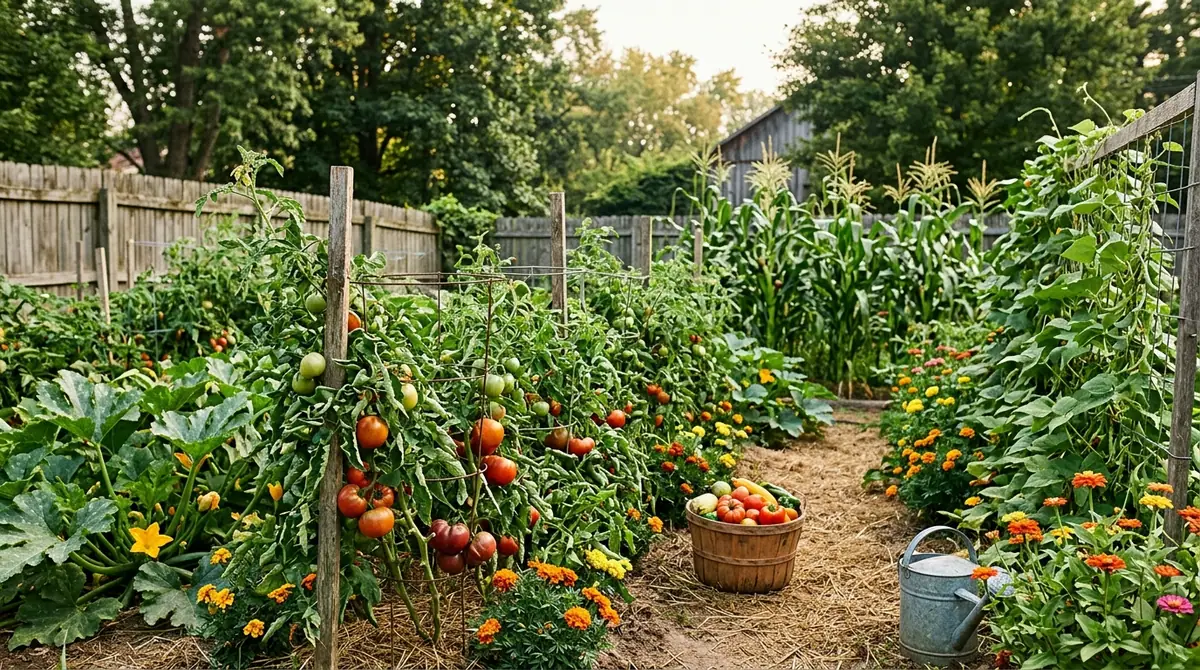
Standing knee-deep in a patch of native purple coneflower (Echinacea purpurea) outside of Evansville one crisp October morning, I watched a frost line slowly retreat from the corrugated limestone beneath my boots. A bewildered gardener had called me in, convinced her imported Zone 7 cultivars were failing because of bad soil. They weren't. She was simply gardening with a coastal mindset in a landscape that transitions on a micro-climatic razor’s edge. Horticultural practice has spent decades mapping the intricate ecological shifts of the Midwest. If you are asking what zone is southern indiana, you need more than a generic map number. You need a complete breakdown of how USDA Plant Hardiness Zones dictate everything from root depth to winter dormancy protocols across the southern third of the Hoosier State.
1. Botanical Overview & Natural Habitat

The landscape is a complex mosaic of unglaciated terrain, rolling hills, and rich river floodplains. Historically, this region is a transition zone—ecothene—where the Eastern Deciduous Forest meets the Western Prairie Peninsula. Native canopy species include the American Beech (Fagus grandifolia), Sugar Maple (Acer saccharum), and Tulip Poplar (Liriodendron tulipifera), Indiana's state tree. Understory layers thrive with Pawpaw (Asimina triloba) and Spicebush (Lindera benzoin).
The soils here are predominantly deep, fertile silt loams derived from loess deposits and glacial outwash, though the unglaciated southern uplands feature well-drained, acidic cherty silt loams. Soil pH typically hovers between 6.0 and 6.8, though limestone outcroppings create localized alkaline pockets where pH can reach 7.5. Understanding this substrate is non-negotiable for perennial survival. While sandy coastal soils or heavy western clays demand intense amendment, southern Indiana topsoil requires careful compaction management to preserve its natural crumbly structure.
Rainfall is relatively abundant, averaging 42 to 48 inches (106 to 121 cm) annually, distributed fairly evenly throughout the year. However, late-summer dry spells frequently stress shallow-rooted exotics. The growing season—measured from the last spring frost in mid-to-late April to the first autumn frost in mid-to-late October—runs roughly 180 to 200 frost-free days. This extended window gives southern Indiana gardeners a distinct advantage over their northern counterparts in Indianapolis or Fort Wayne, allowing certain warm-season crops and borderline-hardy broadleaf evergreens to thrive.
2. Essential Environmental & Care Requirements
Operating successfully within Zones 6b through 7b requires respecting specific environmental parameters. Because winter temperatures fluctuate wildly—dropping to 0°F (-17.8°C) in January before spiking to 65°F (18.3°C) in February—plant crown rot and premature breaking of dormancy are constant threats.
| Parameter | Optimal Condition | Common Mistake | Why It Matters |
|---|---|---|---|
| Soil pH | 6.2 – 6.8 for most ornamentals | Ignoring local limestone deposits | Extreme pH locks out micronutrients like iron and manganese. |
| Winter Mulching | 3 to 4 inches (7.6 to 10 cm) of shredded hardwood | Piling mulch directly against stems ("volcano mulching") | Traps moisture against bark, inviting voles and fungal pathogens. |
| Irrigation | 1 inch (2.5 cm) per week via rainfall or deep soaking | Frequent, shallow sprinklers | Encourages surface root development, increasing drought vulnerability. |
| Sun Exposure | 6 to 8 hours of direct morning sun | Placing shade-loving understory plants in blazing south-facing exposures | Causes leaf scorch, moisture stress, and eventual canopy dieback. |
💡 Pro-Tip: When calculating your specific microclimate in southern Indiana, pay close attention to thermal masses. Patios, brick facades, and south-facing stone retaining walls absorb solar radiation all day and radiate heat at night, effectively bumping your planting bed up half a hardiness zone. I routinely overwinter tender perennials like rosemary and figs against south-facing brick walls in Evansville (Zone 7a) that would perish just twenty feet away in the open lawn.
Drainage is your primary operational hurdle. The heavy clay subsoils common in lower-lying areas can turn planting holes into literal bathtubs during spring deluges. If your shovel pulls up gray-mottled clay at a depth of 12 inches (30 cm), you must amend the entire planting bed or elevate your crowns to prevent root rot.
3. Step-by-Step Cultivation, Feeding & Propagation
Establishing a resilient perennial or vegetable garden in southern Indiana requires a disciplined sequence of site preparation, planting, and seasonal maintenance.
- Site Assessment & Soil Testing: Dig core samples 6 inches (15 cm) deep across your garden footprint in early March. Send samples to a university lab—such as the Purdue University Plant & Pest Diagnostic Laboratory—to determine precise nutrient deficiencies and organic matter percentages.
- Bed Preparation & Tillage Mitigation: Clear perennial weeds. Instead of deep tilling, which destroys natural soil microfauna, use a broadfork to aerate compacted silt loams. Incorporate 2 inches (5 cm) of well-aged leaf mold or compost into the top 8 inches (20 cm) of soil.
- Timing and Planting: Wait until the soil temperature consistently reaches 55°F (12.8°C) at a 4-inch (10 cm) depth before planting warm-season crops or tender perennials—typically late April in Zone 7a/7b. Dig holes twice as wide as the nursery container but no deeper than the root ball.
- Initial Watering & Anchoring: Water newly installed specimens immediately with 1 inch (2.5 cm) of water to settle soil particles around root hairs. For specialized planting timelines when managing multi-region projects, reviewing resources like this Southern California planting calendar highlights how regional shifts alter foundational crop schedules.
- Mulching: Apply a 3-inch (7.6 cm) layer of shredded bark or double-shredded hardwood across the root zone, maintaining a 2-inch (5 cm) clearance around woody plant stems to deter rodents.
- Fertilization Protocols: Apply a balanced, slow-release organic fertilizer (such as a 4-3-4 blend) in early spring as new growth emerges. Avoid high-nitrogen synthetic fertilizers after August 1, as late soft growth will be decimated by early autumn freezes.
- Propagation: Take semi-hardwood cuttings from shrubs like viburnums or hydrangeas in July. Strip lower leaves, dip the 4-inch (10 cm) stem in rooting hormone powder, and insert them into a 50/50 perlite and peat moss medium under high humidity domes.
⚠️ Important Caution: Never ignore the USDA zone map updates. Recent climate data revisions have shifted large swaths of southern Indiana northward into warmer hardiness designations (e.g., shifting from Zone 6a to 6b/7a). While this allows you to experiment with marginally hardy specimens like crape myrtles (Lagerstroemia) and southern magnolias (Magnolia grandiflora), an unpredicted polar vortex plunge down the Mississippi Flyway can still cause catastrophic dieback on unacclimated plants. Always buy locally grown stock from regional nurseries rather than mail-order stock sourced from deep southern states.
4. Common Problems, Pests & Troubleshooting
Southern Indiana's humid continental climate creates a playground for fungal pathogens and sap-sucking insects. Learning to diagnose these anomalies early saves mature landscape investments.
Powdery Mildew (Erysiphaceae family): Common on bee balm, phlox, and squash during muggy July and August evenings when warm days meet heavy night dews.
- Solution: Prune surrounding branches to increase air circulation. Water exclusively at the base in the early morning. Apply a preventative copper fungicide or potassium bicarbonate spray at the first sign of white talcum-like spotting.
Japanese Beetles (Popillia japonica): These metallic green pests emerge in massive waves around late June, skeletonizing foliage on roses, fruit trees, and lindens.
- Solution: Hand-pick adults into a bucket of soapy water during the cool morning hours when they are sluggish. Avoid hanging commercial beetle traps, as their pheromones paradoxically draw more beetles into your yard from surrounding properties. Encourage beneficial native predators by installing birdhouses for starlings and robins.
Root Rot (Phytophthora and Pythium species): Prevalent in poorly drained clay soils after torrential spring rain events. Leaves turn yellow, wilt despite adequate soil moisture, and roots appear brown and mushy rather than firm and white.
- Solution: Immediately improve drainage by cutting swales or installing French drains. For severe infections, remove the specimen, amend the soil with coarse sand and organic matter, and replant a more tolerant native species like Swamp White Oak (Quercus bicolor) or Red Twig Dogwood (Cornus sericea).

5. Frequently Asked Questions
What exact USDA zone is Evansville, Indiana?
Evansville and the surrounding Vanderburgh County area sit squarely in USDA Hardiness Zone 7a, with average annual minimum temperatures dropping to between 0°F and 5°F (-17.8°C to -15°C). This allows gardeners to successfully cultivate plants that would struggle further north in Indianapolis, such as figs, pomegranate bushes, and certain southern magnolia cultivars.
Can I grow crape myrtles successfully in southern Indiana?
Yes, absolutely. Crape myrtles (Lagerstroemia indica x faurie hybrids) thrive across southern Indiana, particularly in Zones 7a and 7b. To prevent winter dieback, select cold-hardy cultivars such as 'Natchez' or 'Muskogee', and plant them in full sun with well-drained soil. In colder microclimates within Zone 6b, they may die back to the ground during severe winters but will reliably re-emerge from the root crown by late spring.
When should I start tomato seeds indoors in southern Indiana?
You should start your tomato seeds indoors 6 to 8 weeks before your average last spring frost, which typically points to mid-March for southern Indiana gardeners. Harden off the seedlings outdoors over a 10-day period in early May, and transplant them into garden beds once nighttime soil and air temperatures consistently stay above 50°F (10°C).
What fruit trees grow best in the southern Indiana climate?
Apples (such as 'Honeycrisp' and 'Jonathan'), peaches ('Reliance' and 'Redhaven'), tart cherries, and Asian pears perform exceptionally well in southern Indiana. The region provides sufficient chilling hours (typically 800 to 1,000 hours below 45°F / 7.2°C) to break dormancy and set heavy fruit yields, provided you maintain a regular copper and sulfur spray schedule to combat local plum curculio and apple scab pressures.
Related Guides
- When to Plant Onions in Southern California (Zone 9 & 10 Planting Calendar)
- When to Plant Pumpkins in Southern California
- When to Plant Tomatoes Southern California
- When to Plant Tomatoes in Southern California
- When to Plant Strawberries in Southern California
📋 Table of Contents ▼ Click to expand
Tags:
Keep reading
🌿 Related Plants You Might Like


PlantSavvyWorld
Editorial team
PlantSavvyWorld is an independent botanical education project. Articles are drafted with AI assistance, then edited and checked against university extension services, botanical garden collections and other published horticultural sources.