

When to Transplant Cucumber Seedlings: Stop Root Shock & Boost Growth
Written with AI assistance, edited and checked against horticultural sources.
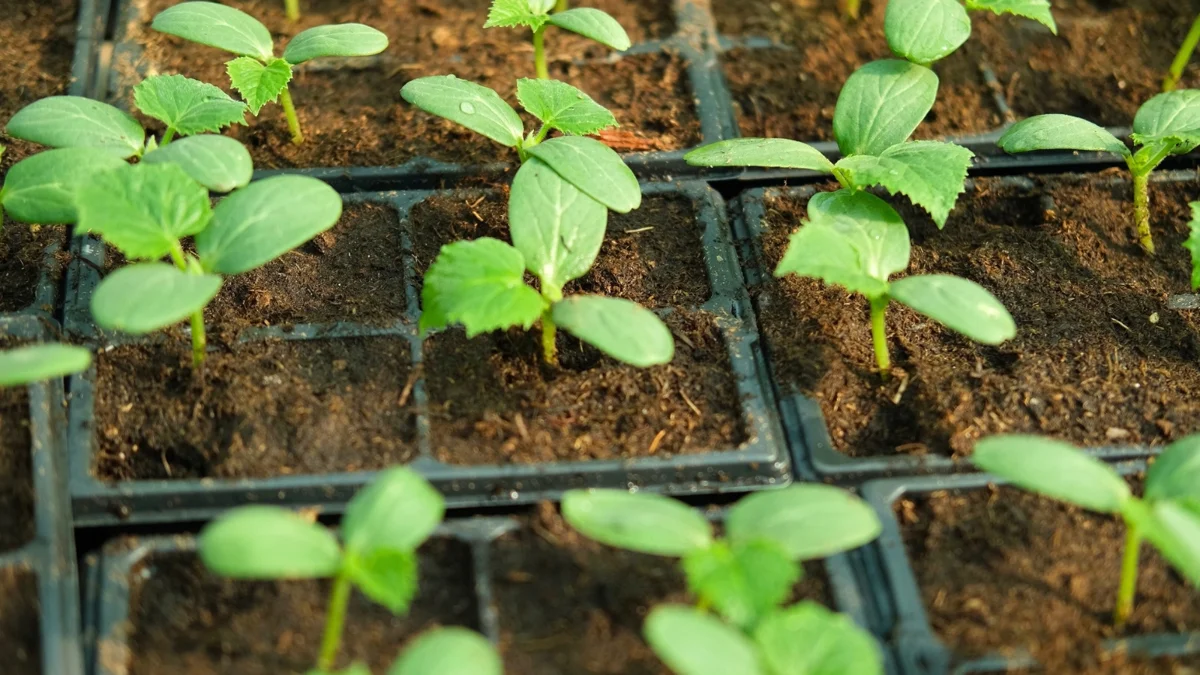
I can vividly recall the sinking feeling when, one spring, I’d transplanted my cucumber seedlings just a tad too early. The first cool snap hit, and those once-vibrant green leaves turned a sickly, pale yellow, wilting dramatically. It was a harsh but valuable lesson: cucumbers are far more sensitive to transplant shock than many other common garden vegetables. Their delicate root systems, designed for rapid growth in a stable environment, can be severely set back by the slightest disturbance. Getting the timing and technique just right isn't just about convenience; it's crucial for preventing root shock and ensuring those plants hit the ground running, setting the stage for a bountiful harvest. This guide will walk you through everything you need to know to transplant your cucumber seedlings with confidence.
1. Botanical Overview & Natural Habitat

The key to understanding cucumber transplanting lies in their root structure. Unlike plants with highly branched, fibrous root systems that can easily regrow, cucumbers develop a prominent taproot. This taproot is essential for anchoring the plant and drawing moisture and nutrients from deep within the soil. However, it's also incredibly fragile. Any damage or significant disturbance to this taproot during transplanting can set the plant back considerably, as it diverts energy from growth to root repair. This is why avoiding root disturbance is paramount.
Natural Habitat Considerations: In their native, tropical and subtropical environments, cucumbers grow throughout a long, warm season with consistent moisture and sunlight. Mimicking these conditions in our garden—specifically, providing adequate warmth and moisture post-transplant—is key to a successful transition from seedling tray to garden bed. They prefer loose, well-draining soil rich in organic matter, mirroring the fertile soils found in their origin regions. The absence of frost and consistent soil temperatures are also hallmarks of their preferred growing climate.
2. Essential Environmental & Care Requirements
Successfully transplanting cucumbers hinges on meeting their specific environmental needs both before and after they leave their starter pots. This includes precise temperature, light, and moisture management, as well as ensuring they aren't being moved into an environment that's too harsh.
Temperature: Cucumbers are heat-loving plants. They require warm soil and air temperatures to thrive.
- Soil Temperature: Outdoor nighttime soil temperatures should consistently exceed 60°F (15°C). Planting into cold soil will significantly stunt growth and can even kill young seedlings. Warming the soil in advance is a critical step.
- Air Temperature: Daytime air temperatures should ideally be between 70-85°F (21-29°C). Frost is a death sentence for young cucumber plants.
Light: While seedlings need bright light to grow, direct, harsh sunlight can be too intense initially.
- Indoors: Seedlings should be kept under grow lights or in a very sunny window, receiving at least 6-8 hours of bright light per day.
- Outdoors (after hardening off): Once transplanted, cucumbers need at least 6-8 hours of direct sunlight daily to produce abundant fruit.
Moisture: Consistent moisture is vital, but waterlogged soil is detrimental.
- Seedling Stage: Keep the soil in starter pots consistently moist but not soggy.
- Post-Transplant: Water deeply and regularly, especially during dry spells. Aim to keep the soil evenly moist, about 1-2 inches of water per week, depending on rainfall and temperature. Mulching helps retain soil moisture.
Soil Quality: Cucumbers are relatively heavy feeders and perform best in fertile, well-draining soil.
- pH: They prefer a slightly acidic to neutral soil pH, ideally between 6.0 and 7.0.
- Nutrients: Incorporating compost or well-rotted manure into the planting bed before transplanting provides essential nutrients and improves soil structure.
| Parameter | Optimal Condition | Common Mistake | Why It Matters |
|---|---|---|---|
| Soil Temperature | Consistently above 60°F (15°C) overnight | Transplanting too early when soil is still cold | Cold soil stunts growth, damages delicate roots, and increases susceptibility to disease. |
| Air Temperature | Consistently above 60°F (15°C) overnight, 70-85°F (21-29°C) daytime | Exposing seedlings to cold drafts or frost | Young plants are extremely sensitive to cold; frost will kill them, and prolonged cold will severely stunt them. |
| Light Exposure | 6-8 hours direct sun post-transplant | Over-hardening to intense sun, or insufficient sun | Too much intense sun too soon can scorch leaves. Insufficient sun limits photosynthesis and fruit production. |
| Root Disturbance | Minimal to none | Ripping roots apart, or pulling seedlings from pots | Damages the fragile taproot, leading to transplant shock, stunted growth, and reduced yield. |
| Moisture Levels | Consistently moist but well-drained | Allowing soil to dry out completely, or overwatering | Dehydration stresses plants. Waterlogged soil suffocates roots and promotes fungal diseases. |
| Soil Fertility | Rich in organic matter, well-draining | Planting in poor, compacted, or nutrient-deficient soil | Provides the necessary nutrients and structure for robust root development and vigorous vine growth. |
3. Step-by-Step Cultivation, Feeding & Propagation
The journey from seed to a healthy, transplanted cucumber seedling involves careful management. This section details the propagation phase and the critical steps to ensure a smooth transition to the garden.
Starting Cucumber Seeds Indoors:
- Timing is Key: Start cucumber seeds indoors about 2 to 3 weeks before your average last frost date. Cucumbers grow quickly, so starting them too early can lead to leggy, root-bound seedlings that are difficult to transplant successfully.
- Choose the Right Container: Because of their sensitive taproots, it's best to sow cucumber seeds directly into individual containers that can be planted directly into the garden. This minimizes root disturbance. Excellent choices include:
- Peat Pots or Cow Pots: These are biodegradable and can be planted directly into the soil, pot and all. Ensure the rim is below the soil surface to prevent it from wicking moisture away from the roots.
- Paper or Rice Hull Pots: Similar to peat pots, these break down in the soil.
- Small Biodegradable Pots: Many nurseries offer small, compostable pots that are ideal.
- Avoid Small Plastic Cells: If using small plastic seedling trays, be prepared for extremely delicate work to free the root ball. Larger, individual peat or cow pots are strongly preferred.
- Use a Quality Seed Starting Mix: Fill your chosen pots with a sterile, lightweight seed-starting mix. This provides good drainage and aeration, crucial for preventing damping-off disease.
- Sowing the Seeds: Plant 1-2 seeds per pot, about ½ inch (1.25 cm) deep. If you plant two and both germinate, thin to the strongest seedling by snipping the weaker one at the soil line with clean scissors. Do not pull it out, as this can disturb the roots of the remaining seedling.
- Provide Warmth and Moisture: Cover the pots loosely with a plastic dome or plastic wrap to maintain high humidity. Place them in a warm location, ideally around 70-80°F (21-27°C). A seedling heat mat can be very beneficial for consistent bottom heat. Keep the seed-starting mix consistently moist but not waterlogged.
- Light Requirements: Once seeds germinate (typically 5-7 days), remove the plastic cover and immediately provide bright light. A sunny windowsill can work, but grow lights placed a few inches above the seedlings are ideal. They need at least 12-16 hours of light per day to prevent them from becoming leggy.
When to Transplant (The Critical Window):
The absolute best time to transplant cucumber seedlings outdoors is when they exhibit 2 to 3 sets of true leaves. This typically occurs around 18 to 21 days after sprouting.
- True Leaves: It's important to distinguish true leaves from the initial cotyledons (seed leaves). Cotyledons are the first pair of leaves that emerge, and they are usually simpler in shape than the true leaves. The true leaves are the ones that will go on to form the main body of the plant.
- Root Development: At this stage, the seedlings will have a small but developing root system. They are large enough to survive the transplanting process but not so large that their roots have become overly pot-bound. Overly mature seedlings are much more susceptible to transplant shock.
Hardening Off (Acclimatization): The Essential Transition
This is a non-negotiable step to prepare your tender seedlings for the rigors of the outdoor environment. Start this process about 7 to 10 days before your planned transplant date.
- Initial Exposure: Begin by placing seedlings in a sheltered spot outdoors, out of direct sunlight and strong winds, for a few hours. A porch, covered patio, or under a larger shrub is ideal.
- Gradual Increase: Each day, gradually increase the amount of time they spend outdoors. Also, slowly introduce them to more direct sunlight and light breezes.
- Monitor Closely: Watch for signs of wilting, scorching, or wind damage. If you see any, bring them back to a more sheltered location and try again the next day with less exposure.
- Nighttime Protection: For the first few days of hardening off, bring the seedlings indoors at night, especially if temperatures are expected to drop below 50°F (10°C). As the week progresses and outdoor temperatures stabilize, you can leave them out overnight.
Soil Preparation and Warming:
- Clear the Area: Remove any weeds, rocks, or debris from your chosen garden bed.
- Amend the Soil: Work in a generous amount of compost or well-rotted manure. Cucumbers thrive in rich, fertile soil. Aim for a depth of at least 6-8 inches (15-20 cm) for amending.
- Warm the Soil: This is critical for cucumbers. Approximately 1 week before transplanting, cover your planting area with black landscape fabric or dark plastic mulch. This solarizes the soil, significantly increasing its temperature and providing a warmer environment for the young roots. Remove the fabric or mulch just before planting.
Transplanting Day Protocol:
- Water Thoroughly: Water your seedlings well about an hour before transplanting. This helps the soil ball stay intact and reduces stress.
- Prepare the Garden Bed: Dig holes in your prepared garden bed that are slightly larger than the diameter of the seedling's pot. If using biodegradable pots, you'll often want to lightly score the sides or tear away the bottom to encourage root emergence.
- Gentle Removal: Carefully slide the seedling and its soil ball out of its pot. If using peat or cow pots, you can plant them directly. If using other containers, gently loosen any roots circling the bottom if they are extremely dense, but avoid breaking up the main root ball.
- Planting Depth: Plant the seedling so that the top of its soil ball is level with or slightly below the surrounding garden soil. This encourages the stem to develop additional roots for better stability and nutrient uptake.
- Backfill and Water: Gently backfill the hole with soil, firming it lightly around the base of the plant. Water thoroughly immediately after transplanting. This settles the soil and eliminates air pockets, ensuring good root-to-soil contact.
- Provide Protection (Optional but Recommended): If there's a chance of a cool spell or strong winds, consider using a cloche, cold frame, or even a plastic bottle cut in half to protect the newly transplanted seedling for the first few days.
Feeding Your Transplanted Seedlings:
- Initial Boost: After transplanting, a light watering with a balanced liquid fertilizer (like a 5-5-5 or 10-10-10) diluted to half strength can give the plants a gentle boost as they establish.
- Ongoing: Once the plants show signs of new growth (usually a week or two after transplanting), you can transition to a regular feeding schedule. Cucumbers are hungry plants and benefit from regular applications of compost tea, a balanced granular fertilizer, or a fertilizer formulated for fruiting vegetables every 3-4 weeks throughout the growing season. Always follow package directions.
4. Common Problems, Pests & Troubleshooting
Even with the best preparation, challenges can arise when transplanting cucumbers. Understanding common issues will help you address them quickly.
Transplant Shock: This is the most common problem and is characterized by wilting, yellowing leaves, and a general lack of vigor after transplanting.
- Symptoms: Drooping leaves, pale green or yellowing foliage, slow growth or no new growth.
- Causes: Root disturbance, cold temperatures, excessive sun or wind exposure too soon, or lack of water.
- Solutions: Ensure consistent soil moisture without waterlogging. Provide temporary shade if the sun is too intense. Protect from wind. Most importantly, give the plant time to recover; often, they will bounce back within a week or two if the underlying causes are addressed.
Root-Bound Seedlings: If seedlings are left in their starter pots for too long, their roots will circle the pot, becoming dense and compact.
- Symptoms: Roots visibly growing out of the drainage holes, stunted growth even before transplanting.
- Causes: Starting seeds too early, using containers that are too small.
- Solutions: While best avoided by timely transplanting, if you notice severely root-bound seedlings, you can try to gently tease apart the outer roots before planting. However, this increases the risk of damage. Planting in biodegradable pots can mitigate this somewhat as roots will grow through them.
Damping-Off Disease: This fungal disease attacks seedlings at the soil line, causing them to rot and collapse.
- Symptoms: Seedlings appear healthy then suddenly wilt and fall over at the base.
- Causes: Overwatering, poor air circulation, contaminated soil, or over-crowding.
- Solutions: Use sterile seed-starting mix, avoid overwatering, ensure good air circulation around seedlings, and thin seedlings to prevent overcrowding. Discard affected plants to prevent spread.
Pests: Young seedlings can be attractive targets for common garden pests.
- Aphids: Small, green or black insects that cluster on new growth, sucking sap.
- Spider Mites: Tiny mites that create fine webbing and cause stippling on leaves.
- Cutworms: Larvae that chew through stems at the soil line overnight.
- Solutions:
- Aphids/Spider Mites: A strong spray of water can dislodge them, or use insecticidal soap or neem oil.
- Cutworms: Protect young seedlings with cardboard collars (toilet paper tubes cut in half and pushed into the soil around the stem) or diatomaceous earth.
Environmental Stress:
- Cold Snaps: Sudden drops in temperature can damage or kill young cucumber plants.
- Solution: Always monitor the weather forecast. Be prepared to cover plants with frost cloth, cloches, or row covers if a cold snap is predicted.
- Excessive Heat: While cucumbers love heat, extreme, sudden heat waves can stress young plants.
- Solution: Ensure consistent watering and provide temporary shade during the hottest part of the day if necessary.

5. Frequently Asked Questions
How many true leaves should cucumber seedlings have before transplanting?
The ideal number of true leaves for transplanting cucumber seedlings is 2 to 3 sets of true leaves. These are the leaves that emerge after the initial cotyledons (seed leaves). At this stage, the plants are robust enough to handle the transplanting process but haven't yet outgrown their starter pots to the point where their roots are severely compromised.
Can I transplant cucumber seedlings if they are a bit leggy?
Yes, you can, but it's not ideal. Leggy seedlings have stretched, weak stems and potentially underdeveloped root systems. When transplanting, you can bury a portion of the stem deeper into the soil. The buried part of the stem will often sprout new roots, helping to support the plant. However, be aware that leggy seedlings are more prone to transplant shock and may take longer to establish. Starting seeds at the correct time and providing adequate light indoors are the best ways to prevent legginess.
What happens if I transplant my cucumber seedlings too late?
Transplanting cucumber seedlings too late is problematic primarily because their taproots become too large and entangled within their starter pots. This makes them highly susceptible to root damage during transplanting. You're much more likely to experience severe transplant shock, resulting in stunted growth, yellowing leaves, and a significant delay in fruit production. In some cases, severely pot-bound plants may struggle to recover at all.
How do I know if my cucumber seedlings are ready to go outside?
Your cucumber seedlings are ready to go outside when they have developed 2 to 3 sets of true leaves, are no longer leggy (stems are sturdy), and your outdoor conditions meet their requirements. Critically, your nighttime outdoor soil temperatures must consistently exceed 60°F (15°C) and the air temperature should also remain above 60°F (15°C) overnight. You should also have completed the hardening-off process for about a week prior to your intended transplant date. Always check your local weather forecast for any approaching cold snaps or frosts before making the final move.
💡 Pro-Tip: Don't be tempted to push the transplanting date even if the weather looks like it's warming up. Cucumbers are incredibly sensitive to that first chill. It's far better to wait an extra week for stable, warm conditions than to risk setting your entire cucumber season back by weeks due to a sudden cold snap. Use a soil thermometer to verify that your garden bed is consistently warm enough before you dig in.
⚠️ Important Caution: Never transplant cucumber seedlings into soil that is still cold, even if the air temperature feels warm. Young roots will not grow and can even be damaged by cold soil, leading to severe setbacks and increased disease susceptibility. Always confirm nighttime soil temperatures are consistently above 60°F (15°C).
Tags:
Keep reading
🌿 Related Plants You Might Like






PlantSavvyWorld
Editorial team
PlantSavvyWorld is an independent botanical education project. Articles are drafted with AI assistance, then edited and checked against university extension services, botanical garden collections and other published horticultural sources.