

How Long Does It Take for Tomatoes to Grow Tomato Growing and Harvesting Guide
Written with AI assistance, edited and checked against horticultural sources.
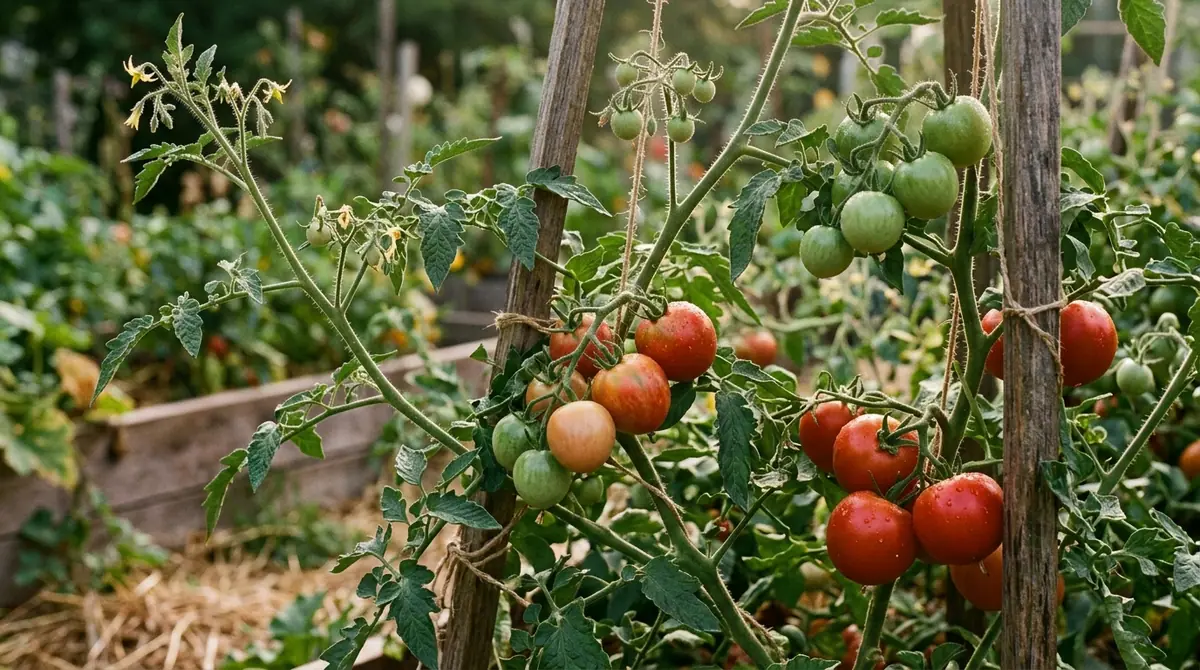
The 'Cherokee Purple' tomato takes sixty-five days from transplanting to mature, while beefsteak varieties take eighty-five days due to the genetics of the cultivar and the environmental variables ticking away in the soil and sky. Whether timing a spring planting season using resources like When to Plant Tomatoes Zone 6b or calculating an indoor sowing schedule via When to Start Tomatoes Indoors Zone 6, understanding the exact timeline of tomato maturation transforms a hopeful grower into a precise horticulturalist.
1. Botanical Overview & Natural Habitat

In their native habitat, wild types grew in rocky, well-draining soils under intense solar radiation, surviving on deep, sporadic moisture from mountain runoff. When Spanish explorers encountered domesticated varieties cultivated by the Aztecs and Incas, they transported them back to Europe, where centuries of selective breeding shifted the plant from a scrambling perennial vine into the determinant and indeterminate annual crops we cultivate today.
Understanding this ancestry dictates how we grow them. Tomatoes are biologically wired for warmth, robust airflow, and high light levels. When day temperatures hover consistently between 70°F and 85°F (21°C to 29°C) and night temperatures stay above 55°F (13°C), metabolic processes—including photosynthesis and nutrient uptake—operate at peak efficiency.
Growth speed varies drastically by cultivar type and maturity class. Determinate varieties, often called bush tomatoes, grow to a genetically predetermined height (typically 3 to 4 feet / 90 to 120 cm), set all their fruit within a concentrated 2-to-3-week window, and then decline. Indeterminate varieties, or vining tomatoes, continue growing, flowering, and fruiting indefinitely until a hard frost terminates them, often reaching heights of 6 to 10 feet (1.8 to 3 meters) or more.
| Maturity Class | Average Days from Transplant | Growth Habit | Typical Fruit Weight |
|---|---|---|---|
| Early Season | 55–65 Days | Determinate / Indeterminate | 2–6 oz (55–170 g) |
| Mid Season | 66–80 Days | Determinate / Indeterminate | 6–12 oz (170–340 g) |
| Late Season | 81–100+ Days | Indeterminate | 10–24 oz (280–680 g) |
💡 Pro-Tip: Always check the "days to maturity" listed on your seed packet or plant tag, but remember that seed companies measure this from the day of transplanting into the garden, not from the day you dropped the seed into germination mix. Add 14 to 28 days to that number if you are starting from seed indoors. If you need precise geographic timing for sowing your seeds, consult our guide on When to Start Tomato Seeds Indoors Zone 6.
2. Essential Environmental & Care Requirements
To successfully shepherd a tomato plant from seedling to harvest, you must carefully manage four primary environmental variables: temperature, sunlight, soil composition, and hydration.
Temperature governs reproductive success. While tomato plants can survive in ambient air temperatures ranging from 60°F to 95°F (15°C to 35°C), pollen viability drops sharply when daytime temperatures exceed 90°F (32°C) or nighttime temperatures fall below 55°F (13°C). Under these thermal stress conditions, pollen grains become sterile or fail to release, leading to blossom drop where unfertilized flowers simply wither and fall off the vine.
Sunlight is the engine of sugar production. Tomatoes require a minimum of 6 to 8 hours of direct, uncompromised sunlight daily. In lower light conditions, cellular elongation outpaces tissue strengthening, resulting in leggy, weak stems, reduced photosynthesis, and bland, watery fruit lacking the complex sugars and acids characteristic of a well-grown home harvest.
Soil must be rich, loamy, and biologically active, with a targeted pH range between 6.0 and 6.8. This slightly acidic window maximizes the availability of essential macronutrients (nitrogen, phosphorus, potassium) and micronutrients (especially calcium and magnesium). Heavy clay soils compact easily, suffocating roots and restricting water movement, while coarse sands drain too rapidly, flushing out vital nutrients before the plant can absorb them. Incorporating 2 to 3 inches (5 to 7.5 cm) of well-rotted compost into the top 8 inches (20 cm) of your garden beds provides the ideal structural matrix.
Water management is arguably the most critical operational task in tomato cultivation. Tomatoes require consistent moisture levels—approximately 1 to 2 inches (2.5 to 5 cm) of water per week, delivered evenly. Drought stress followed by heavy watering causes rapid volumetric expansion within the fruit, leading to unsightly and destructive fruit cracking. Furthermore, calcium transport relies entirely on transpirational water flow; erratic watering starves developing fruit of calcium, directly causing blossom-end rot—a sunken, black leathery lesion on the base of the tomato.
For growers operating in slightly cooler transitional climates, timing your outdoor placement requires careful tracking of your regional frost dates, similar to the strategies outlined in When to Plant Tomatoes Zone 7 and When to Plant Tomatoes Zone 7b.
| Parameter | Optimal Condition | Common Mistake | Why It Matters |
|---|---|---|---|
| Soil pH | 6.0–6.8 | Ignoring soil tests; allowing pH to drop below 5.5 | Locks out calcium and phosphorus, triggering deficiency diseases. |
| Watering | 1–2 inches weekly, deeply and evenly | Shallow, daily splashing | Promotes shallow root systems and causes fruit splitting. |
| Sunlight | 8+ hours direct sun | Planting in partial shade (<6 hours) | Reduces sugar accumulation and extends days to harvest. |
| Spacing | 24–36 inches apart | Overcrowding plants (<18 inches) | Restricts airflow, trapping humidity and inviting fungal pathogens. |
3. Step-by-Step Cultivation, Feeding & Propagation
Growing high-yielding, flawless tomatoes requires a disciplined, sequential approach from propagation to harvest. Follow this step-by-step protocol to optimize your success:
- Sow Seeds Indoors: Start seeds 6 to 8 weeks before your final spring frost date. Plant seeds 1/4 inch (0.6 cm) deep in sterile seed-starting mix. Maintain a soil temperature of 75°F to 85°F (24°C to 29°C) using a heating mat. Once germination occurs within 6 to 10 days, place seedlings under grow lights for 14 to 16 hours daily, keeping light fixtures 2 to 3 inches (5 to 7.5 cm) above the foliage.
- Harden Off the Seedlings: Approximately 10 to 14 days before your safe transplanting window, begin hardening off your indoor-grown plants. Expose them gradually to outdoor conditions—starting with 1 hour of filtered shade on day one, and incrementally increasing direct sunlight and wind exposure over two weeks until they can withstand a full 24 hours outside.
- Prepare the Planting Bed: Work organic matter and a balanced, slow-release organic fertilizer rich in phosphorus and potassium into your garden soil. Dig planting holes spaced 24 to 36 inches (60 to 90 cm) apart, deep enough to accommodate the root ball plus half the stem length.
- Plant Deeply: Strip off the lower leaves of each tomato transplant. Plant the seedling deeply—up to two-thirds of its stem buried horizontally or vertically in the soil. Tomatoes possess adventitious buds along their stems; burying them triggers the development of a massive, robust root system capable of anchoring the plant and absorbing moisture more efficiently.
- Install Support Structures: Immediately drive stakes, cages, or heavy-duty trellis systems into the ground beside each plant. Installing supports after the plant is established risks driving stakes directly through the root ball.
- Apply Mulch: Spread a 2-to-3-inch (5-to-7.5-cm) layer of clean straw, shredded bark, or leaf mold around the base of each plant, keeping the mulch 1 inch (2.5 cm) away from actual stems. This prevents soil-borne fungal spores from splashing up onto the lower foliage during rainstorms or overhead irrigation.
- Prune and Train: For indeterminate varieties, pinch out the "suckers"—the auxiliary shoots emerging in the V-junction between the main stem and lateral branches—once they reach 2 to 4 inches (5 to 10 cm) in length. Maintain one or two strong main leaders tied securely to your support structure using soft garden twine.
- Harvest at Peak Ripeness: Harvest fruit when it has developed full, uniform color according to its cultivar description (red, yellow, purple, or striped) and yields slightly to gentle, firm pressure, yet remains structurally sound. Snip the stem with sharp clippers rather than pulling to avoid tearing the vine.
⚠️ Important Caution: Never handle or prune your tomato plants when the foliage is wet from dew, rain, or overhead watering. Moisture acts as a transit medium for bacterial and fungal pathogens—such as Xanthomonas campestris (bacterial spot) and Alternaria solani (early blight)—allowing them to easily spread from plant to plant on your hands or tools.
For further botanical guidance on maximizing yields and understanding plant pathology, consult the comprehensive resources provided by the Royal Horticultural Society (RHS) and the University of California Agriculture and Natural Resources (UC ANR).
4. Common Problems, Pests & Troubleshooting
Even with meticulous care, tomato growers frequently encounter physiological disorders and pest pressures. Recognizing symptoms early allows for rapid corrective action before yields plummet.
Blossom-End Rot
Appears as a sunken, water-soaked, leathery black patch on the distal end (bottom) of the fruit. This is not an infectious disease, but a physiological calcium deficiency driven by erratic soil moisture fluctuations that temporarily halt calcium transport through the plant's vascular system.
- Correction: Establish a strict, even watering schedule. Apply organic mulch to stabilize soil moisture and avoid heavy applications of high-nitrogen synthetic fertilizers, which cause overly rapid vegetative growth that outpaces calcium uptake.
Early Blight and Late Blight
Early blight (Alternaria solani) manifests as dark brown spots with concentric rings (target-board pattern) on older, lower leaves, eventually causing leaf yellowing and defoliation. Late blight (Phytophthora infestans) is far more aggressive, causing rapid water-soaked lesions on leaves and stems that turn dark brown to purple-black, rapidly destroying the entire plant in wet weather.
- Correction: Prune lower leaves up to 18 inches (45 cm) from the soil line to enhance air circulation. Apply copper-based fungicides preventatively during prolonged humid periods, and immediately bag and trash infected plant tissue—never compost diseased material.
Tomato Hornworms (Manduca quinquemaculata and Manduca sexta)
These massive, green caterpillars with diagonal white stripes and a distinctive rear horn can devour an entire plant's foliage and developing fruit in a matter of days.
- Correction: Hand-pick hornworms off plants at dusk or dawn (they blend in remarkably well with foliage, but glow under a UV blacklight at night). If populations are heavy, apply Bacillus thuringiensis (Bt), a natural soil bacterium that targets chewing caterpillars without harming beneficial pollinators.

5. Frequently Asked Questions
How long does it take for a tomato plant to produce fruit from seed?
From the moment you drop a seed into germination mix to the harvest of your first ripe fruit, the total timeline typically spans 85 to 120 days. This breaks down into 20 to 30 days of indoor seedling growth, followed by 65 to 90 days outdoors, depending entirely on whether you planted an early-season dwarf cultivar or a late-season indeterminate beefsteak.
Why are my green tomatoes taking so long to turn red?
Tomato fruit growth occurs in stages: cell division, cell expansion, and finally ripening. Once a tomato reaches its full genetic size (the "mature green" stage), it enters a resting phase before internal ethylene production triggers the ripening process. Furthermore, if daytime temperatures exceed 85°F (29°C), the plant halts the production of lycopene and carotene—the pigments responsible for red and yellow coloration—temporarily stalling the color change until temperatures drop.
Can I ripen green tomatoes indoors if a frost is coming?
Yes. If an unexpected freeze threatens your garden at the end of the season, harvest all mature green tomatoes (those showing a faint whitish-green blush or glossy skin). Wrap them individually in newspaper or place them in a single layer in a cardboard box alongside a ripe banana or apple, which releases ethylene gas. Store them in a cool, dark room kept between 55°F and 70°F (13°C to 21°C), and check them weekly to remove any that begin to rot.
How many tomatoes can I expect to harvest from a single plant?
Yield varies widely by cultivar type and growing conditions. A well-managed determinate bush tomato plant typically produces 10 to 15 pounds (4.5 to 6.8 kg) of fruit over its concentrated harvest window. In contrast, a vigorous indeterminate vining tomato plant grown in optimal conditions can yield anywhere from 20 to 35 pounds (9 to 16 kg) of fruit over a long season extending right up until the first autumn frost.
Related Guides
- Growing Harvesting Spaghetti Squash
- Complete Guide to Winter Vegetable Harvesting for Beginners
- Best Gardening Apron with Pockets for Harvesting Tools 2020
- How Long Does It Take for Lilies to Open
- Tomato Hornworm Droppings
📋 Table of Contents ▼ Click to expand
Tags:
Keep reading
🌿 Related Plants You Might Like




PlantSavvyWorld
Editorial team
PlantSavvyWorld is an independent botanical education project. Articles are drafted with AI assistance, then edited and checked against university extension services, botanical garden collections and other published horticultural sources.