

When to Plant Tomatoes Zone 6b
Written with AI assistance, edited and checked against horticultural sources.
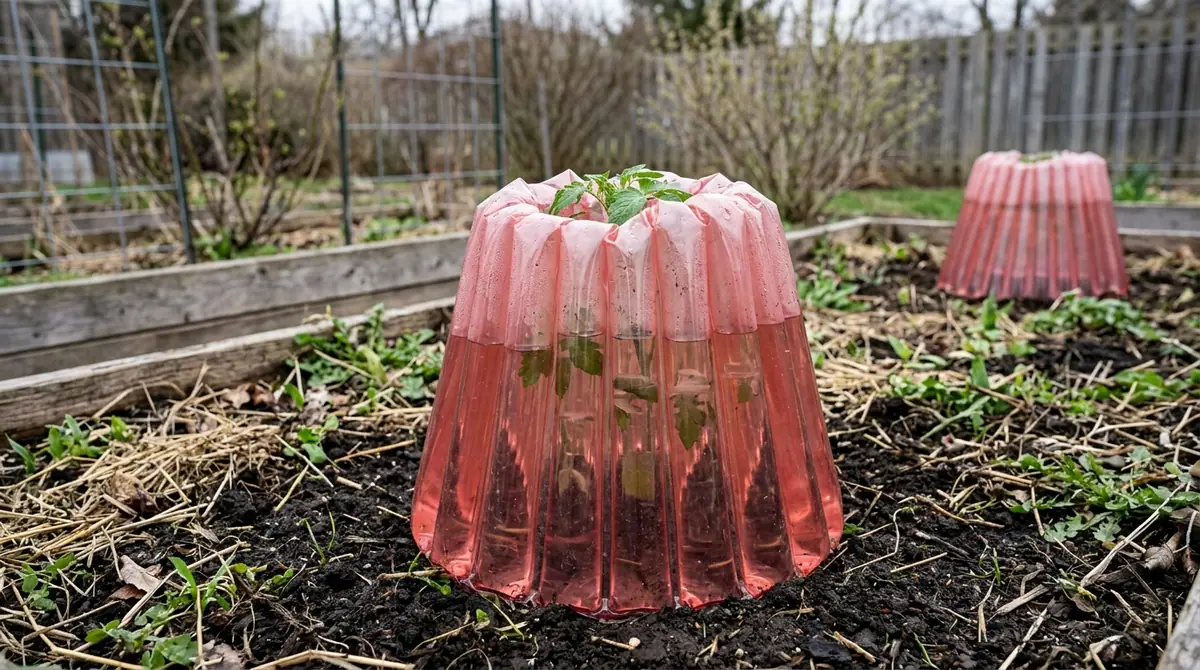
When an outdoor thermometer reads a chilly 38°F (3.3°C) and a soil temperature probe plunged into a raised bed reads a frigid 52°F (11.1°C) around May 10th, dropping a leggy Brandywine tomato transplant into the dirt is a mistake. Tomatoes are tropical subtropical perennials masquerading as warm-season annuals. Keeping the tray indoors saves the transplant from root stunting and purple phosphorus deficiency. Knowing when to plant tomatoes zone 6b makes the difference between harvesting sun-warmed slicing tomatoes by August and nursing a stunted, disease-prone vine until frost.

Whether you are designing a productive kitchen garden or integrating edibles into ornamental borders alongside choices like our Complete Guide to Coleus Plants: 50+ Varieties, Care, Propagation & Landscaping, getting your tomato timeline right sets the stage for a bountiful harvest.
1. Botanical Overview & Natural Habitat
Tomatoes (Solanum lycopersicum, formerly classified as Lycopersicon esculentum) belong to the nightshade family, Solanaceae. Native to the high-altitude arid slopes of the Andes mountains in western South America—spanning modern-day Peru, Ecuador, and Bolivia—their wild ancestors evolved in environments characterized by intense solar radiation, rocky well-draining soils, and warm days alternating with cooler nights.
Understanding this native habitat explains why modern garden tomatoes behave the way they do in zone 6b landscapes. They are perennial vines in their native tropical homes, but we grow them as annuals because they cannot survive freezing temperatures. Their root systems are remarkably aggressive. Much like peppers, which you can read about in our How Deep Do Pepper Plant Roots Go? Pot Size & Substrate Depth Guide, tomato roots require deep, loose substrates to forage efficiently for water and mineral nutrients. A single unconstrained tomato root system can plunge down to 4 feet (1.2 meters) and spread laterally up to 3 feet (0.9 meters) in optimal garden soil.
Morphologically, tomatoes feature adventitious hairs along their stems. When these glandular hairs come into contact with moist soil or mulch, they readily transform into functional roots. This botanical quirk allows us to plant tomatoes deeper than they sat in their nursery containers, a technique we will explore later.
Taxonomically, they are divided into two primary growth habits:
- Determinate ("Bush") Varieties: These grow to a predetermined height—usually 3 to 4 feet (0.9 to 1.2 meters)—set all their fruit within a concentrated 2-to-3-week window, and then naturally decline. They require minimal pruning and fit nicely into compact landscape designs.
- Indeterminate ("Vining") Varieties: These possess a continuous vegetative growth habit, producing vines that climb 6 to 12 feet (1.8 to 3.6 meters) or more, flowering and setting fruit continuously until the first autumn frost halts their metabolic processes.
2. Essential Environmental & Care Requirements
To coax maximum yields out of your zone 6b tomato crop, you must replicate their native Andean conditions as closely as our temperate climate allows.
- Temperature Thresholds: Tomatoes stop setting fruit when daytime temperatures consistently exceed 85°F (29.4°C) or nighttime temperatures drop below 55°F (12.8°C). Pollen viability plummets outside this thermal window. For soil, the critical magic number is 60°F (15.6°C) at a 4-inch (10 cm) depth. Planting into soil below 55°F (12.8°C) causes immediate phosphorus lock-up, turning leaves purple and halting root elongation.
- Light Requirements: Provide a minimum of 6 to 8 hours of direct, unhindered sunlight daily. Photosynthesis is the engine of fruit sugar production; shaded tomatoes produce watery, flavorless fruit.
- Water Management: Tomatoes demand consistent moisture, requiring roughly 1 to 2 inches (2.5 to 5 cm) of water per week, delivered directly to the root zone. Fluctuations between drought and heavy watering cause cellular expansion to outpace skin elasticity, resulting in unsightly fruit cracking and blossom-end rot (a calcium transport disruption).
- Soil Composition: Highly fertile, loamy soil rich in organic matter with a pH between 6.0 and 6.8 is ideal. Soil that is too acidic binds up magnesium and calcium, while alkaline soil locks up iron and phosphorus.
For a broader perspective on timing regional edibles, you can review our When to Plant Onions in Southern California (Zone 9 & 10 Planting Calendar) or compare cold-hardy small fruits using the When to Plant Strawberries in Kansas: Zone 6a/6b Seasonal Calendar.
| Parameter | Optimal Condition | Common Mistake | Why It Matters |
|---|---|---|---|
| Soil Temperature | 60°F–70°F (15.6°C–21.1°C) | Planting when air is warm but soil is cold (<55°F / 12.8°C) | Cold soil induces phosphorus deficiency, stunts root growth, and delays establishment. |
| Soil pH | 6.0 to 6.8 | Ignoring soil tests; planting in heavy, unamended clay | Incorrect pH locks out essential micronutrients like calcium, causing blossom-end rot. |
| Watering Volume | 1–2 inches (2.5–5 cm) weekly, deep soaking | Frequent, shallow surface watering | Shallow watering encourages surface root development, making plants vulnerable to drought. |
| Spacing | 24–36 inches (60–90 cm) apart | Overcrowding plants for high density | Dense canopies restrict airflow, trapping humidity and inviting fungal pathogens like Alternaria. |
3. Step-by-Step Cultivation, Feeding & Propagation
Achieving success in zone 6b requires a disciplined timeline starting indoors before the outdoor soil warms.
💡 Pro-Tip: Always start your tomato seeds indoors 6 to 8 weeks before your zone 6b average last spring frost date. For most of zone 6b, this means sowing seeds between March 15th and April 1st. Planting too early indoors results in root-bound, woody seedlings that struggle to adjust once moved outside.
Follow this sequential protocol for establishing your tomato crop:
- Indoor Seed Sowing (Weeks 0–6): Fill sterile seed-starting trays with a fine, moist peat-based medium. Sow seeds 1/4 inch (0.6 cm) deep. Maintain a soil temperature of 75°F (23.9°C) using a heat mat until germination occurs within 6 to 10 days.
- Transplanting to Larger Pots (Weeks 3–4): Once seedlings develop their first set of true leaves, pot them up individually into 4-inch (10 cm) containers. Bury the stems slightly deeper than they grew in the seed tray to encourage a stronger root system along the buried stem.
- The Hardening-Off Process (10–14 Days Prior to Planting): Begin transitioning indoor seedlings outdoors about two weeks before your expected last frost date (typically late April or early May in zone 6b). Place them in a protected, shady spot for 1 hour on day one, gradually increasing sun exposure and outdoor duration over 10 to 14 days to thicken their cuticles and prevent sunscald.
- Assessing Soil Temperature and Weather: Wait until the danger of hard frost has passed, nighttime lows reliably exceed 50°F (10°C), and soil temperature at a 4-inch (10 cm) depth reaches 60°F (15.6°C).
- Preparing the Planting Hole: Dig a hole 8 to 12 inches (20 to 30 cm) deep. Mix a generous handful of aged compost and a balanced organic fertilizer into the bottom of the hole. For professional planting guidelines, consult resources provided by the Royal Horticultural Society or university agricultural extensions.
- Deep Planting and Trenching: Strip off the lower leaves of your transplant. Plant the tomato deep—burying up to two-thirds of the stem vertically, or laying the root ball and stripped stem horizontally in a 4-to-6-inch (10 to 15 cm) trench pointing south. The buried stem will rapidly sprout adventitious roots, anchoring the plant securely and maximizing nutrient uptake.
- Mulching and Staking: Immediately install your cages, stakes, or Florida weave trellises while the plants are small to avoid damaging root systems later. Apply a 2-inch (5 cm) layer of organic straw or shredded bark mulch around the base to suppress weeds and prevent soil-borne fungal spores from splashing onto lower foliage during rain.
4. Common Problems, Pests & Troubleshooting
Even with perfect timing, zone 6b gardeners frequently encounter environmental and biological hurdles.
- Early Blight and Late Blight: Caused by Alternaria solani and Phytophthora infestans respectively, these fungal pathogens thrive in warm, humid zone 6b summers. Symptoms include concentric dark rings on lower leaves or water-soaked lesions on stems. Preventative action is paramount: prune lower leaves up to 18 inches (45 cm) off the ground to ensure adequate airflow, and water exclusively at the base of the plant early in the morning.
- Blossom-End Rot: A sunken, leathery black patch on the bottom of the fruit. This is rarely a lack of calcium in the soil itself, but rather an irregular watering schedule that interrupts the plant's ability to transpire calcium up to the developing fruit tissue. Maintain consistent soil moisture levels.
- Tomato Hornworms (Manduca quinquemaculata): These massive green caterpillars can strip a tomato vine of its leaves overnight. Hand-picking is effective for small gardens. If you spot white silken cocoons on a hornworm's back, leave it alone—these are pupating larvae of beneficial braconid wasps, which act as a natural biological control agent.
⚠️ Important Caution: Never apply synthetic nitrogen fertilizers in excess once your tomatoes begin flowering. High nitrogen promotes lush, succulent vegetative vine growth at the expense of blossoms and fruit set, while simultaneously attracting sap-sucking aphids and whiteflies.

5. Frequently Asked Questions
What happens if I plant my tomatoes too early in zone 6b?
Planting too early exposes tender transplants to soil temperatures below 55°F (12.8°C) and unexpected late spring frosts. Cold soil causes phosphorus lock-up, stunting root development and turning foliage purple. If a surprise frost hits, cover plants immediately with frost cloth or inverted buckets, ensuring the material does not touch the leaves directly.
Can I plant tomatoes outdoors by seed directly in zone 6b?
Direct-sowing tomato seeds outdoors in zone 6b is generally discouraged. Our growing season is simply not long enough to produce mature fruit before autumn frosts arrive. Direct-sown seeds require soil temperatures that do not occur naturally until late May, leaving only a narrow window for fruiting. Always start seeds indoors or purchase established transplants.
How do I know when the soil is warm enough in zone 6b?
Do not guess soil temperature. Use a digital soil thermometer pushed 4 inches (10 cm) deep into your garden bed each morning for three consecutive days. Once readings consistently register at or above 60°F (15.6°C), your soil is ready to receive tomato transplants. For reference, this usually aligns with when local forsythia bushes finish dropping their yellow blooms.
Should I bury my tomato stems when planting?
Yes, absolutely. Unlike most plants that rot when buried too deep, tomatoes possess adventitious stem cells along their entire green stem. When buried horizontally in a trench or deeply in a vertical hole, roots rapidly emerge along the entire buried length. This builds an expansive, resilient root network that anchors the plant firmly and improves drought tolerance. For similar insights on managing transplant stress in delicate crops, refer to our guide on When to Transplant Cucumber Seedlings: Stop Root Shock & Boost Growth.
Related Guides
- When to Start Tomatoes Indoors Zone 6
- When to Plant Tomatoes Zone 7b
- When to Plant Tomatoes Zone 7
- When to Plant Tomatoes Zone 6
- When to Plant Tomatoes in Zone 7b
📋 Table of Contents ▼ Click to expand
Tags:
Keep reading
🌿 Related Plants You Might Like






PlantSavvyWorld
Editorial team
PlantSavvyWorld is an independent botanical education project. Articles are drafted with AI assistance, then edited and checked against university extension services, botanical garden collections and other published horticultural sources.