

When to Plant Tomatoes Zone 7
Written with AI assistance, edited and checked against horticultural sources.
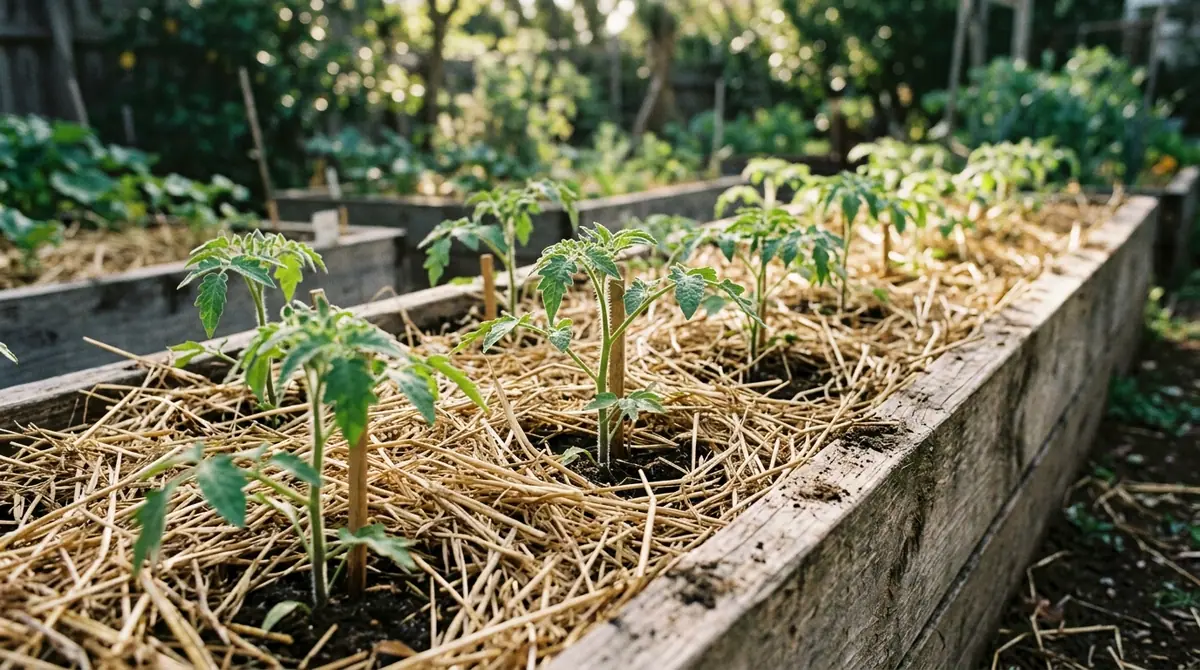
Planting forty prized heirloom tomato starts directly into cold Zone 7 soil on a crisp April morning can backfire when a freak late frost drops overnight temperatures down to 28°F (-2.2°C), turning vibrant green transplants into a sad, translucent mush. Tomatoes are unforgiving test subjects; they have a long botanical memory for early thermal stress. If you want a bountiful harvest without playing roulette with Mother Nature, timing your planting window in USDA Hardiness Zone 7 requires a careful look at your local frost dates, soil science, and root physiology.
1. Botanical Overview & Natural Habitat

When we cultivate tomatoes as annuals in USDA Hardiness Zone 7—which experiences average annual minimum winter temperatures between 0°F and 10°F (-17.8°C to -12.2°C)—we are trying to trick a tropical perennial into completing its entire reproductive cycle within a compressed frost-free window. Zone 7 gives gardeners roughly 180 to 200 frost-free growing days, typically spanning from mid-to-late April through late October. Because our spring soil temperatures fluctuate wildly, understanding the exact botanical triggers for growth is essential.
If you are expanding your edible landscape or planning companion plantings, you can draw similar root-depth and substrate management principles from what you might apply when managing How Deep Do Pepper Plant Roots Go? Pot Size & Substrate Depth Guide. Just like nightshade peppers, tomatoes rely on vigorous, deep root systems to anchor heavy fruit loads and mine nutrients from the earth.
2. Essential Environmental & Care Requirements
To successfully grow tomatoes in Zone 7, you must master the delicate balance between atmospheric warmth, soil temperature, and moisture dynamics. Tomatoes are classic warm-season crops that stall out completely when conditions turn cool or soggy.
- Soil Temperature: Seeds require a soil temperature of 70°F to 85°F (21°C to 29°C) to germinate effectively. For transplanting outdoors, the soil must consistently reach a minimum of 60°F (15.5°C) at a depth of 4 inches (10 cm). Planting in cold soil causes phosphorus lockout, turning leaves a deep, stress-induced purple and stalling root development.
- Air Temperature and Sunlight: Tomatoes thrive in daytime air temperatures between 70°F and 85°F (21°C to 29°C). Pollination drops significantly when nighttime temperatures consistently exceed 75°F (24°C) or drop below 55°F (13°C), causing blossom drop. They demand a minimum of 6 to 8 hours of direct, unfiltered sunlight daily.
- Water Management: Consistent moisture is critical. Fluctuations between drought and heavy watering cause structural weakness in the fruit walls, leading directly to blossom end rot (a calcium-uptake failure) and fruit splitting. Provide roughly 1 to 2 inches (2.5 to 5 cm) of water per week, delivered directly to the base via drip irrigation to keep foliage dry and prevent fungal spores from splashing upward.
| Parameter | Optimal Condition | Common Mistake | Why It Matters |
|---|---|---|---|
| Soil Temperature | 60°F – 70°F (15.5°C – 21°C) at 4-inch depth | Planting too early when soil feels "warm enough" | Cold soil restricts phosphorus uptake and causes root rot. |
| Sunlight Exposure | 6–8+ hours of direct sun daily | Placing plants in partial shade or near dense canopies | Low light reduces photosynthetic yield and delays fruit ripening. |
| Soil pH | 6.2 to 6.8 slightly acidic | Ignoring soil tests in heavy clay soils | Extreme pH locks out essential micronutrients like calcium. |
| Spacing | 24 to 36 inches (60 to 90 cm) apart | Crowding plants to maximize garden space | Poor airflow encourages devastating fungal pathogens like blight. |
💡 Pro-Tip: In Zone 7, lay black plastic mulch or dark landscape fabric over your tomato beds two weeks before you plan to transplant. This traps solar radiation, rapidly warming the cold spring soil to that crucial 60°F (15.5°C) threshold and allowing you to plant safely a week ahead of schedule.
3. Step-by-Step Cultivation, Feeding & Propagation
Getting the timing right in Zone 7 means starting seeds indoors 6 to 8 weeks before your local average last spring frost date—typically falling between mid-April and early May depending on whether you are in 7a or 7b. For trusted regional schedules, cross-reference your local data with the Virginia Cooperative Extension or your specific state's agricultural extension office.
Follow this rigorous, step-by-step planting protocol to establish your tomatoes outdoors:
- Harden Off Your Seedlings: Begin the transition process 10 to 14 days before your target outdoor planting date. Move indoor seedlings outdoors to a sheltered, shady spot for 1 hour on the first day, slowly increasing exposure to direct sunlight and wind over two weeks to build sturdy cuticle layers.
- Prepare the Planting Trench: Dig a trench or deep hole roughly 6 to 8 inches (15 to 20 cm) deep. Mix a generous handful of organic compost and bone meal into the bottom of the trench to provide a slow-release source of phosphorus and calcium.
- Strip Lower Foliage: Gently pinch off the lower two-thirds of leaves from your tomato transplant, leaving only a small tuft of green foliage at the very top of the stem.
- Plant Deeply or Horizontally: Place the leggy seedling into the trench either completely vertically (buried up to its top leaves) or lay it horizontally in the trench with the root ball facing south and the top growth gently bent upward. Tomatoes possess adventitious hairs along their stems that will instantly transform into a massive, anchoring root system wherever they touch the soil.
- Water and Mulch Immediately: Fill the soil back in, tamp gently to eliminate air pockets, and water deeply with 1 gallon (3.8 liters) of water per plant. Apply a 3-inch (7.5 cm) layer of clean straw or shredded bark mulch around the base to suppress weed germination and block soil-borne fungal splashback.
⚠️ Important Caution: Never handle or prune your tomato plants when the foliage is wet from dew, rain, or overhead watering. Handling damp leaves readily spreads tobacco mosaic virus, early blight, and bacterial spot across your entire crop.
As your tomatoes grow, managing their vertical architecture is just as important as the initial planting depth. If you enjoy managing structural plant forms in other areas of your landscape, you might appreciate the rigorous training techniques detailed in guides like The Complete Guide to Coleus Plants: 50+ Varieties, Care, Propagation & Landscaping, where precise pinch-and-prune methods dictate plant vigor.
4. Common Problems, Pests & Troubleshooting
Zone 7 summers bring high humidity, fluctuating spring rains, and a host of opportunistic pests. Diagnosing problems early is the difference between a bumper harvest and total crop failure.
- Early Blight (Alternaria solani) and Septoria Leaf Spot: These fungal pathogens appear as dark brown spots with concentric rings or tiny circular spots with grey centers on the lower leaves. As the disease climbs upward, it defoliates the plant, exposing fruit to sunscald. Solution: Prune off lower leaves as the plant grows, ensure a 3-foot (90 cm) spacing between plants, and apply a preventative copper-based fungicide every 7 to 10 days during prolonged wet spells.
- Blossom-End Rot: A sunken, leathery black patch forms on the bottom (blossom end) of developing fruit. This is rarely a lack of calcium in the soil, but rather erratic watering that halts the plant's ability to transpire and transport calcium up to the fruit tissue. Solution: Maintain consistent, even soil moisture using automated drip lines and heavy mulch.
- Tomato Hornworms (Manduca quinquemaculata): These massive, 4-inch (10 cm) green caterpillars can strip a mature tomato plant of its foliage and fruit overnight. Look for their dark, barrel-shaped droppings on the leaves. Solution: Handpick them off at dusk using a UV flashlight (they glow fluorescent green under blacklight), or apply Bacillus thuringiensis (Bt) to young larvae.

5. Frequently Asked Questions
What is the exact date to plant tomatoes in Zone 7?
There is no single calendar date because Zone 7 spans a vast geographic area. The foolproof botanical rule is to plant outdoors 2 weeks after your average last spring frost date, once your soil temperature consistently reads 60°F (15.5°C) at a 4-inch (10 cm) depth. For most of Zone 7 (such as parts of Virginia, Maryland, and the Carolinas), this window lands between April 15th and May 10th.
Can I plant tomatoes in Zone 7 in March?
Planting unprotected tomatoes outdoors in March in Zone 7 is a gamble that usually fails. While daytime temperatures can occasionally spike into the 70s (°F), overnight lows routinely drop well below the critical 50°F (10°C) threshold, causing plants to become permanently stunted or killed by sudden late-season freezes. If you want to plant in March, you must use heavy low tunnels, row covers, or unheated cold frames.
How do I know if my soil is warm enough for tomatoes?
Do not guess based on the ambient air temperature. Buy a digital soil thermometer, insert the probe 4 inches (10 cm) deep into the garden bed in the morning, and check the reading over 3 consecutive days. If it reads 60°F (15.5°C) or higher, your soil biology is active enough to support healthy tomato root growth.
What happens if I plant my tomatoes too deep?
Planting tomatoes deep is actually encouraged! Unlike most plants that suffocate if buried past their root ball, tomato stems are covered in microscopic glandular hairs that develop adventitious roots when placed underground. Burying up to two-thirds of the stem creates an expansive, deep root network that makes the plant significantly more resilient against mid-summer droughts.
Related Guides
- When to Start Tomatoes Indoors Zone 6
- When to Plant Tomatoes Zone 7b
- When to Plant Tomatoes Zone 6b
- When to Plant Tomatoes Zone 6
- When to Plant Tomatoes in Zone 7b
- When to Plant Tomatoes in Zone 6b
- When to Plant Tomatoes in Zone 5
📋 Table of Contents ▼ Click to expand
Tags:
Keep reading
🌿 Related Plants You Might Like




PlantSavvyWorld
Editorial team
PlantSavvyWorld is an independent botanical education project. Articles are drafted with AI assistance, then edited and checked against university extension services, botanical garden collections and other published horticultural sources.