

When to Plant Tomatoes in Zone 5
Written with AI assistance, edited and checked against horticultural sources.
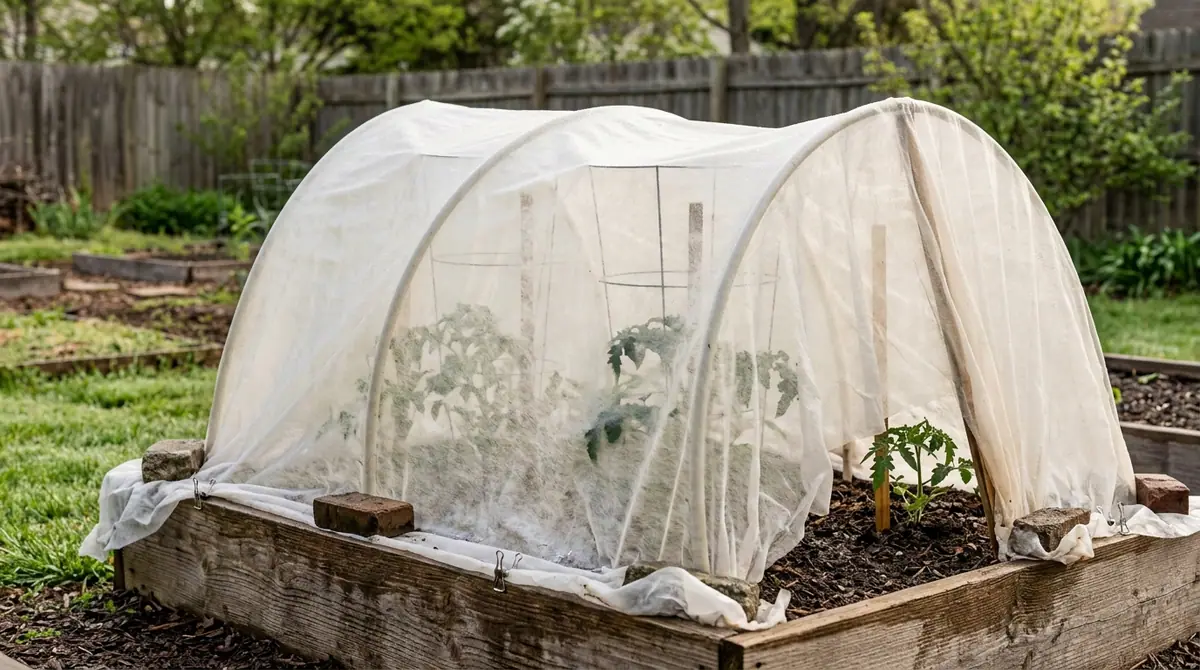
The morning of May 28th, 2018, stands out sharply in my memory. A sudden, unseasonal radiation frost hit my experimental trial plots in USDA Hardiness Zone 5b, plunging the pre-dawn air down to 31°F (-0.5°C) just as my tender early tomato transplants were settling into their freshly amended soil. I lost a dozen gorgeous heirloom 'Brandywine' starts to stem-collapse simply because I trusted a calendar date rather than the soil thermometer and the behavior of the nocturnal canopy layer. Since then, I never plant tomatoes in Zone 5 based on hope alone. Zone 5 presents a rigorous gardening challenge defined by a compressed frost-free window, typically stretching from mid-May through late September, giving us roughly 120 to 150 frost-free growing days. Understanding the exact climatic boundaries and physiological needs of Solanum lycopersicum is the single most important factor between harvesting a bumper crop of sweet, sun-warmed fruit or watching your plants stall out in cold, heavy earth.
1. Botanical Overview & Natural Habitat

In their native environment, these plants evolved to thrive under intense UV light, deep well-draining volcanic soils, and consistent moderate temperatures without the severe thermal shocks common to the American Midwest and Northeast. The wild ancestors of our cultivated tomatoes produced small, highly acidic fruits designed to be consumed by birds and mammals for seed dispersal. Over centuries of selective breeding, horticulturists have maximized fruit size, sugar content, and pericarp thickness, but the fundamental physiological triggers governing root development, photosynthesis, and fruit set remain closely tied to their subtropical evolutionary origins.
Understanding this evolutionary baseline helps explain why standard Zone 5 springs—characterized by cold ambient air, damp soils, and fluctuating day-night temperatures—are inherently stressful for young tomato starts. When soil temperatures remain stubbornly below 60°F (15.5°C), the root cells of Solanum lycopersicum experience metabolic stasis. Phosphorus uptake virtually ceases, leading to the classic purple-tinted foliage that panics so many home gardeners. Furthermore, high humidity paired with cool night air creates an ideal breeding ground for fungal pathogens like early blight (Alternaria solani) and Septoria leaf spot, both of which can devastate an unshielded crop long before mid-summer arrives.
For gardeners looking to balance their edible landscape with ornamental tropical accents, similar attention to soil temperature and root health applies when managing specimens like the Lipstick Plant (Aeschynanthus Radicans) Complete Care & Bloom Guide, where preventing root chill is equally critical for sustained vitality.
2. Essential Environmental & Care Requirements
To successfully cultivate tomatoes in Zone 5, you must manipulate the microclimate to mimic the plant's ancestral preferences. The single most reliable metric for determining when to plant is not the calendar, but the soil thermometer.
| Parameter | Optimal Condition | Common Mistake | Why It Matters |
|---|---|---|---|
| Soil Temperature | 65°F to 75°F (18°C to 24°C) | Planting when soil is below 55°F (13°C) | Cold soil causes root stasis, nutrient lock-out (especially phosphorus), and permanent stunting. |
| Ambient Air Temp | 70°F to 85°F (21°C to 29°C) | Exposing young starts to winds below 50°F (10°C) | Temperatures below 55°F inhibit pollen viability and cause blossom drop. |
| Sunlight Exposure | Full sun, minimum 8 hours daily | Shading by fences, trees, or structures | Insufficient light reduces photosynthetic sugar production, yielding watery, flavorless fruit. |
| Soil pH & Texture | 6.2 to 6.8, loamy, rich in organic matter | Heavy clay soils that retain excess moisture | Proper drainage prevents root rot (Phytophthora) and encourages deep root penetration. |
Water management is another crucial pillar of successful tomato cultivation in Zone 5, where summer thunderstorms can alternate with sudden dry spells. Tomatoes require roughly 1 to 2 inches (2.5 to 5 cm) of water per week, delivered consistently at the soil level rather than overhead. Splashing soil onto the lower leaves is the primary vector for fungal spores, making drip irrigation or soaker hoses essential tools for the serious grower.
💡 Pro-Tip: Do not rely on air temperature readings to time your planting. Buy a simple digital soil probe thermometer, plunge it 4 inches (10 cm) into your garden bed at 9:00 AM, and wait until it reads a stable 60°F (15.5°C) or higher for three consecutive mornings before putting your tomatoes in the ground.
3. Step-by-Step Cultivation, Feeding & Propagation
Achieving a high-yielding harvest in Zone 5 requires a deliberate, multi-stage cultivation protocol that bridges indoor starting with outdoor hardening and deep-soil planting.
- Sow Seeds Indoors: Start your tomato seeds indoors 6 to 8 weeks before your historical average last spring frost date (typically late March to early April for Zone 5). Maintain a germination temperature of 75°F to 80°F (24°C to 27°C) using a heating mat, and provide 14 to 16 hours of daily light once cotyledons emerge.
- Pot Up and Fertilize: When the first set of true leaves develops, pot up your seedlings into deeper 4-inch (10 cm) containers using a sterile, lightweight potting mix. Feed them weekly with a half-strength, balanced organic liquid fertilizer to encourage robust stem thickness. Just as managing underground architecture is vital for other heavy producers—comparable to understanding How Deep Do Pepper Plant Roots Go? Pot Size & Substrate Depth Guide—giving tomato roots vertical room prevents premature root-bound stress.
- Initiate Hardening Off: Exactly 10 to 14 days before your planned outdoor planting date, begin the hardening-off process. Expose your seedlings to outdoor conditions gradually: start with 1 hour of filtered shade on day one, slowly increasing direct sunlight and wind exposure over two weeks until they can withstand a full 24 hours outdoors.
- Prepare the Planting Trench: Dig planting trenches or deep holes spaced 24 to 36 inches (60 to 90 cm) apart. Amend the native soil generously with aged compost and a handful of organic bone meal or slow-release granular fertilizer to supply early phosphorus for root development.
- Trench and Bury Deeply: Strip away the lower two-thirds of leaves from your tomato transplant. Lay the plant horizontally in a trench angled toward the south, or plant it vertically up to its top set of leaves, burying 6 to 8 inches (15 to 20 cm) of the main stem. This prompts the buried stem to sprout adventitious roots, transforming a leggy start into an anchor-heavy powerhouse.
- Install Support Structures: Immediately install heavy-duty stakes, Florida weave trellises, or expansive cattle-panel cages over the young plants. Waiting until the plants are large makes installation difficult and risks severing the newly established root system.
- Mulch and Water In: Apply a 3-inch (7.5 cm) layer of clean straw, shredded bark, or untreated grass clippings around the base of each plant to suppress weeds and prevent soil-borne pathogens from splashing onto the foliage. Water thoroughly with 1 gallon (3.8 liters) of tepid water per plant to settle the soil around the roots.
For gardeners expanding their edible portfolio into cooler seasons, similar chronological precision is required when managing crops like When to Transplant Cucumber Seedlings: Stop Root Shock & Boost Growth or timing root vegetables according to regional charts like When to Plant Onions in Southern California (Zone 9 & 10 Planting Calendar).
4. Common Problems, Pests & Troubleshooting
Even with immaculate timing, Zone 5 gardeners will inevitably encounter environmental and biological hurdles. Recognizing the early warning signs of distress allows for rapid, non-destructive intervention.
Blossom-end rot is perhaps the most frequent frustration, manifesting as an unsightly, sunken black leathery patch on the bottom of developing fruits. This is rarely a lack of calcium in the soil; rather, it is almost always caused by erratic soil moisture fluctuations that disrupt calcium uptake by the root hairs. Maintain consistent moisture levels through disciplined watering schedules and thick organic mulching.
Fungal diseases, particularly early blight and Septoria leaf spot, thrive in the humid, damp conditions of mid-summer Zone 5 weather. Preventative spacing is your best defense: prune away all lower leaves hanging within 12 inches (30 cm) of the soil line once the plant reaches 3 feet (1 meter) in height. For comprehensive, research-backed management strategies on regional plant pathologies, consult the University of Minnesota Extension Yard and Garden guide.
Pests such as tomato hornworms (Manduca quinquemaculata) can defoliate an entire plant overnight. Hand-picking these massive green caterpillars at dusk or dawn—or utilizing beneficial predatory insects and parasitoid wasps—provides effective control without chemical intervention. If weather patterns turn unexpectedly cold and wet for extended periods, monitor plants for physiological leaf roll, a harmless defensive response to excess soil water.
⚠️ Important Caution: Never apply high-nitrogen synthetic fertilizers once your tomato plants begin setting flowers. Excess nitrogen triggers explosive vegetative green growth at the absolute expense of blossoms and fruit, leaving you with massive, lush vines that produce zero tomatoes.

5. Frequently Asked Questions
What is the exact calendar window to plant tomatoes outdoors in Zone 5?
In USDA Zone 5, the safe outdoor planting window typically opens between May 20th and June 5th, immediately after all danger of a killing spring frost has passed and soil temperatures have stabilized above 60°F (15.5°C). Planting earlier than mid-May risks irreversible cold stasis and frost damage unless active frost protection (such as low tunnels or floating row covers) is deployed.
Can I plant my tomatoes deeper than they grew in their pots?
Yes, absolutely. Unlike many woody perennials, tomatoes possess the unique botanical ability to develop roots all along their stems. Burying the lower 6 to 8 inches (15 to 20 cm) of the stem encourages a massive secondary root system to form, resulting in superior drought resistance, enhanced nutrient uptake, and a vastly sturdier plant architecture.
What should I do if a late spring frost is predicted after my tomatoes are already in the ground?
Act quickly by covering your plants before sunset to trap radiant ground heat. Use inverted buckets, frost cloth, or burlap tents staked securely to the ground, ensuring the fabric does not directly touch the leaves. For added insurance, place jugs of warm water under the covers to maintain a microclimate buffer through the freezing night hours.
How do I know if my soil is warm enough for tomatoes?
Do not guess based on air temperature or how the dirt feels to your hands. Purchase a digital soil thermometer, push the metal probe 4 inches (10 cm) deep into your garden bed, and check it in the morning. When the reading consistently hits 60°F (15.5°C) to 65°F (18°C) for three consecutive days, your soil is biologically ready to support active root growth in tomatoes. For further reading on botanical acclimatization schedules in similar northern climates, review the Royal Horticultural Society growing advice.
Related Guides
- When to Start Tomatoes Indoors Zone 6
- When to Plant Tomatoes Zone 7b
- When to Plant Tomatoes Zone 7
- When to Plant Tomatoes Zone 6b
- When to Plant Tomatoes Zone 6
📋 Table of Contents ▼ Click to expand
Tags:
Keep reading
🌿 Related Plants You Might Like





PlantSavvyWorld
Editorial team
PlantSavvyWorld is an independent botanical education project. Articles are drafted with AI assistance, then edited and checked against university extension services, botanical garden collections and other published horticultural sources.