

When to Plant Tomatoes Zone 7b
Written with AI assistance, edited and checked against horticultural sources.
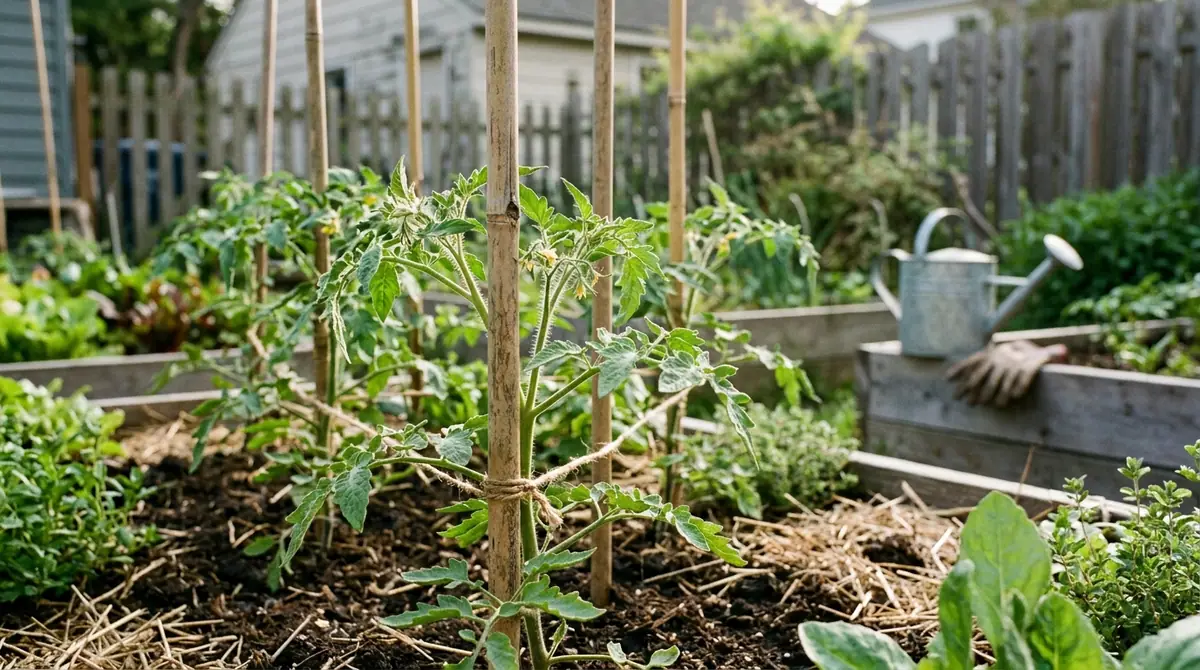
Planting 'Brandywine' tomato seedlings when a soil temperature reads a deceptive 54°F (12°C) at a four-inch depth and the air is crisp at 38°F (3°C) will stunt their root systems permanently, locking up phosphorus uptake and leaving them vulnerable to early-season blight. Getting the timing right in Zone 7b—where average last frost dates span from April 1 to April 15—is an absolute balancing act between eagerness and botanical science. Horticultural practice has spent decades analyzing microclimates, soil thermodynamics, and solanaceous physiology to crack the exact window for this region. Reviewing the science of when and how to plant tomatoes in Zone 7b guarantees a heavy, disease-free harvest.
1. Botanical Overview & Natural Habitat

Understanding this evolutionary background dictates how we treat them in our landscapes. Tomatoes possess an extensive root architecture. If you are curious about how root systems behave across related solanaceous crops, you can reference this detailed breakdown on How Deep Do Pepper Plant Roots Go? Pot Size & Substrate Depth Guide. In optimal conditions, tomato roots can plunge down 3 to 4 feet (90 to 120 cm) into the earth if the soil is loose and aerated.
Their reproductive biology is equally specialized. Tomatoes feature perfect flowers containing both male and female organs, requiring wind or vibrational pollination (buzz pollination by bumblebees) to release pollen from the anther cone onto the stigma. When night temperatures consistently dip below 55°F (13°C) or climb above 75°F (24°C) at night, pollen viability plummets, leading to blossom drop. In Zone 7b, spring transitions bridge these temperature gaps rapidly, making precise planting windows crucial for setting the first cluster of fruit before summer heat waves set in.
2. Essential Environmental & Care Requirements
To thrive, Solanum lycopersicum demands strict environmental parameters. In Zone 7b, matching these requirements dictates whether your plants yield fifty pounds of fruit or succumb to physiological disorders.
| Parameter | Optimal Condition | Common Mistake | Why It Matters |
|---|---|---|---|
| Soil Temperature | 60°F to 70°F (15°C to 21°C) | Planting when air feels warm but soil is cold (<55°F / 13°C) | Cold soil halts phosphorus uptake, causing purple stem discoloration and stunted growth. |
| Soil pH | 6.2 to 6.8 | Ignoring pH, letting soil drop below 5.5 | Acidic soils lock up micronutrients like calcium, triggering blossom end rot. |
| Sunlight | 6 to 8+ hours of direct daily sun | Planting in partial shade under tree canopies | Low light reduces photosynthetic output, resulting in weak stems and tasteless, watery fruit. |
| Moisture | 1 to 2 inches (2.5 to 5 cm) of water weekly, deeply | Frequent, shallow surface watering | Shallow watering encourages surface root development, making plants prone to drought stress and cracking. |
Air circulation is another non-negotiable metric. Zone 7b summers bring high humidity, particularly in the mid-Atlantic and interior southern transition zones. Planting tomatoes too closely traps ambient moisture on the foliage, inviting fungal pathogens like Alternaria solani (early blight) and Septoria lycopersici. Space indeterminate varieties at least 36 inches (90 cm) apart in rows spaced 4 feet (1.2 m) apart to ensure adequate airflow. If you are balancing your garden layout with other seasonal crops, timing matters just as much elsewhere; for instance, when transitioning leafy vegetables or companion plants, proper spacing prevents microclimate humidity traps.
💡 Pro-Tip: Do not rely on air temperature alone to time your Zone 7b planting. Buy a digital soil thermometer, sink it 4 inches (10 cm) deep into your garden bed at 9:00 AM, and wait until it reads a stable 60°F (15°C) for three consecutive mornings before setting out your hardened-off starts.
3. Step-by-Step Cultivation, Feeding & Propagation
Achieving a bumper crop in Zone 7b relies on a methodical planting sequence. Follow this strict protocol to transition your seedlings from indoor lights or nursery pots directly into the garden landscape.
- Harden Off the Seedlings (7 to 10 Days Prior): Begin exposing indoor-grown or nursery tomato starts to outdoor conditions gradually. Place them in a sheltered, shady spot for 1 hour on day one, slowly increasing direct sunlight and wind exposure over 10 days until they can withstand a full day outside without wilting.
- Amend and Prepare the Soil: Clear the bed of debris and incorporate 2 to 3 inches (5 to 7.5 cm) of aged, well-composted organic matter and a balanced organic slow-release fertilizer into the top 8 inches (20 cm) of soil. Ensure the pH sits comfortably between 6.2 and 6.8 by adding agricultural lime if the soil is too acidic.
- Trench or Deep Plant: Remove the lower sets of leaves from your tomato seedling, leaving only the top tuft of foliage. Dig a trench 4 to 6 inches (10 to 15 cm) deep (or a vertical hole up to two-thirds the plant's height) and lay the plant horizontally or vertically. Burying the stem stimulates adventitious roots to form along the buried stalk, building a massive, drought-resilient root system.
- Install Support Structures Immediately: Place stakes, cages, or heavy-duty Florida weave trellises into the ground at planting time. Installing supports later drives stakes straight through developing root systems and disrupts established feeder roots.
- Apply Mulch and Initial Water: Apply a 2 to 3-inch (5 to 7.5 cm) layer of clean wheat straw, shredded leaves, or untreated wood chips around the base of the plant to prevent soil-borne fungal spores from splashing onto lower leaves during rain or irrigation. Water deeply right after planting to settle the soil around the root zone, delivering roughly 1 inch (2.5 cm) of water.
For authoritative guidelines on vegetable fertility and regional frost maps in this hardiness zone, consult the NC State Extension Service or the USDA Plant Hardiness Zone Map. When your garden transitions into different seasons or you find yourself managing other delicate starts, managing root shock is always priority number one; for similar handling techniques, look at our guide on When to Transplant Cucumber Seedlings: Stop Root Shock & Boost Growth.
4. Common Problems, Pests & Troubleshooting
Even with perfect timing, Zone 7b gardeners face a suite of environmental and biological hurdles. Recognizing symptoms early separates a thriving harvest from total crop failure.
- Blossom End Rot (BER): Appears as a sunken, leathery, dark black patch on the distal end of the fruit. This is not a pathogen, but a calcium deficiency caused by erratic soil moisture fluctuations. When soil dries out completely and is then heavily flooded, the plant cannot translocate calcium effectively to the developing fruit cells. Maintain steady, consistent moisture levels and avoid heavy, uneven fertilization with high-nitrogen synthetic inputs.
- Early Blight (Alternaria solani): Manifests as dark brown spots with concentric rings ("bullseye" patterns) on the oldest, lowest leaves, eventually causing yellowing and defoliation. High humidity and splashing rain drive this fungal infection. Prune away the lowest 12 inches (30 cm) of foliage as the plant grows, ensure strict mulching, and apply a copper-based bio-fungicide preventatively during extended rainy spells.
- Tomato Hornworms (Manduca quinquemaculata): Massive green caterpillars with white V-shaped markings and a distinct horn on their rear end. They can strip a mature tomato vine of its leaves and fruit in less than 48 hours. Handpick them in the evening using a UV flashlight (they glow a neon green color under blacklight) or apply Bacillus thuringiensis (Bt) to young larvae. If you spot white, rice-like cocoons on a hornworm's back, leave it alone—those are parasitic braconid wasp larvae that will hatch and decimate the pest population naturally.
⚠️ Important Caution: Never handle tomato plants when the foliage is wet from morning dew, irrigation, or rain. Handling damp plants easily spreads mechanical mosaic viruses and fungal spores from plant to plant down the entire garden row.

5. Frequently Asked Questions
When is the exact window to plant tomatoes outdoors in Zone 7b?
In Zone 7b, the safest window to plant tomatoes outdoors is between April 10 and May 1, after all danger of heavy frost has passed and soil temperatures at a 4-inch depth have consistently reached 60°F (15°C). If you live in an urban microclimate like an Atlanta or Charlotte heat island, you can often push planting to late March by utilizing thermal row covers.
Can I plant tomatoes in Zone 7b in August for a fall harvest?
Yes. Zone 7b features a long growing season that easily accommodates a split crop. Start seeds indoors in June, and transplant your second crop into the garden by late July or early August. This allows the plants to mature and set fruit as late-summer temperatures moderate, providing a fresh harvest right up until the first hard autumn freeze in November.
How do I protect my young tomato plants if a late spring frost hits Zone 7b?
If a surprise freeze warning hits after your tomatoes are already in the ground, cover each plant with a heavy frost cloth, burlap, or inverted five-gallon buckets before sunset. Ensure the covers drape all the way to the soil to trap ground heat, and anchor the edges with bricks or stones. Remove the covers by 10:00 AM the following morning to prevent solar heat buildup underneath.
Why are my Zone 7b tomato flowers falling off without setting fruit?
Blossom drop in Zone 7b is almost always triggered by temperature stress. When daytime temperatures spike above 90°F (32°C) or nighttime temperatures drop below 55°F (13°C), pollen becomes sterile or fails to release from the anther. High humidity or a lack of wind and pollinator activity in enclosed raised beds can also prevent successful fertilization.
Related Guides
- When to Start Tomatoes Indoors Zone 6
- When to Plant Tomatoes Zone 7
- When to Plant Tomatoes Zone 6b
- When to Plant Tomatoes Zone 6
- When to Plant Tomatoes in Zone 7b
- When to Plant Tomatoes in Zone 6b
- When to Plant Tomatoes in Zone 5
📋 Table of Contents ▼ Click to expand
Tags:
Keep reading
🌿 Related Plants You Might Like




PlantSavvyWorld
Editorial team
PlantSavvyWorld is an independent botanical education project. Articles are drafted with AI assistance, then edited and checked against university extension services, botanical garden collections and other published horticultural sources.