

When to Plant Tomatoes in Zone 6b
Written with AI assistance, edited and checked against horticultural sources.
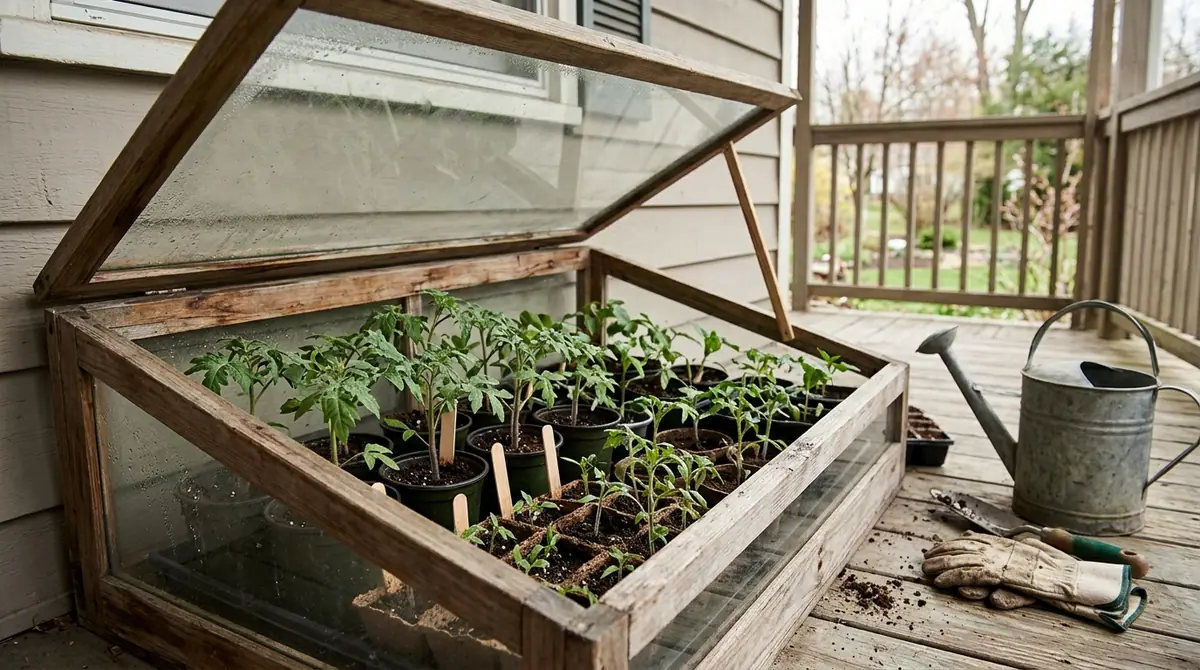
I stood in trial gardens three springs ago, holding a flats-grown 'Brandywine' tomato in one hand and a kitchen thermometer in the other, watching a late April frost warning blink on my phone while the morning air sat stubbornly at 38°F (3.3°C). That was the year I learned the hard way that Zone 6b's calendar is a fickle negotiation between warming daylight and stubborn overnight chill.

1. Botanical Overview & Natural Habitat
Tomatoes (Solanum lycopersicum) are native to the high-altitude Andean foothills of western South America, spanning parts of Ecuador, Peru, and northern Chile. In their ancestral home, they evolved as perennial woody vines scrambling across rocky, well-drained slopes under intense equatorial sun, mild daytime temperatures, and steady air circulation. Because they evolved in frost-free tropical highlands, they lack any genetic adaptation to endure freezing temperatures.
Botanically, the cultivated tomato belongs to the nightshade family (Solanaceae). While we treat them as annual garden vegetables, they are biologically tender perennials that die instantly when ice crystals form within their vascular tissues.
Understanding this tropical highland heritage explains why simply tracking the calendar is not enough. In USDA Hardiness Zone 6b—where average annual extreme minimum temperatures drop between -5°F and 0°F (-20.6°C to -17.8°C)—our growing season is dictated entirely by our transition from winter frost to summer warmth.
When planning your garden layout, remember that tomatoes require substantial space and support, much like managing the vertical root-run dynamics you might consider when studying How Deep Do Pepper Plant Roots Go? Pot Size & Substrate Depth Guide.
The typical frost-free growing window in Zone 6b runs from late April or early May through mid-to-late October, providing roughly 150 to 180 frost-free days. To maximize this window, we must start seeds indoors 6 to 8 weeks before our final spring frost date, targeting a transplant window when soil temperatures consistently sit above 60°F (15.6°C).
2. Essential Environmental & Care Requirements
Tomatoes demand a strict set of environmental parameters to thrive. If you miss their thresholds for heat, light, or drainage, fruit set drops and susceptibility to fungal pathogens skyrockets.
| Parameter | Optimal Condition | Common Mistake | Why It Matters |
|---|---|---|---|
| Soil Temperature | 60°F to 75°F (15.6°C to 23.9°C) | Planting when soil feels cold to the touch | Cold soil halts phosphorus uptake, causing stunted purple foliage and root rot. |
| Air Temperature | 70°F–85°F (21.1°C–29.4°C) daytime | Transplanting before night lows exceed 55°F (12.8°C) | Temperatures below 55°F or above 90°F prevent pollen viability, causing blossom drop. |
| Sunlight | 8+ hours of direct, unobstructed sun | Siting in partial shade beneath tree canopies | Insufficient light reduces photosynthesis, lowering sugar content in fruit and inviting mildew. |
| Soil pH & Texture | 6.2 to 6.8, loamy, rich in organic matter | Heavy clay holding stagnant water | Proper pH unlocks micronutrients; loamy structure allows deep oxygen penetration. |
| Watering Depth | 1 to 2 inches (2.5 to 5 cm) weekly | Frequent, shallow surface sprinkling | Deep watering trains roots to anchor deeply, resisting mid-summer drought stress. |
For comprehensive guidelines on regional frost dates and localized microclimates, consult the USDA Plant Hardiness Zone Map. When designing mixed edible landscapes in Zone 6b, you can also cross-reference perennial schedules such as those found in When to Plant Strawberries in Kansas: Zone 6a/6b Seasonal Calendar to ensure your garden beds are utilized efficiently from spring through fall.
3. Step-by-Step Cultivation, Feeding & Propagation
Getting your timing right in Zone 6b requires a disciplined sequence. Follow this step-by-step protocol to transition your tomatoes from indoor starts to resilient garden producers.
- Calculate Indoor Sowing Dates: Count backward 6 to 8 weeks from your local average last spring frost date (typically falling between April 15 and May 1 in Zone 6b). Sow seeds ¼ inch (0.6 cm) deep in sterile seed-starting mix.
- Harden Off Seedlings: Beginning 10 to 14 days before your planned transplant date, move seedlings outdoors to a sheltered, shady spot for 1 hour, gradually increasing exposure to sun and wind over two weeks.
- Monitor Soil Temperature: Verify that your garden soil has maintained a consistent temperature of 60°F (15.6°C) at a depth of 4 inches (10 cm) for at least three consecutive days.
- Prepare the Planting Trench: Dig a trench or deep hole. Amend the native soil with compost and a balanced organic slow-release fertilizer.
- Strip Lower Foliage and Plant Deeply: Remove the lower sets of leaves from your tomato transplant. Bury the plant horizontally or vertically up to two-thirds of its stem depth, placing it 24 to 36 inches (60 to 90 cm) away from neighboring plants. Adventitious roots will sprout all along the buried stem, building a massive root system.
- Install Support Immediately: Insert stakes, cages, or trellis systems at the time of planting to prevent damaging tender root systems later in the season.
- Apply Mulch and Initial Watering: Apply a 3-inch (7.6 cm) layer of clean straw or shredded bark mulch around the base to suppress weeds and prevent soil-borne pathogens from splashing onto lower leaves. Water thoroughly with 1 to 2 gallons (3.8 to 7.6 liters) per plant to settle the soil.
💡 Pro-Tip: If an unexpected late freeze threatens your newly transplanted tomatoes in early May, invert a heavy-gauge 5-gallon (19-liter) plastic bucket over each plant at dusk, weighting it down with a brick. Remove the buckets by 9:00 AM the following morning to prevent interior greenhouse overheating.
If you are managing multiple succession crops in your vegetable plots, you may also find it helpful to review proper handling techniques similar to When to Transplant Cucumber Seedlings: Stop Root Shock & Boost Growth to protect your tender vegetable starts from environmental shock.
4. Common Problems, Pests & Troubleshooting
Even with perfect timing, Zone 6b gardeners face distinct physiological and pathological hurdles.
- Blossom End Rot: Appearing as sunken, leathery black patches on the bottom of ripening fruit, this is caused by a calcium deficiency in the developing fruit cell walls. While calcium is often present in Zone 6b soils, erratic watering prevents the plant from transporting the mineral effectively. Maintain consistent soil moisture through drip irrigation or soaker hoses.
- Early Blight (Alternaria solani): Characterized by concentric brown rings on lower leaves that gradually yellow and drop off, early blight thrives in warm, humid Zone 6b summers. Prevent it by spacing plants at least 3 feet (90 cm) apart for maximum airflow, pruning lower leaves up to 18 inches (45 cm) from the soil line, and watering strictly at the base.
- Tomato Hornworms (Manduca quinquemaculata): These massive, green caterpillars can strip a tomato plant of its foliage and green fruit overnight. Hand-picking is effective for small gardens; look for their dark green frass (droppings) on leaves as an early warning sign.
- Catfacing: Puckered, scarred, or distorted fruit at the blossom end occurs when pollination happens during unseasonably cold nighttime temperatures below 55°F (12.8°C). Avoid planting too early in spring to bypass this aesthetic flaw.
⚠️ Important Caution: Never use synthetic weed killers or lawn fertilizers containing persistent broadleaf herbicides anywhere near your tomato patch. Tomato plants are hyper-sensitive to drift compounds, which will cause leaves to curl downward, twist into fern-like shapes, and permanently halt fruit production.

5. Frequently Asked Questions
What is the exact last frost date for planting tomatoes in Zone 6b?
In Zone 6b, the average last spring frost date typically occurs between April 15 and May 1. However, calendar dates are secondary to soil and air temperatures. Do not plant your tomatoes outside until nighttime lows consistently stay above 55°F (12.8°C) and soil temperature reaches 60°F (15.6°C).
Can I plant tomatoes outdoors in Zone 6b in early April if I use wall-o-waters?
While water-filled protective teepees can protect plants against light frosts down to 20°F (-6.7°C), they do not warm the underlying soil. Planting in early April into cold, sub-60°F soil will stunt root development and invite root rot, leaving plants vulnerable for the rest of the season.
How do I protect my Zone 6b tomato plants from a sudden late spring frost?
Cover plants with frost cloth, burlap, or inverted buckets before sunset to trap ground heat. Remove the covers by mid-morning once ambient temperatures rise above freezing. Never use direct plastic sheeting over the foliage without a frame, as direct contact with freezing plastic will damage plant tissue.
Why are my tomato leaves turning purple after planting outside in May?
Purple coloration on tomato stems and underside leaves is typically a sign of phosphorus lockout caused by cold soil temperatures. When soil drops below 50°F (10°C), roots cannot absorb phosphorus efficiently. Once May weather warms up consistently, new growth will emerge green and normal.
Related Guides
- When to Start Tomatoes Indoors Zone 6
- When to Plant Tomatoes Zone 7b
- When to Plant Tomatoes Zone 7
- When to Plant Tomatoes Zone 6b
- When to Plant Tomatoes Zone 6
📋 Table of Contents ▼ Click to expand
Tags:
Keep reading
🌿 Related Plants You Might Like






PlantSavvyWorld
Editorial team
PlantSavvyWorld is an independent botanical education project. Articles are drafted with AI assistance, then edited and checked against university extension services, botanical garden collections and other published horticultural sources.