

When to Plant Tomatoes in Zone 7b
Written with AI assistance, edited and checked against horticultural sources.
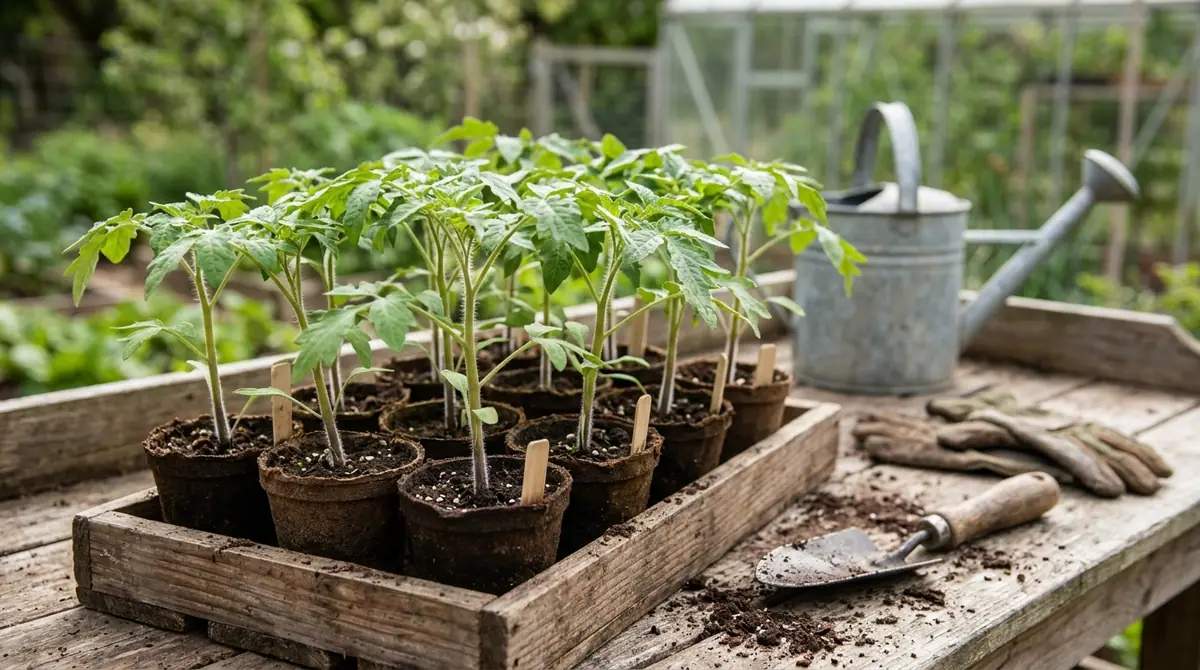
1. Botanical Overview & Natural Habitat

Botanically, tomatoes are tender perennial vines treated as annuals in temperate climates. Zone 7b—which encompasses regions experiencing average annual extreme minimum temperatures of 5°F to 10°F (-15°C to -12°C), including parts of the Mid-Atlantic, the Piedmont of North Carolina, central Oklahoma, and parts of the Pacific Northwest—presents a specific seasonal rhythm. Our outdoor growing window is bounded by winter frosts that kill vegetative tissue and scorching summer peaks that can stall pollination.
Understanding how tomatoes handle these seasonal shifts helps us time our plantings. Much like calculating root space for other nightshades, as detailed in our guide on How Deep Do Pepper Plant Roots Go? Pot Size & Substrate Depth Guide, tomato plants require precise below-ground management to support their massive above-ground biomass. In Zone 7b, our spring frost-free dates typically fall between April 10 and April 25, depending on your exact urban heat island or rural valley microclimate. However, planting on the exact frost-free date is a rookie error. Tomatoes will sit dormant, turn purple from phosphorus lockout, or succumb to root rots if placed into soil that is still recovering from winter chills.
2. Essential Environmental & Care Requirements
To thrive in Zone 7b, your tomatoes need a tailored environment that mimics their Andean origins while factoring in our regional humidity and summer pest pressures.
- Soil Temperature: This is your primary metric. Seeds germinate erratically below 60°F (15.5°C), and transplanted seedlings will experience severe metabolic shock if the soil at a 4-inch (10 cm) depth is below 60°F (15.5°C). The absolute sweet spot for root activation and nutrient uptake is 65°F to 75°F (18.3°C to 23.9°C).
- Sunlight: Full sun is non-negotiable. Tomatoes require a minimum of 8 to 10 hours of direct, unfiltered sunlight daily. Shady spots lead to lanky vines, weak stem structures, and a dramatic drop in fruit set.
- Soil Composition: Rich, loamy, highly organic soil with a pH between 6.2 and 6.8 is ideal. Heavy clay soils, common across many Zone 7b regions, must be amended generously with aged compost, well-rotted manure, or leaf mold to improve drainage and aeration.
- Moisture Management: Tomatoes demand consistent moisture—about 1 to 2 inches (2.5 to 5 cm) of water per week through rainfall or irrigation. Fluctuations between drought and flooding cause physiological disorders such as blossom end rot and fruit cracking.
| Parameter | Optimal Condition | Common Mistake | Why It Matters |
|---|---|---|---|
| Soil Temperature | 65°F – 75°F (18.3°C – 23.9°C) | Planting when air feels warm but soil is cold (under 55°F / 12.8°C) | Cold soil halts phosphorus uptake, causing stunted growth and purple leaves. |
| Soil pH | 6.2 – 6.8 | Planting in unamended acidic clay or alkaline chalk | Incorrect pH locks out essential micronutrients like calcium and magnesium. |
| Sun Exposure | 8–10 hours direct daily sun | Planting in partial shade under tree canopies | Reduces photosynthetic capacity, lowering sugar production in fruit. |
| Watering Depth | 8–12 inches (20–30 cm) per session | Frequent, shallow surface sprinkling | Encourages shallow root development instead of deep, drought-resilient root systems. |
💡 Pro-Tip: Do not rely on air temperatures to dictate your planting schedule in Zone 7b. Buy a digital soil thermometer with a 5-inch (13 cm) probe. Push it into your garden bed every morning for a week. The day your morning soil reading hits a steady 60°F (15.5°C) at 8:00 AM, you are officially cleared to plant your tomatoes outside.
3. Step-by-Step Cultivation, Feeding & Propagation
Getting tomatoes established in Zone 7b requires strategic timing. Start seeds indoors 6 to 8 weeks before your local average last frost date—typically falling in mid-to-late February for an early-to-mid-April transplant. When hardening off your seedlings in late March or early April, protect them from sudden spring squalls, mirroring the careful transition needed when learning When to Transplant Cucumber Seedlings: Stop Root Shock & Boost Growth.
Here is the exact step-by-step field protocol for planting tomatoes in Zone 7b:
- Site Selection and Preparation: Choose a bed that received a winter cover crop or a heavy layer of compost. Loosen the soil to a depth of 12 inches (30 cm) using a broadfork, avoiding turning the soil layers over, which disrupts beneficial fungal networks.
- Trenching and Pruning: Strip away all lower leaves from your tomato transplant, leaving only the top tuft of foliage. If your transplant is tall and leggy, do not bury it upright. Dig a horizontal trench 4 inches (10 cm) deep and lay the plant on its side, gently curving the top 3 inches (7.5 cm) upward toward the sky.
- Root Stimulation: Dust the exposed stem and root ball with mycorrhizal fungi inoculant to jump-start symbiotic root colonization. Fill the trench or planting hole with a 50/50 mix of native soil and rich, aged compost.
- Deep Watering and Mulching: Water the newly planted tomato thoroughly with 1 gallon (3.8 liters) of water infused with a low-nitrogen, high-phosphorus organic starter fertilizer (such as bone meal or liquid kelp). Once the water drains, apply a 3-inch (7.5 cm) layer of shredded hardwood bark or straw mulch around the base, keeping it 2 inches (5 cm) away from the main stem to prevent collar rot.
- Immediate Support Installation: Drive your heavy-duty tomato stakes or install structural tomato cages immediately upon planting. Waiting until the plant is established damages the root system when stakes are driven into the earth later.
4. Common Problems, Pests & Troubleshooting
Zone 7b summers bring high humidity, erratic rainstorms, and intense UV rays, all of which stress tomato plants and invite specific physiological and pathological issues.
- Blossom End Rot (BER): Appears as a sunken, leathery black patch on the bottom of the fruit. This is rarely a lack of calcium in the soil; rather, it is caused by erratic watering routines that prevent the plant from taking up available calcium. Maintain consistent soil moisture using drip irrigation and organic mulches.
- Early Blight (Alternaria solani): Characterized by dark brown spots with concentric rings on the lower leaves, eventually causing leaves to yellow and drop. Manage this by pruning off the bottom 12 inches (30 cm) of foliage once the plant reaches 3 feet (90 cm) tall, ensuring adequate airflow. For a comprehensive overview of how university agricultural teams track and manage these regional blights, consult the NC State Extension Plant Pathology resources.
- Tomato Hornworms (Manduca quinquemaculata): These massive green caterpillars can strip a tomato plant of its foliage and fruit overnight. Hand-pick them at dusk using a blacklight (they glow faintly), or introduce beneficial braconid wasps, whose larvae parasitize the hornworms.
- Catfacing: Irregular scarring and puckering at the blossom end of the fruit, caused by cool temperatures (below 55°F / 12.8°C) during the flowering stage. Protect early spring blossoms with floating row covers if a late cold snap threatens your Zone 7b garden.
⚠️ Important Caution: Never overhead-water your tomatoes with a sprinkler late in the evening. Splashing soil onto the lower leaves transfers fungal spores like early blight and Septoria leaf spot directly onto the plant, while the lingering nighttime moisture creates an ideal breeding ground for pathogens. Always water at the base of the plant early in the morning.

5. Frequently Asked Questions
Can I plant tomatoes in April in Zone 7b?
Yes, but timing depends entirely on the week and the soil temperature. Early April in Zone 7b is often too cold and wet for unprotected transplants. It is generally safe to plant out tender tomato starts during the second or third week of April, provided soil temperatures have sustainably reached 60°F (15.5°C) and all danger of hard frost has passed.
What happens if I plant my tomatoes too early in Zone 7b?
If you plant into cold soil (below 55°F / 12.8°C), your tomato plants will stall. Their roots will fail to absorb phosphorus and water, the leaves will turn a stress-induced purple color, and the plant becomes highly susceptible to soil-borne fungal pathogens like Pythium and Fusarium wilt. For regional climate validation, you can cross-reference your specific county data with the USDA Plant Hardiness Zone Map guidelines.
Should I use indeterminate or determinate tomatoes in Zone 7b?
Both perform exceptionally well in Zone 7b, but they serve different purposes. Determinate varieties (bush types) fruit all at once over a 3-to-4-week window, which is ideal for avoiding the worst of our intense mid-summer heat and humidity pests. Indeterminate varieties (vining types) will produce fruit continuously from early summer until the first killing autumn frost in late October or November.
How do I protect early spring tomatoes from late frosts in Zone 7b?
Keep lightweight floating row covers or individual cloches (such as wall-o-water devices) on hand throughout April. If the local weather service issues a frost advisory, cover your plants before sundown, ensuring the fabric reaches all the way to the ground to trap radiant ground heat. Remove the covers once the morning sun clears the horizon so the plants do not overheat.
Related Guides
- When to Start Tomatoes Indoors Zone 6
- When to Plant Tomatoes Zone 7b
- When to Plant Tomatoes Zone 7
- When to Plant Tomatoes Zone 6b
- When to Plant Tomatoes Zone 6
📋 Table of Contents ▼ Click to expand
Tags:
Keep reading
🌿 Related Plants You Might Like




PlantSavvyWorld
Editorial team
PlantSavvyWorld is an independent botanical education project. Articles are drafted with AI assistance, then edited and checked against university extension services, botanical garden collections and other published horticultural sources.