

How Long Does It Take for Lilies to Open
Written with AI assistance, edited and checked against horticultural sources.
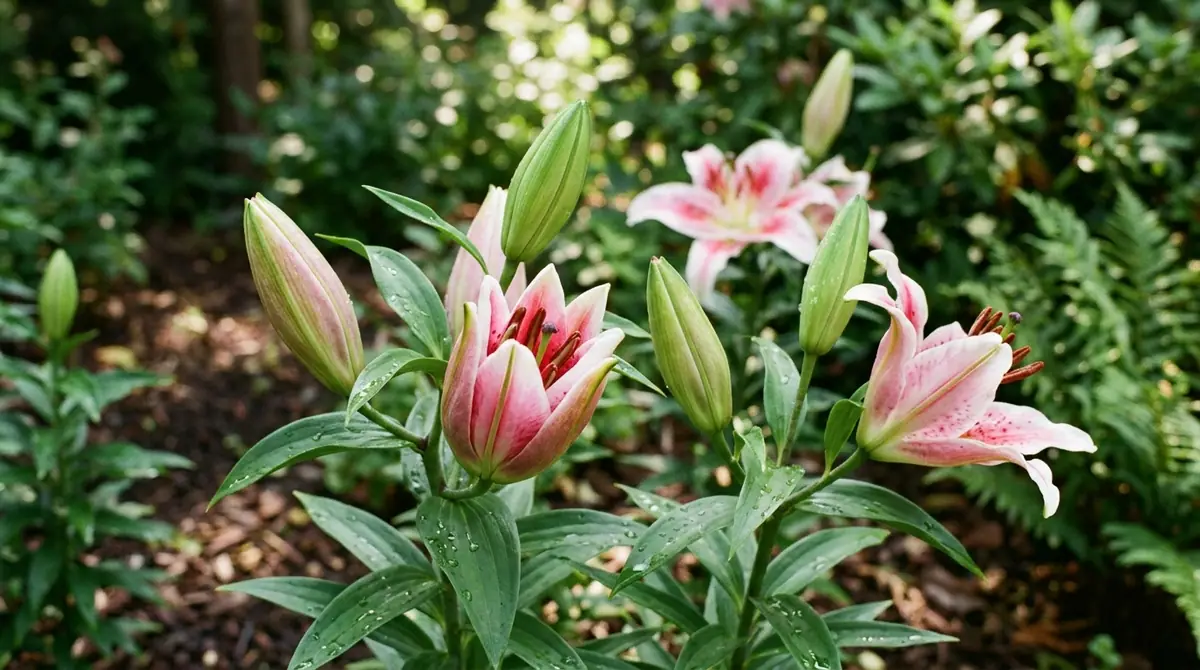
I stood in the mid-morning rain last July, holding a clipboard in one hand and staring down at a tight, green cluster of Lilium 'Stargazer' buds that had refused to crack for what felt like an eternity. Growers was hosting a garden party in exactly forty-eight hours, and the landscape design hinged on those petals unfurling into deep crimson and white splendor. As any experienced grower knows, you cannot rush a lily; their developmental clock runs on a precise physiological schedule dictated by light integrals, ambient heat, and cellular turgor pressure. If you have ever stared at a swollen lily bud wondering when on earth it will finally pop open, you are tracking one of nature's most fascinating biological countdowns. For most true lilies, the journey from the first visible bud to a fully open flower takes anywhere from 14 to 30 days, heavily dependent on cultivar genetics, weather, and local microclimates. Let us dive into the science of lily development so you can master their timing down to the day.
1. Botanical Overview & Natural Habitat

Taxonomically, lilies are monocots characterized by parallel leaf veins, flower parts in multiples of three, and bulbs composed of modified fleshy scale leaves that store essential carbohydrates. Unlike true bulbs such as tulips or daffodils that possess a protective tunic, lily bulbs are naked and prone to desiccation if exposed to dry air for too long.
When a lily transitions from its vegetative state to flowering, it initiates a complex photoperiodic and thermoperiodic response. The flower bud first appears as a tiny green nub at the apex of the stem, scientifically known as the initiation phase. Over the next two to four weeks, this bud swells, accumulating sugars and water inside the perianth segments (the combined sepals and petals).
Different divisions of lilies open on vastly different schedules. Asiatic hybrids (Lilium x asiatica) are the early sprinters, typically blooming in early to mid-summer and taking roughly 14 to 21 days from visible bud to open flower. Oriental hybrids (Lilium x orientalis) operate on a more leisurely schedule, taking 25 to 35 days, rewarding your patience with massive, heavily fragranced blooms in late summer. Trumpet and Aurelian lilies follow closely behind the Orientals, while species lilies like Lilium regale or Lilium lancifolium (Tiger Lily) adhere to their own ancestral clocks. Understanding these genetic timelines ensures you are never caught off guard when planning garden displays or harvesting stems for floral arrangements, much like tracking the precise developmental windows required when you calculate How Long Does It Take for Tomatoes to Grow Tomato Growing and Harvesting Guide for a summer harvest.
2. Essential Environmental & Care Requirements
To coax a lily bud from a tight, resinous casing into a wide, open masterpiece, you must provide optimal environmental conditions. Lilies are notoriously sensitive to environmental stress during the bud-expansion phase; sudden shifts in temperature or moisture can cause bud blast, a physiological disorder where the bud turns yellow, dries up, and drops off before opening.
Light intensity is the primary driver of photosynthesis, providing the sugars necessary for the rapid cell expansion that forces the petals apart. Lilies thrive under a specific rule of thumb: "heads in the sun, feet in the shade." They require a minimum of 6 hours of direct sunlight daily to power flower development, yet their subterranean bulbs prefer cool, insulated soil temperatures hovering between 60°F and 65°F (15°C to 18°C).
Soil composition dictates water availability and root respiration. Lilies demand exceptionally well-draining soil rich in organic matter. Heavy clay retains too much moisture, suffocating the roots and inviting fungal pathogens like Phytophthora and Pythium, which rapidly halt bud development.
| Parameter | Optimal Condition | Common Mistake | Why It Matters |
|---|---|---|---|
| Soil pH | 6.0 to 6.5 (slightly acidic) | Planting in alkaline soil (>7.0) | Locks out essential micronutrients like iron, causing chlorosis and weak stems. |
| Watering | 1 inch (2.5 cm) per week | Overhead splashing of buds | Encourages Botrytis blight, which ruins developing petals with brown spots. |
| Temperature | 70°F–75°F (21°C–24°C) days | Extreme heat waves (>90°F / 32°C) | Accelerates respiration past photosynthesis rates, causing bud drop or distorted petals. |
| Fertilization | Low-nitrogen, high-potassium | Over-applying high-nitrogen fertilizers | Promotes lush green foliage at the expense of robust flower bud development. |
For authoritative guidelines on perennial bulb cultivation and soil management, consult the Royal Horticultural Society Lily Cultivation Guide.
3. Step-by-Step Cultivation, Feeding & Propagation
Achieving reliable, perfectly timed blooms starts long before the buds swell. Proper planting depth, strategic nutrition, and careful propagation techniques lay the groundwork for healthy stems capable of supporting heavy floral loads. Here is the field-tested protocol I use in professional landscape installations.
- Select and Inspect Bulbs: Source firm, plump bulbs free of mold, soft spots, or broken basal plates. Plant them immediately upon receipt in spring or autumn.
- Determine Planting Depth: Dig a hole to a depth of 6 to 8 inches (15 to 20 cm) for standard bulbs, ensuring at least 4 inches (10 cm) of soil sits above the apex of the bulb. Deeper planting insulates roots from summer heat and stabilizes tall stems.
- Amend the Soil: Incorporate coarse horticultural sand and well-rotted leaf mold or compost into the native soil at a 1:1 ratio to guarantee optimal drainage.
- Position the Bulb: Set the bulb root-side down atop a small mound of soil inside the planting hole, spreading the fleshy roots downward. Fill the hole gently and tamp down to eliminate air pockets.
- Apply Initial Irrigation: Soak the planting bed thoroughly with 1 inch (2.5 cm) of water to settle the soil around the bulb scales.
- Execute Targeted Feeding: Apply a balanced, low-nitrogen slow-release organic fertilizer (such as a 5-10-10 blend) as green shoots emerge in spring. Feed again when buds reach the "candle" stage (roughly 1 inch in length).
- Mulch for Thermal Regulation: Apply a 2-inch (5 cm) layer of shredded bark or pine straw around the emerging stems to keep soil temperatures uniform and retain moisture.
- Propagate via Scale Division: In late autumn after foliage dies back, carefully dig up mature bulbs, snap off healthy outer scales close to the basal plate, dust them with a fungicide, and place them in damp vermiculite at 70°F (21°C) to generate bulblets for future seasons.
💡 Pro-Tip: If you need to stall or accelerate your lily blooms for a special event or floral display, manipulate their ambient temperature. Moving potted lilies into a cool, shaded area (around 50°F / 10°C) will slow bud development and hold flowers in the tight-colored stage for up to a week. Conversely, placing them in a warm, bright sunroom will push lagging buds to pop open 2 to 3 days faster.
4. Common Problems, Pests & Troubleshooting
Even with meticulous care, environmental stressors and opportunistic pests can intercept your lilies just as their buds are preparing to open. Diagnosing these issues early makes the difference between a pristine floral display and a ruined season.
The most notorious adversary of developing lily buds is the Red Lily Beetle (Lilioceris lilii). Both the bright red adult beetles and their slug-like larvae feed voraciously on leaves, stems, and developing flower buds, chewing ragged holes that cripple the plant's ability to open its flowers. Hand-pick adults immediately in the early morning when they are sluggish, or apply neem oil or spinosad directly to the foliage and buds.
Fungal pathogens present an equally formidable threat, particularly Botrytis blight (Botrytis elliptica). High humidity, poor air circulation, and overhead watering cause small, water-soaked spots to appear on leaves and buds, quickly expanding into larger brown lesions that deform or kill the bud before it opens.
⚠️ Important Caution: Never apply synthetic copper-based fungicides or heavy chemical sprays directly to open lily flowers or swelling buds showing color, as this causes severe phytotoxicity, burning delicate petal margins and ruining the bloom instantly. Instead, prevent fungal outbreaks through proper spacing (at least 12 inches / 30 cm apart) and watering exclusively at the base of the plant using drip irrigation.

5. Frequently Asked Questions
Why are my lily buds turning yellow and dropping off before they open?
This condition is known as bud blast and is typically caused by extreme environmental stress, such as sudden heat waves exceeding 90°F (32°C), severe drought followed by overwatering, or extreme lack of sunlight. When the plant experiences stress, it sacrifices its reproductive structures to conserve resources for basic survival. Ensure consistent soil moisture and partial afternoon shade in scorching climates.
How can I make cut lilies open faster in a vase?
To accelerate cut lily buds in a floral arrangement, recut the stems at a 45-degree angle under warm water, strip away any foliage that would sit below the waterline, and place the vase in a warm, brightly lit room. Use lukewarm water mixed with commercial floral preservative, which provides the necessary sugars to fuel rapid petal expansion.
Do lily flowers open all at once or one by one?
True lilies bloom sequentially rather than all at once. The lowest buds on the stem typically open first, followed by those progressively higher up. This staggered opening sequence extends the total display time of a single stem to anywhere from 7 to 14 days, depending on how many total buds the stem produced.
Can I bring outdoor potted lilies indoors to watch them open?
Yes, you can easily transition potted lilies indoors once their buds are fully colored and swollen (the tight-bud stage). Place them in a bright location out of direct, scorching window sunlight and away from ripening fruit (which emits ethylene gas and causes premature petal drop). Enjoy the fragrance and color, but note that heavy pollen shed indoors can stain fabrics, so gently pluck the orange anthers out with tissue paper once the flower opens.
Related Guides
- Lilies Not Flowering
- Pollen on Lilies
- How Long Do Lilies Last
- How Long Does It Take for Tomatoes to Grow Tomato Growing and Harvesting Guide
📋 Table of Contents ▼ Click to expand
Tags:
Keep reading
🌿 Related Plants You Might Like






PlantSavvyWorld
Editorial team
PlantSavvyWorld is an independent botanical education project. Articles are drafted with AI assistance, then edited and checked against university extension services, botanical garden collections and other published horticultural sources.