

Are Tiger Lilies And Daylilies The Same: Expert Gardening Guide & Science-Backed Tips
Written with AI assistance, edited and checked against horticultural sources.
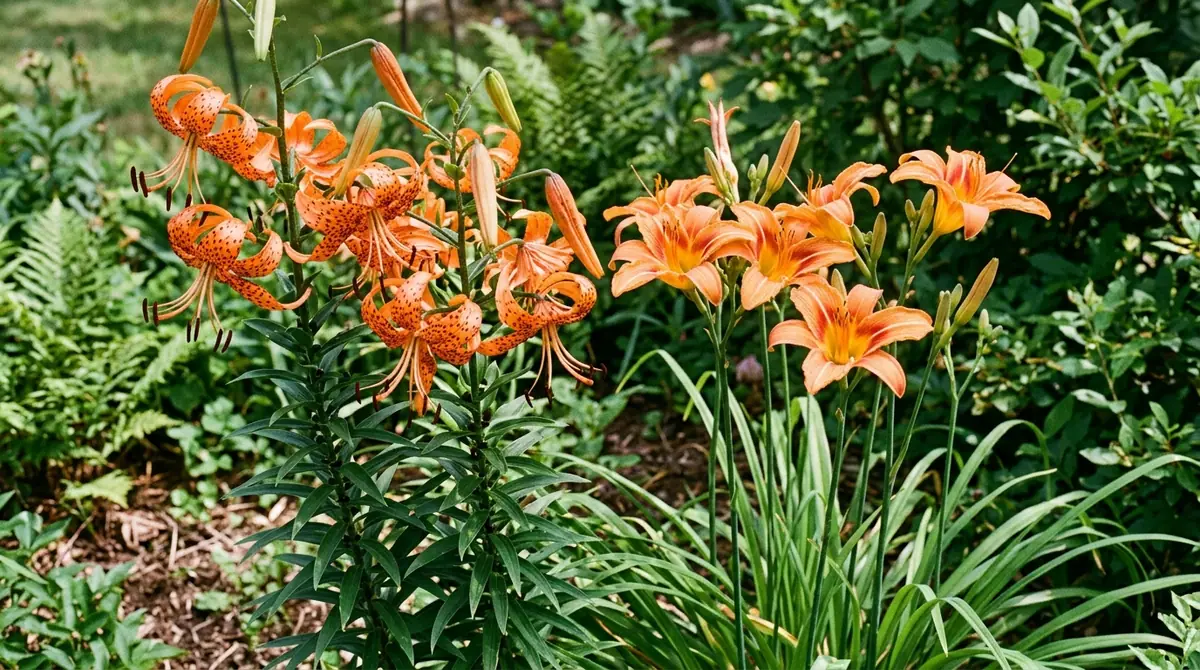
Distinguishing between tiger lilies and daylilies is a common point of confusion for gardeners designing vibrant perennial borders. This comprehensive guide demystifies the differences to determine if tiger lilies and daylilies are indeed the same.

1. Botanical Overview & Natural Habitat
The initial confusion often stems from the common names themselves. "Tiger Lily" typically refers to Lilium lancifolium (synonym Lilium tigrinum), a true lily belonging to the genus Lilium in the family Liliaceae. True lilies are characterized by their large, often trumpet-shaped flowers, six tepals (three petals and three sepals that look alike), prominent stamens, and bulbs. Lilium lancifolium is native to East Asia, specifically China, Korea, and Japan, and is renowned for its striking orange flowers with dark, recurved spots and bulblets (bulbils) that form in the leaf axils, resembling tiny tiger stripes.
On the other hand, "Daylily" refers to plants in the genus Hemerocallis, a completely separate genus in the family Asphodelaceae. The name Hemerocallis itself is derived from Greek words meaning "day" and "beauty," a fitting description as their individual blooms typically last only a single day. Daylilies are native to Eurasia, with many species originating from China and Japan. They are also beloved for their diverse flower forms and colors, but their structure is different from true lilies. Daylily flowers have six tepals, but they are botanically referred to as petals and sepals (often called "tea-pals"), and they grow from fleshy roots or rhizomes, not bulbs.
Here's a quick breakdown to visualize the difference:
| Parameter | Lilium lancifolium (Tiger Lily) | Hemerocallis spp. (Daylily) | Why It Matters |
|---|---|---|---|
| Botanical Family | Liliaceae | Asphodelaceae | Dictates fundamental biological processes and genetic makeup. |
| Genus | Lilium | Hemerocallis | Clearly distinguishes them within the plant kingdom. |
| Underground Structure | True Bulb | Fleshy Roots/Rhizomes | Influences water storage, dormancy, and propagation methods. |
| Leaf Axil Features | Produces bulblets | Typically smooth | Bulblets are a key identification feature of tiger lilies and a propagation method. |
| Flower Lifespan | Multiple days (per flower) | Single day (per flower) | Affects the overall bloom display duration and visual impact in the garden. |
| Native Origin | East Asia (China, Korea, Japan) | Eurasia (China, Japan) | Provides insight into their environmental adaptations and historical cultivation. |
| Common Name Origin | Spots resembling tiger stripes | Blooms for a single day | Helps differentiate based on descriptive common names. |
While both are commonly referred to as "lilies" and are popular ornamental plants, their botanical classifications are distinct. Understanding these differences is the first step to providing them with the correct care.
2. Essential Environmental & Care Requirements
Providing the right environment is crucial for the health and vigor of any plant. While both tiger lilies and daylilies are generally robust, their specific preferences vary slightly.
Sunlight: Both Lilium lancifolium and Hemerocallis species thrive in ample sunlight, which is essential for robust flowering and healthy growth. The ideal is Full Sun (6+ hours) of direct sunlight per day. However, both can tolerate Partial Afternoon Shade, especially in very hot climates where intense afternoon sun can scorch their foliage and flowers. This is particularly true for daylilies, which can suffer from "bloom recession" in extreme heat. If you're in a region with scorching summers, providing a bit of dappled shade during the hottest part of the day can extend the bloom period and prevent wilting.
Soil pH and Biology: The Recommended Soil pH for both is generally 6.0 – 6.8. This slightly acidic to neutral range allows for optimal nutrient uptake. Both plants appreciate soil that is Rich in organic matter and micro-nutrients. This means incorporating compost, aged manure, or leaf mold into your planting beds annually. Healthy soil biology – the teeming world of beneficial microbes, fungi, and earthworms – is paramount. These organisms break down organic matter, make nutrients available to the plant roots, and improve soil structure. Avoid heavy, compacted clay soils that retain too much water, as this can lead to root rot. A well-draining loam is ideal.
Moisture Management: Consistent moisture is key, but overwatering is a common pitfall for both. Deep, infrequent irrigation to promote resilient root architecture is the best approach. Water thoroughly when the top 1-2 inches (2.5-5 cm) of soil feel dry to the touch. This encourages roots to grow deeper in search of moisture, making the plants more drought-tolerant once established. During prolonged dry spells, you may need to water more frequently. Mulching around the base of the plants (keeping it a few inches away from the stems) helps retain soil moisture, suppress weeds, and regulate soil temperature.
Temperature and Climate: Both tiger lilies and daylilies are remarkably adaptable and generally hardy. However, knowing your USDA Plant Hardiness Zone is important for selecting varieties that will thrive in your specific climate. Tiger lilies are typically hardy in Zones 3-9, while daylilies span a similar range, often Zones 3-10, depending on the cultivar. Temperature fluctuations can induce shock, especially for young plants or those newly transplanted. Providing appropriate frost protection (like a layer of mulch or horticultural fleece) during late spring frosts after new growth has emerged is a good practice. Similarly, during extreme summer heatwaves, supplemental watering and mulch can mitigate stress.
3. Step-by-Step Cultivation, Feeding & Propagation
Successful gardening comes down to following a consistent protocol. Here’s a step-by-step approach to cultivating healthy and prolific tiger lilies and daylilies.
Step 1: Site Selection and Soil Preparation
Choose a location that receives at least 6-8 hours of direct sunlight daily. Prepare the soil by digging it over to a depth of about 12 inches (30 cm). Amend the soil generously with organic matter. Aim for a blend that includes compost, perlite for aeration, and organic worm castings. This will ensure good drainage, aeration, and a rich nutrient base. For new beds, incorporating a balanced, slow-release organic fertilizer at this stage is beneficial.
Step 2: Planting
- Tiger Lilies (from bulbs): Plant tiger lily bulbs in the fall or early spring. Dig a hole about 6-8 inches (15-20 cm) deep, place the bulb with the pointy end up, and backfill with soil. Space bulbs 8-12 inches (20-30 cm) apart.
- Daylilies (from bare roots or potted plants): Plant daylilies in spring or fall. Dig a hole large enough to accommodate the root system comfortably. For bare roots, create a small mound of soil in the center of the hole and spread the roots over it. The crown (where the leaves meet the roots) should be about 1-2 inches (2.5-5 cm) below the soil surface. Space plants 18-24 inches (45-60 cm) apart, depending on the mature size of the variety. Water thoroughly after planting.
Step 3: Watering and Mulching
Establish a watering routine as mentioned in the care requirements. Water deeply but infrequently, allowing the soil to dry slightly between waterings. Deep, infrequent irrigation to promote resilient root architecture is your mantra. Apply a 2-3 inch (5-7.5 cm) layer of organic mulch around the base of the plants, keeping it a few inches away from the stems to prevent rot and disease.
Step 4: Nutrient Cycling & Organic Fertilization
Feeding is crucial for sustained blooming.
- Early Spring (Root Establishment): As new growth emerges, apply a balanced organic fertilizer or a blend rich in phosphorus (the middle number on fertilizer packaging) to encourage strong root development and budding. For example, an 8-10-8 or similar ratio.
- During Bud Formation: Continue with a fertilizer that has a good phosphorus component, as this is critical for flower development.
- After Flowering: For daylilies, especially if you want re-blooming varieties to perform, a light feeding with a balanced or slightly higher potassium fertilizer can be beneficial. For tiger lilies, a general feeding after flowering supports bulb development for the following year.
- Late Season: Transitioning to Potassium-rich kelp meal as plants mature to enhance cellular wall strength and drought tolerance is an excellent strategy. This helps the plants prepare for winter dormancy and improves their resilience. Avoid over-fertilizing with nitrogen, which can lead to lush foliage but fewer flowers.
💡 Pro-Tip: For daylilies, removing spent flower scapes (the stalks that bore the flowers) promptly not only tidies up the plant but also prevents it from expending energy on seed production, encouraging it to put that energy back into producing more blooms. For tiger lilies, allow the seed pods to mature if you wish to collect seeds for propagation, but be aware that seedlings may not come true to the parent variety.
Step 5: Propagation
- Tiger Lilies: The most distinctive method of propagation for tiger lilies is by planting the bulblets that form in the leaf axils. Once they mature and fall from the plant, or when the plant is dormant, these small bulbs can be planted directly into the soil where they will grow into new plants. They can also be propagated from bulb scales, similar to other true lilies.
- Daylilies: Daylilies are very easy to propagate through division. Every 3-5 years, or when a clump becomes overgrown, dig up the entire plant during its dormant season (late fall or early spring). You can then gently pull or use a spade to divide the clump into smaller sections, each with its own roots and leafy shoots. Replant the divisions immediately into prepared soil.
4. Common Problems, Pests & Troubleshooting
Even the hardiest plants can encounter issues. Understanding common problems and how to address them will ensure your tiger lilies and daylilies remain healthy and beautiful.
1. Lack of Flowering:
- Cause: Insufficient sunlight is the most common culprit. Both plants need ample sun to produce blooms. Over-fertilization with nitrogen can also promote leafy growth at the expense of flowers. For daylilies, if they haven't been divided in years, they can become overcrowded, leading to reduced flowering.
- Solution: Move the plants to a sunnier location (at least 6 hours of direct sun). If over-fertilizing is suspected, refrain from feeding for a season or use a fertilizer lower in nitrogen. Divide overcrowded daylily clumps in fall or early spring.
2. Pests:
- Tiger Lilies: Spider mites can sometimes be an issue in hot, dry conditions. Aphids may occasionally infest new growth.
- Daylilies: The most significant pest is the Daylily Gall Midge (Contarinia nasturtii). This tiny midge lays its eggs in developing buds, and the larvae cause deformed, swollen, and sometimes unopenable buds. Other common pests include aphids, thrips, and slugs/snails.
- Solution: For aphids and spider mites, a strong spray of water can dislodge them, or use insecticidal soap or neem oil. For the Daylily Gall Midge, the best preventative measure is to remove and destroy affected buds immediately to break the life cycle. There are no effective systemic treatments for this pest once it’s present, so early detection and removal are key. Slugs and snails can be managed with traps or organic slug baits.
3. Diseases:
- Tiger Lilies: Susceptible to fungal diseases like botrytis (gray mold) and lily mosaic virus, especially in humid conditions or when foliage remains wet for extended periods.
- Daylilies: Generally quite disease-resistant, but can be affected by rust and various leaf spots, particularly in humid weather or when plants are stressed.
- Solution: Ensure good air circulation by spacing plants appropriately. Water at the base of the plants to keep foliage dry. Remove and destroy any infected foliage or plant parts. For fungal issues, consider organic fungicides if problems persist. Selecting disease-resistant cultivars is always a good strategy.
⚠️ Important Caution: Never plant tiger lilies or daylilies in stagnant water. While they need consistent moisture, waterlogged soil is a direct invitation for root rot and other fungal diseases, which can be fatal. Ensure excellent drainage in your planting beds or containers.
4. Yellowing Leaves:
- Cause: This can be due to overwatering (leading to root suffocation), underwatering (stress), nutrient deficiency (especially iron or magnesium), or natural senescence (aging of lower leaves).
- Solution: Check soil moisture levels. Adjust watering accordingly. If the soil is consistently wet, improve drainage. If the plant is underwatered, water thoroughly. If nutrient deficiency is suspected, a balanced organic fertilizer or a foliar spray of chelated iron or Epsom salts (magnesium sulfate) might help, but only after ruling out watering issues.

5. Frequently Asked Questions
Are tiger lilies and daylilies the same plant?
No, tiger lilies (Lilium lancifolium) and daylilies (Hemerocallis spp.) are not the same plant. They belong to different botanical families: tiger lilies are true lilies (Liliaceae), while daylilies belong to the Asphodelaceae family. They have distinct physical characteristics, growth habits, and reproductive structures, despite sharing the common name "lily" and being popular garden flowers.
Why are my tiger lily flowers small and not very vibrant?
This is often a sign of insufficient sunlight or nutrient deficiencies. Tiger lilies, like most true lilies, require Full Sun (6+ hours) to produce their best blooms. If your plant is in too much shade, or if the soil is depleted of nutrients, the flowers will likely be smaller and less colorful. Also, ensure they are planted at the correct depth (bulbs 6-8 inches deep) and are not competing with aggressive root systems from nearby plants.
How often should I water daylilies?
You should aim for Deep, infrequent irrigation to promote resilient root architecture. Check the top 1-2 inches (2.5-5 cm) of soil; if it feels dry, it's time to water thoroughly. During hot, dry periods, this might be once a week, while in cooler, moister weather, they may need water less often. Always ensure the soil drains well to prevent waterlogged conditions.
Can I plant tiger lilies and daylilies together in the same garden bed?
Yes, you absolutely can! They share similar preferences for Full Sun to Partial Afternoon Shade and Soil pH 6.0 – 6.8 rich in organic matter. Their blooming times may overlap, creating a beautiful tapestry of color. Just be mindful of their mature sizes and spacing requirements to ensure both have adequate room to grow and thrive without competing too aggressively for resources.
What is the most common mistake when growing daylilies?
The most common mistake home gardeners make with daylilies is overwatering and poor container drainage if grown in pots. Daylilies prefer consistently moist soil, but not soggy conditions. Allowing them to sit in waterlogged soil leads to root rot. Always check the top 2 inches of substrate before hydrating, and ensure any containers have ample drainage holes.
How long does it take for daylilies to establish and bloom well?
With proper temperature, photoperiod lighting, and balanced organic feeding, you can expect noticeable vigor and healthy development in daylilies within 10 to 14 days of planting or ideal growing conditions. While they may produce a few blooms in their first year, they typically reach their full flowering potential in their second or third year as their root system and foliage mature.
I hope this detailed guide has cleared up any confusion about the differences between tiger lilies and daylilies. Both are fantastic additions to any garden, offering vibrant colors and relatively easy care once their basic needs are met. Happy gardening!
Related Guides
- Lilies Not Flowering
- How Long Does It Take for Lilies to Open
- Pollen on Lilies
- How Long Do Lilies Last
- Fertilizer for Daylilies
Further Reading
Tags:
Keep reading
🌿 Related Plants You Might Like



PlantSavvyWorld
Editorial team
PlantSavvyWorld is an independent botanical education project. Articles are drafted with AI assistance, then edited and checked against university extension services, botanical garden collections and other published horticultural sources.