

Are Strawberry Plants Perennials: Expert Gardening Guide & Science-Backed Tips
Written with AI assistance, edited and checked against horticultural sources.
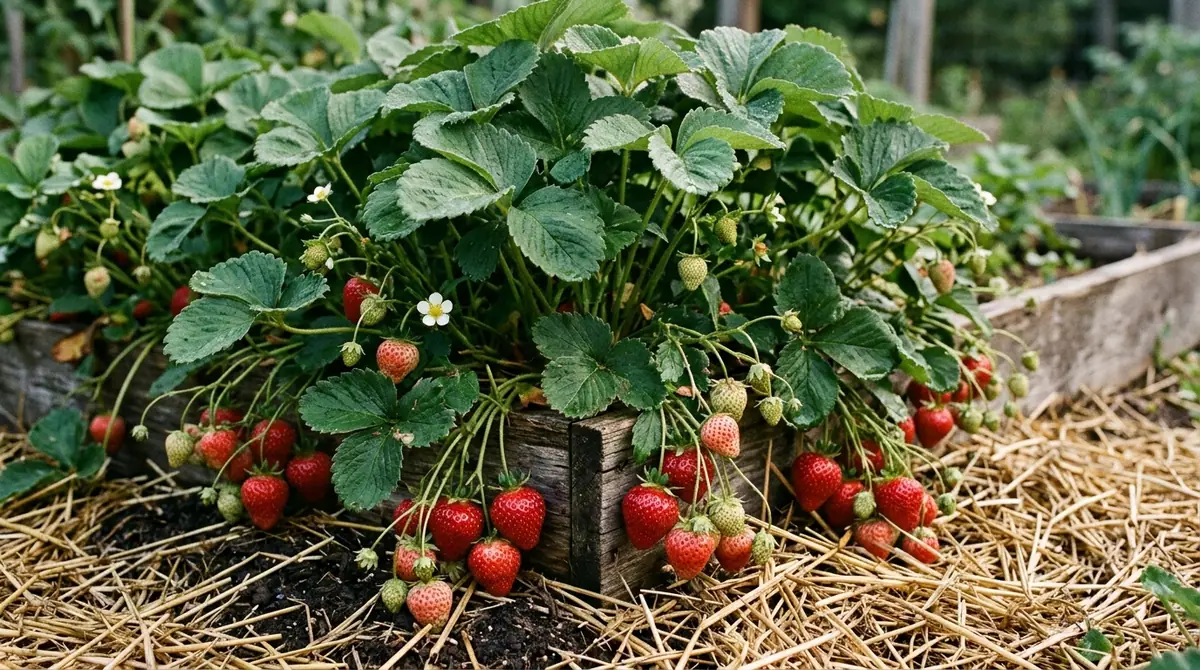
Strawberry plants are perennials that survive chilly winters to return, send out runners, and produce berries in subsequent years rather than acting as annuals that require replanting every spring.

1. Botanical Overview & Natural Habitat
The simple answer to our central question is a resounding yes, strawberry plants are perennials. Specifically, most commonly cultivated strawberries belong to the genus Fragaria and are herbaceous perennials. This means that their above-ground foliage may die back during colder months, but their root systems remain alive, ready to send up new growth when favorable conditions return. This perennial nature is a key characteristic that distinguishes them from annuals (which complete their life cycle in one growing season) and biennials (which complete their life cycle in two).
Wild strawberries have been cultivated for centuries, with modern garden varieties largely stemming from hybridizations that began in Europe in the 18th century. These plants are remarkably adaptable, thriving in a wide range of climates. Their natural habitat often includes woodland edges, open meadows, and fields where they can access sunlight and well-drained soil. This adaptability is a testament to their robust perennial lifecycle, allowing them to survive and reproduce over multiple years. They propagate both through seeds (though this can lead to genetic variability) and, more commonly, through runners – specialized horizontal stems that grow from the base of the plant, root themselves, and form new daughter plants. This runner system is a classic hallmark of perennial herbaceous plants, enabling clonal expansion and ensuring the continuation of the parent plant’s genetic material.
Essential Quick Facts & Biological Overview
- Core Topic: Are Strawberry Plants Perennials
- Difficulty Rating: Easy to Moderate
- Scientific Classification: Genus Fragaria, Family Rosaceae
- Life Cycle: Herbaceous Perennial
- Optimal Soil pH: 6.0 – 6.8 (Slightly acidic to neutral)
- Sunlight Requirements: Full Sun (6+ hours of direct sunlight daily) to Partial Afternoon Shade (especially in very hot climates)
- Moisture Management: Deep, infrequent irrigation to promote resilient root architecture, aiming for consistently moist, but not waterlogged, soil.
2. Essential Environmental & Care Requirements
Understanding that your strawberry plants are perennials is the first step; the next is to provide them with the optimal conditions to thrive year after year. Their perennial nature means they require consistent care, especially during establishment and dormancy periods, to ensure their longevity and productivity.
Soil Preparation and Root Health
Healthy plants start below the ground. The root system of a perennial is its lifeline, storing energy and nutrients to survive unfavorable conditions and fuel new growth. For strawberries, this means prioritizing excellent soil structure. Ensure your soil contains a balanced blend of compost, perlite for aeration, and organic worm castings. These components work together to create a well-draining yet moisture-retentive environment. Compacted, waterlogged soils are the bane of strawberry plants, leading directly to root rot and increasing susceptibility to fungal pathogens. A fluffy, rich soil allows roots to breathe, expand, and access vital nutrients. Aim for a soil depth of at least 8-12 inches (20-30 cm) for optimal root development.
Environmental & Climate Optimization
Temperature fluctuations can induce shock in any plant, and strawberries are no exception. Monitoring your USDA Plant Hardiness Zone is crucial. Most common garden strawberry varieties (like Fragaria x ananassa) are hardy in Zones 4-8. Knowing your zone helps you select varieties best suited to your climate and prepare for potential challenges.
- Cold Climates (Zones 4-6): While strawberries are perennials, winter survival is key. In late fall, after a few hard frosts but before the ground freezes solid, mulch heavily around the base of your plants with straw, pine needles, or shredded leaves. This insulates the crowns and roots, preventing heaving and desiccation from harsh winter winds. Remove mulch gradually in early spring as new growth appears to prevent rot.
- Hot Climates (Zones 7-8+): Extreme summer heatwaves can stress strawberry plants, especially those in containers or exposed to intense afternoon sun. Provide appropriate frost protection in early spring if late frosts are a concern, and consider shade netting or strategically placing plants in a spot that receives partial afternoon shade during the hottest months (typically above 85°F / 29°C). Young plants are particularly vulnerable to heat stress.
Sunlight Requirements
Strawberries are sun-lovers. They require at least 6-8 hours of direct sunlight per day to produce abundant, sweet fruit. In regions with very intense summer sun and high temperatures, they can benefit from a bit of relief during the hottest part of the afternoon.
Moisture Management
Deep, infrequent irrigation is the golden rule for encouraging resilient root architecture. When you water, water deeply, allowing moisture to penetrate 6-8 inches (15-20 cm) into the soil. This encourages roots to grow downwards in search of water, making them more drought-tolerant. Allow the top inch (2.5 cm) of soil to dry out slightly between waterings. Overwatering is a common pitfall, leading to root diseases and discouraging fruit production. Using a moisture meter can be helpful for beginners.
Nutrient Cycling & Organic Fertilization
Perennial plants, by definition, rely on stored energy and consistent nutrient availability. For strawberries, a balanced feeding approach is essential.
- During Root Establishment and Bud Formation: Apply a high-phosphorus organic blend (e.g., bone meal or a balanced organic fertilizer with an N-P-K ratio like 5-10-5) during the initial planting phase and again as plants begin to form flower buds in spring. Phosphorus is crucial for root development and flowering.
- As Plants Mature: Transition to potassium-rich kelp meal or a fertilizer with a higher potassium content (e.g., 5-10-10). Potassium enhances cellular wall strength, improves disease resistance, and increases drought tolerance. It also plays a vital role in fruit quality and sugar development.
- Throughout the Season: A light top-dressing of compost or worm castings annually provides a slow-release source of nutrients and improves soil structure. Avoid excessive nitrogen, which can lead to lush foliage at the expense of fruit production and make plants more susceptible to pests and diseases.
Here's a summary of key parameters for optimal strawberry growth:
| Parameter | Optimal Condition | Common Mistake | Why It Matters |
|---|---|---|---|
| Soil pH | 6.0 – 6.8 (Slightly acidic to neutral) | Too acidic (<5.5) or too alkaline (>7.0) | Affects nutrient availability; roots can't absorb essential minerals. |
| Sunlight | 6-8+ hours direct sun daily | Partial shade all day, or less than 6 hours | Essential for photosynthesis, flower bud initiation, and fruit sweetness. |
| Watering Frequency | Deep, infrequent; let top inch dry between waterings | Frequent shallow watering, or waterlogged soil | Encourages deep roots, prevents root rot and fungal diseases. |
| Soil Drainage | Well-draining with good aeration | Heavy clay, compacted soil | Prevents root suffocation and the development of root-borne diseases. |
| Temperature | 60-75°F (15-24°C) for growth, dormancy below 40°F (4°C) | Extreme fluctuations, prolonged heat over 90°F (32°C) | Influences growth cycles, flowering, fruiting, and winter survival. |
| Fertilization | Balanced P & K focus; moderate N | Excessive Nitrogen | Balances foliage growth with fruit production, root health, and disease resistance. |
💡 Pro-Tip: For container-grown strawberries, always use a high-quality potting mix amended with perlite for drainage. Ensure containers have ample drainage holes. In hot climates, consider "strawberry pots" with multiple openings, which can help with air circulation and reduce heat buildup.
3. Step-by-Step Cultivation, Feeding & Propagation
Cultivating perennial strawberries involves a cycle of planting, care, and maintenance to ensure they return year after year with vigor.
Planting New Strawberry Plants
- Timing: The best time to plant strawberries is in early spring, as soon as the soil can be worked, or in early fall in milder climates. This allows plants to establish their root systems before the stress of summer heat or winter cold.
- Site Selection: Choose a location that receives at least 6-8 hours of direct sunlight daily and has well-draining soil. Avoid planting where tomatoes, peppers, eggplants, or potatoes have recently grown, as these can share soil-borne diseases with strawberries.
- Soil Preparation: Amend the soil with a generous amount of compost or well-rotted manure to improve fertility and drainage. If your soil is heavy clay, incorporate perlite or coarse sand. Aim for a slightly acidic pH of 6.0-6.8.
- Planting: For bare-root plants, soak the roots in water for about an hour before planting. For potted plants, gently loosen the root ball. Dig a hole large enough to accommodate the roots comfortably. The crown of the plant (where the leaves emerge from the roots) should be planted level with the soil surface. If planted too deep, the crown can rot; if planted too shallow, the roots can dry out. Space plants 12-18 inches (30-45 cm) apart, depending on the variety's vigor and your chosen growing method (e.g., matted row vs. Hill system).
- Watering: Water thoroughly immediately after planting to settle the soil and eliminate air pockets.
Ongoing Care and Feeding
- Watering: Water consistently, especially during dry spells and fruiting periods. Aim for deep watering to encourage strong root growth. For new plantings, keep the soil consistently moist but not saturated.
- Mulching: Apply a layer of straw or pine needles around the plants once the ground begins to cool in autumn to protect the crowns and roots from harsh winter conditions. In spring, remove the winter mulch gradually and replace it with a fresh layer, being careful not to cover the crowns. Mulch helps retain soil moisture, suppress weeds, and keep fruits clean.
- Fertilizing:
- Spring: After removing winter mulch and as new growth appears, apply a balanced organic fertilizer (e.g., 10-10-10) or compost. If you see abundant foliage but few flowers, consider a fertilizer slightly lower in nitrogen and higher in phosphorus.
- After Fruiting: Once the harvest is complete, fertilize again with a balanced organic fertilizer. This is crucial for the plant to store energy in its roots for the following year.
- Weeding: Keep the area around strawberry plants free of weeds, which compete for water, nutrients, and light. Hand-pulling is often best to avoid disturbing shallow strawberry roots.
- Pest and Disease Monitoring: Regularly inspect plants for common pests like slugs, aphids, and spider mites, and diseases like powdery mildew and gray mold. Address issues promptly.
Fruit Production and Renovation (for June-bearing varieties)
- First Year: For June-bearing varieties, it's often recommended to pinch off all blossoms in the first year. This redirects the plant's energy into establishing a strong root system and foliage, leading to much more productive harvests in subsequent years. Everbearing and day-neutral varieties can be allowed to fruit in their first year, but removing a portion of the early blossoms can still be beneficial.
- Matted Row System: Allow runners to root and fill in the spaces between plants, creating a "matted row" about 18-24 inches (45-60 cm) wide.
- Hill System: In this system, runners are removed, and plants are grown as individual mounds, often with 2-3 plants per hill. This encourages larger, higher-quality fruit but yields fewer plants overall.
- June-Bearing Renovation: After the harvest is finished (typically in mid-summer), prune back the plants to about 3-4 inches (7.5-10 cm) above the soil line, remove old leaves and runners, and fertilize. This rejuvenation process encourages new leaf growth and vigorous roots for the next season.
Propagation
Strawberry plants are prolific propagators via runners.
- Runner Selection: Identify healthy, vigorous runners from your best-producing plants.
- Rooting: You can either let the runners naturally root into the soil around the parent plant or direct them into small pots filled with potting mix. To encourage faster rooting, you can pin the runner to the soil surface using a bent wire or small stone.
- Separation: Once the daughter plant has developed a good root system and shows new leaf growth (usually after 4-6 weeks), it can be carefully severed from the parent plant.
- Transplanting: The new plants can then be transplanted to their permanent location in the garden or containers.
4. Common Problems, Pests & Troubleshooting
Even the most diligent gardener can face challenges. Understanding common issues and their solutions is key to maintaining healthy, productive perennial strawberry plants.
Pests
- Slugs and Snails: These slimy creatures love tender strawberry leaves and fruits, especially in moist conditions.
- Solutions: Hand-picking at dawn or dusk, using slug traps (beer-filled containers), or applying organic slug baits containing iron phosphate. Keeping the area around plants clear of debris also helps.
- Aphids: Small, sap-sucking insects that cluster on new growth and undersides of leaves.
- Solutions: A strong blast of water from a hose can dislodge them. For larger infestations, use insecticidal soap or neem oil. Encouraging beneficial insects like ladybugs and lacewings can also help.
- Spider Mites: Tiny pests that cause stippling on leaves and fine webbing. They thrive in hot, dry conditions.
- Solutions: Increase humidity by misting plants (though avoid this in evening to prevent fungal issues), or use insecticidal soap or horticultural oil.
- Birds: While we love them, birds can decimate a ripe strawberry crop.
- Solutions: Use bird netting draped over hoops or frames to protect the plants. Shiny objects or scare tape can offer some deterrence, but netting is the most effective.
Diseases
- Powdery Mildew: A white, powdery coating on leaves, stems, and fruit, common in humid conditions with poor air circulation.
- Solutions: Improve air circulation by proper plant spacing and pruning. Remove affected leaves. Fungicides containing sulfur or potassium bicarbonate can be effective.
- Gray Mold (Botrytis): Causes fuzzy gray mold on fruits, leaves, and flowers, often appearing during wet weather.
- Solutions: Remove infected plant parts immediately. Improve air circulation and avoid overhead watering. Proper mulching helps keep fruits off the soil. Fungicides can be used preventatively.
- Root Rot: Caused by waterlogged soil and various fungal pathogens. Symptoms include wilting, yellowing leaves, and stunted growth, even with adequate watering.
- Solutions: The best prevention is excellent drainage and avoiding overwatering. If root rot is suspected, gently excavate a plant to check the roots. If they are brown and mushy, the plant is likely lost. Amend soil for future plantings to ensure better drainage.
Troubleshooting Common Issues
- No Fruit Production: This can be due to insufficient sunlight, poor pollination (ensure access for bees), lack of phosphorus during bud set, or excessive nitrogen leading to foliage growth over flowering. For June-bearing varieties, ensure you didn't remove all blossoms in the first year if you were hoping for fruit then.
- Small, Poor-Quality Fruit: Often linked to insufficient water during fruit development, lack of nutrients (especially potassium for fruit quality), or inadequate sunlight.
- Plants Dying Back in Summer: In very hot climates, plants may enter a semi-dormant state. Ensure they have adequate, deep watering and consider providing afternoon shade.
- Winter Kill: If your plants don't return in spring, they may not have survived the winter. This is usually due to insufficient mulching in colder zones, unexpected extreme temperature drops, or heaving of the soil.
⚠️ Important Caution: Always identify pests and diseases correctly before applying any treatment. Read and follow all label instructions for pesticides and fungicides carefully to protect beneficial insects, yourself, and the environment. Organic solutions are generally preferred for edible crops.

5. Frequently Asked Questions
Are strawberry plants really perennials, or do I need to replant them every year?
Yes, strawberry plants are indeed perennials! This means that their root systems live for multiple years, and they will regrow from those roots each spring. You do not need to replant them every year. However, their productivity can decline after 3-5 years, at which point it’s often best to replace them with new plants propagated from runners or from fresh nursery stock.
My strawberry plants are growing lots of leaves but not many strawberries. What am I doing wrong?
This is a very common issue, and it usually boils down to one of a few factors. The most likely culprits are too much nitrogen in your fertilizer, leading to lush foliage at the expense of flowers and fruit, or insufficient sunlight (they need at least 6-8 hours of direct sun). Another possibility is poor pollination if beneficial insects aren't visiting your garden. Ensure your soil has a good balance of nutrients, with sufficient phosphorus for flowering, and that your plants are in a sunny spot.
Can I grow strawberries in containers, and do they still act as perennials in pots?
Absolutely! Strawberries are fantastic for container gardening, and they will behave as perennials in pots. However, they may require a little more attention. Ensure your containers have excellent drainage, use a high-quality potting mix, and water them more frequently than in-ground plants, as containers dry out faster. In colder climates, you’ll need to provide winter protection for container strawberries; this can involve moving the pots to an unheated garage, burying them in the ground for insulation, or wrapping the pots in burlap and insulating material.
How do I stop my strawberry plants from spreading too much?
Strawberry plants spread via runners, which are specialized stems that grow out from the base of the plant. If you want to control their spread, you can simply snip off the runners as soon as you see them emerging. This directs the plant's energy into producing fruit rather than new plants. If you're using the matted row system, you'll allow some runners to root to fill in the row, but you can still prune away runners that go outside the desired area.
Why are my strawberries so small this year compared to last year?
Several factors can contribute to smaller fruits. Inadequate or inconsistent watering, especially during the fruit development stage, is a major cause. Lack of sufficient sunlight will also result in smaller, less flavorful berries. Nutrient deficiencies, particularly a lack of potassium which is vital for fruit quality, can also be a reason. Finally, if you have very old plants (over 3-5 years old), their vigor may be declining, leading to smaller yields. Consider refreshing your planting or amending your soil more diligently.
Happy growing, and may your perennial strawberry patch bring you joy and delicious harvests for years to come!
Further Reading:
Tags:
Keep reading
🌿 Related Plants You Might Like




PlantSavvyWorld
Editorial team
PlantSavvyWorld is an independent botanical education project. Articles are drafted with AI assistance, then edited and checked against university extension services, botanical garden collections and other published horticultural sources.