

Are Eggplant Plants Perennials: Expert Gardening Guide & Science-Backed Tips
Written with AI assistance, edited and checked against horticultural sources.
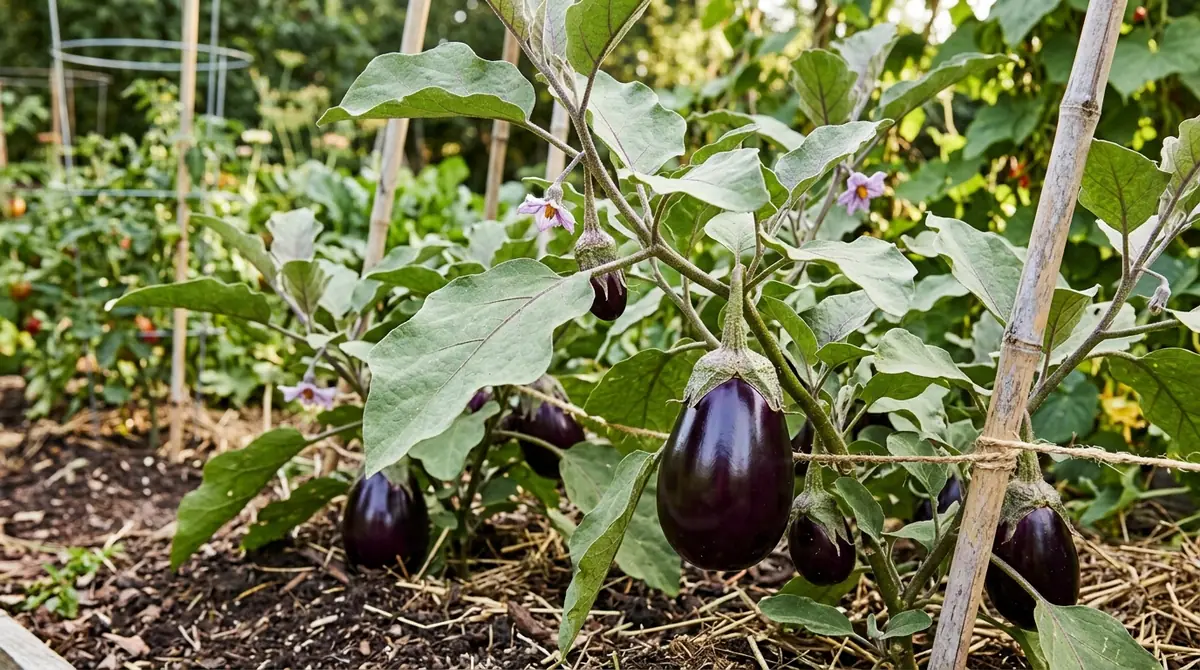
Eggplants (Solanum melongena) are commonly grown as annuals for bountiful harvests of glossy purple globes, but understanding their true botanical nature reveals they can be more than just fleeting summer guests.

1. Botanical Overview & Natural Habitat
Eggplant, scientifically known as Solanum melongena, hails from the Solanaceae family, a group that also includes tomatoes, peppers, and potatoes. Native to the Indian subcontinent, eggplants have been cultivated for thousands of years. In their native, tropical environments, these plants are indeed perennial. They thrive in warm, humid climates where they can grow, flower, and fruit year-round, experiencing no frost and minimal temperature fluctuations.
However, the vast majority of us growing eggplants in temperate climates, like much of North America and Europe, experience them as annuals. This is not because of their inherent biological limitations, but due to environmental constraints, primarily cold temperatures. When temperatures drop below freezing (32°F or 0°C), the plant tissue is damaged, and the plant dies. This is why understanding your USDA Plant Hardiness Zone is crucial.
The botanical classification places eggplant as a tender perennial. This means that under the right conditions – consistently warm temperatures and no frost – they will live for multiple years. In their natural, tropical habitat, a mature eggplant plant can grow quite large, becoming a woody shrub that can reach heights of 3 to 6 feet (about 1 to 2 meters) or even more, with a spread of 2 to 4 feet (about 0.6 to 1.2 meters). They produce masses of star-shaped, typically violet flowers that are then pollinated to develop into the familiar fruits we know.
The genetic makeup of the eggplant is geared towards continuous growth and fruiting in optimal conditions. The development of the fruit itself is a testament to its perennial nature; a single plant can produce multiple fruits over an extended growing season if conditions permit. We often harvest fruits before they fully mature or before the first frost, but the plant's biological drive is to reproduce and continue its life cycle.
Quick Facts at a Glance
- Core Topic: Are Eggplant Plants Perennials?
- Botanical Classification: Tender Perennial (in its native tropics)
- Common Cultivation: Grown as Annuals in temperate climates.
- Native Origin: Indian Subcontinent
- Family: Solanaceae
- Scientific Name: Solanum melongena
2. Essential Environmental & Care Requirements
Successfully coaxing an eggplant to survive beyond a single growing season, or even to thrive as a robust annual, hinges on providing precise environmental conditions. These plants are not as forgiving as some other garden staples and will readily show their displeasure through stunted growth or disease.
Sunlight Needs
Eggplants are sun-worshippers. They require a minimum of 6 to 8 hours of direct sunlight per day to fuel their growth and fruit production. In regions experiencing intense, scorching summer heat, some afternoon shade can be beneficial to prevent leaf scorch and stress, but this should be carefully managed. Too much shade, and you'll see a significant reduction in flowering and fruit set.
Temperature & Climate
This is perhaps the most critical factor determining if you can treat eggplant as a perennial. Eggplants are warm-season crops and thrive in temperatures between 70°F and 85°F (21°C to 29°C). They are highly sensitive to cold. Nighttime temperatures below 55°F (13°C) can stunt growth and hinder fruit development. Prolonged exposure to temperatures below 50°F (10°C) can be lethal.
For those in USDA Zones 9 and warmer, where frost is rare or nonexistent, eggplant can indeed be grown as a perennial. In colder zones (anything below USDA Zone 9), they must be treated as annuals, or brought indoors before the first frost.
Moisture Management
Deep, infrequent irrigation is the mantra for eggplant. Their root systems are designed to seek moisture deep in the soil, promoting resilience against drought. Waterlogged soil is an invitation for root rot and fungal diseases. Aim to keep the soil consistently moist but not saturated. A good rule of thumb is to water thoroughly when the top 1 to 2 inches (2.5 to 5 cm) of soil feel dry to the touch. Mulching is essential for retaining soil moisture and suppressing weeds.
Soil Biology and Nutrients
Eggplants are heavy feeders and demand nutrient-rich soil. They prefer a slightly acidic to neutral pH, ideally between 6.0 and 6.8. The soil should be well-draining yet rich in organic matter. Incorporating generous amounts of compost, well-rotted manure, and potentially some perlite or vermiculite for improved aeration will create an ideal environment. Micro-nutrients are also vital for robust plant health and disease resistance.
| Parameter | Optimal Condition | Common Mistake | Why It Matters |
|---|---|---|---|
| Sunlight | 6-8+ hours direct sun daily | Insufficient light, too much shade | Photosynthesis, energy for growth and fruiting. |
| Temperature | 70-85°F (21-29°C) daytime; >55°F (13°C) nights | Cold snaps, wide temperature swings | Optimal growth, flowering, fruit set, and preventing shock. |
| Soil pH | 6.0 – 6.8 | Too acidic or too alkaline | Nutrient availability for plant uptake. |
| Soil Type | Well-draining, rich in organic matter, loamy | Heavy clay, sandy, compacted, waterlogged | Root development, disease prevention, nutrient retention, and aeration. |
| Watering | Deep, infrequent; soil consistently moist (not wet) | Overwatering, infrequent deep watering | Promotes strong root systems, prevents fungal diseases and wilting. |
| Fertilization | Balanced, then potassium-rich during fruiting | Over-fertilization, wrong nutrient ratios | Supports vegetative growth, flower production, fruit development, and resilience. |
1. Botanical Overview & Natural Habitat
- Core Topic: Are Eggplant Plants Perennials
- Difficulty Rating: Hard
- Recommended Soil pH: 6.0 – 6.8 (Rich in organic matter and micro-nutrients)
- Sunlight Requirements: Full Sun (6+ hours) to Partial Afternoon Shade
- Moisture Management: Deep, infrequent irrigation to promote resilient root architecture
3. Step-by-Step Cultivation, Feeding & Propagation
Cultivating eggplant, especially with the goal of extending its life beyond a single season, requires a methodical approach. From starting seeds to ensuring overwintering success (if applicable), each step is vital.
Seed Starting and Transplanting
- Start Seeds Indoors: Begin eggplant seeds 6-8 weeks before your last expected frost date. Use a sterile seed-starting mix and sow seeds about 1/4 inch (0.6 cm) deep.
- Provide Warmth and Light: Eggplant seeds germinate best in warm soil, around 75-85°F (24-29°C). A heat mat can be very helpful. Once seedlings emerge, provide them with plenty of light – a sunny windowsill might suffice, but grow lights are ideal for strong, stocky plants.
- Harden Off Seedlings: About 7-10 days before transplanting outdoors, begin hardening off your seedlings. Gradually expose them to outdoor conditions – starting with a few hours in a sheltered spot and increasing the duration daily. This acclimates them to wind, sun, and temperature fluctuations.
- Transplant Outdoors: Wait until all danger of frost has passed and nighttime temperatures are consistently above 55°F (13°C). Plant seedlings in well-prepared soil, spacing them 18-24 inches (45-60 cm) apart. For containers, choose pots at least 10-15 gallons (38-57 liters) in size.
Soil Preparation and Root Health
Healthy plants start below the ground. Ensure your soil contains a balanced blend of compost, perlite for aeration, and organic worm castings. For containers, a high-quality potting mix amended with compost is essential. Avoid heavy, compacted soils that can lead to root rot and fungal pathogens. Adding a balanced organic fertilizer at planting time will give your seedlings a good start.
Environmental & Climate Optimization
Temperature fluctuations can induce shock. Monitor your USDA Plant Hardiness Zone and provide appropriate frost protection, such as row covers or cloches, during unexpected cold snaps. During extreme summer heatwaves, particularly above 90°F (32°C), some shade netting can help prevent leaf scorch and reduce plant stress, though ensuring adequate watering is paramount. For perennial growth, this means protecting them from any hint of frost and potentially providing a protected environment like a greenhouse or a very mild microclimate.
Nutrient Cycling & Organic Fertilization
Eggplants are hungry plants.
- During Root Establishment (First 2-4 weeks after transplanting): Apply a balanced organic fertilizer or one with a slightly higher phosphorus content (e.g., a 5-10-10 ratio). This encourages strong root development. You can also incorporate a tablespoon of bone meal per plant into the soil around the root zone.
- During Vegetative Growth and Bud Formation: Once plants are actively growing, switch to a fertilizer with a balanced NPK ratio (e.g., 10-10-10) or one slightly higher in nitrogen to support leaf and stem growth.
- During Flowering and Fruiting: Transition to a fertilizer rich in potassium (e.g., a 5-10-15 or a potassium-rich kelp meal). Potassium is vital for fruit development, cellular wall strength, and drought tolerance. Apply this every 3-4 weeks, or as per fertilizer instructions. For container plants, liquid organic fertilizers are often easier to manage.
💡 Pro-Tip: For sustained perennial growth, consider incorporating a slow-release organic fertilizer in the spring and fall that provides micronutrients. My personal favorite is a good quality composted chicken manure mixed with kelp meal.
Propagation
While most gardeners grow eggplant from seed each year, it is possible to propagate them through cuttings or by overwintering.
- Overwintering (for Perennial Growth in Mild Climates): In USDA Zones 9 and warmer, you can attempt to overwinter eggplant.
- Prune: Before the first frost, prune the plant back by about one-third to one-half to encourage bushier growth and reduce stress.
- Protect: In the ground, heavily mulch around the base of the plant with straw or compost. In containers, you can move the pots to a protected location, like an unheated garage or a sheltered porch. Water sparingly during winter, only enough to keep the soil from drying out completely.
- Revive: In early spring, as temperatures consistently warm, you can prune away any dead growth and begin to water and fertilize more regularly. It might take a few weeks for new growth to appear.
- Cuttings: In late summer or early fall, before cold weather sets in, you can take cuttings from healthy branches. Dip the cut end in rooting hormone and plant them in a moist, well-draining potting mix. Keep them in a warm, humid environment (a propagator or covered with a plastic bag) with bright, indirect light. Once rooted, they can be grown on as new plants.
3. Step-by-Step Cultivation, Feeding & Propagation
- Seed Starting: Sow seeds indoors 6-8 weeks before the last frost date.
- Germination: Maintain soil temperatures between 75-85°F (24-29°C).
- Seedling Care: Provide ample light once seedlings emerge.
- Hardening Off: Gradually acclimate seedlings to outdoor conditions over 7-10 days.
- Transplanting: Plant outdoors after the last frost when nights are consistently above 55°F (13°C).
- Initial Feeding: Apply a balanced or phosphorus-rich fertilizer at planting.
- Regular Watering: Water deeply and infrequently when the top 1-2 inches (2.5-5 cm) of soil are dry.
- Mid-Season Fertilization: Switch to a balanced fertilizer during vegetative growth.
- Fruiting Fertilization: Use a potassium-rich fertilizer as plants begin to flower and set fruit.
- Overwintering (Optional): In mild climates, prune and protect plants from frost.
4. Common Problems, Pests & Troubleshooting
Despite our best efforts, eggplant plants can encounter issues. Understanding common problems and their solutions is key to maintaining a healthy plant, whether you’re aiming for a single season of bounty or perennial longevity.
Pests
- Flea Beetles: These tiny, hopping black beetles can decimate young seedlings, leaving characteristic "shotgun" holes in the leaves. Young plants are most vulnerable.
- Solution: Row covers are excellent protection for young plants. Floating row covers can be left on throughout the growing season. Diatomaceous earth (food grade) can be applied to leaves when dry to deter them. Persistent infestations may require organic insecticidal soap or neem oil.
- Aphids: Small, soft-bodied insects that cluster on new growth and the undersides of leaves, sucking sap.
- Solution: A strong blast of water from a hose can dislodge them. Insecticidal soap or neem oil are effective organic treatments. Encourage beneficial insects like ladybugs and lacewings, which prey on aphids.
- Spider Mites: Tiny arachnids that thrive in hot, dry conditions. They cause stippling on leaves and fine webbing.
- Solution: Increase humidity around the plants (e.g., by misting, though this can sometimes encourage fungal issues if ventilation is poor). Wipe leaves with a damp cloth. Organic miticides or insecticidal soap can be used.
- Colorado Potato Beetle: Adult beetles and their larvae are voracious eaters, chewing large holes in leaves.
- Solution: Hand-picking adults and larvae and dropping them into a bucket of soapy water is an effective method. Bacillus thuringiensis (Bt) a natural bacterium, can be effective against the larvae. Row covers can prevent adults from reaching plants.
Diseases
- Root Rot & Fungal Diseases: Caused by overwatering and poor drainage, these affect the roots and can spread upwards, causing wilting, yellowing leaves, and plant death.
- Solution: Ensure excellent drainage and avoid overwatering. Amend soil with compost to improve structure. Avoid planting in the same spot year after year (crop rotation).
- Powdery Mildew: A white, powdery growth on leaves, stems, and fruits, common in humid conditions with poor air circulation.
- Solution: Improve air circulation by pruning overcrowded branches. Avoid overhead watering, especially in the evening. Fungicides like sulfur or copper-based sprays (organic options available) can be effective. Removing affected leaves promptly is also helpful.
- Blossom End Rot: A common fruit disorder characterized by a dark, leathery, sunken spot on the blossom end of the fruit. It's not a disease but a physiological disorder.
- Solution: Caused by calcium deficiency, often exacerbated by inconsistent watering. Ensure the soil has adequate calcium and maintain consistent moisture levels. Mulching helps retain soil moisture.
⚠️ Important Caution: When using any pest or disease control, always opt for organic and eco-friendly solutions whenever possible. Read and follow label instructions carefully, and apply treatments in the early morning or late evening to avoid harming beneficial insects.

5. Frequently Asked Questions
Can I grow eggplant in a pot year-round if I live somewhere cold?
Yes, absolutely! If you are in a region with cold winters and wish to keep your eggplant plant alive through the seasons, growing it in a large container (at least 10-15 gallons, or 38-57 liters) is your best bet. As temperatures begin to drop in the fall (below 50°F or 10°C), bring the potted plant indoors. Place it in a sunny window or supplement with grow lights. Reduce watering significantly during its dormant period, and increase it again as days lengthen and temperatures rise in spring. Expect it to require a period of adjustment as it transitions back outdoors.
What's the biggest mistake people make that kills their eggplant plants?
The most common mistake, by far, is overwatering and poor container drainage, which leads directly to root rot and fungal diseases. Eggplants need consistent moisture, but their roots will suffocate and rot in soggy soil. Always check the top 2 inches (5 cm) of soil before watering. If it still feels moist, wait a day or two. Ensuring your containers have ample drainage holes is critical.
How do I know if my eggplant is getting enough sun?
Your eggplant is likely getting enough sun if it’s producing abundant, healthy green leaves and setting flowers and fruit. Signs of insufficient sunlight include leggy, weak stems with sparse foliage, a lack of flowering, or flowers dropping off before they can be pollinated. Conversely, if leaves are wilting and looking scorched during the hottest part of the day, it might be receiving too much direct, intense sun without adequate hydration.
How quickly will my eggplant plant start producing fruit after planting?
With proper temperature, adequate photoperiod lighting (sunlight), and balanced organic feeding, you can expect to see noticeable vigor and healthy development in your eggplant seedlings within 10 to 14 days after transplanting. Depending on the variety, you might see flowers within 4-6 weeks of transplanting, and the first fruits developing shortly thereafter. The time from flowering to a harvestable fruit typically ranges from 4 to 8 weeks, again depending on the cultivar.
Is companion planting useful for eggplant?
Yes, absolutely! Companion planting is highly recommended for eggplant. Aromatic companion herbs such as basil, rosemary, thyme, and marigolds can be planted nearby. These herbs naturally deter destructive pests like flea beetles and aphids through their strong scents. Additionally, flowers like marigolds attract beneficial pollinators, which are crucial for ensuring your eggplant plants produce a good yield of fruit.
Further Reading
I hope this in-depth guide demystifies the perennial potential of eggplant for you. Whether you're nurturing them as annual stars or attempting to overwinter them in milder climates, understanding their needs is the first step to a truly rewarding harvest. Happy growing!
Tags:
Keep reading
🌿 Related Plants You Might Like



PlantSavvyWorld
Editorial team
PlantSavvyWorld is an independent botanical education project. Articles are drafted with AI assistance, then edited and checked against university extension services, botanical garden collections and other published horticultural sources.