

Are Daylilies Toxic: Expert Gardening Guide & Science-Backed Tips
Written with AI assistance, edited and checked against horticultural sources.
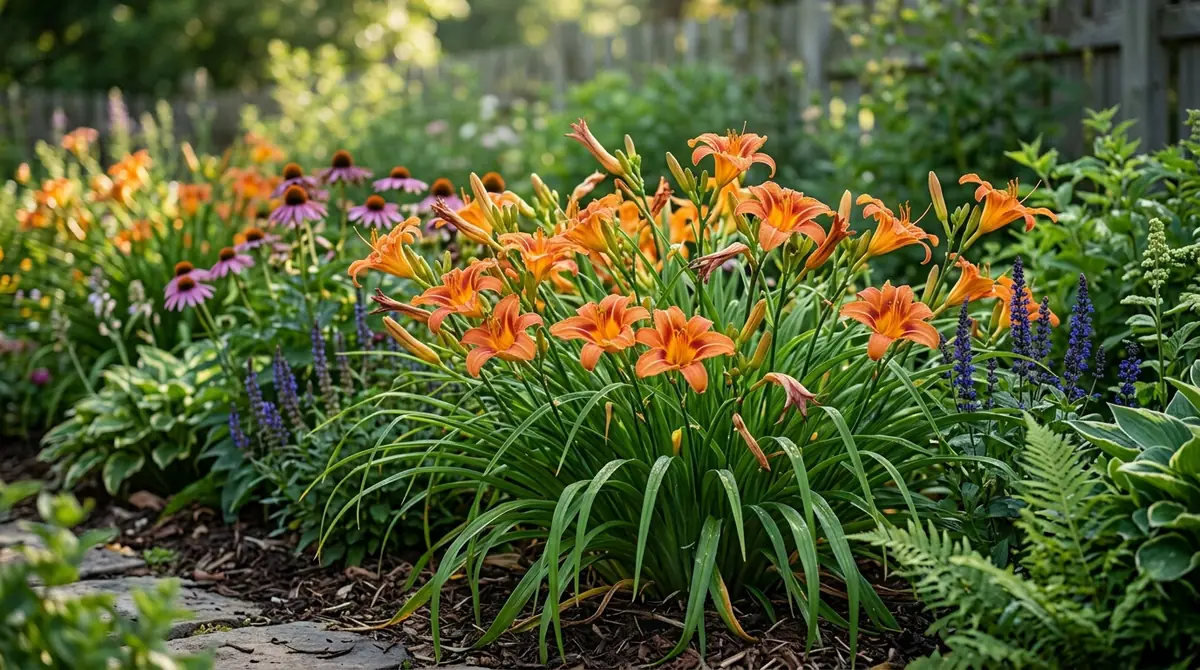
Are Daylilies Toxic? Daylily safety is a common concern for gardeners with pets, as understanding plant toxicity is key to maintaining a thriving and safe garden.
1. Botanical Overview & Natural Habitat

Native to Asia, particularly China and Japan, Hemerocallis species have been cultivated for centuries and have naturalized in many parts of the world. They thrive in a variety of environments, from dappled woodland edges to open meadows, adapting well to different soil types as long as they are not perpetually waterlogged. Their natural habitat often involves well-draining soils, moderate rainfall, and a balance of sun and shade. This adaptability is a testament to their robust genetic makeup, allowing them to flourish in gardens across diverse climates. Understanding their wild origins helps us better mimic their preferred conditions in our own landscapes, promoting healthier, more vigorous growth.
2. Essential Environmental & Care Requirements
Providing the right environment is paramount for daylily vitality and, importantly, for addressing any potential concerns about their toxicity. While daylilies are generally considered low-maintenance, optimizing their conditions ensures they grow vigorously, reducing the likelihood of stress-related issues that could mimic or exacerbate minor toxicity symptoms.
Optimal Conditions for Daylilies
| Parameter | Optimal Condition | Common Mistake | Why It Matters |
|---|---|---|---|
| Soil pH | 6.0 – 6.8 (Slightly acidic to neutral) | Alkaline soils; compacted clay soils | Proper pH ensures nutrient availability. Imbalances can lead to nutrient deficiencies, weaker growth, and increased susceptibility to diseases. |
| Sunlight | Full Sun (6+ hours) to Partial Afternoon Shade | Deep, constant shade; Intense, direct midday sun | Adequate sunlight fuels photosynthesis for robust flowering and growth. Too little light results in fewer blooms and leggy plants. Intense sun can scorch foliage. |
| Moisture | Deep, infrequent irrigation; consistently moist but not waterlogged | Overwatering; shallow, frequent watering | Promotes resilient root architecture and prevents root rot, a common issue that weakens plants and makes them vulnerable to fungal infections. |
| Temperature | USDA Zones 3-9; Tolerant of a wide range, but prefer 60-75°F (15-24°C) during the growing season | Extreme temperature fluctuations; Frost exposure during bloom | Consistent temperatures reduce stress. Extreme heat can cause wilting and blossom drop; frost can damage emerging buds and flowers. |
| Soil Biology | Rich in organic matter and beneficial microorganisms | Sterile, inert potting mixes; Depleted soil | Healthy soil biology aids in nutrient cycling, decomposition, and disease suppression, contributing to overall plant health and vigor. |
Daylilies are remarkably adaptable, thriving in USDA Plant Hardiness Zones 3 through 9. However, understanding their ideal range helps maximize their potential and resilience. They prefer a slightly acidic to neutral soil pH, ideally between 6.0 and 6.8. This range facilitates the uptake of essential macro and micronutrients. When planting, ensure your soil is well-draining; compacted, heavy clay soils can lead to root rot, a pervasive problem that weakens plants and makes them more susceptible to fungal pathogens. Incorporating organic matter, such as compost or aged manure, is crucial for improving soil structure, aeration, and fertility.
Sunlight requirements are generally full sun, meaning at least 6 hours of direct sunlight per day. However, in regions with intensely hot summers, particularly where temperatures frequently exceed 90°F (32°C), providing some afternoon shade can prevent scorching of the foliage and premature wilting of the delicate blooms. Insufficient light, on the other hand, will result in fewer flowers and spindly growth.
Moisture management is another critical aspect. Daylilies are drought-tolerant once established, but they perform best with consistent moisture. Deep, infrequent watering is far more effective than shallow, frequent sprinklings. This encourages the roots to grow deeper into the soil, creating a more resilient plant. Aim to water when the top 1-2 inches (2.5-5 cm) of soil feel dry to the touch. Overwatering is a common pitfall, especially in containers or poorly draining garden beds, leading to root rot and fungal diseases.
Environmental optimization also extends to temperature. While hardy, extreme temperature fluctuations can induce shock. Protecting plants from late spring frosts when buds are forming is important, as frozen buds will not develop properly. Similarly, during severe summer heatwaves, providing temporary shade netting can help protect the plant and its blooms.
3. Step-by-Step Cultivation, Feeding & Propagation
Mastering the cultivation of daylilies involves a straightforward yet diligent approach to planting, feeding, and propagation. These steps ensure you not only enjoy a profusion of blooms but also cultivate robust plants that are less prone to issues.
Planting Daylilies
- Site Selection: Choose a location that meets the sunlight requirements (6+ hours of sun, or dappled shade in hotter climates) and has well-draining soil.
- Soil Preparation: Amend the planting area with 2-4 inches (5-10 cm) of organic compost or well-rotted manure to enrich the soil and improve drainage. Aim for a pH between 6.0 and 6.8.
- Digging the Hole: Dig a hole that is wide and deep enough to accommodate the root system comfortably, typically about 12-18 inches (30-45 cm) wide and 12 inches (30 cm) deep for a bare-root plant or a potted specimen.
- Planting:
- Bare-root: Spread the roots out in the hole, ensuring the crown (where the roots meet the foliage) is about 1 inch (2.5 cm) below the soil surface.
- Potted: Gently remove the plant from its container, loosen any circling roots, and place it in the hole so the top of the root ball is level with the surrounding soil.
- Backfill and Water: Fill the hole with soil, gently firming it around the roots to eliminate air pockets. Water thoroughly immediately after planting to settle the soil and hydrate the roots.
Feeding Daylilies
Daylilies are generally not heavy feeders, but they respond well to a balanced, organic fertilization program.
- Initial Feeding (Spring): As new growth emerges in early spring, apply a balanced organic fertilizer, such as a 5-5-5 or 10-10-10, around the base of the plant, avoiding direct contact with the crown. This provides essential nitrogen for leafy growth.
- Bud Formation Feed: Just before the blooming season, or as flower scapes begin to form, a feeding with a fertilizer slightly higher in phosphorus (e.g., 5-10-10) can encourage more abundant blooms. Alternatively, a top-dressing of bone meal mixed into the soil can provide phosphorus.
- Post-Bloom Feeding (Optional): After flowering, a light feeding with a fertilizer rich in potassium (e.g., 5-10-10 or a kelp meal application) can help strengthen the plant for the following season and improve its overall vigor and drought tolerance.
- Fall Application (Optional): In cooler climates, a light application of compost around the base of the plant in the fall can provide slow-release nutrients and help protect the crown during winter.
💡 Pro-Tip: For container-grown daylilies, which have limited access to nutrients, a monthly application of a diluted liquid organic fertilizer during the growing season (spring through summer) can significantly boost performance and bloom production.
Propagation
Daylilies are easily propagated by division, which is best done in early spring or fall.
- Preparation: Dig up the entire clump of daylilies.
- Division: Gently pull the clump apart with your hands. For tougher clumps, a sharp spade or knife can be used to cut through the roots and crowns. Each section should have a healthy root system and at least one or two growing points (eyes).
- Replanting: Replant the divisions immediately in prepared soil, watering them in well. Space them according to their mature size.
4. Common Problems, Pests & Troubleshooting
While daylilies are hardy, they can occasionally encounter issues. Understanding these common problems and their solutions will ensure your daylilies remain healthy and vibrant.
Pests
- Aphids: These small, sap-sucking insects can cluster on new growth and flower buds, weakening the plant and distorting blooms.
- Solution: Blast them off with a strong stream of water, or use insecticidal soap for more persistent infestations. Encourage beneficial insects like ladybugs.
- Spider Mites: In hot, dry conditions, spider mites can appear, creating fine webbing and stippling on the leaves.
- Solution: Increase humidity by misting, and use insecticidal soap or horticultural oil.
- Thrips: These tiny insects can damage petals and buds, causing brown streaks and distorted flowers.
- Solution: Remove infested flowers promptly. Insecticidal soap or neem oil can be effective.
- Daylily Weevil (Hemerocallis Stem Borer): This is a more specific pest that bores into the flower stalks, causing them to wilt and preventing blooms.
- Solution: Prompt removal and destruction of infested stalks is key. This prevents the weevils from completing their life cycle. Careful inspection of new growth in spring can help catch early infestations.
Diseases
- Daylily Rust (Puccinia hemerocallis): Characterized by small, powdery, orange-red pustules on the leaves, especially in humid conditions and when plants are stressed.
- Solution: Improve air circulation by spacing plants appropriately. Remove and destroy infected leaves in the fall. Fungicides can be used as a preventative measure or to control severe outbreaks, but often good cultural practices are sufficient.
- Foliar Nematodes: These microscopic roundworms can cause stippling and yellowing of leaves, starting from the tips and progressing downwards.
- Solution: Remove and destroy infected foliage. Avoid overhead watering. Planting resistant varieties is the best long-term strategy.
- Root Rot: Caused by overwatering and poor drainage, leading to wilting, yellowing leaves, and eventually plant death.
- Solution: Ensure proper drainage and avoid overwatering. If a plant is severely affected, it may need to be dug up, the rotten roots trimmed, and replanted in better-draining soil.
⚠️ Important Caution: While daylilies are generally very tough, any plant stress – from poor soil, inconsistent watering, or pest/disease issues – can make them more vulnerable. Addressing environmental factors and potential issues promptly is the best way to maintain overall plant health and resilience.

5. Frequently Asked Questions
Are daylilies poisonous to dogs?
This is a very common concern for pet owners, and the good news is that daylilies (Hemerocallis species) are generally considered non-toxic to dogs according to major veterinary and toxicology resources like the ASPCA. While they aren't entirely free of compounds that could cause mild stomach upset if ingested in large quantities (some plants contain mild saponins), they are not considered a danger to canine health. True lilies (from the genus Lilium) and other plants like sago palms are far more toxic to pets. However, it's always best practice to discourage pets from chewing on any plant material.
Do daylilies make cats sick?
Similar to dogs, daylilies (Hemerocallis) are not classified as toxic to cats by reputable organizations like the ASPCA. True lilies (Lilium and Hemerocallis) are highly poisonous to cats, with even small ingestions causing severe kidney failure. Fortunately, daylilies do not pose this life-threatening risk. However, cats are known to nibble on plants, and ingesting any plant material can sometimes lead to mild gastrointestinal upset, such as vomiting or diarrhea. Keeping your cat from eating your daylilies is still advisable for their comfort.
How often should I water my daylilies?
Daylilies require deep, infrequent watering, especially during dry spells or when they are actively growing and blooming. Aim to water when the top 1-2 inches (2.5-5 cm) of soil feels dry. This usually translates to about once a week for established plants in the ground during typical summer conditions. Container-grown daylilies will require more frequent watering, potentially every 2-3 days in hot weather, as their soil dries out much faster. Always ensure good drainage to prevent waterlogged conditions.
Can daylilies grow in pots?
Absolutely! Daylilies are excellent candidates for container gardening. Choose a pot that is at least 12 inches (30 cm) in diameter and depth to allow for root development. Ensure the pot has adequate drainage holes. Use a high-quality potting mix that drains well, and be mindful that container plants will require more frequent watering and feeding than those planted in the ground, as their soil dries out more quickly and nutrients can leach out.
Related Guides
- Fertilizer for Daylilies
- Soil pH for Vegetable Gardening: A Comprehensive Guide
- Companion Planting for Pest Control: Natural Garden Defense
Further Reading
- ASPCA — Toxic and Non-Toxic Plants
- Ohio State University Extension — Daylily Diseases and Insect Pests
Tags:
Keep reading
🌿 Related Plants You Might Like






PlantSavvyWorld
Editorial team
PlantSavvyWorld is an independent botanical education project. Articles are drafted with AI assistance, then edited and checked against university extension services, botanical garden collections and other published horticultural sources.