

Lilies Not Flowering
Written with AI assistance, edited and checked against horticultural sources.
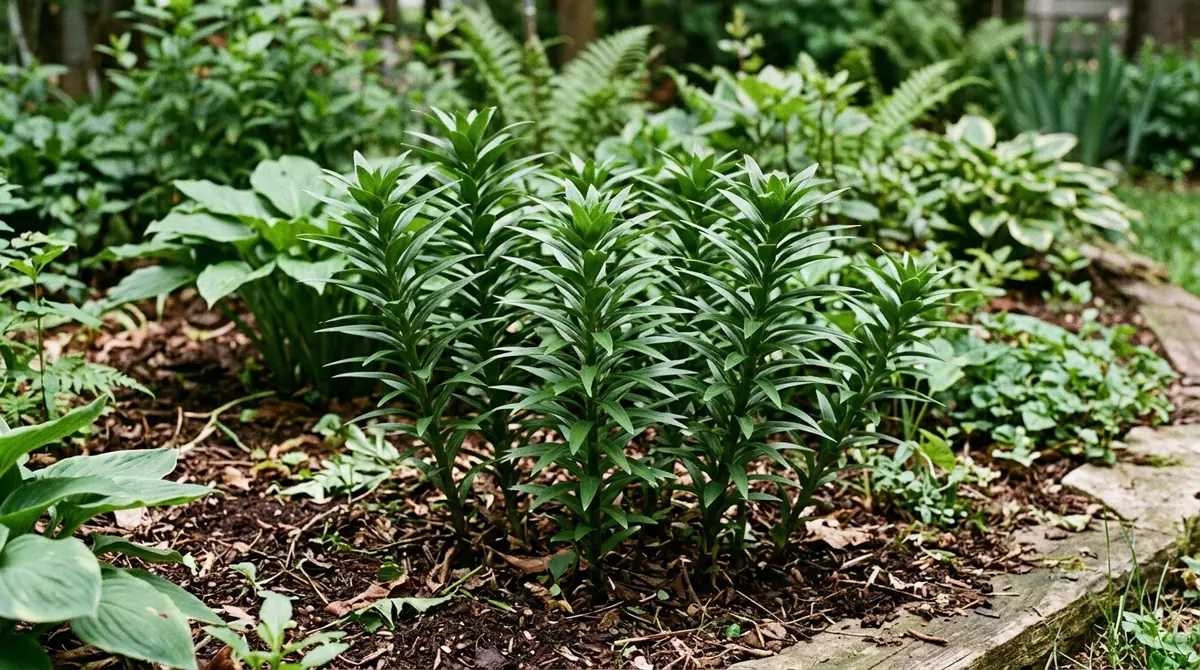
Oriental lilies (Lilium orientalis) can tower nearly four feet tall with deep, healthy, emerald-green foliage while remaining completely devoid of a single flower bud. This happens when the plants are tucked against a north-facing brick wall receiving barely three hours of direct sunlight and the bulbs are buried a mere 2 inches (5 cm) deep in heavy clay soil, preventing them from thriving despite weekly fertilization, faithful watering, and pest protection.

1. Botanical Overview & Natural Habitat
To understand why your lilies are refusing to flower, you must first understand how a lily bulb functions. Unlike true bulbs such as tulips or daffodils, which are wrapped in a protective tunic, true lilies possess naked, scaly bulbs composed of fleshy modified leaves attached to a basal plate. In their natural habitats—which span temperate, alpine, and subtropical regions across the Northern Hemisphere—these bulbs serve as underground storage organs designed to weather harsh winters and summer droughts.
True lilies rely heavily on a physiological process called vernalization. Most garden lilies—particularly Asiatic and Oriental hybrids—require a sustained period of cold winter temperatures, typically falling between 35°F and 45°F (1.7°C to 7.2°C) for a minimum of 6 to 8 weeks, to break dormancy and trigger the hormonal shift necessary for floral initiation inside the bulb. If your winter is too mild, or if bulbs are stored improperly before spring planting, the embryonic flower bud inside the bulb fails to differentiate.
Furthermore, lilies are fiercely photoperiodic and heliotropic plants. In the wild, woodland and meadow species like Lilium lancifolium (Tiger Lily) or Lilium regale emerge from forest floors or open meadows where they capture intense, unfiltered solar radiation. Photosynthesis drives carbohydrate production, which is sent downward to plump up the scales and fuel the developing flower spike for the following season. If your lilies do not receive the precise combination of light intensity, chilling hours, and soil chemistry, the plant redirects its limited energy away from reproductive success (flowering) and toward vegetative survival (leaf and stem growth).
2. Essential Environmental & Care Requirements
Failing to meet baseline environmental thresholds is the number one reason lilies stay green and bloom-free. Let us examine the exact parameters your lilies demand to initiate floral buds.
| Parameter | Optimal Condition | Common Mistake | Why It Matters |
|---|---|---|---|
| Sunlight | 6 to 8 hours of direct, unfiltered sunlight daily | Planting in shady areas or under dense tree canopies | Insufficient light halts photosynthesis, starving the bulb of the sugars required to form flower buds. |
| Soil Drainage | Highly porous, loamy, slightly acidic to neutral (pH 6.0–6.8) | Heavy, waterlogged clay soil | Poor oxygen exchange leads to basal rot and suffocates the developing root system. |
| Planting Depth | 3 times the height of the bulb (typically 6 to 8 inches / 15 to 20 cm) | Shallow planting (2 inches / 5 cm deep) | Shallow bulbs dry out rapidly, suffer from extreme temperature fluctuations, and lack structural stem-root support. |
| Watering | 1 inch (2.5 cm) of moisture weekly via rain or deep irrigation | Frequent, shallow surface watering | Shallow watering encourages surface roots that scorch in summer heat and fail to access deep moisture. |
Light is non-negotiable. Asiatic hybrids can tolerate partial shade, but Oriental, Trumpet, and OT (Orienpet) hybrids demand a full 6 to 8 hours of sun. If you live in an extremely hot climate with summer temperatures consistently exceeding 90°F (32.2°C), your lilies will benefit from morning sun and dappled afternoon shade to prevent bud blast—a physiological condition where developing flower buds dry up, turn yellow, and drop off before opening.
Soil moisture is equally critical. Lilies despise wet feet. If your garden bed retains standing water 30 minutes after a heavy rain, your bulbs are suffocating. This chronic anaerobic stress prevents the uptake of phosphorus and potassium, the two primary macronutrients responsible for floral development. For gardeners dealing with challenging heat and soil profiles, studying regional performance is key; much like selecting the Best Flowering Shrubs for Texas, choosing lily varieties matched to your USDA Hardiness Zone (typically zones 3 through 9) ensures the plant's metabolic processes align with your local climate.
💡 Pro-Tip: Mulch your lily beds with a 2-inch (5 cm) layer of shredded hardwood bark or pine straw in late spring. Lilies operate on a botanical paradox: they want their foliage and upper stems baking in the sun, but their root zones must remain cool and evenly moist. Shading the soil drops root-zone temperatures by up to 10°F (5.6°C), preventing heat stress that halts flower production.
3. Step-by-Step Cultivation, Feeding & Propagation
If you inherited a non-flowering patch of lilies or planted them incorrectly last season, it is time to reset the system. Follow this strict, step-by-step protocol to correct structural and nutritional deficiencies.
- Assess and Dig in Autumn: Wait until late autumn, after the foliage has naturally yellowed and died back to the ground. Carefully excavate the entire lily clump using a garden fork, starting 12 inches (30 cm) away from the main stems to avoid slicing through the basal plate or pulling off fragile bulb scales.
- Amend the Soil Profile: Clear the planting bed. Work coarse horticultural sand, well-rotted leaf mold, and compost into the native soil down to a depth of 12 inches (30 cm) to ensure rapid, unimpeded drainage. Aim for a slightly acidic pH between 6.0 and 6.8. Test your soil using a reliable extension-backed method, such as those detailed by the Clemson Cooperative Extension Home & Garden Information Center.
- Inspect and Separate Bulbs: Gently brush away excess soil from the harvested bulbs. Discard any bulbs showing signs of soft rot, mold, or extensive insect damage. Gently pull apart overcrowded natural offsets (bulblets) that have clustered around the mother bulb.
- Replant at the Correct Depth: Dig individual planting holes so that large bulbs sit 6 to 8 inches (15 to 20 cm) deep, and smaller bulbs sit 4 to 5 inches (10 to 13 cm) deep. Always place the bulb with the pointy end facing upward and the flattened basal plate pointing down.
- Establish Stem-Root Support: As you backfill the hole halfway, sprinkle 1 tablespoon of a balanced, low-nitrogen, high-phosphorus organic fertilizer (such as a 5-10-10 formulation) into the surrounding soil—never let raw fertilizer touch the bulb directly. Fill the rest of the hole and tamp gently.
- Water and Protect: Give the newly planted bed a deep, thorough watering of 1 inch (2.5 cm) to settle the soil around the scales. Apply your 2-inch (5 cm) layer of insulating mulch to protect the bulbs through their required winter chilling hours.
⚠️ Important Caution: Avoid high-nitrogen fertilizers (such as lawn fertilizers with a high first number like 29-0-4) anywhere near your lilies. Excess nitrogen triggers an explosion of dark green, succulent foliage while actively inhibiting the hormonal pathways responsible for flower bud formation. Stick strictly to phosphorus- and potassium-heavy amendments.
4. Common Problems, Pests & Troubleshooting
When lilies refuse to flower despite receiving adequate sunlight and correct planting depths, biological stressors are usually to blame. Here is how to diagnose and treat the usual culprits.
The Lily Beetle (Lilioceris liliensis)
This brilliant scarlet insect is the nemesis of every lily grower. Both the bright red adult beetles and their slug-like, excrement-covered larvae feed voraciously on lily leaves, stems, and developing flower buds. If your buds are chewed off before they open or your foliage is riddled with ragged holes, your plant lacks the leaf surface area to photosynthesize energy for blooms.
- Solution: Hand-pick adult beetles immediately in early spring. For heavy infestations, apply an organic spray containing Neem oil or Spinosad directly to the undersides of leaves at dusk to avoid harming beneficial pollinators. For official guidelines on managing persistent garden pests, consult the Royal Horticultural Society (RHS).
Bulb Rot and Fungal Pathogens (Botrytis elliptica and Fusarium)
If your lilies sent up shoots that suddenly turned brown, developed circular tan spots with reddish borders, or collapsed at the soil line, a fungal pathogen has invaded. Botrytis thrives in damp, stagnant air and over-watered soil, destroying the foliage before flowers can form.
- Solution: Cut infected stems down to the soil line and dispose of them in the trash—never add diseased plant material to your compost bin. Space future bulb plantings at least 12 inches (30 cm) apart to maximize air circulation between mature stems.
Overcrowding (Natural Bulb Congestion)
Over 2 to 3 years, a single lily bulb multiplies rapidly, producing a dense cluster of offsets. When too many bulbs compete for the exact same footprint of soil, nutrients and moisture are depleted instantly. The energy of the clump is spread too thin, resulting in dozens of skinny, blind (non-flowering) green stems.
- Solution: Divide congested clumps every 3 to 4 years in the autumn following the protocol outlined in Section 3.

5. Frequently Asked Questions
Why are my lilies growing tall and green but not flowering?
This is almost always caused by insufficient sunlight (less than 6 hours of direct sun) or an excess of nitrogen fertilizer. When a lily does not get enough light, it cannot manufacture the carbohydrates necessary to trigger floral bud initiation, resulting in a purely vegetative, all-green stem. Relocate the bulb to a sunnier exposure in autumn and switch to a low-nitrogen, high-phosphorus fertilizer.
Do I need to cut off dead lily stems after they finish blooming?
Yes, but timing is everything. After your lilies finish flowering, allow the green foliage to remain on the plant for at least 6 weeks, or until it turns completely yellow and dry. During this post-bloom window, the leaves continue to photosynthesize and pump vital energy down into the bulb for next year's flowers. Once the stalk is completely brown and brittle, cut it back to 1 inch (2.5 cm) above the soil line.
Can I leave my lily bulbs in the ground over winter?
In USDA Hardiness Zones 3 through 9, true lily bulbs are exceptionally hardy and should be left in the ground over winter to receive their mandatory chilling hours (vernalization). If you live in a climate with severe, uninsulated sub-zero freezes, or conversely, in tropical zones with no winter chill, you may need to lift the bulbs in autumn, store them in slightly damp peat moss in a refrigerator at 38°F to 40°F (3.3°C to 4.4°C) for 8 weeks, and replant them in spring.
Why did my lily buds turn yellow and fall off before opening?
This physiological phenomenon is known as bud blast. It is typically triggered by extreme environmental stress, such as sudden drought conditions, severe heatwaves exceeding 95°F (35°C), or heavy infestations of the scarlet lily beetle. Ensure your lilies receive consistent weekly moisture and apply a cooling organic mulch around the base of the stems to protect the root zone from thermal shock.
Related Guides
- Best Flowering Shrubs for Texas
- How Long Does It Take for Lilies to Open
- Pollen on Lilies
- How Long Do Lilies Last
📋 Table of Contents ▼ Click to expand
Tags:
Keep reading
🌿 Related Plants You Might Like





PlantSavvyWorld
Editorial team
PlantSavvyWorld is an independent botanical education project. Articles are drafted with AI assistance, then edited and checked against university extension services, botanical garden collections and other published horticultural sources.