

When Do You Plant Tomatoes in Texas
Written with AI assistance, edited and checked against horticultural sources.
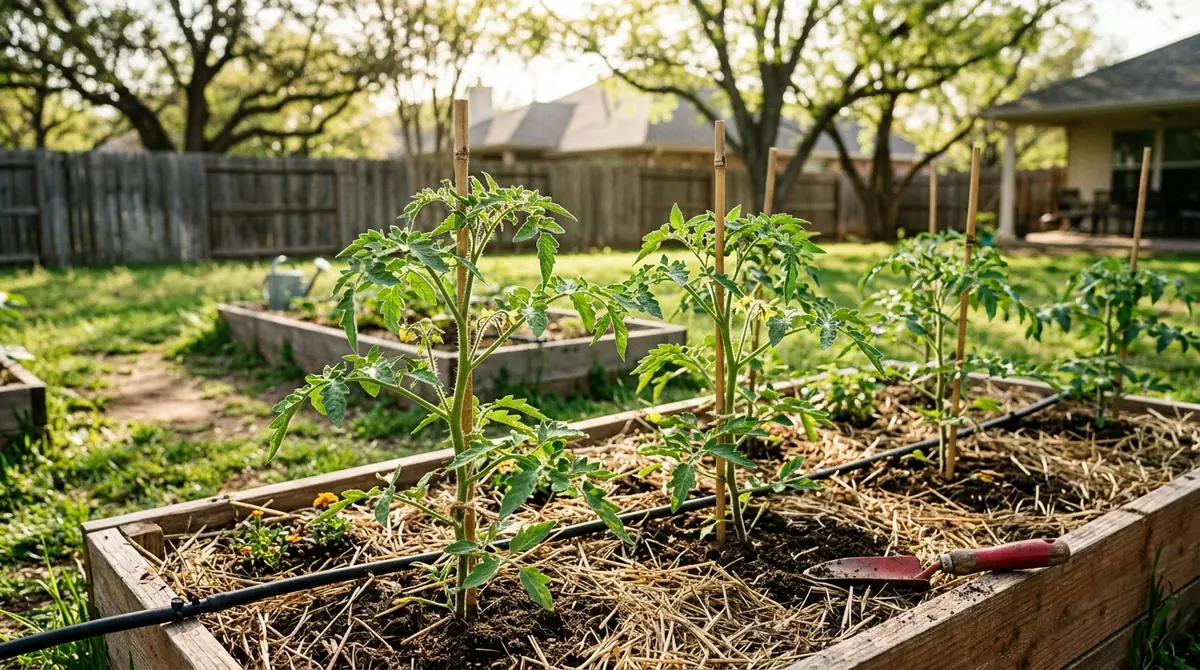
Last spring, while standing in trial gardens just outside Austin, a sudden late-April norther dropped our ambient temperature from a comfortable 82°F (28°C) down to a brisk 44°F (7°C) in less than six hours. I watched neighboring gardeners scramble to cover their freshly planted tomato beds, while my own stock—hardened off precisely according to Texas’s brutal thermal calendar—rode out the dip safely in cold frames. Timing tomato planting in the Lone Star State is not a casual weekend gardening decision; it is a high-stakes chess match against geography, humidity, and extreme heat waves. Because Texas spans USDA Hardiness Zones 6 through 9, knowing when do you plant tomatoes in texas requires dividing the state into distinct climatic pockets, mastering soil thermometer readings, and understanding the unique physiological constraints of Solanum lycopersicum.
1. Botanical Overview & Natural Habitat

In its native habitat, wild tomatoes experience warm days and cool, breezy nights. When we attempt to grow them across Texas, we are thrusting a subtropical-highland plant into environments ranging from the humid, subtropical Piney Woods of East Texas to the arid, scorching Chihuahuan Desert of West Texas.
Understanding this botanical heritage helps explain why tomatoes struggle when nighttime temperatures consistently exceed 75°F (24°C) or drop below 55°F (13°C). Pollen viability plummets outside these thermal windows, leading to blossom drop and zero fruit set. If you enjoy layering your cool-season crops with warm-weather edibles, timing your tomatoes correctly often parallels the schedule you would use when deciding when to transplant cilantro seedlings during early spring shoulder seasons.
2. Essential Environmental & Care Requirements
To cultivate high-yielding tomato plants in Texas, you must engineer a microclimate that mimics their ancestral Andean home while defending against Texan extremes.
- Sunlight: A minimum of 6 to 8 hours of direct, unfiltered morning and midday sunlight is non-negotiable. In West and Central Texas, afternoon shade cloth providing 30% to 40% filtration can save fruit from severe sunscald during July peaks.
- Soil Composition: Tomatoes demand loamy, well-draining soil rich in organic matter, with a targeted pH range of 6.2 to 6.8. Heavy Texas black gumbo clay must be amended extensively with compost, expanded shale, or aged forest products to prevent root rot and ensure proper gas exchange.
- Moisture Management: Consistent moisture is vital. Erratic watering schedules cause blossom-end rot—a physiological disorder driven by calcium uptake failure due to irregular soil moisture fluctuations. Aim for 1 to 1.5 inches (2.5 to 3.8 cm) of water weekly, delivered via drip irrigation directly to the root zone.
| Parameter | Optimal Condition | Common Mistake | Why It Matters |
|---|---|---|---|
| Soil Temperature | 65°F–85°F (18°C–29°C) | Planting when soil is below 60°F (15°C) | Cold soil stunts root development and stalls nutrient uptake, inviting fungal pathogens. |
| Ambient Night Temp | 55°F–75°F (13°C–24°C) | Planting too late into summer nights | High night temperatures sterilize pollen, halting fruit set entirely. |
| Soil pH | 6.2–6.8 | Ignoring native alkaline caliche soils | Extreme pH locks up essential micronutrients like iron, phosphorus, and calcium. |
| Planting Depth | Buried 4 to 6 inches (10–15 cm) | Shallow planting of leggy starts | Deep planting encourages adventitious roots along the buried stem, building a robust anchor. |
For regional agricultural timing guidelines, consult the Texas A&M AgriLife Extension Service, which provides localized planting calendars tailored to every county in the state.
3. Step-by-Step Cultivation, Feeding & Propagation
Because Texas features two distinct growing windows in most regions—spring and fall—your cultivation timeline must be meticulously calculated. In South and Central Texas (Zones 8 and 9), spring planting occurs between mid-February and early March, while the fall crop is planted in late July through August. In North and Panhandle Texas (Zones 6 through 7), spring planting happens from late March to mid-April, and fall crops must be established by early July.
💡 Pro-Tip: Never rely on the calendar alone. Buy an inexpensive digital soil thermometer. Do not put your tomatoes in the ground until the soil temperature at a 4-inch (10 cm) depth reads a stable 60°F (15°C) or higher for three consecutive mornings.
Follow this sequential protocol for setting out your transplants:
- Harden Off Your Starts: Gradually expose indoor-grown or nursery seedlings to outdoor conditions over 7 to 10 days, increasing sun exposure and wind stress incrementally. If you are also timing other tender crops, you can synchronize this process with when you manage your garden beds, much like planning when to transplant flower seedlings.
- Prepare the Planting Trench: Dig a trench or deep hole allowing you to bury 50% to 70% of the plant's stem. Remove the lower sets of leaves.
- Amend and Inoculate: Place a handful of organic bone meal, worm castings, and a balanced organic slow-release fertilizer into the base of the hole to stimulate early root growth and prevent early phosphorus deficiency.
- Set the Plant: Position the stripped stem horizontally or vertically into the soil. Firm the soil gently around the root ball to eliminate air pockets.
- Water In Thoroughly: Drench the root zone immediately with a dilute seaweed or kelp extract solution to mitigate transplant shock.
- Mulch Heavily: Apply a 3-inch (7.6 cm) layer of shredded hardwood bark or clean wheat straw around the base to suppress weed germination and insulate soil moisture against sudden Texas temperature swings.
- Install Support Structures: Cage or stake indeterminate varieties immediately upon planting to avoid driving stakes through established root systems later in the season.
4. Common Problems, Pests & Troubleshooting
Growing tomatoes in Texas puts you face-to-face with an aggressive lineup of pests and diseases driven by high humidity, sudden downpours, and relentless heat.
- Tomato Hornworms (Manduca quinquemaculata): These massive, green caterpillars can defoliate an entire mature plant overnight. Hand-pick them at dusk using a blacklight (they glow faintly in UV light), or apply Bacillus thuringiensis (Bt) organically when larvae are small.
- Early Blight (Alternaria solani) and Septoria Leaf Spot: Triggered by splashing rain or overhead irrigation spreading fungal spores from the soil onto lower foliage. Prune off the bottom 12 inches (30 cm) of leaves as the plant grows to maintain airflow, and apply copper-based fungicides preventatively.
- Stink Bugs and Leaf-Footed Bugs: These piercing-sucking insects puncture developing green fruit, leaving cloudy, yellow, corky spots beneath the skin. Trap crops like sorghum or purple hull peas, combined with hand-netting, offer the safest non-chemical control.
⚠️ Important Caution: Avoid using heavy synthetic broad-spectrum insecticides in your Texas tomato patch. They obliterate beneficial predatory insects like lacewings, lady beetles, and minute pirate bugs, triggering catastrophic secondary outbreaks of spider mites that thrive in dusty, hot Texan microclimates.

5. Frequently Asked Questions
What happens if I plant my tomatoes too early in Texas?
Planting before the soil and ambient temperatures stabilize subjects the plant to thermal shock. Below 50°F (10°C), cellular metabolic processes grind to a halt, phosphorus uptake ceases, and the plant turns purple, stalls out, and becomes exceptionally vulnerable to soil-borne fungal pathogens like Fusarium and Verticillium wilt.
Can I grow a fall tomato crop in Texas, and when do I start it?
Yes, fall crops are vital across most of Texas because spring plants often burn out by July. Start seeds indoors in containers during late May or June, then transplant sturdy seedlings outside in late July (for North/Central Texas) or August (for South Texas). This timing lets plants mature and set fruit as autumn night temperatures dip back below 75°F (24°C).
How do I stop my Texas tomatoes from dropping all their flowers in June?
Blossom drop is caused by extreme heat (daytime highs over 90°F/32°C or nighttime lows over 75°F/24°C) coupled with low relative humidity, which desiccates pollen. While you cannot control the weather, you can mitigate it by rigging 30% shade cloth over your plants, maintaining even soil moisture, and choosing heat-tolerant cultivars like 'Solar Fire', 'Heatmaster', or 'Celebrity'.
Should I trim the lower leaves off my tomato plants?
Yes. Once your tomato plants reach 24 to 30 inches (60 to 75 cm) in height, prune off all leaves touching or within 12 inches (30 cm) of the soil surface. This eliminates the primary pathway for soil-borne fungal spores to splash onto the foliage during heavy Texas rainstorms and dramatically improves air circulation around the lower canopy. For authoritative cultivation schedules across different microclimates, refer to resources provided by botanical institutions such as the Lady Bird Johnson Wildflower Center, which champions adapted regional growing practices.
Related Guides
- Cherry Trees in Texas
- Lavender Plant Texas
- Japanese Maple in Texas
- Do Peonies Grow in Texas
- Can Cherry Trees Grow in Texas
- How Much Sun Do Tomatoes Need
📋 Table of Contents ▼ Click to expand
Tags:
Keep reading
🌿 Related Plants You Might Like


PlantSavvyWorld
Editorial team
PlantSavvyWorld is an independent botanical education project. Articles are drafted with AI assistance, then edited and checked against university extension services, botanical garden collections and other published horticultural sources.