
Lavender Plant Texas
Written with AI assistance, edited and checked against horticultural sources.
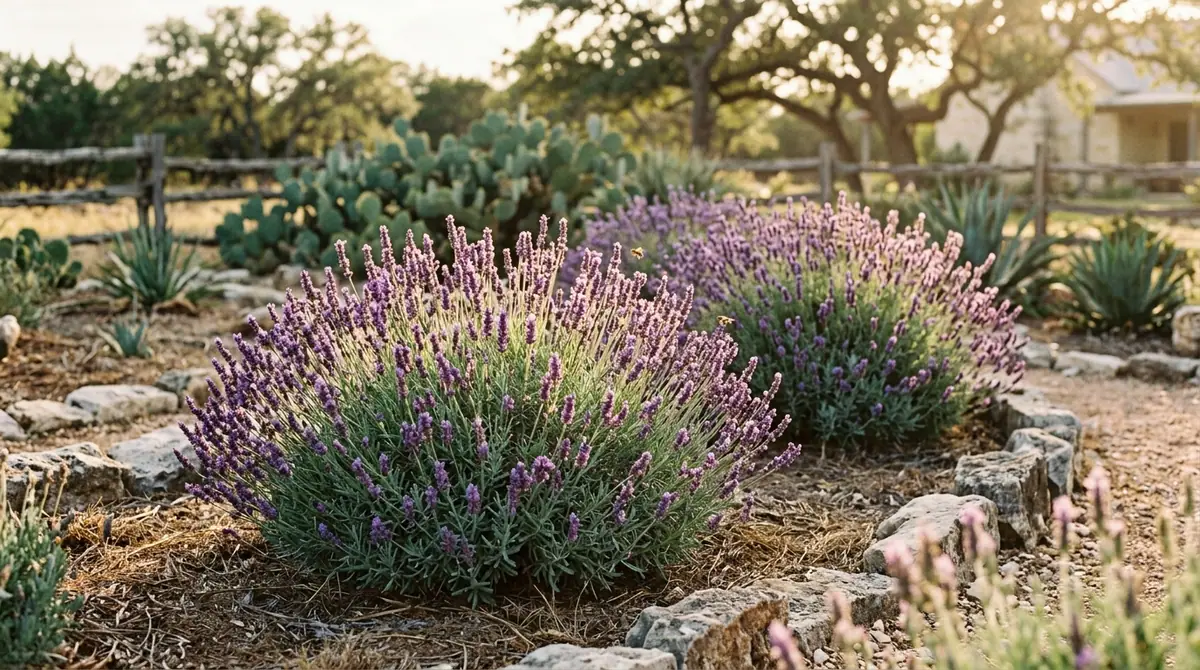
In a searing 98°F (37°C) July heat, English lavender (Lavandula angustifolia) can melt into a gray, slimy puddle in less than forty-eight hours. Lavender does not fear the heat as much as it fears the suffocating humidity that inevitably accompanies it. It is possible to successfully grow a lavender plant in hot, humid climates, but only by respecting its native climate constraints and mastering the art of soil drainage.
1. Botanical Overview & Natural Habitat

When cultivating lavender in Texas, your choice of species dictates your survival rate. True English lavender (Lavandula angustifolia) and its cultivars perform wonderfully in the panhandle and high-elevation zones (USDA Hardiness Zones 6a through 8a), but they struggle profoundly in the high humidity of East and Southeast Texas. For humid regions, or for general success across Central and South Texas, French lavender (Lavandula dentata), Spanish lavender (Lavandula stoechas), and hybrid lavandins (Lavandula x intermedia) are vastly superior choices. Lavandins—crosses between L. Angustifolia and L. Latifolia—produce larger plants with high camphor content, making them naturally more resilient to pests and heat, growing up to 36 inches (91 cm) tall and wide.
| Parameter | Optimal Condition | Common Mistake | Why It Matters |
|---|---|---|---|
| Soil pH | 6.5 to 7.5 (alkaline to neutral) | Planting in acidic Texas pineywoods soil (< 6.0) | Acidic soil destroys beneficial root microbes and accelerates root rot. |
| Drainage | Rapid percolation; sandy or gravelly loam | Heavy clay without amendments | Standing water suffocates roots within 48 hours, inducing Phytophthora. |
| Sunlight | 6 to 8+ hours of direct, unshaded sunlight | Partial shade or crowding from larger shrubs | Insufficient light leads to leggy growth, reduced essential oil production, and fungal attacks. |
| Air Circulation | Open, breezy locations | Planting in enclosed courtyards or thick mulch | Trapped humidity around the crown causes fungal leaf spot and stem rot. |
2. Essential Environmental & Care Requirements
Creating a thriving lavender plant in Texas is entirely an exercise in mimicking arid Mediterranean conditions. You cannot change the regional climate, but you can meticulously control your microclimate.
Sunlight is non-negotiable. Lavender requires a minimum of 6 hours of direct sun daily, though 8 to 10 hours is ideal. In the intense Texas sun, afternoon shade is rarely necessary unless you are growing delicate potted specimens that bake against uninsulated west-facing brick walls where ambient temperatures can spike to 110°F (43°C).
Soil preparation is the single most critical factor determining success. Texas soils range from the heavy alkaline vertisols of the Blackland Prairie to the acidic sands of East Texas and the caliche-heavy limestone of the Hill Country. If you have heavy clay, never dig a simple hole and drop the plant in; you will inadvertently create a clay bowl that holds water like a bathtub. Instead, amend the native soil with expanded shale, coarse horticultural sand, and compost to a depth of at least 12 inches (30 cm), or plant in raised beds elevated 8 to 12 inches (20 to 30 cm) above grade.
Watering must be disciplined. Established lavender requires deep, infrequent irrigation. In the heat of a Texas summer (temperatures consistently above 90°F / 32°C), water deeply once every 7 to 10 days only after checking that the top 3 inches (7 cm) of soil are completely bone dry. Never use overhead sprinklers; drip irrigation or soaker hoses directed strictly at the root zone keep foliage dry and prevent foliar diseases.
⚠️ Important Caution: Never mulch lavender with organic wood chips, shredded bark, or pine needles. Organic mulches retain moisture against the crown of the plant, sealing in humidity that invites crown rot (Colletotrichum or Rhizoctonia). Instead, top-dress your soil with a 1-inch (2.5 cm) layer of decomposed granite, pea gravel, or crushed limestone, which reflects heat, deters weeds, and keeps the root collar bone-dry.
Fertilization is rarely needed and often counterproductive. Lavender evolved in nutrient-poor soils. Applying synthetic nitrogen fertilizers or rich compost annually forces a flush of soft, succulent green growth that is highly vulnerable to sucking insects and fungal pathogens, while simultaneously reducing the concentration of aromatic essential oils in the blooms. If your soil is exceptionally poor, incorporate a light dusting of agricultural lime and bone meal at planting time to supply slow-release calcium and phosphorus.
3. Step-by-Step Cultivation, Feeding & Propagation
Timing is everything in Texas horticulture. While gardeners in other regions plant in late spring, Texas growers achieve the highest establishment rates by planting in autumn (October through November). Fall planting allows root systems to expand deeply into the soil while ambient air temperatures remain mild (60°F to 80°F / 15°C to 27°C), avoiding the extreme shock of a Texas summer.
Step-by-Step Planting Guide
- Select the Site: Choose a location with full sun and unobstructed airflow. If your native soil is heavy clay, construct a raised bed or select a slope that naturally sheds water.
- Prepare the Hole: Dig a planting hole twice as wide as the nursery container, but keep it at the exact same depth as the root ball. Incorporate a 50/50 mix of native soil and coarse horticultural sand or expanded shale if drainage is questionable.
- Inspect and Tease Roots: Remove the lavender plant from its pot. Gently tease out any circling roots using your fingers to prevent girdling.
- Position the Plant: Set the plant in the hole, ensuring that the crown (the point where stems meet the root system) sits slightly above the surrounding soil line—about 0.5 inches (1.3 cm) high. Settling will occur naturally.
- Backfill and Tamp: Fill the hole with the amended soil mixture, pressing down gently with your hands to eliminate large air pockets without compressing the soil too densely.
- Initial Irrigation: Water the root zone thoroughly once to settle the soil. For regional timing benchmarks on cool-season crops grown alongside your landscape perennials, consult guides such as When to Plant Carrots in Zone 8a or When to Plant Brussel Sprouts in Zone 7.
- Apply Mineral Mulch: Spread pea gravel or decomposed granite in a 12-inch (30 cm) radius around the base of the plant, keeping the stone 1 inch (2.5 cm) away from actual contact with the woody stems.
For those interested in expanding their herb and vegetable gardens across different climates, regional planting schedules offer valuable timing parallels; for instance, understanding soil warmth and frost dates is just as crucial for root development as it is when reviewing timelines like When to Plant Beets in Kansas.
Propagation is best achieved through semi-hardwood cuttings taken in late spring. Select non-flowering shoots measuring 3 to 4 inches (7 to 10 cm) in length. Strip the leaves from the bottom half of the cutting, dip the wounded node in a rooting hormone powder, and insert it into a sterile propagation medium composed of equal parts perlite and coarse sand. Maintain a warm environment around 75°F (24°C) with bright, indirect light. Roots typically form within 21 to 30 days, after which the young plants can be potted up into individual 4-inch (10 cm) containers.
4. Common Problems, Pests & Troubleshooting
Even with immaculate care, the unpredictable nature of Texas weather throws curveballs. Recognizing stress symptoms early saves plants from total collapse.
Root rot is the primary killer of lavender in Texas. It is caused by soil-borne oomycetes like Phytophthora that thrive in waterlogged, warm soils. Symptoms include sudden wilting despite adequate soil moisture, yellowing lower foliage, and a dark, mushy stem base. Once root rot takes hold, recovery is rare. Prevention is the only reliable defense: ensure proper drainage and never let saucers sit beneath potted lavender plants.
Foliar fungal diseases, such as powdery mildew and septoria leaf spot, appear during damp spring seasons or in yards with stagnant air flow. You will notice white, powdery patches on leaves or dark necrotic spots. Combat this by pruning surrounding vegetation to maximize airflow, watering strictly at the base in the early morning hours, and applying a preventive copper soap or biofungicide containing Bacillus subtilis if outbreaks recur.
Pests are generally deterred by lavender's high concentration of volatile aromatic oils, but spittlebugs and whiteflies occasionally infest tender new growth in spring. Spittlebugs leave frothy white masses on stems; simply blast them off with a strong jet of water from your garden hose. Avoid broad-spectrum synthetic insecticides, as they destroy beneficial predatory insects like lady beetles and parasitic wasps that keep aphid populations naturally balanced.
Pruning mistakes account for the vast majority of declining landscape lavender. Never shear lavender into formal, tight hedges like boxwoods, and never cut deep into old, woody stems that lack green growth; old wood rarely regenerates new shoots. Instead, perform an annual light haircut right after the primary summer bloom cycle finishes (typically July or August in Texas). Cut back the green flowering stems by about one-third, shaping the plant into a tidy dome while leaving at least 1 inch (2.5 cm) of green foliage above the woody base.
💡 Pro-Tip: To maximize your lavender's lifespan in Texas, practice the "one-third rule" of pruning every single year without fail. Gardeners often hesitate to prune because they want more flowers, but failing to shear back post-bloom growth causes the center of the shrub to splay open, trapping moisture and inviting wood rot that splits the entire plant apart by its third year.

5. Frequently Asked Questions
What is the best variety of lavender to grow in Texas?
French lavender (Lavandula dentata) and Spanish lavender (Lavandula stoechas) are the most reliable performers across Central, South, and Coastal Texas because they tolerate high humidity and heat far better than English varieties. For West Texas and the Panhandle, where summers are dry and winters are crisp, English lavender (Lavandula angustifolia) and lavandins (Lavandula x intermedia) like 'Phenomenal' or 'Grosso' excel. For authoritative regional plant adaptability lists, reference resources provided by Texas A&M AgriLife Extension Service.
Can lavender survive freezing Texas winters like the 2021 Uri freeze?
Yes, established, well-drained lavender plants are surprisingly cold-hardy down to USDA Zone 5 or 6, depending on the species. The primary danger during extreme winter freeze events like Winter Storm Uri is not the sub-freezing air temperature itself, but rather the combination of frozen saturated soil and freezing winds. Plants sitting in soggy clay soil suffer severe root heaving and cellular rupture. Ensuring sharp drainage before winter arrives is your best insurance policy.
Why is my lavender turning brown and dying from the inside out?
This condition, known as "center die-out," occurs when plants are overcrowded, shaded by neighboring landscape shrubs, or left unpruned for multiple seasons. As the outer canopy expands, it blocks sunlight and air circulation from reaching the interior woody stems, causing those inner leaves to drop and the stems to die. Prevent this by spacing plants at least 36 to 48 inches (90 to 120 cm) apart and maintaining annual post-bloom shaping cuts.
How often should I water established lavender in the ground?
In the dead of a Texas summer, established in-ground lavender typically requires deep watering once every 7 to 10 days. During spring and autumn, rainfall is often entirely sufficient, requiring irrigation only during extended drought periods (once every 14 to 21 days). Always let the root zone dry out completely between watering sessions. When in doubt, dig down 2 inches (5 cm) with your finger; if the soil feels cool or damp at that depth, withhold water entirely. For advanced insights on maintaining Mediterranean herbs alongside seasonal crops, you can explore regional planting frameworks such as When to Plant Bok Choy Zone 7.
Related Guides
- Does Lavender Grow in Texas
- Lavender Ants
- Cherry Trees in Texas
- Japanese Maple in Texas
- Do Peonies Grow in Texas
- Will a Cherry Tree Grow in Texas
- Can Cherries Grow in Texas
- When to Plant Watermelons in Texas
📋 Table of Contents ▼ Click to expand
Tags:
Keep reading
🌿 Related Plants You Might Like
PlantSavvyWorld
Editorial team
PlantSavvyWorld is an independent botanical education project. Articles are drafted with AI assistance, then edited and checked against university extension services, botanical garden collections and other published horticultural sources.