

When to Plant Bok Choy Zone 7
Written with AI assistance, edited and checked against horticultural sources.
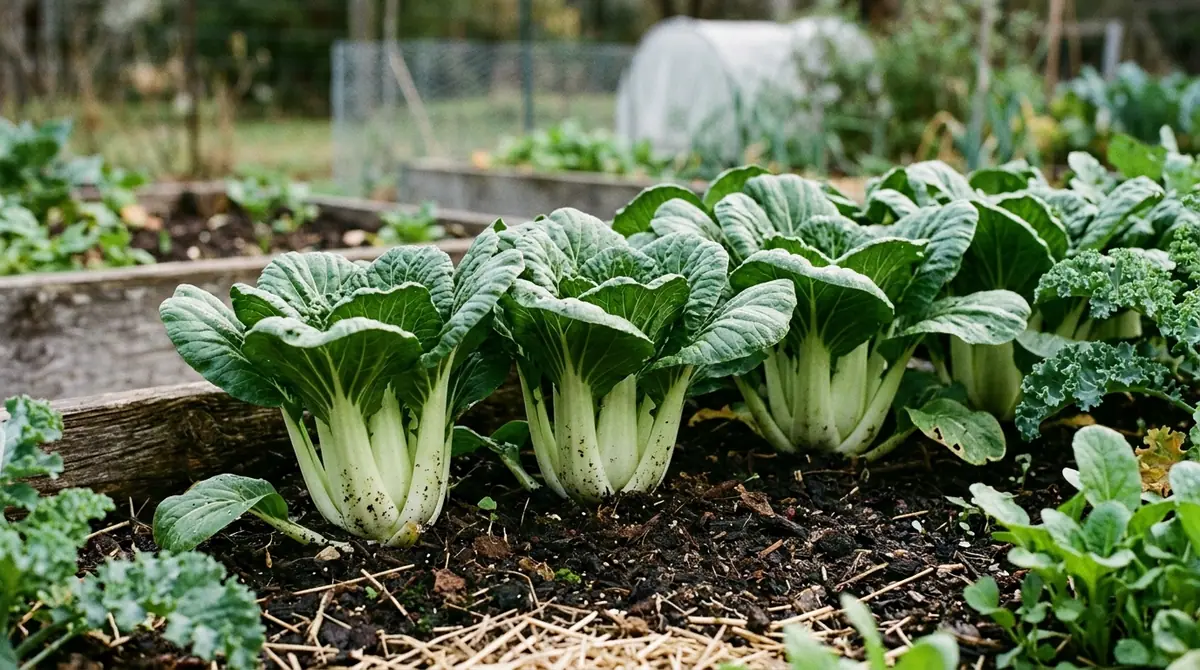
I stood in trial gardens on an unseasonably warm April morning in Zone 7, holding a basket of crisp, ivory-stemmed bok choy that had suddenly turned bitter, split open, and erupted in bright yellow flowers overnight. I had planted them two weeks too late, misjudging the rapid transition from our final frost to the harsh heat of late spring. That heartbreaking crop failure taught me a lesson I have never forgotten: in USDA Hardiness Zone 7, where winters transition swiftly into unpredictable springs and long, baking summers, timing is everything for cool-season brassicas.

1. Botanical Overview & Natural Habitat
Bok choy (Brassica rapa subsp. chinensis), also known as pak choi or white-stemmed Chinese cabbage, belongs to the Brassicaceae family. Native to the river basins of China, this cool-season leafy vegetable evolved to thrive in moist, temperate conditions with high ambient humidity and moderate sun exposure. Unlike head-forming cabbages, bok choy produces thick, fleshy, water-rich leaf stalks (petioles) radiating from a central base, terminating in dark green, spoon-shaped blades.
From a botanical perspective, bok choy is a biennial grown as an annual. It possesses a shallow, fibrous root system that concentrates primarily in the top 6 to 12 inches (15 to 30 cm) of soil, making it sensitive to drought and physical disturbance—a trait it shares with delicate root crops and cool-season herbs like those discussed in our guide on When to Transplant Cilantro Seedlings. Because it evolved in temperate, high-latitude Asian climates, its physiological processes slow down or shift radically when exposed to environmental stressors like photoperiod length and extreme temperatures.
Understanding when to plant bok choy in Zone 7 depends on recognizing that this plant is a photoperiod- and thermal-sensitive crop. When days lengthen past 14 hours and temperatures consistently exceed 75°F (23.9°C), the plant perceives this as an environmental cue that its survival window is closing. It immediately initiates bolting—the rapid elongation of the floral stem and subsequent flowering—which converts energy away from leaf and stalk production and triggers the release of bitter glucosinolates as a defense mechanism.
To prevent this, Zone 7 gardeners must target two distinct growing windows:
- Spring Crop: Plant seeds or transplants directly into the garden 4 to 6 weeks before the last average spring frost date (typically mid-March to early April, depending on whether you are in Zone 7a or 7b).
- Fall Crop: Sow seeds in late summer (mid-August to early September) so the crop matures during the cooling days and crisp nights of October and November.
2. Essential Environmental & Care Requirements
To produce heavy, tender, and sweet bok choy heads in Zone 7, you must replicate its native woodland-margin and river-valley habitat. This means providing fertile, highly organic soil paired with consistent moisture.
| Parameter | Optimal Condition | Common Mistake | Why It Matters |
|---|---|---|---|
| Soil pH | 6.5 to 7.5 | Planting in acidic soil (< 6.0) | Low pH increases susceptibility to clubroot disease and stunts nutrient uptake. |
| Soil Moisture | Consistently moist (1 inch of water/week) | Alternating drought and heavy soaking | Uneven watering causes petioles to crack, split, or become woody and bitter. |
| Sunlight | 4 to 6 hours of direct sun (partial shade in afternoon) | Baking in full, all-day mid-summer sun | Excessive heat and intense light trigger premature bolting and flowering. |
| Temperature | 50°F to 70°F (10°C to 21.1°C) | Exposing to hard freezes below 28°F (-2.2°C) without cover | Extreme cold ruins leaf cells, while heat destroys flavor profiles. |
Soil preparation is the foundational step for brassicas. Incorporate 2 to 3 inches (5 to 7.5 cm) of well-rotted compost into the top 8 inches (20 cm) of your garden bed a week before planting. This builds a crumbly, well-draining loam that retains moisture without waterlogging the shallow root zone.
💡 Pro-Tip: If your Zone 7 spring is warming up faster than anticipated, cheat the system by planting your bok choy on the eastern side of taller structural plants, such as trellised peas or early brassicas. This provides natural afternoon shade, lowering ambient leaf temperature by 5°F to 8°F (-15°C to -13.3°C) and buying you two extra weeks of harvest time before bolting begins.
3. Step-by-Step Cultivation, Feeding & Propagation
Growing top-tier bok choy from seed to harvest takes between 45 and 60 days for standard varieties, while dwarf types can mature in as little as 30 days. For those transitioning starts from indoor trays, the process requires the same careful hardening-off protocols used when managing delicate ornamentals or evaluating When to Transplant Flower Seedlings.
Follow this strict step-by-step protocol for direct-sowing or transplanting your Zone 7 crop:
- Select and Prepare the Bed: Choose a location with well-draining soil. Clear all debris and work in a balanced organic fertilizer (such as a 5-10-10 blend) at a rate of 1 pound per 100 square feet (450g per 9 square meters) to supply initial phosphorus for root development.
- Sow the Seeds at Precise Depths: Plant seeds 0.25 to 0.5 inches (0.6 to 1.3 cm) deep. Space individual seeds 1 inch (2.5 cm) apart in rows spaced 12 to 18 inches (30 to 45 cm) apart.
- Manage Germination: Keep the soil consistently moist using a fine mist setting on your watering wand. Seeds will germinate within 4 to 8 days when soil temperatures range between 45°F and 75°F (7.2°C and 23.9°C).
- Perform Strategic Thinning: Once seedlings reach 3 inches (7.5 cm) tall, thin them out in stages. For miniature varieties, space final plants 4 to 6 inches (10 to 15 cm) apart; for standard, full-sized varieties like 'Hong Vit' or 'Mei Qing Choi', thin plants to 8 to 12 inches (20 to 30 cm) apart. Never skip this step, as crowded plants compete for light and bolt prematurely.
- Apply Targeted Side-Dressing: At 3 weeks post-emergence, side-dress the plants with a nitrogen-rich organic amendment, such as blood meal or a liquid fish emulsion diluted to half-strength. Nitrogen fuels the rapid expansion of lush, green leaf tissue.
- Maintain Moisture Discipline: Provide 1 inch (2.5 cm) of water weekly via drip irrigation or soaker hoses. Avoid overhead splashing, which encourages fungal spore transmission.
- Harvest at Peak Maturity: Harvest either by cutting the entire head 1 inch (2.5 cm) above the soil line, or by selectively snapping off outer leaves as "cut-and-come-again" greens. Ensure harvesting is completed before daytime temperatures consistently exceed 75°F (23.9°C).
⚠️ Important Caution: Never handle or harvest your bok choy while the foliage is wet from dew or rain. Wet leaves easily transfer bacterial pathogens like Xanthomonas campestris (black rot) through microscopic abrasions on the plant tissue, ruining an entire crop in a matter of days.
For authoritative regional data on brassica cultivation schedules and soil testing protocols tailored to the mid-Atlantic and southern transitions of Zone 7, consult the Virginia Cooperative Extension or the Clemson Cooperative Extension.
4. Common Problems, Pests & Troubleshooting
Even with perfect timing, Zone 7 gardens present specific challenges for tender greens. Here is how to diagnose and treat the most frequent threats:
Flea Beetles (Phyllotreta species)
These tiny, jumping metallic beetles chew hundreds of "shot holes" into young bok choy leaves, stunting growth.
- Solution: Immediately cover newly planted seedlings with floating row covers upon planting. Remove them only when plants are large enough to withstand minor damage, or dust plants with food-grade diatomaceous earth after any rain or irrigation event.
Cabbage Loopers (Trichoplusia ni) and Imported Cabbageworms
Pale green caterpillars that feed voraciously between leaf veins, leaving large, ragged holes and dark frass.
- Solution: Handpick caterpillars daily at dawn or dusk. For severe infestations, spray the undersides of leaves with Bacillus thuringiensis (Bt), a naturally occurring soil bacterium that targets chewing caterpillars safely without harming beneficial pollinators.
Slugs and Snails
Thriving in the damp, cool microclimates common during Zone 7 spring and fall plantings, these mollusks rasp large, smooth cavities into leaf stalks.
- Solution: Clear away heavy mulch from the immediate base of the stems, set out iron phosphate-based slug baits, or install copper tape barriers around raised bed perimeters.
Tip Burn and Calcium Deficiency
Marginal browning or necrosis along the outer leaf edges, often caused by irregular watering patterns rather than a true soil calcium deficiency.
- Solution: Stabilize your watering regimen. Consistent moisture ensures the continuous transpiration stream needed to deliver mobile calcium ions to rapidly expanding leaf margins.

5. Frequently Asked Questions
Can I grow bok choy in Zone 7 during the dead of summer?
Growing standard bok choy during July and August in Zone 7 is generally unsuccessful. High temperatures consistently exceeding 85°F (29.4°C) coupled with long daylight hours will force the plant to bolt within days of germination, rendering the leaves tough, stringy, and intensely bitter. Save your summer garden space for heat-loving crops, and if you are planning ahead for warm-weather adjustments, review our guide on When to Top Pepper Plants.
How do I protect my fall bok choy crop from unexpected early freezes?
Zone 7 autumns feature mild days, but overnight temperatures can occasionally plunge below 28°F (-2.2°C) by late November. Bok choy is remarkably frost-tolerant and actually tastes sweeter after a light frost, as the plant converts starches into protective sugars. However, for hard freezes predicted below 25°F (-3.9°C), drape a medium-weight frost cloth (rated for 4°F to 8°F protection) directly over hoops on your garden beds, securing the edges tightly with soil or bricks.
Should I start bok choy seeds indoors or direct-sow them?
Direct-sowing is always preferred for bok choy because its fragile taproot and shallow root system react poorly to transplant shock. Disturbed roots can stall growth for up to two weeks, triggering premature bolting. If you must start seeds indoors to beat an exceptionally wet spring, use biodegradable peat pots that can be planted directly into the soil without disturbing the root ball—a similar technique to the one outlined in our guide on When to Start Tomato Seeds Indoors Zone 6.
What are the best bok choy varieties for Zone 7 microclimates?
Look for varieties specifically bred for bolt-resistance and rapid maturity. For spring plantings, choose 'Mei Qing Choi' (a compact, heat-tolerant dwarf variety) or 'Joi Choi' (a large, vigorous hybrid that resists bolting longer into late spring). For fall plantings, heirloom varieties like 'Chihli' or standard 'Shanghai Green' perform exceptionally well as temperatures drop and day lengths shorten.
Related Guides
- What Hardiness Zone is Sacramento
- What Planting Zone is Sacramento Ca
- What Zone is Columbus Ohio
- What Planting Zone is Virginia in
- Zone 9 Plants Full Sun
📋 Table of Contents ▼ Click to expand
Tags:
🌿 Related Plants You Might Like


PlantSavvyWorld
Editorial team
PlantSavvyWorld is an independent botanical education project. Articles are drafted with AI assistance, then edited and checked against university extension services, botanical garden collections and other published horticultural sources.