

What Planting Zone is Sacramento Ca
Written with AI assistance, edited and checked against horticultural sources.
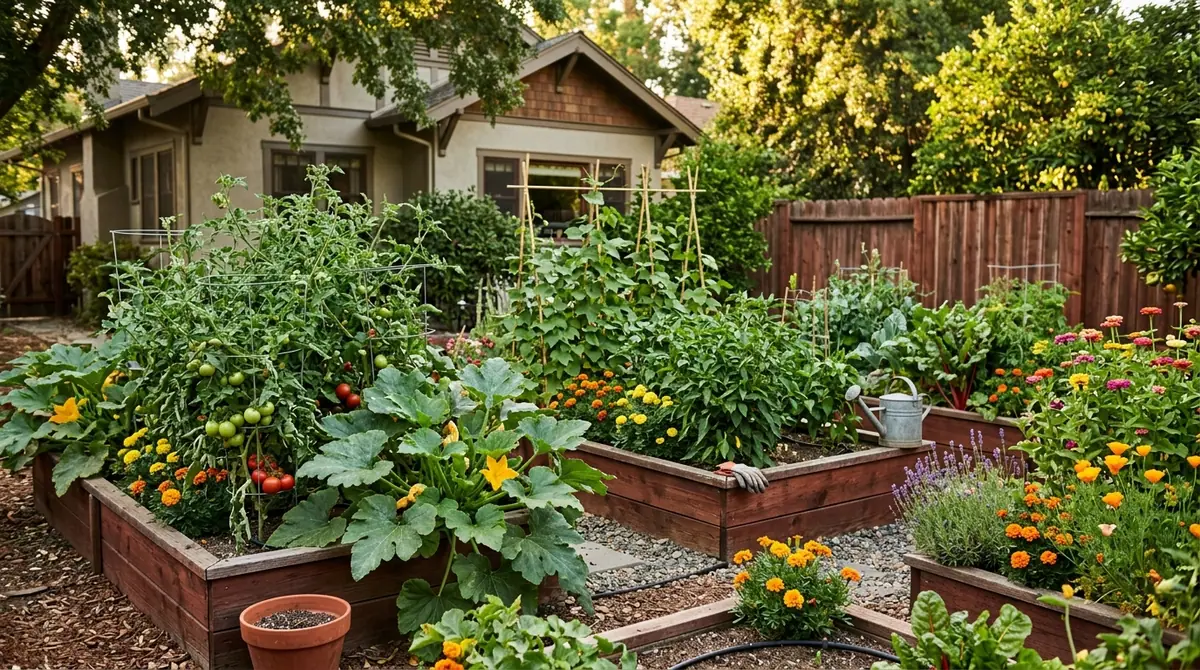
Standing over a struggling heritage tomato plant in a mid-July Sacramento backyard while the thermometer hit 104°F (40°C), I finally understood why mastering local climate zones dictates every design choice in California's Central Valley. I hear the exact same question from gardeners every single week: "What planting zone is Sacramento CA?"

1. Botanical Overview & Natural Habitat
Sacramento's native ecosystem is a vibrant mosaic of valley grassland, oak woodland, and riparian corridors. Historically shaped by seasonal flooding from the Sacramento and American Rivers, the native flora evolved to endure bone-dry summer droughts followed by saturated winter soils. When we translate this to residential landscape design, plants that mimic this Mediterranean rhythm—deep-rooting perennials, drought-tolerant shrubs, and heat-adapted trees—perform exponentially better than eastern or tropical imports.
To put our climate into precise metrics, Sacramento averages over 260 sunny days per year. Our winter lows briefly dip below freezing on 10 to 15 nights annually, while summer highs reliably exceed 95°F (35°C) for weeks on end, frequently topping 105°F (40.6°C). Rainfall is concentrated entirely between November and April, averaging roughly 18 inches (45.7 cm) annually, leaving our long summer months completely dry.
Soil composition across the Sacramento grid and surrounding suburbs varies wildly. Downtown and older neighborhoods often feature alluvial loam deposited by historic river flooding, while suburban developments in Elk Grove or Roseville frequently encounter dense San Joaquin clay hardpan layers sitting just 18 to 24 inches (45.6 to 61 cm) below the surface. Before planting anything substantial, you must test your soil drainage. If you are experimenting with cool-season vegetables, you might find our winter timing aligns similarly with those planning When to Plant Brussel Sprouts in Zone 7 or those coordinating When to Plant Bok Choy Zone 7, though our winter minimums are noticeably milder. Conversely, if you have gardened in harsher climates, our growing calendar is far more forgiving than trying to figure out When Plant Potatoes Zone 5 where late spring frosts linger endlessly.
2. Essential Environmental & Care Requirements
Managing a Zone 9b / Sunset Zone 14 garden requires mastering three critical environmental variables: intense summer solar radiation, precise irrigation scheduling, and soil amendments that break through native clay compaction.
Sun exposure in the Central Valley is exceptionally harsh. Plants labeled as "full sun" in coastal nurseries often sunburn, bleach, or drop their blossoms when subjected to Sacramento's afternoon sun angles in July and August. Providing afternoon shade via architectural structures, arbors, or companion canopy trees is often the difference between a thriving perennial border and scorched botanical debris.
💡 Pro-Tip: When designing planting beds in Sacramento, orient your drip irrigation emitters to run deep and slow rather than short and frequent. Delivering water 12 inches (30.5 cm) deep encourages roots to chase moisture downward, protecting them from the extreme surface heat that bakes shallow-rooted plants.
Irrigation is your primary maintenance task. Because summer relative humidity frequently drops below 20%, evaporation rates are staggering. Native plants and Mediterranean selections establish easily with deep watering every 10 to 14 days once mature, whereas traditional lawns and summer vegetable gardens require rigorous, automated oversight.
For reliable, science-based local water schedules and climate data, consult the UC Master Gardener Program of Sacramento County, an invaluable regional resource for home horticulturists.
| Parameter | Optimal Condition | Common Mistake | Why It Matters |
|---|---|---|---|
| Soil Drainage | Loam with percolation >1 inch/hr | Planting directly into undisturbed clay hardpan | Prevents root rot during winter saturation and allows root penetration in summer |
| Summer Sun Exposure | Morning sun, dappled afternoon shade for tender leaves | Exposing shade-loving plants to unshielded 2 PM western sun | Prevents leaf scorch, blossom drop, and rapid moisture depletion |
| Irrigation Depth | Deep soaking to 12-18 inches (30-45 cm) | Shallow, daily sprinkling that wets only the topsoil | Encourages weak root systems vulnerable to rapid surface evaporation |
| Mulch Application | 3 inches (7.6 cm) of organic arbor mulch | Piling mulch directly against plant stems and tree trunks | Retains vital soil moisture and suppresses weeds while preventing fungal rot |
3. Step-by-Step Cultivation, Feeding & Propagation
Transitioning a yard into a productive, climate-adapted landscape requires a disciplined sequence. Whether you are installing drought-tolerant ornamental beds or planning your edible garden layout—perhaps incorporating techniques similar to those used when deciding When to Start Tomatoes Indoors Zone 6 or timing When to Start Tomato Seeds Indoors Zone 6 weeks ahead of our own frost-free window—timing is everything.
Here is my proven, step-by-step cultivation protocol for establishing new garden beds in Sacramento:
- Site Assessment & Percolation Testing: Dig a hole 12 inches (30.5 cm) deep and fill it with water to test drainage. If it drains slower than 1 inch (2.5 cm) per hour, plan to incorporate gypsum and organic compost or build raised beds.
- Soil Amendment & Tilling: Spread 3 inches (7.6 cm) of well-aged compost across the planting area. Incorporate it into the top 6 to 8 inches (15 to 20 cm) of native soil to improve microbial life and crumb structure without creating a perched water table.
- Irrigation Infrastructure Setup: Install inline drip tubing with emitters spaced 12 to 18 inches (30 to 45 cm) apart. Test the system manually to ensure complete wetting patterns across the entire bed before installing any plant material.
- Planting Depth Adjustment: Dig planting holes twice as wide as the nursery container but exactly the same depth. Ensure the root collar sits 0.5 to 1 inch (1.3 to 2.5 cm) above the surrounding grade to account for natural settling.
- Initial Watering & Settling: Soak the root ball thoroughly immediately after placement to eliminate air pockets. Apply a gentle organic starter fertilizer high in phosphorus to stimulate root growth.
- Mulching: Apply a 3-inch (7.6 cm) layer of coarse organic mulch across the entire bed, maintaining a 2-inch (5 cm) clearance ring around all woody stems to prevent crown rot.
- Establishment Monitoring: Water young plants every 3 to 5 days for the first two weeks, gradually tapering frequency while increasing duration as roots anchor into the native soil profile.
⚠️ Important Caution: Never amend individual planting holes with rich potting soil when planting trees or large shrubs in clay soils. This creates a "bathtub effect" where water drains easily through the amended hole, hits the surrounding clay wall, and pools around the roots, suffocating the plant.
4. Common Problems, Pests & Troubleshooting
Sacramento’s unique climate creates specific pest and disease pressures that every local gardener must monitor.
The most pervasive insect issue is the Aphid and Whitefly complex, which thrives during our warm spring temperature spikes. Ladybugs and lacewings are fantastic biological controls, but severe infestations on tender new growth may require targeted applications of insecticidal soaps or horticultural oils applied strictly at dawn or dusk to avoid baking foliage in the sun.
Blossom Drop is another frequent heartbreak for local tomato and pepper growers. When daytime temperatures consistently exceed 90°F (32.2°C) and nighttime lows stay above 75°F (23.9°C), pollen sterility occurs, causing flowers to drop without setting fruit. Shading your edible crops with 30% to 40% shade cloth during peak heatwaves drastically improves fruit set.
Fungal diseases like Powdery Mildew appear during transitional seasons (spring and autumn) when morning tule fogs blanket the valley and leave heavy dew on leaves. Combat this by spacing plants generously for maximum airflow, watering only at the base via drip lines, and applying preventative bio-fungicides like Bacillus subtilis at the first sign of white powdery spots.

5. Frequently Asked Questions
Can I grow citrus in Sacramento CA?
Yes, absolutely. Because Sacramento is in USDA Zone 9b, hardy citrus varieties like 'Washington' Navel orange, 'Meyer' lemon, 'Bearss' lime, and Satsuma mandarin thrive here. Plant them in microclimates protected from harsh northern winter winds, preferably against a south-facing wall, and protect young trees with frost cloth if temperatures drop below 28°F (-2.2°C) for extended hours.
When is the last frost date in Sacramento?
The average last spring frost date in the Sacramento area falls between February 15 and March 10, depending on your exact neighborhood and proximity to urban heat sinks. However, late frost anomalies can occasionally strike as late as mid-March, so keep protective row covers handy for tender spring seedlings.
What are the best drought-tolerant plants for Sacramento Zone 9b?
Native and Mediterranean plants perform exceptionally well in our climate. Excellent choices include California Lilac (Ceanothus), Western Redbud (Cercis occidentalis), Toyon (Heteromeles arbutifolia), Lavender, Rosemary, and various species of sage (Salvia). Once established after their first two summers, these selections require minimal supplemental irrigation.
When should I plant cool-season vegetables in Sacramento?
Cool-season crops like brassicas, root vegetables, and leafy greens should be planted in late August through October for a fall and winter harvest, or again in February and March for spring production. If you enjoy experimenting with cool-season crops, you can also look into resources detailing When to Plant Carrots in Zone 8a to adapt timing strategies for our slightly warmer winter profile.
Related Guides
- What Hardiness Zone is Sacramento
- What Planting Zone is Sacramento
- What Zone is Columbus Ohio
- What Planting Zone is Virginia in
- Zone 9 Plants Full Sun
- What Zone is Wyoming for Planting
- What Zone is Western Pa
- What Zone is Tucson
📋 Table of Contents ▼ Click to expand
Tags:
🌿 Related Plants You Might Like






PlantSavvyWorld
Editorial team
PlantSavvyWorld is an independent botanical education project. Articles are drafted with AI assistance, then edited and checked against university extension services, botanical garden collections and other published horticultural sources.