

When Plant Potatoes Zone 5
Written with AI assistance, edited and checked against horticultural sources.
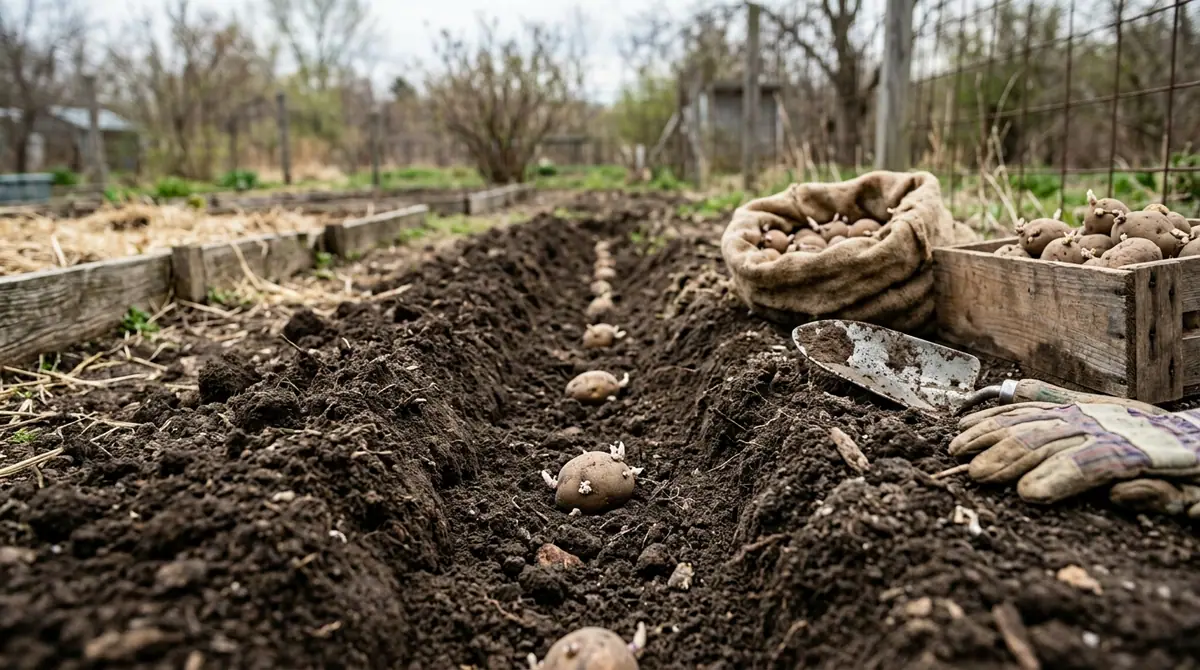
Slicing open a certified disease-free 'Yukon Gold' seed potato reveals starch weeping faintly from the cut face when the soil temperature at a 4-inch (10 cm) depth finally registers a steady 45°F (7°C), which marks the exact window for successful potato cultivation in a Zone 5 climate in upstate New York. Planting too early in freezing, waterlogged mud invites catastrophic seed piece rot, while delaying past mid-spring sacrifices the crucial cool-weather development phase these tubers demand.

1. Botanical Overview & Natural Habitat
The cultivated potato (Solanum tuberosum) belongs to the nightshade family, Solanaceae, sharing genetic and structural affinities with tomatoes, eggplants, and peppers (similar to how we manage heat-loving crops like those detailed in our guide on when to top pepper plants). Botanically, the potato is a perennial plant grown as an annual, originating from the high-altitude Andes of South America. In its native habitat, it evolved to thrive in cool, high-elevation environments characterized by intense solar radiation, rocky well-drained soils, and moderate, consistent moisture.
Unlike true seeds, the seed potatoes we plant are actually modified underground stems called tubers. Each tuber features distinct vegetative buds known as "eyes." When exposed to warming spring soils, these eyes break dormancy, utilizing the stored starches within the parent tuber to fuel rapid shoot emergence.
In Zone 5, our growing season presents a specific botanical challenge. Potatoes are cool-season lovers that initiate tuber bulking best when daytime air temperatures hover between 60°F and 70°F (15.5°C to 21.1°C) and nighttime temperatures drop to 55°F (13°C). When temperatures consistently exceed 80°F (26.7°C), photosynthesis slows down, and tuber initiation halts entirely. Therefore, timing your planting in Zone 5—typically 2 to 4 weeks before your last average spring frost date, when soil hits 45°F to 50°F (7°C to 10°C)—ensures that the plant establishes a robust root and foliage system during the cool spring months, maximizing starch accumulation before summer heat sets in. This careful pacing of early-season crops shares similarities with timing delicate cool-season transitions like when to transplant cilantro seedlings.
2. Essential Environmental & Care Requirements
To successfully cultivate high-yielding potatoes in Zone 5, you must replicate the loose, acidic, and well-drained soil conditions of their Andean origins. Heavy clay soils, common throughout much of the American Midwest and Northeast within Zone 5, will deform tubers, restrict expansion, and harbor fungal pathogens.
| Parameter | Optimal Condition | Common Mistake | Why It Matters |
|---|---|---|---|
| Soil Temperature | 45°F – 55°F (7°C – 13°C) at 4 in (10 cm) depth | Planting in frozen or cold, wet soil below 40°F (4.4°C) | Cold, saturated soil causes seed pieces to rot before rooting. |
| Soil pH | 5.0 to 6.0 (Slightly Acidic) | Planting in alkaline soils above 7.0 | Alkaline conditions promote common scab (Streptomyces scabies). |
| Sunlight | Full Sun (6 to 8+ hours direct daily light) | Shading by taller garden structures or trees | Insufficient light reduces photosynthetic output and tuber yield. |
| Moisture | 1 inch (2.5 cm) of water per week consistently | Erratic watering (drought followed by heavy soaking) | Irregular moisture causes hollow heart, knobby growth, and splitting. |
Soil preparation begins long before planting day. Incorporating well-rotted organic matter, such as leaf mold or aged compost, improves soil structure without adding excessive nitrogen, which causes lush, succulent vine growth at the expense of tuber development. For comprehensive regional guidelines on soil testing and amendment strategies, consult the University of Minnesota Extension Potato Production Guide.
💡 Pro-Tip: Never use fresh barnyard manure right before planting potatoes. Excess nitrogen burns emerging shoots and invites common scab, which ruins the skin appearance and storage life of your harvest.
3. Step-by-Step Cultivation, Feeding & Propagation
Getting your potato crop into the ground at the right moment in Zone 5 requires a deliberate, multi-stage protocol. Follow this sequential process to move from seed selection to harvest-ready plants.
- Source and Chitting (Pre-Sprouting): Purchase certified disease-free seed potatoes 3 to 4 weeks before your target planting date. Place them in a cool, bright room (50°F to 60°F / 10°C to 15°C) to develop short, sturdy, dark-green sprouts.
- Cutting Seed Pieces: Cut larger seed potatoes into 1.5 to 2 ounce (42 to 57 gram) chunks, ensuring each piece contains at least 2 to 3 strong eyes. Allow the cut surfaces to cure at room temperature with high humidity for 2 to 3 days so they form a protective periderm (callus).
- Soil Preparation: Work the Zone 5 garden bed when it is dry enough not to clump into a sticky ball when squeezed. Till in balanced organic fertilizer or a phosphorus- and potassium-rich blend, avoiding high-nitrogen inputs.
- Trenching and Placement: Dig trenches 4 to 6 inches (10 to 15 cm) deep. Place the seed pieces with the eyes facing upward, spaced 12 inches (30 cm) apart within rows spaced 30 inches (76 cm) apart.
- Initial Planting Depth: Cover the seed pieces with 2 to 3 inches (5 to 7.5 cm) of soil, leaving the remaining trench open to catch spring rains and warm up quickly.
- Hilling (Earthing Up): As the green shoots reach 6 to 8 inches (15 to 20 cm) in height, pull soil from between the rows up around the stems, burying the lower third of the plant. Repeat this process every 2 to 3 weeks until you have built hills 8 to 12 inches (20 to 30 cm) high. Hilling prevents developing tubers near the surface from turning green and developing solanine upon exposure to sunlight.
- Consistent Irrigation: Provide 1 inch (2.5 cm) of water per week through rainfall or drip irrigation, ensuring the root zone remains evenly moist, especially during the flowering stage when tubers swell rapidly.
This structured approach to ground preparation and developmental staging is equally critical when managing other intensive crops, mirroring the precision required for when to start tomato seeds indoors zone 6.
4. Common Problems, Pests & Troubleshooting
Even with precise timing, Zone 5 gardeners face specific pressures during the potato lifecycle. Environmental stressors and insect vectors can severely impact yield if left unchecked.
- Colorado Potato Beetle (Leptinotarsa decemlineata): This notorious defoliator overwinters in garden soil and emerges just as potato plants hit 6 inches tall. Hand-pick adults and bright orange eggs clusters from the undersides of leaves early in the season. For severe infestations, apply Bacillus thuringiensis subspecies tenebrionis or spinosad.
- Early Blight and Late Blight (Alternaria solani and Phytophthora infestans): Humid spring and early summer conditions in Zone 5 frequently trigger fungal blights. Early blight manifests as concentric brown rings on older leaves, while late blight causes rapidly spreading water-soaked lesions that can destroy an entire crop in days. Maintain wide plant spacing for airflow, avoid overhead sprinkler irrigation, and clear all crop debris at season's end. For official disease tracking alerts and management protocols, refer to the Cornell University Plant Disease Diagnostic Clinic.
- Green Tubers and Solanine Poisoning: Tubers exposed to sunlight turn green and produce toxic glycoalkaloids called solanine, which cause a bitter taste and gastrointestinal distress. Prevent this entirely by maintaining diligent hilling practices throughout the growing season.
- Wireworms: These slender, hard-bodied click beetle larvae bore cylindrical holes straight through developing tubers. Avoid planting potatoes in newly turned sod where wireworms congregate; use certified clean soil and rotate crops annually.
⚠️ Important Caution: Never consume green-skinned potatoes or potato tubers that exhibit a bitter flavor. Solanine toxicity is heat-stable and cannot be cooked out, posing genuine health risks. Always pare away green flesh deeply or discard affected tubers entirely.

5. Frequently Asked Questions
What is the exact month to plant potatoes in Zone 5?
In USDA Hardiness Zone 5, potatoes are typically planted in late April to early May. The absolute best indicator is not the calendar date, but soil temperature: you should plant when the soil at a 4-inch (10 cm) depth consistently reaches 45°F to 50°F (7°C to 10°C), usually 2 to 4 weeks before your last spring frost.
Can I plant grocery store potatoes in Zone 5?
It is strongly discouraged. Grocery store potatoes are frequently treated with chemical sprout inhibitors to prevent them from growing eyes on supermarket shelves. Furthermore, non-certified tubers often carry latent bacterial rings, viruses, or fungal pathogens like late blight that can devastate your garden soil for years. Always purchase certified disease-free seed potatoes.
What happens if a late frost hits my newly emerged potato shoots?
Do not panic if a late Zone 5 frost nbs and blackens emerging potato foliage. Potatoes store abundant energy reserves within the underground seed piece. Simply let the plant recover; undamaged auxiliary buds beneath the soil will quickly push up new, healthy growth with minimal long-term impact on your final harvest.
How do I know when it is time to harvest Zone 5 potatoes?
For early-season new potatoes, harvest gently when the plants begin to flower in mid-summer. For maincrop storage potatoes, wait until the foliage naturally yellows and dies back entirely in late summer to early autumn (typically September). Leave tubers in the ground for 10 to 14 days after the vines die to allow their skins to set and thicken, which is essential for long-term winter storage.
Related Guides
- Why Are My Potatoes So Small
- When to Harvest Fingerling Potatoes
- When Do You Plant Potatoes in Virginia
- When to Plant Sweet Potatoes in Kansas
- When Can You Plant Seed Potatoes
📋 Table of Contents ▼ Click to expand
Tags:
Keep reading
🌿 Related Plants You Might Like





PlantSavvyWorld
Editorial team
PlantSavvyWorld is an independent botanical education project. Articles are drafted with AI assistance, then edited and checked against university extension services, botanical garden collections and other published horticultural sources.