

Are Sweet Potatoes Seasonal: Expert Gardening Guide & Science-Backed Tips
Written with AI assistance, edited and checked against horticultural sources.
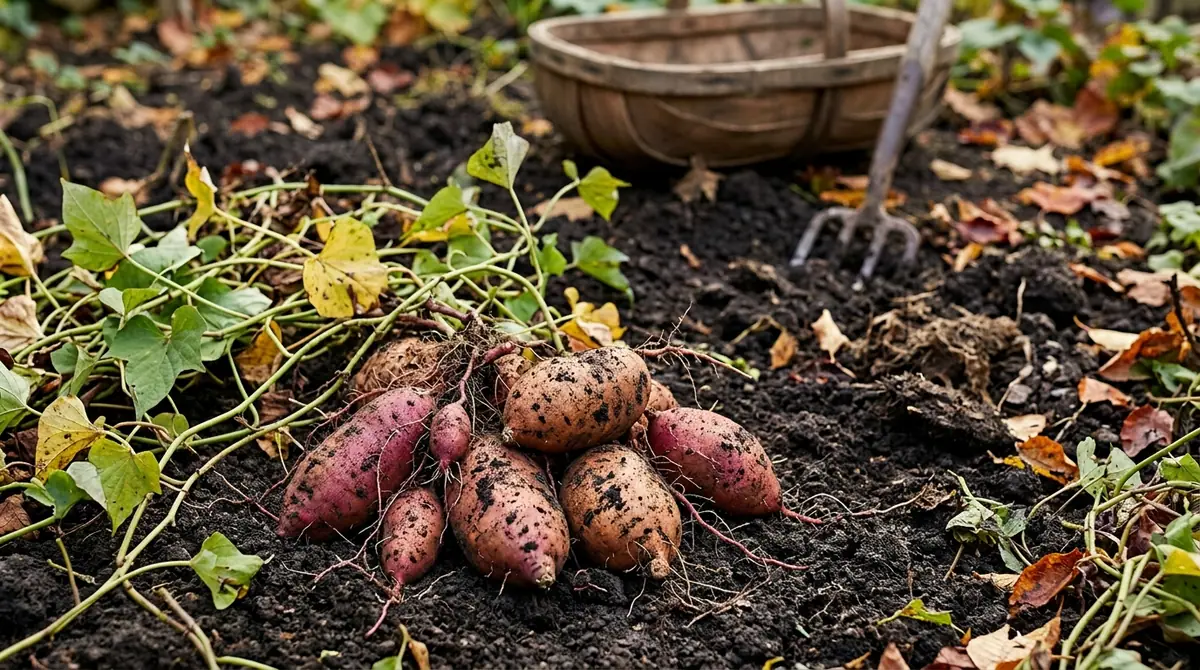
Hello, fellow Plant Savvy World explorers! It's the PlantSavvyWorld editorial team here, and I still vividly remember my first sweet potato harvest. I’d been meticulously tending to those sprawling vines all summer, and when that first forkful unearthed a smooth, vibrant orange tuber, it felt like unearthing buried treasure. But the most exciting part? Knowing I could extend that feeling, to a degree, even as the air began to cool. This leads us to a question many of you ask: are sweet potatoes seasonal? The short answer is yes, but the nuances of their growth cycle and how we can influence them are fascinating. Let’s dive deep into the science and practicalities of cultivating these delicious roots, whether you’re a seasoned gardener or just starting with a pot on your balcony.
1. Botanical Overview & Natural Habitat

However, in most temperate climates where they are widely cultivated for their edible tubers, they are treated as annuals. This is the fundamental reason why we perceive them as seasonal. They require a long, warm growing season to mature their starchy storage roots. The plant itself thrives in temperatures between 70°F and 90°F (21°C to 32°C). Below 50°F (10°C), growth significantly slows, and frost is a death sentence for the foliage and tuber development.
The "seasonality" of sweet potatoes, therefore, is dictated by your local climate's ability to provide this extended period of warmth and sunlight. In tropical regions, they are harvested multiple times a year. In the United States, for instance, sweet potatoes are primarily grown in warmer southern states like North Carolina, California, and Louisiana, where the climate aligns with their needs. They are typically planted in late spring after the last frost and harvested in the fall, just before the first frost. This crucial period of approximately 90 to 120 frost-free days is essential for the tubers to reach harvestable size.
2. Essential Environmental & Care Requirements
Maximizing sweet potato vitality hinges on providing an environment that mimics their preferred tropical conditions as closely as possible, especially regarding temperature, light, and soil. Getting these elements right is the bedrock of a successful harvest.
The Importance of Sunlight
Sweet potatoes are sun-worshippers. They require a minimum of 6 to 8 hours of direct sunlight daily to fuel photosynthesis, which is critical for developing those energy-rich tubers. In regions with intense summer heat, the "partial afternoon shade" recommendation comes into play. This isn't to reduce their light intake but to prevent the leaves and vines from scorching during the hottest part of the day, which can stunt growth and reduce yield. Insufficient light will result in spindly vines and small, underdeveloped tubers.
Temperature: The Sweet Spot for Growth
As tropical plants, sweet potatoes are highly sensitive to cold. The ideal soil temperature for planting slips (young plants) is above 60°F (15.5°C). For optimal tuber development, air temperatures should consistently remain between 70°F and 90°F (21°C to 32°C). Fluctuations, especially sudden dips into cooler weather, can shock the plant and halt tuber formation. In areas with shorter growing seasons, this is the primary factor that dictates their annual status. Frost protection is paramount as the season winds down. Covering plants with frost cloth or blankets when temperatures approach freezing can extend the harvest period by a week or two, allowing tubers to gain more size.
Moisture Management: Deep and Infrequent
Sweet potatoes have a fascinating root system designed for resilience. They prefer deep, infrequent watering rather than consistent, shallow sprinkles. This encourages their roots to grow deeper in search of moisture, leading to a more robust and drought-tolerant plant. Overwatering is a common pitfall, especially in containers, as it can lead to root rot and fungal diseases. The soil should be allowed to dry out slightly between waterings. A good rule of thumb is to check the top 2 to 3 inches (5 to 7.5 cm) of soil; if it feels dry, it's time to water. Deep irrigation means watering until the soil is moist several inches down, encouraging those deep root structures.
Soil Biology and Structure
Healthy plants truly start from healthy soil. Sweet potatoes thrive in well-drained, loose soil rich in organic matter. They are not particularly fussy about soil pH, but they perform best in a slightly acidic to neutral range, ideally between 6.0 and 6.8. The key is aeration and nutrient availability. Compacted, heavy clay soils can impede root development and lead to waterlogging, creating an anaerobic environment that fosters root diseases. Incorporating compost, aged manure, and materials like perlite or coarse sand can significantly improve drainage and aeration. Organic worm castings are a fantastic addition, providing a slow-release of nutrients and beneficial microbes that enhance soil biology.
Here's a quick comparison to highlight key care parameters:
| Parameter | Optimal Condition | Common Mistake | Why It Matters |
|---|---|---|---|
| Sunlight | Full Sun (6+ hours direct daily) | Insufficient light, planting in shade | Fuels photosynthesis for tuber development and overall plant vigor. |
| Temperature | 70-90°F (21-32°C) consistently, no frost | Planting too early, exposing to cold snaps | Essential for active growth and tuber bulking; cold halts development. |
| Soil pH | 6.0 - 6.8 (Slightly acidic to neutral) | Extreme pH levels, highly alkaline/acidic | Affects nutrient availability and uptake by the plant. |
| Soil Type | Loose, well-drained, rich in organic matter | Heavy clay, compacted, waterlogged | Prevents root rot, allows for unimpeded tuber expansion, aids aeration. |
| Watering Frequency | Deep, infrequent irrigation, allowing soil to dry slightly | Frequent, shallow watering, constant wetness | Promotes deep root growth, prevents fungal diseases, encourages drought tolerance. |
| Nutrient Needs | Balanced during establishment, higher K for bulking | Over-fertilization, especially nitrogen | Supports healthy vine growth and, crucially, efficient tuber formation and quality. |
3. Step-by-Step Cultivation, Feeding & Propagation
Cultivating sweet potatoes successfully involves understanding their propagation and providing them with the right conditions from the start. They are not typically grown from seed like many vegetables; instead, they are propagated from "slips."
Propagation: From Slips to Vines
Sweet potato slips are young sprouts that grow from mature sweet potato tubers. You can purchase slips from nurseries or garden centers, or you can grow your own.
- Obtain Tubers: Start with healthy, disease-free sweet potato tubers. You can use ones from the grocery store, but organic ones are often best as they haven't been treated with sprout inhibitors.
- Initiate Sprouting: Place the tubers in a shallow tray of moist sand or potting mix, or suspend them partially in a jar of water. Keep them in a warm, bright location (around 70-80°F / 21-27°C).
- Develop Slips: After a few weeks, sprouts (slips) will emerge from the "eyes" of the tubers.
- Detaching Slips: Once the slips are 6 to 10 inches (15 to 25 cm) long and have a few leaves, gently twist or cut them off from the mother tuber.
- Rooting Slips: Place the detached slips in a jar of water in a bright spot for about a week, or until they develop roots. Alternatively, they can be planted directly into small pots of moist potting mix.
Planting and Establishment
- Timing is Crucial: Wait until all danger of frost has passed and your soil temperature is consistently above 60°F (15.5°C). In most temperate climates, this means late spring (May or June).
- Soil Preparation: Work your soil deeply, incorporating plenty of compost and organic matter. Loosen the soil to a depth of at least 8 to 10 inches (20 to 25 cm). Raised beds or mounds are excellent for sweet potatoes, as they improve drainage and warm up faster.
- Planting: Space your slips 12 to 18 inches (30 to 45 cm) apart in rows that are 3 to 4 feet (0.9 to 1.2 m) apart. Plant them deep enough so that the roots and the bottom few leaves are covered. Water them in thoroughly.
Feeding and Nutrient Cycling
Sweet potatoes are relatively heavy feeders, but their nutrient needs change throughout their growth cycle.
- Initial Growth (First 4-6 Weeks): During this phase, the plant focuses on establishing a strong root system and vigorous vine growth. A balanced organic fertilizer with a slightly higher phosphorus content (e.g., bone meal or a balanced organic blend) can support root development and early flowering/budding.
- Tuber Bulking (Mid-to-Late Season): Once the vines are well-established and starting to spread, the focus shifts to tuber enlargement. At this stage, potassium becomes increasingly important. Potassium plays a vital role in sugar translocation and enzyme activation, which directly impacts tuber size and quality. Incorporating potassium-rich amendments like kelp meal or composted banana peels can be beneficial. Avoid excessive nitrogen, which can promote lush vine growth at the expense of tuber development.
- Organic Fertilization: Opt for slow-release organic fertilizers. Compost and worm castings provide a steady supply of nutrients and improve soil structure. Applying a side dressing of compost or aged manure around the base of the plants midway through the growing season can provide a boost.
💡 Pro-Tip: For containers, use a large pot (at least 10 gallons / 38 liters) and a high-quality potting mix amended with compost. Frequent checks on moisture are key, as containers dry out much faster than garden beds. Also, consider the vining habit – you'll need ample space or a sturdy trellis if you want to manage the spread.
The Grow Cycle: From Slip to Harvest
- Days 0-30: Focus on root establishment and initial vine growth. Keep soil consistently moist but not soggy.
- Days 30-60: Vine growth accelerates, and tuber formation begins. Continue with deep watering. You might consider a light application of a balanced organic fertilizer if growth seems slow.
- Days 60-90+: This is the critical tuber bulking phase. Ensure consistent moisture and avoid high-nitrogen fertilizers. Focus on potassium-rich nutrients if desired. Vines will be sprawling.
- Harvest: Sweet potatoes are typically ready to harvest 90 to 120 days after planting, depending on the variety and growing conditions. The leaves will start to yellow and wither slightly as the tubers mature, signaling it's time. Digging them up before the first hard frost is essential. Harvest on a dry, sunny day if possible.
4. Common Problems, Pests & Troubleshooting
Even with the best care, gardeners can encounter issues. Understanding common problems and their solutions will help you salvage your harvest and learn for next season.
Root Rot and Fungal Diseases
This is perhaps the most common issue, often stemming from overwatering and poor drainage. Symptoms include yellowing leaves, wilting (even when watered), and a mushy, discolored root system.
- Prevention: Use well-draining soil, avoid overwatering, and ensure adequate air circulation. Raised beds are excellent for preventing soggy soil.
- Solution: If caught early, you may be able to improve drainage by aerating the soil. For severe cases, affected plants may need to be removed to prevent the spread of disease.
Pests
Sweet potatoes can attract various pests:
- Sweet Potato Weevil: This is a serious pest that bores into the roots and stems, causing wilting and reduced yield. Adults lay eggs on the leaves and stems, and the larvae tunnel into the plant.
- Prevention/Solution: Crop rotation is crucial. Avoid planting sweet potatoes in the same spot for at least 3-4 years. Inspect slips for any signs of infestation before planting. Encourage beneficial insects like predatory beetles. In severe cases, organic insecticides might be considered, but prevention is key.
- Aphids and Spider Mites: These sap-sucking insects can infest the foliage, weakening the plant.
- Prevention/Solution: Blast them off with a strong stream of water. Encourage natural predators like ladybugs and lacewings. Neem oil or insecticidal soap can be used for more persistent infestations.
- Wireworms: These larvae of click beetles can bore into developing tubers, creating tunnels.
- Prevention/Solution: Practice crop rotation. Keep the garden free of weeds, which can host wireworms. Allowing birds to forage in the garden can help reduce populations.
Environmental Stress
- Yellowing Leaves: Can be caused by overwatering, underwatering, nutrient deficiencies (especially nitrogen or magnesium), or insufficient sunlight. Assess your watering habits and consider a soil test or a balanced organic fertilizer.
- Scorched Leaves: During intense heatwaves, leaves can develop brown, crispy patches. Provide afternoon shade using shade cloth or strategically placed taller plants.
- Poor Tuber Development: This is often linked to insufficient heat, light, a short growing season, or excessive nitrogen fertilizer that promotes vine growth over root production. Ensure you are meeting the plant's basic needs for warmth, sun, and adequate time to mature.
⚠️ Important Caution: Never apply untreated manure directly to sweet potato plants, especially during the tuber development phase. Fresh manure can burn roots and introduce pathogens. Always use well-composted or aged manure. Also, be wary of planting too early; a sudden cold snap can set your crop back significantly, potentially reducing your harvest size and quality.

5. Frequently Asked Questions
When is the best time to plant sweet potato slips?
The best time to plant sweet potato slips is after all danger of frost has passed and the soil temperature has consistently reached at least 60°F (15.5°C). This is typically in late spring or early summer, depending on your climate. Planting too early in cool soil will stunt growth and potentially lead to rot.
How do I know when my sweet potatoes are ready to harvest?
Sweet potatoes are usually ready to harvest between 90 and 120 days after planting, depending on the variety. You'll notice the vines starting to yellow and decline slightly, which is a good indicator. You can also carefully dig up one plant to check the size of the tubers. It's crucial to harvest before the first hard frost, as a freeze will damage the tubers.
Can I grow sweet potatoes in containers, and how big do they get?
Yes, you absolutely can grow sweet potatoes in containers! Use large pots, at least 10 gallons (38 liters) in size, with excellent drainage. Keep the soil consistently moist and ensure they receive at least 6-8 hours of sunlight. The vines will still spread vigorously, so you'll need to manage their growth. The tubers themselves can vary greatly in size, from small, finger-like varieties to large, hefty roots, depending on the specific cultivar and growing conditions.
My sweet potato leaves are turning yellow, what's wrong?
Yellowing leaves on sweet potato plants can be caused by several factors. Overwatering is a very common culprit, leading to root suffocation and rot. Insufficient sunlight can also cause yellowing and weak growth. Nutrient deficiencies, particularly nitrogen or magnesium, can manifest as yellowing leaves. Check your soil moisture, ensure adequate sunlight, and consider a balanced organic fertilizer if needed. If the problem persists, a soil test can help pinpoint specific nutrient issues.
Growing sweet potatoes is a rewarding experience that connects you directly to the earth's cycles. While they are indeed seasonal in most climates, understanding their tropical origins and providing the right conditions allows us to coax these delicious tubers from the soil, celebrating their brief but bountiful appearance in our gardens. Happy growing!
Further Reading
Tags:
Keep reading
🌿 Related Plants You Might Like




PlantSavvyWorld
Editorial team
PlantSavvyWorld is an independent botanical education project. Articles are drafted with AI assistance, then edited and checked against university extension services, botanical garden collections and other published horticultural sources.