

Are Wild Sweet Peas Edible: Expert Gardening Guide & Science-Backed Tips
Written with AI assistance, edited and checked against horticultural sources.
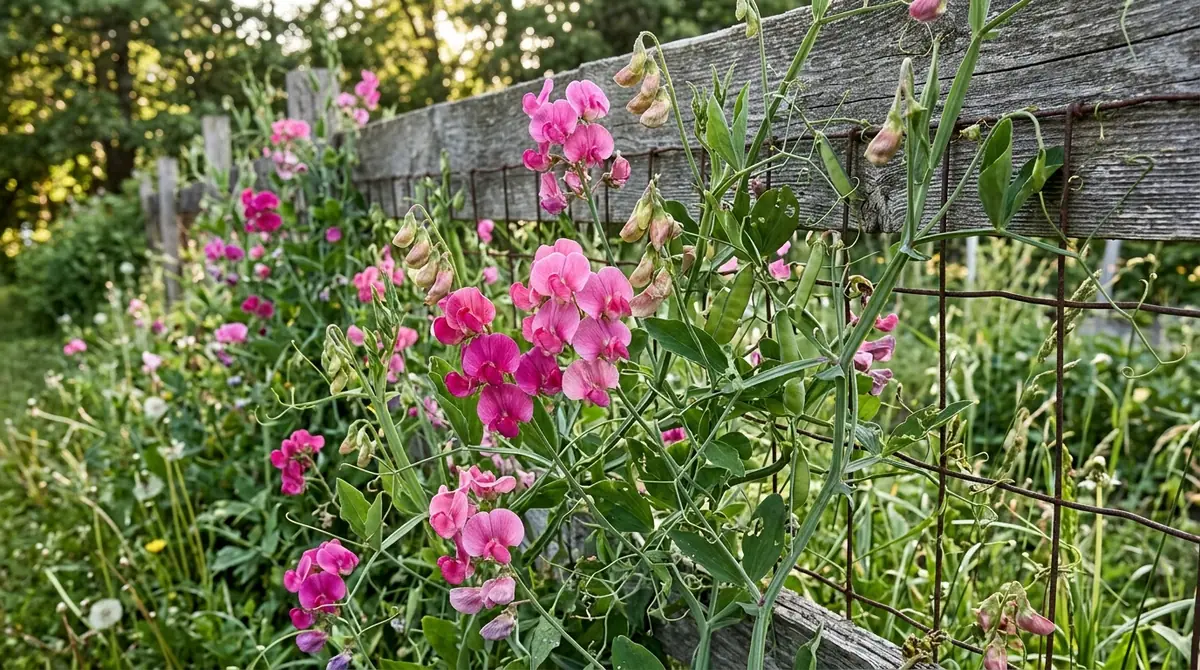
Wild sweet peas prompt questions about edibility for gardeners blending curiosity with a primal instinct to understand the plants around them through science-backed knowledge.
1. Botanical Overview & Natural Habitat

Our familiar garden sweet pea, Lathyrus odoratus, is prized for its scent and beauty, not its edibility. In fact, it's generally considered non-edible and potentially mildly toxic. The wild species that often cause confusion and prompt the question, "are wild sweet peas edible?", are frequently Lathyrus sativus (grass pea or chickling vetch), Lathyrus sylvestris (wood vetch), and Lathyrus latifolius (everlasting pea).
Lathyrus sativus has a long history of cultivation in certain parts of the world, particularly in the Indian subcontinent and parts of Africa and Europe, primarily as a famine food. Its seeds are rich in protein but also contain a neurotoxin called beta-ODAP (β-N-oxalyl-L-α,β-diaminopropionic acid). Ingesting large quantities of this toxin over extended periods can lead to lathyrism, a debilitating and irreversible neurological disorder characterized by spastic paralysis of the legs. This is a stark reminder that even within a genus, edibility can vary wildly.
Lathyrus sylvestris and Lathyrus latifolius are native to Europe and are often found in hedgerows, woodland edges, and on roadsides. They are ornamental but are not typically considered edible, and their seeds and pods can be mildly toxic, potentially causing gastrointestinal upset if ingested. Their growth habit can be vigorous and even invasive in some regions, which is why understanding their identity and properties is important for habitat management.
The key takeaway here is that visual identification is paramount. The delicate, often brightly colored flowers of many Lathyrus species can be alluring, but without precise botanical identification, assuming edibility is a dangerous gamble.
2. Essential Environmental & Care Requirements
When we talk about cultivating plants, especially those with specific nutritional or toxicity profiles, understanding their environmental needs is fundamental to their health and, in some cases, their safety. While the question "are wild sweet peas edible" often leads to discussions about toxicity, providing optimal growing conditions for any Lathyrus species will promote robust growth, which is the first step in safe identification and management.
| Parameter | Optimal Condition | Common Mistake | Why It Matters |
|---|---|---|---|
| Soil pH | 6.0 – 6.8 (Slightly acidic to neutral) | Overly acidic or alkaline soil | Most Lathyrus species prefer well-drained, fertile soil. Incorrect pH can lock up essential nutrients, leading to deficiencies and poor plant vigor. |
| Sunlight | Full Sun (6+ hours direct) to Partial Afternoon Shade | Deep shade or intense, scorching midday sun | Adequate sunlight is crucial for photosynthesis and flowering. Too much shade reduces vigor; excessive heat without adequate water can stress the plant, especially during flowering and pod development. |
| Moisture Management | Deep, infrequent irrigation; consistently moist soil | Waterlogged conditions or complete drought | Resilient root architecture develops with deep watering. Constantly wet soil invites root rot and fungal diseases, while severe drought stress can stunt growth and impact seed development. |
| Temperature | Varies by species; generally prefers cooler weather for growth and flowering. Many bloom best in spring and fall. | Extreme temperature fluctuations; prolonged heatwaves | Many Lathyrus species thrive in moderate temperatures. High temperatures, especially above 80°F (27°C), can inhibit flowering or cause flower drop. Frost can damage young seedlings. |
| Soil Biology | Rich in organic matter, good aeration | Compacted, sterile, or nutrient-poor soil | Healthy soil biology supports strong root systems, nutrient uptake, and disease resistance. Compost and organic matter are key for long-term soil health. |
For those looking to grow specific Lathyrus species, whether for ornamental purposes or (with extreme caution and expert knowledge) for their seeds, these environmental factors are your first line of defense against poor growth and potential issues.
💡 Pro-Tip: In areas prone to intense summer heat, consider planting hardy Lathyrus species that can tolerate it, or provide afternoon shade with a shade cloth. This significantly extends their blooming period and overall vitality. For Lathyrus sativus, understanding regional climate tolerances for cultivation is paramount, as it's a crop plant with specific needs for seed maturation.
3. Step-by-Step Cultivation, Feeding & Propagation
Successfully cultivating any plant, including the diverse members of the Lathyrus genus, requires a methodical approach. While the question of edibility is primary, understanding how to grow them ensures you can observe them closely, identify them accurately, and manage their health. This protocol focuses on general best practices that apply broadly, with notes on where specific species might differ.
Preparing Your Growing Space
- Site Selection: Choose a location that receives ample sunlight. As noted, full sun is ideal for most species, but some wild varieties might tolerate partial shade, especially in hotter climates. Ensure good air circulation to prevent fungal diseases.
- Soil Amendment: The existing article rightly emphasizes soil. For Lathyrus, aim for well-drained, fertile soil. Incorporate generous amounts of compost and aged manure. If your soil is heavy clay, adding perlite or coarse sand will improve drainage. A pH of 6.0 to 6.8 is ideal, so test your soil and amend with lime or sulfur if necessary.
- Trellising and Support: Most Lathyrus species are climbers. Install sturdy trellises, netting, or obelisks before planting to avoid disturbing developing root systems later. This encourages upward growth and prevents sprawling, which can lead to disease.
Planting and Early Care
- Sowing Seeds: Seeds can be sown directly into the ground after the last frost or started indoors 4-6 weeks prior. Soak seeds overnight in warm water to improve germination rates. Plant seeds about 1 inch (2.5 cm) deep and 6-8 inches (15-20 cm) apart.
- Watering: Water gently but thoroughly after planting. For the first few weeks, keep the soil consistently moist but not waterlogged. As plants establish, transition to deep, infrequent watering. This encourages roots to grow deeper, making the plant more drought-tolerant. The top 2 inches (5 cm) of soil should dry out slightly between waterings.
- Fertilization: Young plants benefit from a balanced organic fertilizer. Once established and beginning to flower, a higher phosphorus fertilizer can promote more blooms. As the plant matures, switching to a potassium-rich fertilizer (like kelp meal) can improve overall health, stem strength, and drought tolerance. Over-fertilizing, especially with high nitrogen, can lead to lush foliage at the expense of flowers.
- Mulching: Apply a layer of organic mulch, such as straw or wood chips, around the base of the plants. This helps retain soil moisture, suppress weeds, and regulate soil temperature.
Ongoing Care and Monitoring
- Deadheading: For ornamental varieties, regularly deadheading spent flowers encourages continuous blooming and prevents the plant from putting energy into seed production too early. For wild species where you might be observing seed development, you'll need to be more patient.
- Pest and Disease Monitoring: Regularly inspect plants for common pests like aphids, spider mites, and slugs. Address any issues promptly with organic pest control methods. Ensure good air circulation and avoid overhead watering to minimize fungal diseases like powdery mildew.
Propagation
Many Lathyrus species are easily propagated from seed. Collect seeds from mature, dried pods. Ensure you are collecting from the correct species if you wish to propagate it. Some species can also be propagated by cuttings, though this is less common for home gardeners and more relevant for horticulturalists or commercial growers.
⚠️ Important Caution: When considering the edibility of any wild plant, especially Lathyrus species, absolute certainty in identification is non-negotiable. Many species look alike, and mistaking a toxic variety for an edible one can have severe consequences. If in doubt, do not consume. Always consult with a qualified botanist or toxicologist.
4. Common Problems, Pests & Troubleshooting
Even with meticulous care, gardeners may encounter issues. Understanding these problems and their solutions is part of mastering any plant, including the varied species within the Lathyrus genus.
Problem: Yellowing Leaves
- Cause: This is often a sign of overwatering, leading to root rot. It can also indicate poor drainage, nutrient deficiencies (especially nitrogen or iron), or sometimes extreme heat stress.
- Solution: Check soil moisture levels and adjust watering frequency. Ensure pots have adequate drainage holes. If root rot is suspected, you may need to repot into fresh, well-draining soil, trimming away any mushy, dark roots. Amend soil with compost to improve structure and nutrient content. Provide shade during peak heat hours if heat stress is the culprit.
Problem: Stunted Growth or Lack of Flowering
- Cause: Insufficient sunlight, poor soil fertility, incorrect pH, or inadequate watering are common culprits. In some cases, it can be due to planting too early, leading to frost damage, or planting too late in a short growing season. Temperature extremes also play a role, with high heat inhibiting flowering.
- Solution: Move plants to a sunnier location if possible. Amend soil with compost and consider a balanced organic fertilizer. Adjust watering practices. For temperature-sensitive varieties, consider season extension techniques or choose species better suited to your climate.
Problem: Aphids and Spider Mites
- Cause: These small pests are attracted to tender new growth and can weaken plants by sucking sap.
- Solution: A strong spray of water can dislodge many aphids. For more persistent infestations, use insecticidal soap or neem oil. Encourage beneficial insects like ladybugs and lacewings into your garden. Regularly inspecting plants is key to catching infestations early.
Problem: Powdery Mildew
- Cause: This common fungal disease appears as a white, powdery coating on leaves and stems. It thrives in conditions of high humidity and poor air circulation.
- Solution: Improve air circulation by pruning overcrowded stems and spacing plants appropriately. Avoid overhead watering; water at the base of the plant. Remove affected leaves and dispose of them away from the garden. Fungicides can be used, but organic options like baking soda sprays or commercially available organic fungicides are preferred.
Problem: Seed Pods Not Developing or Drying Out Prematurely
- Cause: This can be due to insufficient pollination, extreme heat, lack of water, or nutrient imbalances.
- Solution: Ensure adequate watering, especially during the flowering and pod-setting stages. Attract pollinators with companion plants. If heat is the issue, consider shade during the hottest part of the day. A balanced nutrient supply is important; avoid excessive nitrogen which favors foliage over seed production.

5. Frequently Asked Questions
Are all wild sweet peas poisonous?
No, not all wild sweet peas are poisonous, but many are not edible and some can cause illness. The genus Lathyrus contains a mix of species. Some, like Lathyrus sativus, are edible when properly processed but contain a neurotoxin that can cause permanent damage if consumed in large quantities or improperly prepared. Others, like Lathyrus latifolius (everlasting pea), are generally considered non-edible and mildly toxic. The garden sweet pea (Lathyrus odoratus) is also not typically eaten and can cause mild upset. Definitive identification is crucial.
Can you eat the seeds of wild sweet peas?
Whether you can eat the seeds of wild sweet peas depends entirely on the specific species. Seeds from Lathyrus sativus (grass pea) are a staple food in some regions, but they must be processed carefully and consumed in moderation due to the presence of beta-ODAP, a neurotoxin. The seeds of other wild Lathyrus species are generally not recommended for consumption and can be toxic. It is critical to accurately identify the species before even considering eating the seeds.
What do wild sweet peas taste like?
This question is challenging to answer definitively because "wild sweet pea" can refer to many species, and their palatability varies. For Lathyrus sativus, which is cultivated as a food source, the seeds have a nutty, pea-like flavor. However, their taste can also be influenced by the presence of toxins, which is why their consumption is fraught with risk for the uninitiated. For ornamental wild species, such as Lathyrus latifolius, they are not typically eaten, and any attempt to taste them would be purely experimental and potentially unwise.
How do I identify a wild sweet pea that is safe to eat?
Identifying a wild sweet pea that is safe to eat requires expert botanical knowledge. You cannot rely on general appearances alone, as many Lathyrus species look similar. The only species with a significant history of edible consumption, Lathyrus sativus, is distinguishable by its seed pods and seed shape, but even then, processing and quantity are critical factors. If you are not an experienced botanist or ethnobotanist, it is safest to assume that any wild Lathyrus species you encounter is not safe for consumption. Resources like university extension services or local botanical gardens can offer guidance on plant identification, but they will likely caution against consuming unidentified wild plants.
For more authoritative guidance on plant safety and identification, consult these resources:
Tags:
Keep reading
🌿 Related Plants You Might Like



PlantSavvyWorld
Editorial team
PlantSavvyWorld is an independent botanical education project. Articles are drafted with AI assistance, then edited and checked against university extension services, botanical garden collections and other published horticultural sources.