

Are Sweet Peas Edible Flowers: Expert Gardening Guide & Science-Backed Tips
Written with AI assistance, edited and checked against horticultural sources.
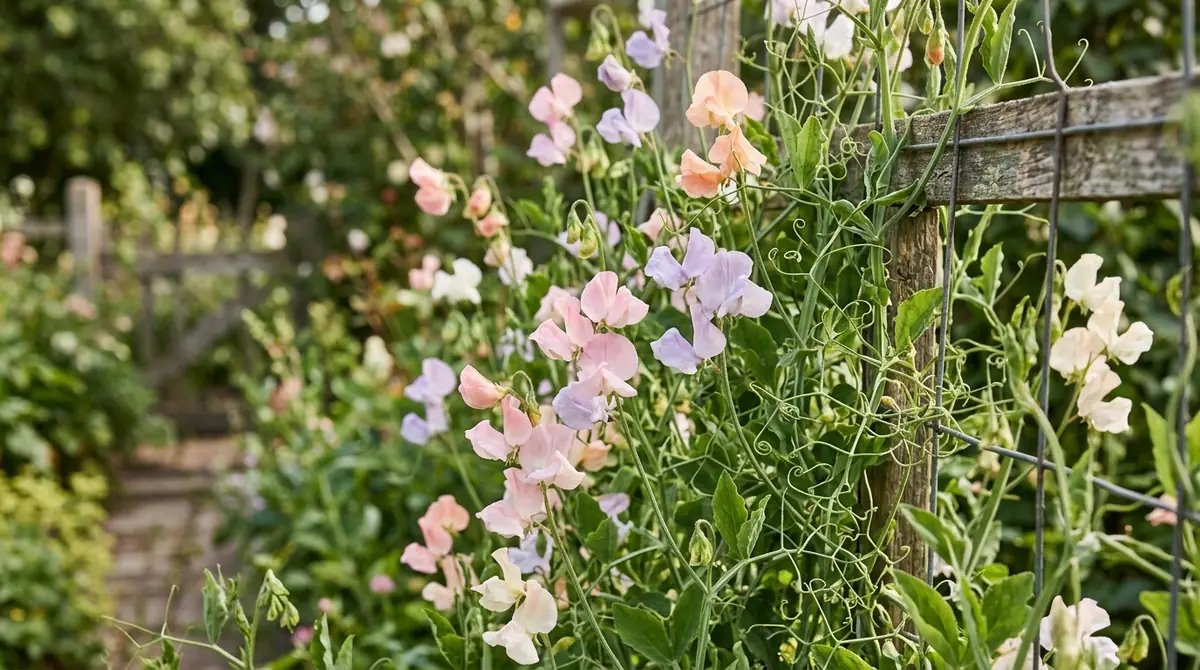
The question of whether Lathyrus odoratus (sweet peas) are edible often arises when beautiful blooms find their way into salads and garnishes. This guide explores the nuances of growing them for beauty, fragrance, and culinary interest, answering whether sweet peas are edible flowers.
1. Botanical Overview & Natural Habitat

It's important to note that not all plants with "pea" in their name are safe for consumption. The genus Lathyrus contains a few species that are indeed toxic. This is why a clear understanding of species is paramount when considering any plant for culinary use. The edible pea we know and love for shelling comes from the genus Pisum. This distinction is a critical starting point when addressing the question, "Are sweet peas edible flowers?"
2. Essential Environmental & Care Requirements
Maximizing the vitality and, for those daring enough, the edibility of your sweet peas begins with understanding their fundamental needs. Whether you're cultivating them on an urban windowsill in pots or managing a dedicated patch in your vegetable garden, providing optimal conditions is key.
| Parameter | Optimal Condition | Common Mistake | Why It Matters |
|---|---|---|---|
| Soil pH | 6.0 – 6.8 (Slightly acidic to neutral) | Overly alkaline or acidic soil | Affects nutrient availability and root health, impacting overall plant vigor. |
| Sunlight | Full Sun (6+ hours) to Partial Afternoon Shade | Deep shade or intense, unmitigated midday sun | Promotes strong growth and abundant flowering. Afternoon shade can prevent scorching in hot climates. |
| Moisture | Deep, infrequent irrigation (aim for 1-2 inches/week) | Constant saturation or complete dryness | Encourages resilient root architecture and prevents waterlogged conditions, a breeding ground for disease. |
| Temperature | Cool to moderate (55-70°F / 13-21°C) | Extreme heat or frost exposure | Promotes robust growth and flowering. Temperatures above 75°F (24°C) can inhibit bloom production. |
| Soil Biology | Rich in organic matter and beneficial microbes | Sterile or nutrient-deficient soil | Supports nutrient uptake, disease resistance, and overall plant health. |
Environmental & Climate Optimization: Temperature fluctuations are a significant stressor for sweet peas, often inducing transplant shock or poor germination. Monitoring your USDA Plant Hardiness Zone is crucial. For cooler regions, starting seeds indoors 4-6 weeks before the last frost date (typically when soil temperatures are around 50-55°F / 10-13°C) is advisable. In hotter climates, providing afternoon shade, perhaps with a light netting or by planting them alongside taller, sun-loving plants, can prevent heat-induced wilting and flowering cessation. Ensure adequate air circulation to deter fungal diseases, especially in humid environments.
3. Step-by-Step Cultivation, Feeding & Propagation
Growing magnificent sweet peas, whether for their scent, their beauty, or a cautious nibble, is a rewarding process. Here's a breakdown of how to ensure success:
-
Seed Starting (Indoors or Outdoors): Sweet peas benefit from cool soil temperatures for germination. Soaking seeds overnight in warm water can aid in softening their hard seed coat. For indoor starting, sow seeds about 1 inch deep in biodegradable pots or seed trays filled with a good quality seed-starting mix. Aim to sow around 6-8 weeks before your last expected frost. Outdoors, direct sow after the danger of hard frost has passed, typically when soil temperatures reach a consistent 50°F (10°C). They prefer being sown directly in their final location as they dislike root disturbance.
-
Soil Preparation & Planting: Prepare your planting site thoroughly. Sweet peas thrive in well-drained soil rich in organic matter. Incorporate 2-4 inches of compost and aged manure into the top 6-8 inches of soil. If planting in containers, use a high-quality potting mix amended with compost and a bit of perlite for aeration. When transplanting seedlings, disturb the roots as little as possible. Space plants about 6-12 inches apart, depending on the variety's vigor.
-
Support Structures: Sweet peas are climbers and require sturdy support. Install trellises, netting, or stakes at planting time to avoid disturbing the roots later. Provide ample vertical space, as many varieties can grow up to 6-8 feet (1.8-2.4 meters) tall.
-
Watering Regimen: Consistent moisture is vital, especially during flowering. Water deeply and infrequently, allowing the top 1-2 inches (2.5-5 cm) of soil to dry out slightly between waterings. This encourages deep root growth. In containers, this might mean watering every day or two during hot spells, while in the ground, once or twice a week may suffice, depending on rainfall. Avoid overhead watering, which can promote fungal diseases.
-
Feeding Strategy: Sweet peas are legumes and fix their own nitrogen. However, they are heavy feeders, particularly for phosphorus and potassium, to support bloom production and overall health.
- During Root Establishment (First 2-4 weeks after germination/transplanting): Apply a balanced, organic liquid fertilizer or a top dressing of bone meal to encourage robust root development.
- During Bud Formation and Flowering: Switch to a fertilizer higher in phosphorus and potassium. A good organic blend with an N-P-K ratio leaning towards the P and K (e.g., 5-10-10) can be beneficial. Kelp meal or a liquid seaweed extract applied every 2-4 weeks can also enhance cellular wall strength and drought tolerance. Avoid high-nitrogen fertilizers, which can lead to lush foliage at the expense of flowers.
-
Deadheading and Continuous Bloom: Regularly remove spent flowers (deadheading) to encourage the plant to produce more blooms rather than setting seed. This is crucial for extending the flowering season.
-
Propagation (Seed Saving): If you wish to save seeds for next year, allow some of the best pods to mature fully on the plant. Once dry, collect the peas and store them in a cool, dry, dark place until ready for sowing. Remember that many modern sweet pea varieties are hybrids, and seeds saved from them may not produce true to the parent plant.
💡 Pro-Tip: To promote a bushier plant with more flowering stems, pinch back the young seedlings when they are about 4-6 inches (10-15 cm) tall, just above a set of leaves. This encourages branching from the base.
4. Common Problems, Pests & Troubleshooting
Even the most diligent gardener can encounter issues. Understanding potential problems and how to address them will ensure your sweet pea plants remain healthy and productive.
- Aphids: These tiny sap-sucking insects often cluster on new growth and flower buds. A strong blast of water from a hose can dislodge them. For more severe infestations, insecticidal soap or neem oil can be effective. Encouraging natural predators like ladybugs and lacewings is also a sustainable solution.
- Powdery Mildew: This white, powdery fungal growth typically appears on leaves and stems in humid conditions or when air circulation is poor. Ensure good spacing between plants and avoid overhead watering. Removing affected leaves promptly and improving air circulation can help.
- Root Rot: Caused by overwatering and poor drainage, root rot leads to yellowing leaves, wilting, and stunted growth. Ensure your soil is well-draining and avoid waterlogged conditions. If planting in containers, confirm adequate drainage holes.
- Bud Drop: This can be caused by a variety of factors, including extreme temperature fluctuations (both heat and cold), inconsistent watering, or nutrient deficiencies. Ensure consistent environmental conditions and a balanced feeding program.
⚠️ Important Caution: While the petals of Lathyrus odoratus are sometimes cited as edible in very small quantities and prepared correctly (and even then, with caution), the seeds and pods of all Lathyrus species, including Lathyrus odoratus, contain toxins. These toxins, like beta-aminopropionitrile (BAPN), can cause lathyrism, a neurological disorder. Therefore, it is strongly advised NOT to consume any part of the sweet pea plant, especially the seeds and pods. For culinary purposes, always opt for plants specifically known and cultivated for their edibility, such as nasturtiums, pansies, or calendula.

5. Frequently Asked Questions
Are sweet peas safe to eat?
This is the million-dollar question, and the answer requires careful nuance. While some sources mention the petals of Lathyrus odoratus as potentially edible in very small quantities as a garnish, the plant as a whole, particularly the seeds and pods, contains toxins that can cause serious health issues. The safest and most prudent advice is to consider sweet peas ornamental and non-edible due to the risk of toxicity.
Why are my sweet pea flowers not opening?
Several factors can prevent your sweet pea flowers from opening. Overwatering or underwatering can stress the plant. Extreme temperatures – too hot or too cold – are common culprits. Nutrient imbalances, especially too much nitrogen and not enough phosphorus, can also lead to lush foliage but few blooms. Ensure your sweet peas are getting adequate sunlight (at least 6 hours per day) and are planted in well-draining soil with appropriate support.
How do I make my sweet peas bloom more?
To encourage more blooms from your sweet peas, regular deadheading is crucial. Remove spent flowers before they develop seed pods. This signals the plant to produce more flowers to continue its reproductive cycle. Ensuring the plant receives adequate sunlight, consistent watering, and a balanced fertilizer higher in phosphorus and potassium during the blooming phase will also significantly boost flower production. Pinching young plants back can also lead to bushier growth and more flowering stems.
Can I grow sweet peas indoors?
Yes, you can grow sweet peas indoors, but it requires careful attention to their needs. They need plenty of light, ideally a south-facing window receiving at least 6 hours of direct sunlight per day. Supplemental grow lights can be beneficial, especially during shorter winter days. Use well-draining pots and a good quality potting mix. Because they are climbers, you'll need to provide support, such as a small trellis or stakes, even indoors. Consistent watering and avoiding extreme temperature fluctuations are also key to success.
Happy gardening!
The PlantSavvyWorld editorial team PlantSavvyWorld
Tags:
Keep reading
🌿 Related Plants You Might Like


PlantSavvyWorld
Editorial team
PlantSavvyWorld is an independent botanical education project. Articles are drafted with AI assistance, then edited and checked against university extension services, botanical garden collections and other published horticultural sources.