

What Zone is Western Pa
Written with AI assistance, edited and checked against horticultural sources.
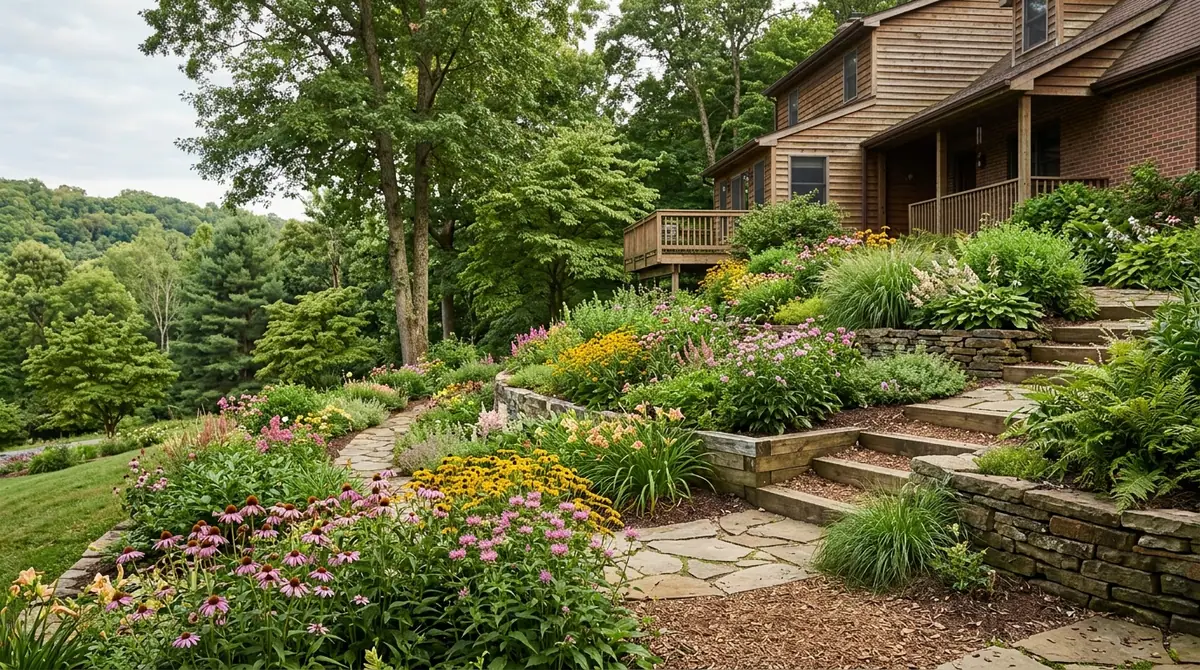
I spent my third spring in Western Pennsylvania trying to coddle a delicate Japanese maple through a May frost that dropped to 26°F (-3.3°C) just three days after we’d hit a balmier 78°F (25.5°C). That sort of meteorological whiplash is the baptism by fire every grower faces here. When growers regularly ask, "What zone is Western PA?", they usually want a single number, but the reality on the ground is a patchwork quilt of microclimates shaped by the Allegheny Plateau, deep river valleys, and the tempering winds off Lake Erie.

1. Botanical Overview & Natural Habitat
If you look at the updated USDA Plant Hardiness Zone map, Western Pennsylvania spans primarily across Zone 5b through Zone 6b.
- Zone 5b (average annual extreme minimum temperatures of -15°F to -10°F / -26.1°C to -23.3°C) dominates the higher elevations of the Allegheny Plateau, including counties like Somerset, Potter, and parts of McKean and Cambria.
- Zone 6a (-10°F to -5°F / -23.3°C to -20.6°C) covers much of the rolling hills in the central and northern interior.
- Zone 6b (-5°F to 0°F / -20.6°C to -17.8°C) wraps tightly around the major river valleys, urban heat islands like downtown Pittsburgh, and the immediate shorelines influenced by Lake Erie up in the northwest corner.
To ground this in a broader context of regional horticulture, I frequently cross-reference data from the Penn State Extension, which provides invaluable localized guidance on soil chemistry and pest pressures unique to our Commonwealth.
Historically, much of this region was carved out of an immense eastern deciduous forest biome dominated by white oak (Quercus alba), sugar maple (Acer saccharum), and American beech (Fagus grandifolia). The native understory tells us a lot about our soil biology: it is naturally rich in organic matter derived from leaf litter, tending toward acidic pH levels between 5.5 and 6.5.
Understanding your specific localized zone means looking past the USDA map lines. If your garden sits at the bottom of a frost pocket—where cold, heavy air drains down a slope and pools—you may effectively be gardening one full zone colder than your neighbors just 100 feet up the hill.
2. Essential Environmental & Care Requirements
Gardening in Western Pennsylvania requires respecting four core environmental factors: frost windows, soil structure, precipitation, and seasonal light shifts.
| Parameter | Optimal Condition | Common Mistake | Why It Matters |
|---|---|---|---|
| Soil pH | 6.0 – 6.8 for general perennials; 4.5 – 5.5 for ericaceous plants (blueberries, rhododendrons) | Assuming all native PA soil is nutrient-rich and neutral | High acidity locks up micronutrients unless amended, while heavy clay binds roots if unmanaged. |
| Frost-Free Window | Late April to mid-October (approx. 140–160 frost-free days) | Planting tender annuals on the first warm sunny weekend in April | A late May freeze will severely damage or kill unhardened tissue, resetting your growing season. |
| Irrigation | 1 inch (2.5 cm) of water per week via rain or deep soaking | Frequent, shallow sprinkling that encourages surface rooting | Western PA summers feature sporadic drought spells; deep watering trains roots down to find stable moisture. |
| Drainage | Well-drained loam with high organic matter (4–6% humus) | Planting directly into compacted glacial till or heavy shale-based clay | Saturated winter soils cause root rot in non-native perennials and frost-heaving as water expands and contracts. |
💡 Pro-Tip: When planting woody ornamentals or perennials in Western Pennsylvania's heavy clay soils, never dig a glazed, smooth-sided hole with a spade. Always rough up the sides of your planting pit with a cultivator or your shovel teeth. This allows fine feeder roots to penetrate the surrounding native soil rather than circling helplessly inside a clay bowl.
3. Step-by-Step Cultivation, Feeding & Propagation
Establishing a perennial bed or edible garden here demands a methodical approach to soil preparation. Follow this precise sequence for long-term success:
- Site Assessment and Soil Testing: In early spring, take core samples 6 to 8 inches (15 to 20 cm) deep from multiple points in your garden bed. Send them to an analytical lab (like the Penn State Agricultural Analytical Services Laboratory) to determine exact nutrient deficiencies and pH adjustments.
- Broadforking and Amendment Incorporation: Skip the rototiller, which destroys soil aggregates and brings dormant weed seeds to the surface. Instead, use a broadfork to aerate the soil profile down to 12 inches (30 cm). Spread a 2-inch (5 cm) layer of well-rotted leaf mold or compost over the top and gently work it in.
- Timing the Installation: Wait until soil temperatures consistently reach 50°F (10°C)—typically late April or early May—before installing warm-season crops and container-grown perennials.
- Mulching for Thermal Regulation: Apply a 3-inch (7.6 cm) layer of shredded hardwood bark or double-shredded leaves around your plants. Keep the mulch 2 inches away from plant stems to prevent rot and vole nesting. This insulation protects root systems from the brutal freeze-thaw cycles common in Zones 5 and 6.
- Targeted Feeding: Apply a balanced, slow-release organic fertilizer (such as a 4-3-4 blend featuring feather meal and kelp) at the base of perennials just as new growth emerges in spring. Avoid high-nitrogen synthetic fertilizers late in the season, which trigger succulent late-summer growth susceptible to early autumn frosts.
- Propagation via Division: Divide overcrowded summer- and fall-blooming perennials (like hostas, daylilies, and coneflowers) in early autumn (September to mid-October). This allows plants to establish robust root systems in cooling, damp soils before the ground freezes solid.
⚠️ Important Caution: Do not cut back ornamental grasses and hollow-stemmed perennials (like coneflowers and Joe-Pye weed) in late autumn. Leave them standing through the winter to protect the crown from moisture accumulation and to provide critical overwintering habitat for native beneficial insects and cavity-nesting bees. Cut them back cleanly in early spring just as new green tips emerge at the base.
4. Common Problems, Pests & Troubleshooting
Western Pennsylvania’s humid summers and fluctuating winter temperatures create a unique set of management challenges:
- Powdery Mildew (Erysiphe species): Flourishes in late summer when warm days are paired with cool, humid nights and heavy morning dews. To combat this, space your plants for optimal airflow, water only at the base in the morning hours, and select resistant cultivars. If infection strikes, prune heavily affected foliage and apply a preventative bio-fungicide containing Bacillus subtilis.
- Voles and Meadow Mice: These small rodents thrive under the insulating winter snow cover in Western PA, chewing the bark off fruit trees and tunneling through mulch beds to eat perennial roots. Guard young tree trunks with hardware cloth cylinders sunk 2 inches into the soil, and maintain a 12-inch (30 cm) ring of bare, weed-free soil around the base of woody plants.
- Slugs and Snails: Abundant in shaded, damp woodland gardens and heavy clay soils. Use physical barriers like crushed eggshells or copper tape, or deploy iron phosphate baits safely around hostas and other vulnerable host plants during damp spring spells.
- Japanese Beetles (Popillia japonica): Arrive mid-summer to skeletonize the foliage of lindens, roses, and raspberries. Hand-picking them into a bucket of soapy water at dawn (when they are sluggish) is vastly superior to pheromone traps, which typically draw more beetles into your yard than they catch.

5. Frequently Asked Questions
What zone is Western PA for gardening?
Western Pennsylvania primarily spans hardiness zones 5b through 6b. Mountainous terrain and higher elevations in the east drop down to Zone 5b (-15°F to -10°F), while lower river valleys and urban heat islands in the west sit comfortably in Zone 6b (-5°F to 0°F).
When should I plant tomatoes outside in Western Pennsylvania?
The safe window for planting tomatoes outdoors is between mid-May and late May, once the threat of the final spring frost has passed and overnight lows consistently stay above 50°F (10°C). Planting too early in April cold snaps will stunt their growth or kill them outright.
Can I grow palm trees or citrus in Western Pennsylvania?
Standard outdoor palm trees and citrus cannot survive Western Pennsylvania winters unprotected, as temperatures drop well below their survival thresholds. However, you can successfully grow hardy palms like the Needle Palm (Rhapidophyllum hystrix) with heavy winter microclimate protection, or keep citrus trees in containers to move indoors by October.
What is the average frost-free date in Pittsburgh and Western PA?
The average last spring frost date typically occurs between May 1 and May 15, while the first fall frost arrives between October 10 and October 20. This grants the region roughly 140 to 160 frost-free growing days per year, varying by elevation and proximity to major waterways.
Related Guides
- What Hardiness Zone is Sacramento
- What Planting Zone is Sacramento Ca
- What Zone is Columbus Ohio
- What Planting Zone is Virginia in
- Zone 9 Plants Full Sun
📋 Table of Contents ▼ Click to expand
Tags:
🌿 Related Plants You Might Like


PlantSavvyWorld
Editorial team
PlantSavvyWorld is an independent botanical education project. Articles are drafted with AI assistance, then edited and checked against university extension services, botanical garden collections and other published horticultural sources.