

What Hardiness Zone is Sacramento
Written with AI assistance, edited and checked against horticultural sources.
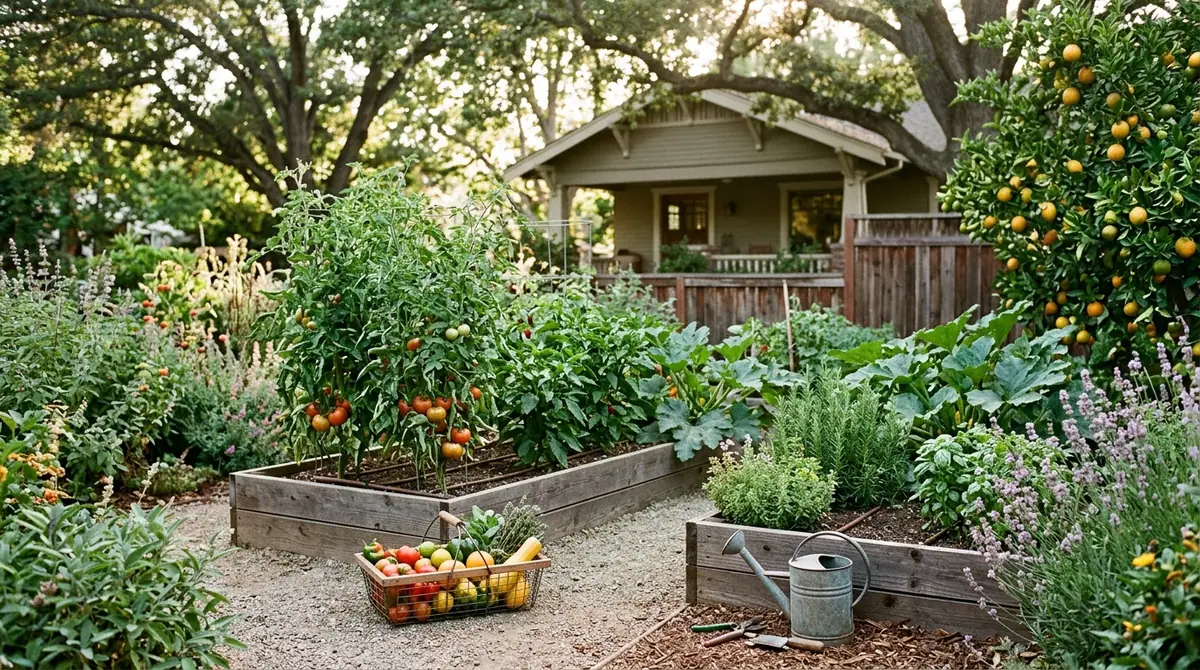
Stepping out onto my Sacramento gardener's newly graded patio last January, the morning frost crunched beneath my boots while the dashboard thermometer flashed 31°F (-0.6°C). By July, that exact same garden would bake under an unyielding 104°F (40°C) canopy of dry Central Valley heat. If you are asking what hardiness zone is Sacramento, you are looking at USDA Hardiness Zone 9b, with microclimates dipping into 9a. This Mediterranean-to-continental transition zone means your landscape swings through average annual minimum winter temperatures of 25°F to 30°F (-3.9°C to -1.1°C), punctuated by scorching summer solar radiation that will test the structural integrity of even the hardiest ornamentals and edibles.

1. Botanical Overview & Natural Habitat
Sacramento sits squarely in California’s Great Central Valley, an inland basin characterized by hot, dry summers and cool, damp winters. Historically, the native ecosystem consisted of valley oak woodlands, perennial bunchgrasses, and vernal pool wetlands. Understanding this native habitat is the secret to successful landscape design here. The soil profile is heavily influenced by millennia of Sierra Nevada snowmelt washing down through the American and Sacramento rivers, leaving behind deep, fertile alluvial soils that alternate between rich loams and heavy, compacted clays.
When gardeners ask what hardiness zone is Sacramento, I remind them that hardiness zones only measure winter lows. They do not tell you about summer heat intensity, vapor pressure deficits, or soil biology. Sacramento experiences roughly 260 growing days per year. Winter brings tule fog—a thick, ground-level radiation fog that rolls in from the delta, keeping ambient temperatures low (often hovering between 38°F and 45°F [3.3°C to 7.2°C]) for weeks at a time. This lack of direct sunlight during December and January can trick cold-hardy crops like brassicas into slow development, while summer brings intense, cloudless days where solar scorching is an everyday hazard.
To thrive in Zone 9b, plants must possess high drought tolerance or be heavily supported by targeted irrigation systems. Native chapparal species, Mediterranean olive trees, and stone fruits excel here because their evolutionary history matches our wet-winter, dry-summer precipitation cycle. Meanwhile, tropical imports struggle unless microclimates are carefully engineered against both winter frost pockets and summer heat domes.
2. Essential Environmental & Care Requirements
Managing a landscape in Sacramento requires a firm grasp of water management, sun exposure, and soil amendment. Because our summer relative humidity often drops below 20%, transpiration rates skyrocket.
| Parameter | Optimal Condition | Common Mistake | Why It Matters |
|---|---|---|---|
| Soil pH | 6.5 to 7.2 (Neutral) | Ignoring native alkalinity | High pH locks out essential micronutrients like iron and manganese, leading to chlorosis. |
| Irrigation | Deep, infrequent soaking (1 to 1.5 inches [2.5 to 3.8 cm] per week in summer) | Shallow daily sprinkling | Encourages shallow root systems vulnerable to rapid surface evaporation during 100°F+ (37.8°C+) heatwaves. |
| Sun Exposure | Full sun (6 to 8+ hours) with afternoon shade for sensitive exotics | Exposing delicate foliage to unblocked west-facing glare | Intense afternoon solar radiation causes leaf scorch and sunscald on fruit and bark. |
| Mulching | 3 to 4 inches (7.6 to 10.2 cm) of organic arbor mulch | Piling mulch directly against plant crowns | Retains vital soil moisture, cools root zones, and prevents weed germination. |
For detailed guidance on regional planting calendars that align with these environmental shifts, consult the UC Davis California Garden Web and the USDA Plant Hardiness Zone Map. If you are transitioning from cool-season planning to local edible crops, you may also find our guide on When to Plant Carrots in Zone 8a helpful for timing your early autumn transitions.
💡 Pro-Tip: Sacramento's heavy clay soils act like concrete when dry and turn to sticky glue when wet. Never work your garden beds immediately after a heavy winter downpour. Walking on wet clay destroys its granular structure, expelling all the air pockets your plant roots desperately need to breathe. Wait until the soil crumbles easily in your hand before planting or weeding.
3. Step-by-Step Cultivation, Feeding & Propagation
Establishing a resilient garden in Zone 9b demands a disciplined protocol. Follow these five steps to ensure long-term plant health:
- Site Assessment and Soil Testing: Dig a test hole 12 inches (30.5 cm) deep, fill it with water, and time how long it takes to drain. If drainage is slower than 1 inch (2.5 cm) per hour, you are dealing with heavy Sacramento clay that requires raised beds or heavy organic incorporation.
- Bed Preparation and Organic Amendment: Spread a 2-inch (5 cm) layer of aged compost and a balanced organic fertilizer across your planting area. Till or broadfork it into the top 8 inches (20.3 cm) of soil to improve microbial activity and aeration.
- Strategic Irrigation Layout: Install drip emitters customized to individual plant needs. For trees, place emitters at the drip line—never right against the trunk—to encourage outward root expansion. Deliver roughly 1 inch (2.5 cm) of water equivalent per irrigation event during peak summer.
- Planting and Root Crown Placement: Dig a hole twice as wide as the root ball but no deeper. Ensure the top of the root flare sits 0.5 inches (1.3 cm) above the surrounding soil grade to account for settling. Backfill with native soil, avoiding the temptation to heavily amend individual planting holes, which can create a bathtub effect.
- Mulching and Summer Heat Mitigation: Apply a 3-inch (7.6 cm) blanket of coarse bark mulch across the entire bed, leaving a 2-inch (5 cm) clearance around woody stems. For tender summer vegetables, erect 30% shade cloth structures by mid-July to prevent flower drop caused by excessive heat.
For gardeners juggling multiple climate zones or planning successive harvests, cross-reference your schedule with our resources on When to Start Tomatoes Indoors Zone 6 and When to Start Tomato Seeds Indoors Zone 6 to see how inland valley timelines differ from northern mountain approaches.
⚠️ Important Caution: Do not fertilize perennial plants or fruit trees past August in Sacramento. Late-season nitrogen pushes a flush of tender, succulent growth right before our autumn frosts arrive. That new tissue will easily rupture at 28°F (-2.2°C), inviting bacterial canker and frost damage into the core structure of your plants.
4. Common Problems, Pests & Troubleshooting
Sacramento’s unique climate creates distinct seasonal headaches for gardeners.
During spring, our wet, mild weather triggers rapid outbreaks of powdery mildew on squash, roses, and stone fruit trees. Combat this by pruning for maximum interior airflow and applying preventive sulfur-based sprays before daytime temperatures consistently exceed 85°F (29.4°C)—applying sulfur above this threshold will fry plant foliage.
In the heat of July and August, spider mites and aphids become aggressive. The dusty conditions along the Central Valley floor coat leaves, masking pests and hindering photosynthesis. Wash foliage down aggressively with a sharp blast of water from a hose nozzle early in the morning every 4 days to disrupt mite life cycles without harming beneficial ladybug populations.

5. Frequently Asked Questions
What exact hardiness zone is Sacramento?
Sacramento is primarily classified as USDA Hardiness Zone 9b, where average annual extreme minimum temperatures fall between 25°F and 30°F (-3.9°C to -1.1°C). Certain low-lying pockets or areas closer to rural agricultural fields may occasionally experience Zone 9a conditions (20°F to 25°F [-6.7°C to -3.9°C]), while urban heat islands within the city center can occasionally lean toward Zone 10a.
When should I plant cool-season vegetables in Sacramento?
Because summers are brutally hot, Sacramento operates on a dual growing season. Plant cool-season crops like kale, lettuce, and root vegetables from late August through October for winter harvest, and again in February through March for spring harvest. If you are managing multiple seasonal rotations, check out our advice on When to Plant Bok Choy Zone 7 to adapt those planting windows to our slightly milder winter lows.
Can I grow tropical plants outdoors year-round in Sacramento?
Yes, but with caveats. Citrus, olives, and certain palms thrive here. However, tender tropicals like bougainvillea, plumeria, and citrus varieties outside of cold-hardy rootstocks may suffer cosmetic leaf damage or die back completely during severe winter frost events. Keep frost cloth handy from December through February to protect sensitive specimens when overnight lows drop below 32°F (0°C).
When is the safest time to plant trees and shrubs in Sacramento?
Autumn (October through November) is the absolute best time to plant woody perennials in Sacramento. The soil remains warm from the summer sun, encouraging root growth all winter long, while seasonal winter rains provide natural hydration. Planting in autumn gives root systems a 5-to-6-month head start before the punishing dry heat of summer arrives.
Related Guides
- What Planting Zone is Sacramento Ca
- What Planting Zone is Sacramento
- What Zone is Columbus Ohio
- What Planting Zone is Virginia in
- Zone 9 Plants Full Sun
- What Zone is Wyoming for Planting
- What Zone is Wisconsin for Planting
- What Zone is Western Pa
📋 Table of Contents ▼ Click to expand
Tags:
🌿 Related Plants You Might Like



PlantSavvyWorld
Editorial team
PlantSavvyWorld is an independent botanical education project. Articles are drafted with AI assistance, then edited and checked against university extension services, botanical garden collections and other published horticultural sources.