

When to Plant Carrots in Zone 8a
Written with AI assistance, edited and checked against horticultural sources.
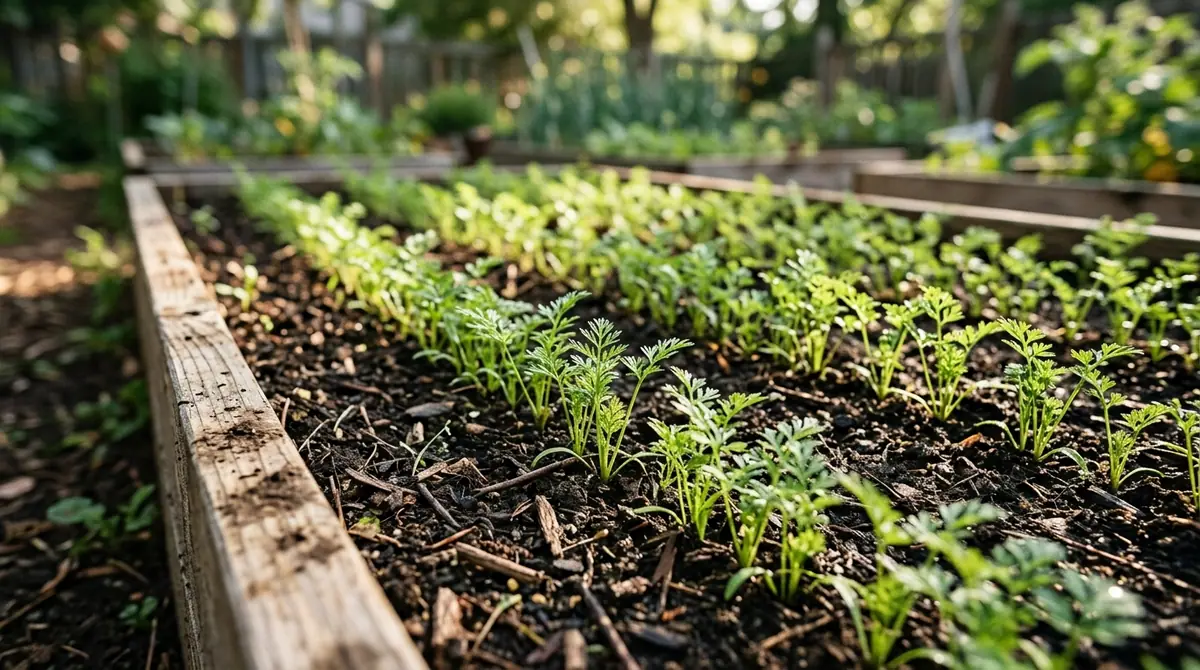
I am still pulling a stubborn, forked Imperator carrot out of my clay-heavy trial beds at the PlantSavvyWorld test plot when I realize once again why timing is everything in USDA Hardiness Zone 8a. It was mid-October, the first gentle chill of autumn had finally dropped our overnight temperatures into the comfortable 50°F (10°C) range, and I was harvesting the sweet, crisp root vegetables I had sown back in late August. If I had tried to plant those same seeds during the blazing heat of our 95°F (35°C) July afternoons, the volatile essential oils in the seed coats would have refused to germinate, or the seedlings would have fried in the baking crust.

1. Botanical Overview & Natural Habitat
The carrot (Daucus carota subsp. sativus) is a biennial herbaceous plant belonging to the Apiaceae family, sharing ancestry with parsnips, parsley, fennel, and dill. Native to temperate regions of Europe and southwestern Asia, wild ancestors of the modern cultivated carrot thrived in loose, well-drained soils along meadows and scrublands. Botanically, the edible portion we crave is a specialized, enlarged taproot designed by nature to store carbohydrates and sugars during the plant's first season of vegetative growth so it can bolt, flower, and set seed during its second year.
In Zone 8a, we treat carrots as cool-season annuals. The plant's physiology is finely tuned to thrive when daytime temperatures hover between 60°F and 75°F (15°C to 24°C) and nighttime temperatures drop to 45°F to 55°F (7°C to 13°C). When temperatures push consistently above 85°F (29°C), physiological stress sets in. The plant reacts by slowing down root expansion, developing bitter-tasting secondary metabolites called terpenoids, and dumping energy into premature structural woodiness. Conversely, while mild frosts sweeten carrots by converting starches into cryoprotectant sugars, a hard freeze below 20°F (-6°C) can structurally rupture cell walls in exposed shoulders, causing rapid rot once a thaw sets in.
Understanding this botanical blueprint explains why Zone 8a gardeners enjoy two distinct planting windows:
- Late Summer to Early Fall Planting: Sown from mid-August through late September. Seeds germinate as summer heat wanes, and the roots size up steadily through the cool, mild months of October, November, and December, often surviving right through winter freezes.
- Late Winter to Early Spring Planting: Sown from late January through mid-March. Seeds go into the thawing soil just before the last hard frost, allowing the crop to mature rapidly before late spring heat waves trigger bolting.
2. Essential Environmental & Care Requirements
Growing exhibition-grade carrots in Zone 8a requires respecting a strict set of environmental parameters. Because the taproot must drive straight down without hitting physical or chemical resistance, soil preparation is just as critical as timing.
| Parameter | Optimal Condition | Common Mistake | Why It Matters |
|---|---|---|---|
| Soil Texture | Sandy loam, stone-free, deeply tilled to 12 inches (30 cm) | Planting in heavy, compacted clay | Obstructions force the taproot to fork, twist, or stunt. |
| Soil pH | 6.0 to 6.8 | Highly acidic (<5.5) or alkaline (>7.5) soil | Extreme pH locks up vital micronutrients like boron and phosphorus. |
| Sunlight | 6 to 8 hours of direct daily sunlight | Planting in heavy shade | Insufficient light stunts foliar growth, starving the root of sugars. |
| Soil Moisture | Consistently moist, 1 inch (2.5 cm) per week | Alternating drought and heavy soaking | Fluctuating moisture causes the rapid expansion of inner cells, splitting the root skin. |
| Fertilization | Moderate phosphorus and potassium, low nitrogen | High nitrogen fertilizers | Excess nitrogen triggers lush, green hair-like tops at the expense of root mass. |
💡 Pro-Tip: If your Zone 8a native soil is stubborn clay, do not fight it. Build a raised bed or a container at least 12 inches (30 cm) deep and fill it with a 50/50 blend of screened topsoil and coarse builder’s sand mixed with well-rotted compost. Your carrots will reward you with straight, unblemished roots.
3. Step-by-Step Cultivation, Feeding & Propagation
Carrots are grown exclusively from seed because their delicate taproots despise being disturbed. If you are accustomed to starting crops indoors—such as figuring out when to start tomatoes indoors zone 6 or managing delicate seed trays—you must completely unlearn those habits here. Carrot seeds go directly into their permanent outdoor home.
- Bed Preparation: Clear the planting area of all stones, roots, and clods. Rake the soil down to a fine, crumbly tilth. Avoid adding fresh manure or high-nitrogen fertilizers, which cause forked roots and hairy skin.
- Sowing Depth and Spacing: Dig shallow furrow lines spaced 10 to 12 inches (25 to 30 cm) apart. Sow tiny seeds densely along the trench at a depth of 1/4 inch (0.6 cm). Lightly cover with fine compost or vermiculite, pressing down gently to ensure firm seed-to-soil contact.
- Moisture Management: Carrot seeds take anywhere from 10 to 21 days to germinate, and they are notorious for drying out. Mist the bed daily with a gentle hose nozzle or cover the rows with floating row covers to retain surface humidity. Never let the topsoil crust over, or fragile seedlings will fail to break through.
- First Thinning (At 2 inches / 5 cm tall): Once seedlings develop their first true leaves, thin them out to stand 1 inch (2.5 cm) apart. Clip the greens off with scissors rather than pulling them up, which can disturb the tender roots of neighboring plants.
- Second Thinning (At 4 inches / 10 cm tall): Step up spacing to 2 to 3 inches (5 to 7.5 cm) between individual plants. This final spacing gives roots adequate room to swell to their maximum girth.
- Mulching and Maintenance: Apply a light layer of shredded straw or leaf mold between rows to conserve soil moisture and suppress weeds. Hand-weed carefully; hoeing too close to the shoulder can nick the developing roots.
- Harvesting: Check maturity dates on your seed packet (typically 65 to 80 days). Gently loosen soil with a garden fork 4 inches away from the root before pulling the top firmly upward.
⚠️ Important Caution: Never let your carrot seedbed dry out during the germination window. If the tiny, imbibing seed dries out for even a single scorching afternoon in early fall or late spring, the embryonic root will die instantly, resulting in catastrophic germination failure.
For gardeners managing diverse landscapes in Zone 8a, balancing root crops with ornamental transitions is a common puzzle. If you enjoy timing delicate garden shifts, you may also find our guides on when to transplant flower seedlings and when to transplant snapdragon seedlings helpful references for your seasonal planting calendar.
4. Common Problems, Pests & Troubleshooting
Even with precise timing, Zone 8a gardeners will occasionally encounter setbacks. Diagnosing them early saves the harvest.
- Forked or Hairy Roots: Caused by fresh, uncomposted organic matter, heavy clay soil, or root-knot nematodes. Remedy by amending soil thoroughly and waiting a full season before planting root crops in nematode-infested beds.
- Root Splitting / Cracking: Triggered by heavy irrigation or a sudden rainstorm after a prolonged dry spell. Maintain even soil moisture through drip irrigation or careful hand-watering.
- Carrot Rust Fly (Psila rosae): The larvae tunnel into the lower roots, leaving rusty brown scars. Prevent infestations by using floating row covers immediately after seeding and rotating your brassica and umbellifer crops annually. Guidance from agricultural authorities like the Clemson University Home & Garden Information Center offers exceptional regional protocols for managing soil-borne pests in southern hardiness zones.
- Green Shoulders: When the upper root pokes out of the soil, exposure to sunlight turns the crown green and bitter. Hill up loose soil or compost around exposed shoulders as the carrots swell.

5. Frequently Asked Questions
Can I grow carrots through the winter in Zone 8a?
Yes. Because Zone 8a winter low temperatures rarely drop low enough to freeze soil solid for long periods, carrots sown in August or September can remain in the ground all winter. They act as a living root cellar. Cover beds with a thick 4-inch (10 cm) layer of straw mulch to prevent freeze-thaw cycles, and harvest roots fresh as needed through January and February.
Why are my carrot tops huge and lush, but the roots are tiny?
This is almost always caused by an excess of nitrogen in the soil or heavy shade. Carrots require modest nitrogen paired with higher levels of phosphorus and potassium to encourage root bulking. If your soil received a heavy dose of high-nitrogen fertilizer, the plant channels all its metabolic energy into building above-ground green foliage instead of underground storage tissue.
How do I know when my carrots are ready to harvest?
Check the diameter of the root crown protruding at the soil line; most varieties are ready when the shoulders measure 3/4 to 1 inch (1.8 to 2.5 cm) across. You can also brush away a tiny bit of soil to inspect the top. Additionally, consult the days-to-maturity count on your seed packet, keeping in mind that cool autumn weather often lengthens maturation times slightly.
What are the best carrot varieties for Zone 8a's climate?
For heavy or standard garden soils, choose shorter, blockier varieties like 'Danvers Half Long', 'Chantenay Red Core', or round 'Paris Market' types that do not require deep loose earth. If you have built raised beds with loose, sandy loam, classic long-tapered cultivars like 'Imperator' or sweet, crunchy 'Nantes' will thrive and produce pristine culinary results. For comprehensive regional trials and cultivar recommendations, consult resources provided by the Royal Horticultural Society.
Related Guides
- What Hardiness Zone is Sacramento
- What Planting Zone is Sacramento Ca
- What Zone is Columbus Ohio
- What Planting Zone is Virginia in
- Zone 9 Plants Full Sun
📋 Table of Contents ▼ Click to expand
Tags:
Keep reading
🌿 Related Plants You Might Like






PlantSavvyWorld
Editorial team
PlantSavvyWorld is an independent botanical education project. Articles are drafted with AI assistance, then edited and checked against university extension services, botanical garden collections and other published horticultural sources.