

What Zone is Columbus Ohio
Written with AI assistance, edited and checked against horticultural sources.
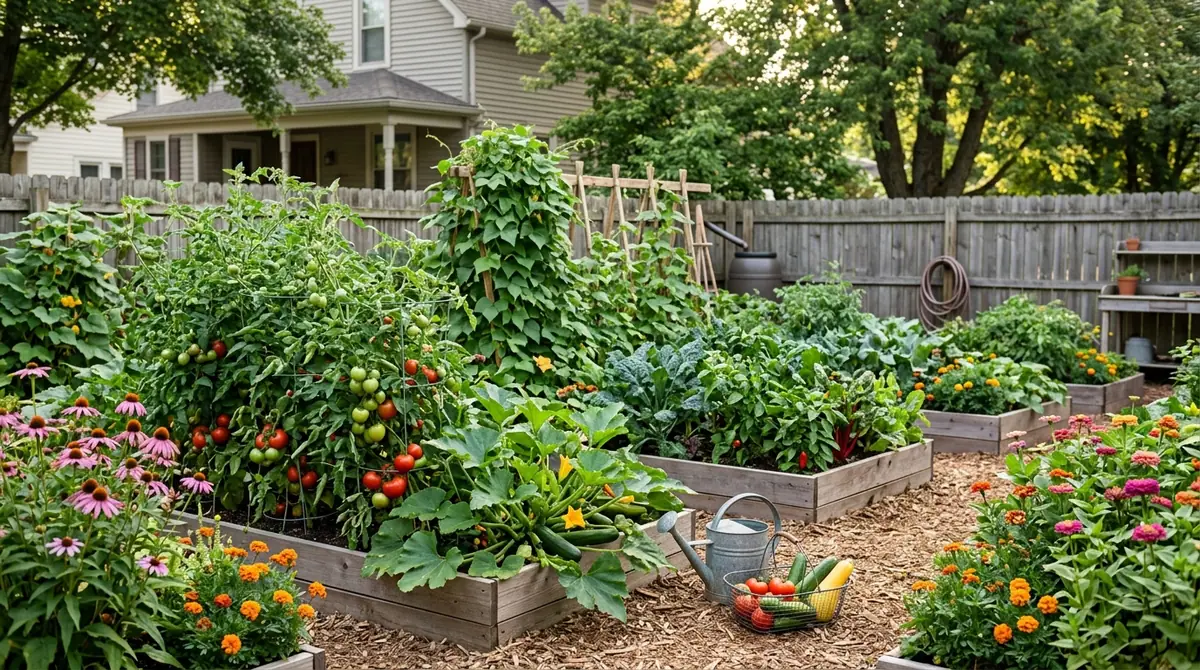

1. Botanical Overview & Natural Habitat
Columbus, Ohio sits firmly in USDA Hardiness Zone 6a, with transitional microclimates shifting into 6b (ranging from -10°F to -5°F / -23.3°C to -20.6°C minimum winter temperatures) as you move closer to the urban heat island of downtown or near major river corridors like the Scioto and Olentangy.
Historically classified under Zone 5b in older USDA maps, the 2023 update shifted much of the metro area into Zone 6a, reflecting a warming trend driven by urban expansion and broader climatic shifts. This half-zone shift changes how we calculate winter survivability for borderline perennials, evergreens, and woody ornamentals. For cold-season crop planners, this climate profile shares similarities with gardeners transitioning from cooler regions down to zones like When Plant Potatoes Zone 5, though our frost-free growing season is distinctly longer—averaging roughly 170 to 180 frost-free days per year.
Natural habitats native to this zone include rich mixed-mesophytic deciduous forests dominated by Acer saccharum (Sugar Maple), Quercus rubra (Northern Red Oak), and Fagus grandifolia (American Beech). Soil profiles are predominantly derived from glacial till, resulting in heavy silty clay loams with a near-neutral to slightly acidic pH range (6.2 to 6.8). This native soil structure holds moisture exceptionally well but compacts easily under foot traffic and heavy equipment, demanding deliberate soil management from landscape designers.
💡 Pro-Tip: Never rely solely on your general USDA zone when planting perennials. Urban microclimates in Columbus—such as south-facing brick courtyards or protected courtyard pockets—frequently mimic Zone 6b or even 7a, while low-lying frost pockets in suburban ravines can drop into harsh Zone 5b territory overnight. Always test your specific microclimate before investing in expensive woody stock.
2. Essential Environmental & Care Requirements
Managing a landscape in Columbus requires balancing adequate moisture retention with structural soil aeration. Because our regional soils feature high clay content, standard watering regimes can easily suffocate root zones.
Plants in Zone 6a Columbus experience distinct seasonal transitions: hot, humid summers where temperatures regularly exceed 85°F (29.4°C), and freezing winters where frost penetrates the soil to a depth of 20 to 25 inches (50 to 63 cm).
| Parameter | Optimal Condition | Common Mistake | Why It Matters |
|---|---|---|---|
| Soil pH | 6.2 – 6.8 (Slightly acidic to neutral) | Ignoring soil tests and leaving heavy clay unamended | Incorrect pH locks out essential micronutrients like iron and phosphorus. |
| Irrigation | 1 inch (2.5 cm) of water weekly via rainfall or deep soaking | Frequent, shallow surface watering | Shallow watering encourages weak root systems vulnerable to drought and freeze-thaw heaving. |
| Mulching Depth | 2 to 3 inches (5 to 7.5 cm) of organic shredded bark | Piling mulch directly against plant stems ("volcano mulching") | Excess mulch traps moisture against bark, promoting fungal decay and rodent nesting. |
| Fertilization | Balanced slow-release organic granules applied in early spring | Over-applying high-nitrogen fertilizers in late summer | Late fertilization triggers tender new growth that is easily killed by early autumn frosts. |
For a deeper scientific dive into regional climate trends and planting timelines, consult the comprehensive resources provided by the USDA Plant Hardiness Zone Map and the Ohio State University Extension.
3. Step-by-Step Cultivation, Feeding & Propagation
When establishing new perennial beds or vegetable plots in Columbus, timing is everything. Because our spring soil warms up gradually—often remaining below 50°F (10°C) through mid-April—jumping the gun on warm-season crops will lead to seed rot.
To achieve optimal establishment, follow this structured cultivation protocol:
- Site Assessment & Soil Testing: Dig core samples 6 inches (15 cm) deep across your planting area. Send samples to a lab to determine exact nutrient levels and organic matter percentages before amending.
- Broadforking & Aeration: Instead of rototilling heavy Columbus clay (which destroys soil aggregate structure), use a broadfork to fracture compacted subsoils while preserving fungal networks.
- Organic Incorporation: Incorporate 2 to 3 inches (5 to 7.5 cm) of aged leaf mold or well-rotted compost into the top 4 inches (10 cm) of soil to improve drainage and microbial activity.
- Seed Starting & Indoor Timing: For warm-season crops, align your schedule carefully. If you are timing your cucurbits or planning crops similar to When to Start Tomatoes Indoors Zone 6, sow seeds indoors 6 to 8 weeks before your average last frost date (typically May 10th in Columbus).
- Hardening Off: Transition indoor-started seedlings outdoors over a 10-to-14-day period, gradually increasing exposure to direct wind and UV radiation.
- Transplanting & Mulching: Plant on an overcast day to minimize transplant shock. Water deeply immediately after planting, then apply a 2-inch (5 cm) layer of shredded hardwood mulch to retain moisture and stabilize soil temperatures.
4. Common Problems, Pests & Troubleshooting
Gardeners in Columbus face a predictable set of regional challenges stemming from our humid continental climate and heavy clay soils. Recognizing these issues early prevents catastrophic crop or landscape failure.
- Root Rot & Phytophthora: Caused by poor drainage in compacted clay soils during wet spring weeks. Symptoms include sudden wilting, yellowing lower leaves, and dark, mushy roots. Solution: Improve subsoil drainage, amend with coarse organic matter, and never plant perennials below the soil grade.
- Powdery Mildew: Thrives during humid Columbus summers with warm days and cool nights, particularly on squash, bee balm, and phlox. Solution: Space plants at least 36 inches (90 cm) apart for adequate airflow, water at the base of plants in the early morning, and apply organic biofungicides like Bacillus subtilis at the first sign of white spore patches.
- Japanese Beetles (Popillia japonica): Active from late June through August, skeletonizing the leaves of roses, fruit trees, and birch trees. Solution: Hand-pick beetles into soapy water at dawn when they are sluggish, or install physical floating row covers over sensitive vegetable crops.
⚠️ Important Caution: Avoid using chemical neonicotinoid pesticides in your Columbus garden. They persist in systemic plant tissues, killing beneficial pollinators, native bees, and earthworms vital to maintaining healthy urban soils.
5. Frequently Asked Questions
What exact USDA hardiness zone is Columbus, Ohio?
Columbus, Ohio is primarily classified as USDA Zone 6a, with minimum winter temperatures dropping between -10°F and -5°F (-23.3°C to -20.6°C). Urban core areas and protected microclimates often lean into Zone 6b (-5°F to 0°F / -20.6°C to -17.8°C).
When is the average last frost date in Columbus?
The average last spring frost in Columbus typically occurs around May 10th, while the first autumn frost generally arrives between October 10th and October 20th, yielding a reliable frost-free growing season of approximately 170 to 180 days.
Can I grow tropical plants outdoors year-round in Columbus?
No. True tropicals (such as citrus, palms, and bougainvillea) cannot survive winter temperatures in Zone 6a. They must be grown in containers and moved indoors to a sunny windowsill or greenhouse before nighttime temperatures drop consistently below 50°F (10°C) in autumn.
What fruit trees thrive best in the Columbus Ohio climate?
Cold-hardy fruit trees that require chilling hours between 800 and 1,000 hours perform exceptionally well here. Excellent choices include apple varieties like 'Honeycrisp' and 'Gala', tart cherries like 'Montmorency', and cold-hardy European pear cultivars. Avoid sweet cherries or peaches unless you plant them in highly protected, south-facing microclimates.
Related Guides
- What Zone is Ohio for Planting Flowers
- What Hardiness Zone is Sacramento
- What Planting Zone is Sacramento Ca
- What Planting Zone is Virginia in
- Zone 9 Plants Full Sun
- What Zone is Western Pa
- What Zone is Tucson
- What Zone is Seattle in for Planting
📋 Table of Contents ▼ Click to expand
Tags:
Keep reading
🌿 Related Plants You Might Like





PlantSavvyWorld
Editorial team
PlantSavvyWorld is an independent botanical education project. Articles are drafted with AI assistance, then edited and checked against university extension services, botanical garden collections and other published horticultural sources.