

What Zone is Ohio for Planting Flowers
Written with AI assistance, edited and checked against horticultural sources.
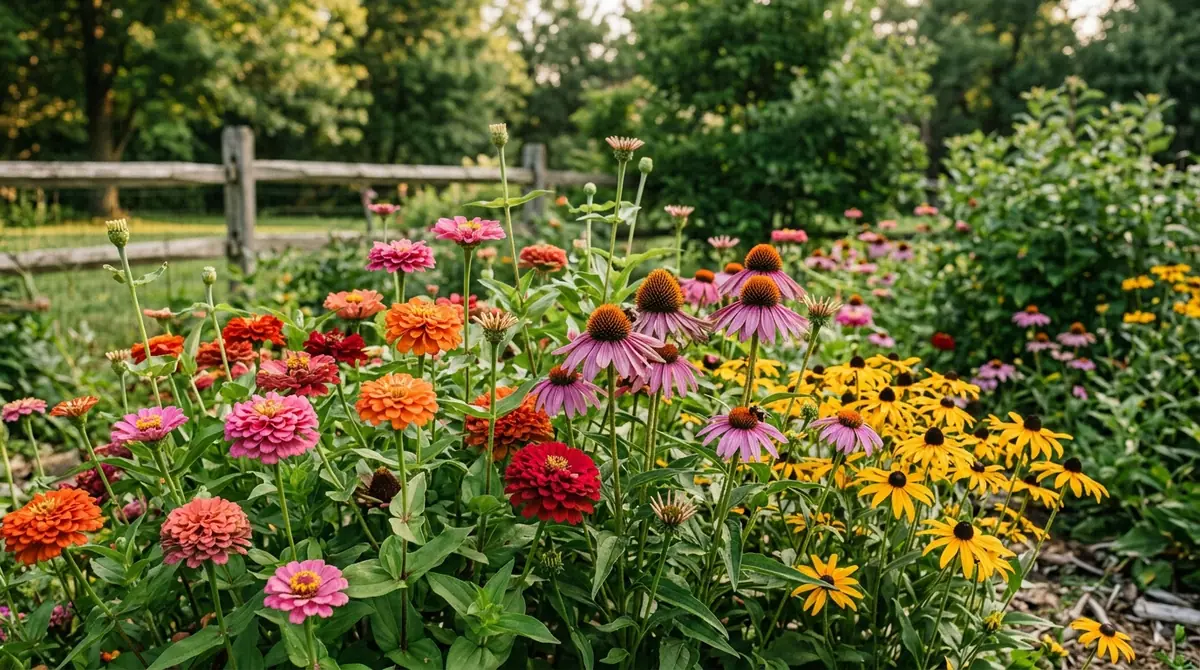
A sudden late-season frost warning threatening temperatures of 28°F (-2°C) requires covering every single tender stem with overturned buckets to save fragile coneflowers. Gardening in Ohio requires understanding that your USDA hardiness zone is not a casual suggestion; it is the absolute margin between a flourishing floral oasis and a heartbreaking pile of compost.
1. Botanical Overview & Natural Habitat
Ohio's native floral heritage is shaped by a mix of deciduous forests, rich river valleys, and remnant tallgrass prairies. Botanically speaking, the state's diverse geography creates microclimates that dictate how perennials and annuals behave across the growing season. In the northern tier, proximity to Lake Erie moderates autumn freezes, extending the growing season for certain protected coastal pockets, while the high plateau of the northeast creates bitter winters that demand cold-hardy stock.
To understand how to plant flowers successfully in Ohio, we must look at how native species adapted to our ecosystem. Plants like the Purple Coneflower (Echinacea purpurea) and Butterfly Weed (Asclepias tuberosa) developed deep taproots to survive summer dry spells interspersed with heavy spring downpours. Soils in Ohio are predominantly glacial till, heavily weighted toward clay fractions that hold onto moisture tightly but compact easily when worked wet.
When you introduce non-native ornamentals—such as English lavender or Mediterranean herbs—into Ohio's climate, you immediately run into trouble with winter wetness. Our soils hold water like a sponge during freeze-thaw cycles in January and February, which causes root rot in plants that prefer lean, fast-draining substrates. Designing a floral landscape here means either amending your soil profile significantly or selecting plants whose evolutionary history matches our damp winters and humid, 85°F to 90°F (29°C to 32°C) summer afternoons.
2. Essential Environmental & Care Requirements
Creating a thriving floral display in Ohio requires careful attention to three non-negotiable environmental factors: light exposure, drainage capacity, and seasonal temperature shifts. Because our spring weather is notoriously fickle—swinging from 70°F (21°C) in April to a sudden 30°F (-1°C) freeze in May—timing is everything.
Sunlight exposure across most of Ohio generally breaks down into 6 to 8 hours of direct daily sunlight for open garden beds, though urban canopies and mature suburban maples often create dappled shade conditions. For most flowering perennials, full sun is essential to prevent powdery mildew, a fungal pathogen that thrives in Ohio's humid summer air.
Drainage is your primary battleground. Heavy clay soils must be modified to allow excess moisture to percolate past the root zone.
| Parameter | Optimal Condition | Common Mistake | Why It Matters |
|---|---|---|---|
| Soil pH | 6.2 to 6.8 (slightly acidic to neutral) | Ignoring soil tests and planting in native alkaline pockets | Improper pH locks out essential micronutrients like iron and phosphorus. |
| Drainage Depth | 12 to 18 inches (30 to 45 cm) of loosened loam | Tilling only the top 3 inches (7.5 cm) | Shallow tilling creates a hardpan layer that traps water and rots roots. |
| Mulch Layer | 2 to 3 inches (5 to 7.5 cm) of shredded hardwood | Piling mulch directly against plant stems ("volcano mulching") | Excess stem moisture invites collar rot and rodent nesting. |
| Watering Volume | 1 inch (2.5 cm) of water per week via rain or irrigation | Frequent, shallow sprinklings | Deep watering encourages downward root growth for drought resilience. |
💡 Pro-Tip: Never rely solely on the calendar for your planting dates in Ohio. Always cross-reference your hyper-local microclimate with the comprehensive data provided by the USDA Plant Hardiness Zone Map to ensure your perennials can handle your specific winter lows.
3. Step-by-Step Cultivation, Feeding & Propagation
Getting flowers to establish successfully in Ohio’s variable climate requires a disciplined, step-by-step planting protocol. Follow this sequence to give your annuals and perennials the strongest possible start.
- Perform a Comprehensive Soil Assessment: Collect core samples from 6 inches (15 cm) deep in your garden bed. Send them to your local agricultural extension office—such as OSU Extension Garden-Based Education—to test for pH and nutrient deficiencies.
- Incorporate Organic Matter: Spread a 3-inch (7.5 cm) layer of well-rotted compost or leaf mold over the bed. Use a garden fork to work the amendments into the top 8 inches (20 cm) of clay soil, breaking up large clods without destroying the soil's natural aggregate structure.
- Determine Your Last Frost Date: Identify your regional average last spring frost date, which typically ranges from April 20th in southern Zone 7a to May 15th in northern Zone 5a. Wait until soil temperatures consistently reach 60°F (15°C) before setting out warm-season annuals.
- Dig Proper Planting Holes: Dig holes twice as wide as the nursery container but exact in depth. Setting a plant too deep in Ohio clay will cause it to suffocate as the surrounding soil packs down.
- Apply Initial Hydration and Mulch: Water the newly installed plants thoroughly to settle the soil around the root ball. Apply a 2-inch (5 cm) ring of shredded bark mulch, keeping it 1 inch (2.5 cm) away from the crown to prevent fungal decay.
⚠️ Important Caution: Avoid working or walking on your garden soil when it is wet in early spring. Compacting wet clay squeezes out all the vital air pockets, destroying soil structure for the entire growing season and stunting root development.
4. Common Problems, Pests & Troubleshooting
Even the most meticulous Ohio gardeners run into hurdles. Our distinct climate—wet springs followed by humid, stagnant summers—creates prime conditions for specific pests and pathogens.
Powdery mildew is public enemy number one for garden flowers in Ohio, especially on bee balm (Monarda), phlox, and zinnias. You will notice a white, talcum-powder-like substance coating the leaves. Prevent this by spacing plants at least 24 inches (60 cm) apart to ensure maximum airflow, and water exclusively at the base of the plant in the early morning so foliage dries quickly.
Japanese beetles are another seasonal menace, arriving in massive numbers by early July to skeletonize the leaves and petals of roses, hibiscus, and coneflowers. Hand-picking them off plants at dawn—when they are sluggish—and dropping them into a bucket of soapy water is the safest organic control method. Avoid widespread chemical insecticide use, as it often kills beneficial pollinators like native bees and predatory wasps that naturally keep pest populations in check.

5. Frequently Asked Questions
What exact zone is central Ohio for planting flowers?
Central Ohio, including Columbus and its surrounding suburbs, is solidly in USDA Zone 6b. This means average annual minimum winter temperatures drop to between -5°F and 0°F (-21°C to -18°C), making it ideal for a vast array of cold-hardy perennials alongside heat-tolerant summer annuals.
When should I start planting spring flowers outdoors in Ohio?
Hardy pansies, violas, and cool-season bulbs can go into the ground as early as late March once the soil can be worked. However, tender annuals like marigolds, petunias, and impatiens should not be planted outdoors until all danger of frost has passed—typically mid-to-late May depending on whether you are in northern or southern Ohio.
Which perennials come back every year without fail in Ohio winters?
Reliable returning perennials for Ohio's freeze-thaw cycles include Purple Coneflower (Echinacea), Black-Eyed Susan (Rudbeckia), Siberian Iris, Daylilies, and Bee Balm (Monarda). These plants possess deep, resilient root structures that easily survive Zone 5 through 7 winters.
How do I fix heavy clay soil for flower gardening in Ohio?
To transform heavy Ohio clay into a welcoming bed for flowers, avoid adding sand alone (which can create a concrete-like consistency). Instead, incorporate large amounts of organic compost, aged leaf mold, and well-rotted manure annually to build up crumbly, nutrient-dense loam over time.
Related Guides
- What Zone is Columbus Ohio
- Hibiscus Edible Flowers
- Why Are My Peace Lily Flowers Green
- Weeds with Blue Flowers Identification
- What Hardiness Zone is Sacramento
📋 Table of Contents ▼ Click to expand
Tags:
Keep reading
🌿 Related Plants You Might Like






PlantSavvyWorld
Editorial team
PlantSavvyWorld is an independent botanical education project. Articles are drafted with AI assistance, then edited and checked against university extension services, botanical garden collections and other published horticultural sources.