

What Zone is Seattle in for Planting
Written with AI assistance, edited and checked against horticultural sources.
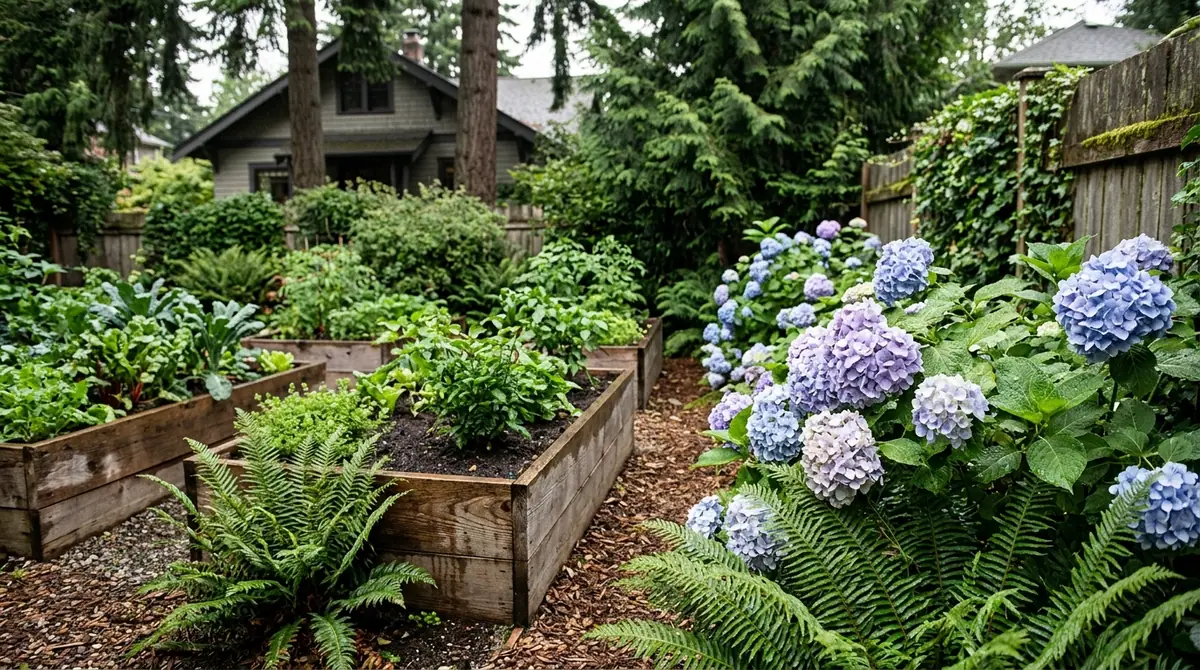
In the Pacific Northwest on an unusually crisp late-autumn morning, a thin layer of silver frost coats winter-blooming hellebores while nearby gunnera leaves collapse into mush under a sudden cold. That morning illustrates why every new gardener in the Puget Sound basin eventually asks the exact same question, usually while clutching a wilting nursery pot: What zone is Seattle in for planting?

1. Botanical Overview & Natural Habitat
Seattle sits within the USDA Hardiness Zone 8b to 9a, depending heavily on your exact neighborhood's elevation, proximity to bodies of water, and urban heat island effects. In the 2012 USDA Plant Hardiness Zone Update (which remains the benchmark), much of Seattle shifted to Zone 8b, with average annual extreme minimum temperatures ranging between 15°F and 20°F (-9.4°C to -6.7°C). Downtown Seattle and areas directly bordering Puget Sound or Lake Washington frequently flirt with Zone 9a, where lows rarely drop below 20°F to 25°F (-6.7°C to -3.8°C).
Beyond the USDA metric, serious growers in our region look at the Sunset Climate Zone system. Seattle spans Sunset Zone 5 (Western Washington and Northwestern Oregon lowlands) and Sunset Zone 4. These zones factor in our maritime influence, characterized by cool summers (average July highs hovering around 75°F to 78°F or 24°C to 26°C), a distinct summer dry season, and wet, mild winters.
Native flora here—such as Acer circinatum (Vine Maple), Polystichum munitum (Sword Fern), and Vaccinium ovatum (Evergreen Huckleberry)—evolved to thrive in deep, organic-rich forest floors with a pH range of 5.5 to 6.5. When designing landscapes for gardeners across Queen Anne, Ballard, or West Seattle, I always remind them that our "Mediterranean" summer pattern (dry months from July through September) coupled with our maritime winter dampness dictates every botanical choice we make.
2. Essential Environmental & Care Requirements
Mastering Seattle’s unique growing environment requires understanding the delicate balance between our winter saturation and summer drought. Here are the core environmental baselines you must manage:
- Sunlight & Photoperiod: Seattle experiences dramatic shifts in day length. We enjoy up to 16 hours of daylight at the summer solstice in June, dropping to just under 8.5 hours by the winter solstice in December. Full sun plants need at least 6 to 8 hours of direct light during our short summer window, while shade-tolerant species thrive in our overcast winter gloom.
- Soil Composition & Drainage: Our native soils are heavily glacial till or alluvial deposits, often high in clay or gravelly sand. Soil temperatures in early spring hover around 45°F to 50°F (7.2°C to 10°C), warming slowly until June. Amending with 2 to 3 inches (5 to 7.5 cm) of well-aged compost annually is essential to improve moisture retention without suffocating root systems.
- Moisture & Irrigation: Seattle receives an average of 38 inches (96.5 cm) of precipitation annually, but over 70% of it falls between October and March. From July to September, we routinely experience drought conditions where monthly rainfall drops below 1 inch (2.5 cm). Supplemental irrigation is mandatory for non-native ornamentals and vegetable gardens during these dry spells.
| Parameter | Optimal Condition | Common Mistake | Why It Matters |
|---|---|---|---|
| Soil pH | 5.5 to 6.5 (Slightly Acidic) | Ignoring pH testing and applying alkaline amendments | Micronutrient availability (especially iron and manganese) drops drastically in high pH soils, leading to chlorosis. |
| Winter Drainage | Rapid percolation (water drains within 2 hours of heavy rain) | Planting in compacted clay without grading or raised beds | Stagnant winter moisture combined with cold temperatures causes root rot in susceptible species like lavenders and rosemary. |
| Summer Irrigation | 1 to 1.5 inches (2.5 to 3.8 cm) of water per week via drip lines | Frequent, shallow surface watering | Shallow watering encourages weak root development, making plants vulnerable to mid-summer heat stress. |
| Mulch Depth | 2 to 3 inches (5 to 7.5 cm) of arborist wood chips | Piling mulch directly against plant stems ("volcano mulching") | Proper mulching insulates roots from sudden frost and retains summer moisture, while stem contact invites rot and pests. |
💡 Pro-Tip: When assessing your specific microclimate in Seattle, look at your neighbors' gardens. If you live at the bottom of a hill in a frost pocket (Zone 8a), tender exotics like citrus or palm varieties will struggle, whereas homes perched on south-facing slopes overlooking the water (Zone 9a) can successfully overwinter borderline-hardy shrubs with minimal protection. For official zone mapping and local resources, consult the [Washington State University Extension](https://extension.wisc.edu/ or specifically local WSU King County Extension) for hyper-local soil testing and master gardener diagnostics.
3. Step-by-Step Cultivation, Feeding & Propagation
Implementing a successful planting protocol in Seattle means working with our seasonal rhythm, starting your warm-season crops indoors while capitalizing on our mild autumns for establishing perennials, trees, and shrubs.
- Site Assessment and Soil Prep: Test your soil drainage in early March by digging a hole 12 inches (30 cm) deep, filling it with water, and timing how long it takes to drain. If it holds water for more than 4 hours, build raised beds or incorporate coarse organic matter.
- Spring Sowing and Planting (April to May): Direct sow cool-season crops (lettuce, spinach, radishes, peas) outdoors when soil temperatures consistently reach 45°F (7.2°C). Plant frost-tender tomatoes, peppers, and squash outside only after June 1st (traditionally following Seattle's last average frost date around April 15th to May 10th, though soil warmth is the true deciding factor).
- Summer Maintenance and Irrigation Setup: Install drip irrigation systems by late June. Apply a balanced, slow-release organic fertilizer (such as a 5-5-5 organic blend) to perennial beds in May, and side-dress heavy-feeding vegetables in mid-July.
- Autumn Installation (September to November): Take advantage of warm autumn soils (which retain summer heat well into October) to plant trees, shrubs, and spring-flowering bulbs. Fall planting allows roots to establish deep systems before winter dormancy, ensuring superior vigor the following spring. For a comprehensive scientific look at plant hardiness definitions, reference the USDA Plant Hardiness Zone Map.
- Winter Protection (December to February): Apply a fresh 2-inch (5 cm) layer of compost mulch around perennials to protect root crowns from unexpected Arctic outflow events—those notorious cold snaps when cold air rushes down the Fraser River Valley and plunges Seattle temperatures into the teens.
⚠️ Important Caution: Never fertilize woody ornamentals or trees in Seattle after August 1st. Late-season fertilization triggers a flush of tender new growth that cannot harden off before our first autumn frosts, leaving the plant vulnerable to severe dieback or permanent stem damage.
4. Common Problems, Pests & Troubleshooting
Seattle’s maritime climate is a double-edged sword: while it allows us to grow lush, verdant gardens year-round, our high humidity and prolonged spring rains create prime conditions for fungal pathogens and garden pests.
- Slugs and Snails (Arion and Helix species): Our damp springs make these gastropods public enemy number one. They decimate hostas, dahlias, and young vegetable starts. Management: Clear out organic debris where they hide, use physical copper barriers, and apply iron phosphate-based bait sparingly around vulnerable perennials.
- Powdery Mildew and Fungal Leaf Spot: Triggered by warm days followed by cool, dewy nights in late summer. Plants like squash, roses, and phlox are frequent victims. Management: Space plants adequately to ensure good air circulation, water at the base in the morning rather than overhead, and remove infected foliage immediately.
- Root Rot (Phytophthora and Pythium): The fatal flaw of many Seattle gardens is winter water-logging. If your soil stays saturated below 6 inches (15 cm) for weeks, roots suffocate and rot. Management: Improve drainage permanently with raised beds, coarse aggregates, and strict avoidance of over-watering during the rainy season.
- Aphids and Western Flower Thrips: These sap-sucking insects arrive in waves during late spring, targeting tender new shoots on roses and fruit trees. Management: Encourage beneficial insects like ladybugs and lacewings, or blast infestations off with a strong jet of water from your garden hose.

5. Frequently Asked Questions
What is the exact USDA planting zone for Seattle?
Seattle spans USDA zones 8b and 9a. Most residential neighborhoods fall into Zone 8b (average annual extreme minimum temperatures of 15°F to 20°F or -9.4°C to -6.7°C), while urban heat islands and waterfront properties lean toward Zone 9a.
When is the last frost date in Seattle for planting vegetables?
The average last frost date occurs between mid-April and early May. However, experienced Seattle gardeners wait until late May or early June to plant heat-loving warm-season crops (like tomatoes and basil) outdoors because nighttime temperatures often remain too cool for optimal growth prior to June.
Can I grow Mediterranean plants like lavender and rosemary in Seattle?
Yes, absolutely, provided you solve the winter drainage puzzle. While our summer drought suits Mediterranean plants perfectly, our wet winters will kill them via root rot if they are planted in heavy clay soil. Plant them in raised beds, south-facing slopes, or containers amended with coarse gravel or pumice.
How do gardens get protected from Seattle's winter freezes?
During standard winters, no protection is needed for Zone 8 hardy plants. However, keep frost cloth or burlap on hand for Arctic outflow events when temperatures drop below 15°F (-9.4°C). Mulch heavily around root crowns with straw or bark chips, and disconnect garden hoses to prevent split pipes.
Related Guides
- When to Plant Strawberries in Seattle
- What Hardiness Zone is Sacramento
- What Planting Zone is Sacramento Ca
- What Zone is Columbus Ohio
- What Planting Zone is Virginia in
📋 Table of Contents ▼ Click to expand
Tags:
🌿 Related Plants You Might Like

PlantSavvyWorld
Editorial team
PlantSavvyWorld is an independent botanical education project. Articles are drafted with AI assistance, then edited and checked against university extension services, botanical garden collections and other published horticultural sources.