

When to Plant Tomatoes in Bay Area
Written with AI assistance, edited and checked against horticultural sources.
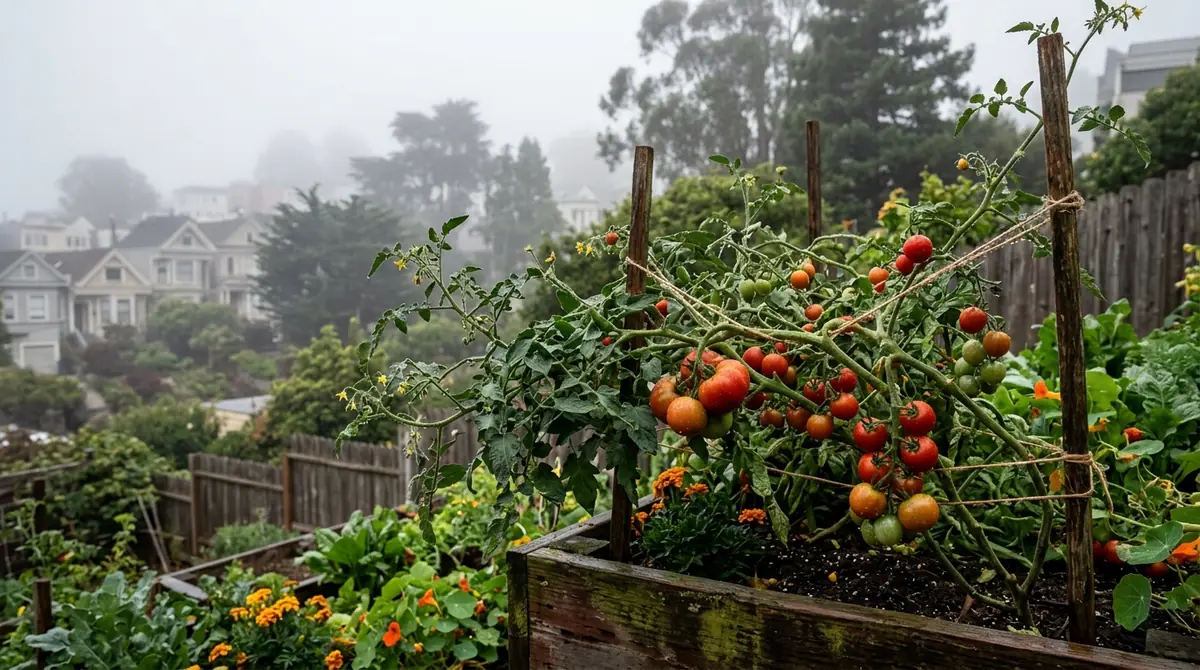
I stood in my Berkeley garden last April, shivering in a thick fleece jacket while holding a tray of leggy 'Early Girl' tomato seedlings, staring out at a thick, wet layer of San Francisco fog clinging to the eucalyptus trees. The calendar on my phone read April 10th, but the soil thermometer I plunged into my raised bed stubbornly read 52°F (11.1°C). I wanted desperately to get my summer crops in the ground, but horticultural experience invite soil-borne fungal pathogens, and delay your first harvest by weeks.

1. Botanical Overview & Natural Habitat
Tomatoes (Solanum lycopersicum) are tender perennial vines treated globally as annuals. Botanically classified within the Solanaceae (nightshade) family, their evolutionary lineage traces back to the wild, arid-to-subtropical slopes of the Andes mountains in western South America, stretching from Ecuador down through Peru and northern Chile. In their native habitat, these wild ancestors grew in nutrient-rich, well-draining volcanic soils under intense, high-altitude UV light, cycling through periods of seasonal warmth and moderate moisture.
Understanding this evolutionary history explains why modern tomato cultivars are so sensitive to environmental stressors. They are absolute sun-worshipers that evolved to thrive in high-light environments with root systems capable of deep exploration. Unlike tropical understory plants—such as the humidity-loving Lipstick Plant (Aeschynanthus Radicans) Complete Care & Bloom Guide—tomatoes demand intense solar radiation, unobstructed airflow, and warm, uncompacted root zones to metabolize nutrients efficiently.
When planted in the San Francisco Bay Area, these botanical requirements clash directly with our notorious microclimates. The western edges of San Francisco, Pacifica, and Daly City experience persistent summer marine layers (locally known as "Karl the Fog"), where ambient summer temperatures frequently stall in the mid-60s°F (17-19°C). Conversely, inland valleys like Concord, Walnut Creek, San Jose, and Livermore routinely experience scorching summer afternoons exceeding 95°F (35°C).
Because of this diversity, planting schedules vary drastically. While inland gardeners can safely transplant hardened-off seedlings in mid-to-late April, coastal and Bayside gardeners must often wait until mid-May—and sometimes late May—until overnight lows consistently stay above 55°F (12.8°C) and the soil temperature reaches a minimum threshold of 60°F (15.5°C). If you push these timelines, plants sit in cold, wet native clay, inviting root rot (Pythium and Phytophthora species) and locking out essential phosphorus uptake.
2. Essential Environmental & Care Requirements
To cultivate high-yielding tomato plants in the Bay Area, you must carefully orchestrate soil, temperature, light, and water. Tomatoes do not tolerate half-measures; they require optimal conditions to set fruit and resist disease pressure.
| Parameter | Optimal Condition | Common Mistake | Why It Matters |
|---|---|---|---|
| Soil Temperature | 60°F to 75°F (15.5°C to 23.9°C) | Planting when soil is below 55°F (12.8°C) | Cold soil causes phosphorus lockout, stunts root growth, and invites fungal pathogens. |
| Ambient Air Temp | 70°F to 85°F (21.1°C to 29.4°C) days; >55°F (12.8°C) nights | Planting before overnight lows stabilize | Temperatures below 55°F at night prevent pollen viability, causing blossom drop. |
| Sunlight Exposure | Minimum 6 to 8 hours of direct, unhindered sun | Planting in shady spots or under dense tree canopies | Insufficient light reduces photosynthesis, lowers sugar content in fruit, and increases mildew. |
| Soil pH & Structure | 6.2 to 6.8 pH, loamy, well-draining | Heavy unamended Bay Area clay | Compacted clay holds excess moisture, suffocates roots, and lacks necessary oxygen exchange. |
| Watering Volume | 1 to 2 inches (2.5 to 5 cm) per week, deep soak | Frequent shallow watering | Shallow water encourages surface root development rather than deep anchorage. |
Soil preparation in the Bay Area frequently involves managing our heavy, alkaline adobe clay. To create an ideal root zone, amend your beds with high-grade organic compost, aged manure, and rice hulls or perlite to improve drainage and aeration. Much like when managing root depth and substrate needs for deep-rooting nightshades—similar to calculating How Deep Do Pepper Plant Roots Go? Pot Size & Substrate Depth Guide—your tomato beds should provide at least 18 to 24 inches (45 to 60 cm) of loose, friable soil.
Sunlight is another critical variable. In fog-belt regions, plant your tomatoes against a south- or west-facing white or light-colored stucco wall. The wall will absorb thermal radiation during the day and radiate it back at night, creating a microclimate that counteracts the chilly marine layer.
3. Step-by-Step Cultivation, Feeding & Propagation
Getting your timing right is only half the battle; the execution of your planting protocol dictates your ultimate harvest volume. Follow this rigorous, step-by-step methodology to establish your Bay Area tomato patch successfully.
- Monitor Soil Thermodynamics: Use a digital soil thermometer inserted 4 inches (10 cm) deep into your garden bed. Do not plant until the morning reading consistently registers at or above 60°F (15.5°C) for five consecutive days.
- Harden Off Your Seedlings: If you started seeds indoors or purchased greenhouse-grown starts, transition them outdoors over 10 to 14 days. Start with 1 hour of filtered shade on day one, slowly increasing direct sun exposure until they can withstand a full day outside without wilting.
- Prune Lower Foliage: Strip away the lower sets of leaves on your tomato transplant, leaving only the top cluster of leaves (the true leaves). This prepares the stem for deep burial.
- Dig the Planting Trench: Dig a vertical hole or a shallow horizontal trench 6 to 8 inches (15 to 20 cm) deep. Burying two-thirds of the stem horizontally stimulates adventitious roots to emerge all along the buried stem, building an expansive, drought-resistant root network.
- Amend the Planting Hole: Mix a handful of organic bone meal (for slow-release phosphorus) and low-nitrogen, high-potassium organic vegetable fertilizer directly into the bottom of the planting hole, ensuring it does not touch the bare roots directly.
- Install Support Structures: Drive your tomato cages, Florida weave stakes, or heavy-duty cattle panel trellises into the ground before the plant gets large. Doing this later risks damaging the root system.
- Apply Heavy Irrigation and Mulch: Water the newly planted tomato thoroughly with 1 to 2 gallons (3.8 to 7.6 liters) of water to settle the soil around the roots. Apply a 3-inch (7.6 cm) layer of clean straw, rice hulls, or shredded bark mulch around the base to prevent soil-borne fungal spores from splashing up onto the lower leaves.
💡 Pro-Tip: If you live in San Francisco, Pacifica, or coastal Oakland where summer warmth is fleeting, use black plastic mulch laid over your soil two weeks before planting. It absorbs solar radiation, rapidly warms the cold coastal earth, and retains vital soil moisture throughout the growing season.
When your tomato vines begin putting out aggressive vegetative growth, consistency is key. Keep your watering routine steady to prevent blossom end rot, a physiological disorder caused by calcium deficiency triggered by erratic soil moisture fluctuations. For comprehensive local guidelines, consult the UC Master Gardener Program of the University of California Agriculture and Natural Resources, which offers incredible region-specific data for California growers.
4. Common Problems, Pests & Troubleshooting
Bay Area gardeners face a unique suite of pests and pathological challenges driven by our damp springs, foggy mornings, and warm, dry autumns.
⚠️ Important Caution: Never overhead-water your tomatoes with a sprinkler system, especially in coastal or Bayside microclimates. Wet foliage combined with cool fog is a guaranteed catalyst for late blight (Phytophthora infestans) and early blight (Alternaria solani), which can destroy an entire crop within a fortnight. Always use drip irrigation or soaker hoses at the soil level.
- Tomato Hornworms (Manduca quinquemaculata): These massive, camouflaged green caterpillars can strip a tomato plant of its foliage and green fruit overnight. Look for their dark green frass (droppings) on the leaves. Handpick them immediately, or look for white silken cocoons on their backs—those are beneficial braconid wasp larvae, which parasitize the pest and should be left alone.
- Blossom Drop: If your tomato plants are blooming profusely in June but dropping their flowers without setting fruit, your nighttime temperatures are either dipping below 55°F (12.8°C) or skyrocketing above 75°F (23.9°C) with dry winds, rendering the pollen sterile. This is common in inland microclimates during early summer heat waves.
- Powdery Mildew: Manifesting as a white, powdery dusting on the leaves, this fungus thrives in high humidity and moderate temperatures. Prune interior leaves to improve air circulation, and apply a preventative spray of organic potassium bicarbonate or neem oil if spotted early.
- Fruit Cracking (Catfacing): Concentrated concentric or radial cracks around the stem scar occur when a prolonged dry spell is followed by heavy watering or unseasonal rain. Maintain strict irrigation discipline to keep soil moisture levels uniform.

5. Frequently Asked Questions
What month should I plant tomatoes in the San Francisco Bay Area?
For inland valleys (San Jose, Walnut Creek, Livermore), plant in mid-to-late April. For Bayside and cooler coastal zones (San Francisco, Berkeley, Pacifica), wait until mid-to-late May when overnight temperatures consistently stay above 55°F (12.8°C) and the marine layer begins to pull back.
Can I grow heirloom tomatoes in foggy Bay Area microclimates?
Yes, but you must select early-maturing, cool-tolerant varieties. Skip massive heat-loving beefsteaks like 'Brandywine' if you live in the fog belt; instead, choose productive cool-season performers like 'Early Girl', 'Stupice', 'Siletz', or 'Sungold', which set fruit reliably even under grey skies.
Why are my Bay Area tomato leaves turning yellow at the bottom?
Lower leaf yellowing is frequently caused by cool, damp spring soils that lock out nitrogen, or it can indicate early blight. Cut away the yellowed leaves to improve airflow, ensure your soil has dried out slightly between waterings, and side-dress with a balanced organic fertilizer.
How do I protect my Bay Area tomatoes from late blight?
Late blight thrives in wet, cool conditions common to Northern California springs. Prevent it by spacing plants at least 3 feet (0.9 meters) apart for maximum ventilation, watering only at the base, staking plants vertically off the ground, and immediately bagging and discarding any infected plant material in the trash—never compost diseased vines.
Related Guides
- Epsom Salt for Peppers and Tomatoes
- Cluster Tomatoes
- When to Transplant Tomatoes
- When is Too Late to Plant Tomatoes
- When Do You Plant Tomatoes in Texas
📋 Table of Contents ▼ Click to expand
Tags:
Keep reading
🌿 Related Plants You Might Like


PlantSavvyWorld
Editorial team
PlantSavvyWorld is an independent botanical education project. Articles are drafted with AI assistance, then edited and checked against university extension services, botanical garden collections and other published horticultural sources.