

What Gardening Zone is Oklahoma
Redactado con asistencia de IA, editado y verificado con fuentes hortícolas.
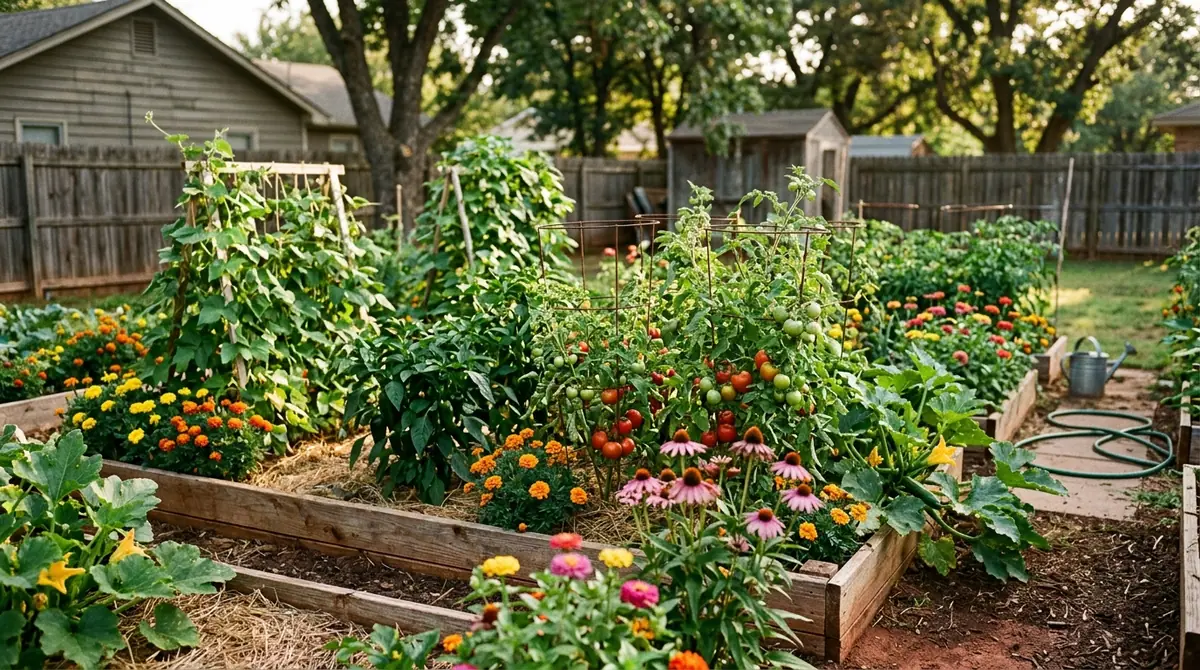
I was standing knee-deep in a red-clay bed in Norman, Oklahoma, holding a shivering Echinacea transplant in one hand and a weather app that showed a 40°F (4.4°C) drop in less than two hours, when I truly understood the meteorological volatility of the state. If you are asking what gardening zone is oklahoma, you need to know right away that the answer is not a single number. Oklahoma spans a dynamic range from USDA Hardiness Zone 6a in the windswept Panhandle up north, down to Zone 8b in the humid southeastern corner near the Red River.

1. Botanical Overview & Natural Habitat
Oklahoma is a botanical transition zone where the eastern deciduous forests meet the western shortgrass prairies, creating a complex patchwork of microclimates. The state is officially categorized by the USDA Plant Hardiness Zone Map into five distinct zones: 6a, 6b, 7a, 7b, 8a, and 8b.
Minimum average winter temperatures drop dramatically depending on your county:
- Zone 6a (-10°F to -5°F / -23.3°C to -20.6°C): Found in the western Panhandle (e.g., Cimarron County).
- Zone 6b (-5°F to 0°F / -20.6°C to -17.8°C): Covers the central and eastern Panhandle and parts of the far northern tier.
- Zone 7a (0°F to 5°F / -17.8°C to -15°C): Encompasses much of northwestern and north-central Oklahoma.
- Zone 7b (5°F to 10°F / -15°C to -12.2°C): Standard for the Oklahoma City metropolitan area and north-central regions.
- Zone 8a (10°F to 15°F / -12.2°C to -9.4°C): Dominates southern Oklahoma and parts of the Tulsa metro.
- Zone 8b (15°F to 20°F / -9.4°C to -6.7°C): Found in the extreme southeast corner, where the climate trends subtropical.
Native plants here have evolved to survive radical shifts. Deep-rooted perennials like Andropogon gerardii (Big Bluestem) send roots down 6 to 8 feet (1.8 to 2.4 meters) to tap deep soil moisture during July droughts, while also enduring frozen ground in January. Understanding your exact hyper-local zone prevents you from treating a tender perennial like an annual, or conversely, losing a cold-hardy shrub to unexpected winter desiccation. For localized soil mapping and county-specific extension data, consult the Oklahoma State University Extension Service.
2. Essential Environmental & Care Requirements
Gardening in Oklahoma requires mastering three environmental variables: wind shear, intense solar radiation, and highly variable soil composition.
Because the state averages wind speeds of 10 to 15 mph (16 to 24 km/h) daily—with spring gusts often exceeding 50 mph (80 km/h)—transpiration rates skyrocket. Newly planted shrubs and cool-season vegetables can dehydrate in hours if wind protection is neglected.
Soil types vary wildly from the heavy, alkaline vertisols of the central clay belt (often testing at a pH of 7.2 to 8.0) to the acidic, sandy loams of the southeast (pH 5.5 to 6.5). If you live in central Oklahoma, your soil is likely packed with dense smectite clays that swell when wet and bake into concrete-like blocks in August. Amending these soils with organic compost is non-negotiable for root health.
| Parameter | Optimal Condition | Common Mistake | Why It Matters |
|---|---|---|---|
| Soil pH | 6.2 – 6.8 (Most crops) | Ignoring regional extremes (alkaline clay vs. Acidic sand) | Nutrient lockout occurs if pH deviates too far from neutral, starving plants of iron and phosphorus. |
| Irrigation Depth | 1 inch (2.5 cm) of water per week via deep soakings | Frequent, shallow surface watering | Encourages shallow root systems that scorch when the topsoil dries out in summer. |
| Mulch Application | 3 inches (7.6 cm) of organic bark/leaves | Piling mulch directly against plant stems ("volcano mulching") | Traps moisture against bark, causing collar rot and inviting wood-boring pests. |
| Wind Mitigation | Permeable windbreaks or staggered plantings | Planting fragile saplings in wide-open, exposed zones | High winds snap branches, desiccate foliage, and uproot establishing root balls. |
💡 Pro-Tip: When planning your vegetable garden layout across Oklahoma's mixed zones, remember that cool-season brassicas and root crops behave differently than they do in northern states. If you are timing your autumn garden, knowing When to Plant Brussel Sprouts in Zone 7 ensures your plants mature during crisp October nights rather than scorching September afternoons.
3. Step-by-Step Cultivation, Feeding & Propagation
Establishing a resilient garden bed in Oklahoma's variable zones requires strict adherence to soil preparation and timing protocols. Follow this step-by-step sequence to build a productive growing bed:
- Site Assessment & Soil Testing: Dig a 6-inch (15 cm) core sample from multiple points in your garden. Send it to your local extension office to determine exact nutrient deficiencies and pH levels before adding amendments.
- Broadforking and Aeration: Instead of traditional rototilling—which destroys beneficial soil microbiology and brings dormant weed seeds to the surface—use a broadfork to fracture compacted clay soils down to 12 inches (30 cm).
- Organic Incorporation: Spread a 2-inch (5 cm) layer of aged manure or leaf compost over the bed surface. Gently work it into the top 4 inches (10 cm) of soil using a garden fork.
- Moisture Conditioning: Water the bed thoroughly 48 hours before planting, bringing soil moisture to field capacity. This prevents dry pocket stress on incoming root systems.
- Planting Depth and Spacing: Dig holes twice as wide as the root ball but no deeper than the container's original soil line. Tamp down gently to eliminate air pockets.
- Immediate Mulching: Apply a 3-inch (7.6 cm) layer of shredded hardwood mulch around the plants, maintaining a 1-inch (2.5 cm) clearance zone around all stems.
- Establishment Irrigation: Deliver 1 inch (2.5 cm) of water immediately after planting using a drip irrigation system or soaker hose to settle the soil profile.
For those planning ahead to spring crops, it is equally vital to coordinate your indoor seed-starting schedule with your region's last average frost date—which ranges from late March in Zone 8b to late April in Zone 6a. For instance, timing your solanaceous crops correctly relies on understanding When to Start Tomatoes Indoors Zone 6 so your seedlings do not outgrow their indoor containers before outdoor soil temperatures hit 60°F (15.6°C).
4. Common Problems, Pests & Troubleshooting
Oklahoma's dramatic weather fluctuations create distinct plant stress vectors that every gardener must manage.
Sudden Spring Freezes: It is common for temperatures to drop from 75°F (23.9°C) to 22°F (-5.6°C) within 24 hours in March or April. Keep frost cloth on hand and anchor it securely against high winds to protect emerging perennials and early spring blooms.
Spider Mites and Aphids: The intense dry heat of July and August triggers massive population explosions of two-spotted spider mites (Tetranychus urticae). You will notice stippled, bronze-tinted leaves. Blast foliage with a hard stream of water in the early morning to disrupt their webs, or apply insecticidal soap if infestations persist.
Root Rot from Heavy Rains: Spring brings torrential downpours that can drop 4 to 6 inches (10 to 15 cm) of rain in a single afternoon. If your soil lacks proper drainage, plants will succumb to Phytophthora root rot.
⚠️ Important Caution: Never work or walk on heavy Oklahoma clay soils when they are saturated after a heavy rain. Doing so compresses soil pore space, destroys soil structure, and creates concrete-like clods that can take seasons to repair.

5. Frequently Asked Questions
What is the average last frost date in Oklahoma?
Last frost dates vary widely by zone. In Zone 6a/6b (Panhandle and northern tier), the last frost typically occurs between April 20 and May 5. In Zone 7a/7b (Central Oklahoma), it falls between April 5 and April 20. In Zone 8a/8b (Southern tier), the last frost generally passes by March 20 to March 31.
Can I grow tropical plants outdoors in Oklahoma?
Yes, but treat them as annuals or bring them indoors before the first autumn freeze. While Zone 8b regions in the southeast can support some borderline-hardy tropicals like hardy bananas (Musa basjoo) with heavy winter mulching, most of the state experiences freezes severe enough to kill tender root systems.
How do I know if my Oklahoma soil is clay or sand?
Perform the "ribbon test." Take a handful of moist soil from your garden and squeeze it into a ball. If you can squeeze it into a long, thin ribbon (longer than 2 inches / 5 cm) without it breaking, you have heavy clay soil. If it crumbles apart immediately and feels gritty, you have sandy soil.
When should I stop fertilizing perennial plants in Oklahoma?
Stop all nitrogen-based fertilization at least 6 to 8 weeks before your region's average first fall frost date (usually mid-August for central zones). Late-season fertilization encourages tender, succulent new growth that will easily be ruptured and killed by the first hard freeze.
Related Guides
- What Zone is Tulsa Oklahoma for Planting
- What Zone is Oklahoma in for Plants
- What Zone is Oklahoma City for Planting
- What Hardiness Zone is Sacramento
- What Planting Zone is Sacramento Ca
- What Zone is Sc in for Planting
- What Zone is Sc for Planting
- What Zone is Nh
📋 Table of Contents ▼ Click to expand
Tags:
🌿 Related Plants You Might Like






PlantSavvyWorld
Equipo editorial
PlantSavvyWorld es un proyecto independiente de educación botánica. Los artículos se redactan con asistencia de IA y luego se editan y verifican con servicios de extensión universitaria, colecciones de jardines botánicos y otras fuentes hortícolas publicadas.