

What Zone is Oklahoma City for Planting
Written with AI assistance, edited and checked against horticultural sources.
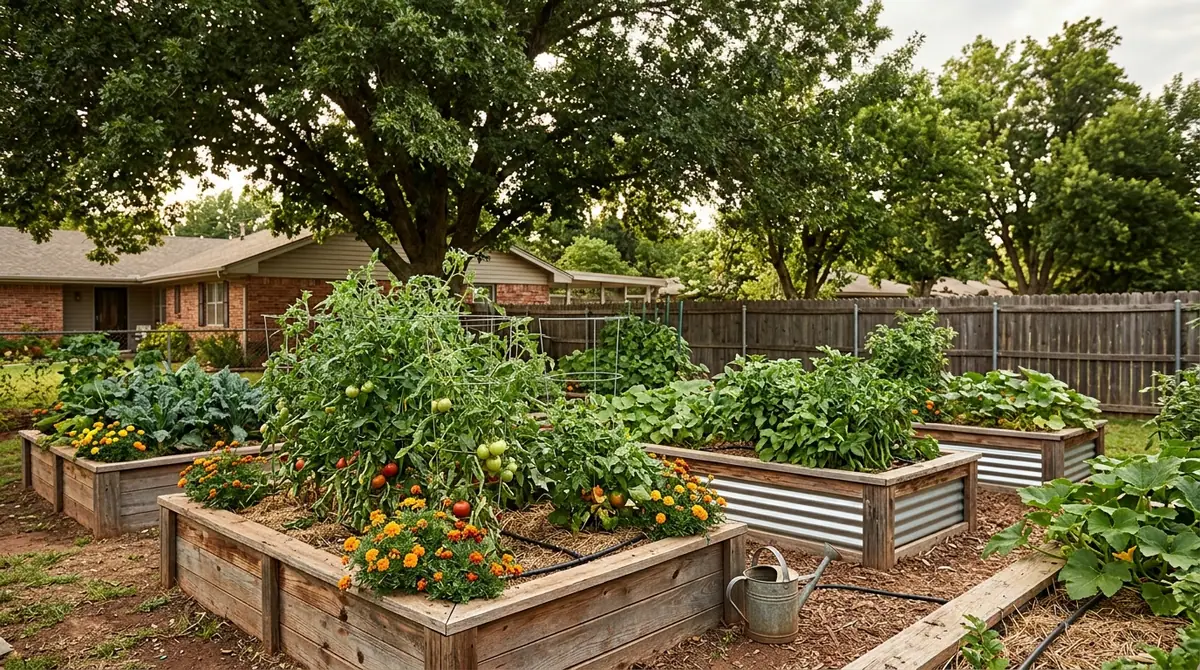
Standing at the edge of a gardener's freshly cleared plot in the rolling red-earth outskirts of Oklahoma City three years ago, I held a frozen digital thermometer in one hand and a handful of crumbly, alkaline loam in the other. The morning air was a crisp 18°F (-7.8°C), yet by mid-afternoon, a sharp prairie wind would send temperatures climbing toward a deceivingly mild 55°F (12.8°C). That day drove home a fundamental truth every gardener in this region must master: planting here is not about picking a single number on a map; it is about learning to choreograph life within a zone of dramatic, unyielding meteorological extremes.
1. Botanical Overview & Natural Habitat

To translate these zone classifications into actionable temperatures:
- Zone 7b designates an average annual extreme minimum temperature of 5°F to 10°F (-15°C to -12.2°C).
- Zone 8a designates an average annual extreme minimum temperature of 10°F to 15°F (-12.2°C to -9.4°C).
Knowing your zone is only the baseline. Oklahoma City sits at the crossroads of the humid eastern forests and the arid western plains. This geographic reality exposes plants to volatile shifts driven by the absence of natural geographic barriers to the north and south. Arctic cold fronts can plunge temperatures by 40°F (22.2°C) in a matter of hours during late autumn, while summer highs frequently shatter the 100°F (37.8°C) mark for weeks on end.
The native landscape reflects this resilience. Pre-settlement vegetation was dominated by tallgrass prairie and cross timbers ecotone, featuring deep-rooted perennials like Big Bluestem (Andropogon gerardii) and woody species like Post Oak (Quercus stellata). When we design residential or commercial landscapes in OKC, we are essentially mimicking these native ecosystems. Plants must cope with heavy clay soils, high summer solar radiation, and erratic precipitation that averages around 36 inches (91.4 cm) annually, often delivered in torrential spring thunderstorms rather than gentle, steady rains.
2. Essential Environmental & Care Requirements
Success in OKC's growing zones hinges on understanding how light, water, and soil interact under intense prairie conditions.
Sunlight intensity here is formidable. Most ornamental and vegetable crops require full sun, defined as 6 to 8 hours of direct daily sunlight. However, the afternoon sun in July and August can scorch tender foliage. When designing beds, I position delicate species where they receive morning sun and dappled shade during the punishing 3:00 PM peak.
Water management is equally critical. Because Oklahoma winds evaporate soil moisture at an astonishing rate, traditional overhead watering often loses up to 30% of its volume to drift and evaporation. Drip irrigation or soaker hoses delivering a measured 1 inch (2.5 cm) of water per week—adjusted for natural rainfall—keep root zones hydrated without waterlogging the surrounding clay.
Soil composition in Oklahoma City is notoriously variable, ranging from heavy, alkaline alluvial clays near the North Canadian River to sandy, well-draining loams further north. Most urban soils, however, have been compacted by construction equipment. Native clays often boast a pH between 7.2 and 8.0, which can lock up essential micronutrients like iron, leading to chlorosis in susceptible plants.
| Parameter | Optimal Condition | Common Mistake | Why It Matters |
|---|---|---|---|
| Soil pH | 6.5 to 7.0 for general plants; 6.0 for acid-lovers | Ignoring native soil tests and planting acid-lovers in alkaline OKC clay | Alkaline soils lock up iron and phosphorus, causing severe leaf chlorosis and stunted growth. |
| Irrigation Depth | 6 to 8 inches (15 to 20 cm) per watering cycle | Frequent, shallow surface watering | Deep watering encourages roots to grow downward, making plants resilient against summer drought. |
| Mulch Layer | 3 inches (7.6 cm) of organic hardwood bark | Piling mulch directly against plant stems ("volcano mulching") | Thick mulch moderates soil temperature swings and retains moisture, while stem contact causes rot. |
| Wind Protection | Establishing structural windbreaks for young specimens | Planting delicate exotics in wide-open, exposed southern exposures | High spring winds snap tender branches and accelerate moisture loss through leaf transpiration. |
💡 Pro-Tip: When amending native Oklahoma clay, never dig a deeply amended pocket for a single tree or shrub without grading the surrounding soil. A heavily amended planting hole acts like a bathtub in dense clay, trapping water around the root ball and drowning the specimen during our heavy spring downpours. Always amend a wide, shallow basin instead.
3. Step-by-Step Cultivation, Feeding & Propagation
Establishing a resilient garden in Oklahoma City's Zone 7b/8a requires a methodical approach. Follow this step-by-step protocol for installing new perennial beds or shrub borders.
- Site Assessment and Soil Mapping: Clear the area of invasive weeds like bindweed or bermudagrass. Take core samples across your planting site to a depth of 6 inches (15 cm) and send them to the Oklahoma State University Extension Service for a formal nutrient and pH analysis.
- Broad-Scale Modification: Spread a 2-inch (5 cm) layer of well-rotted compost or leaf mold across the entire bed rather than just individual holes. Broad-fork or till the top 6 to 8 inches (15 to 20 cm) to break up compaction and integrate the organic matter uniformly.
- Plant Selection and Acclimatization: Source plants grown within similar climatic regions. Harden off container-grown nursery stock by placing them in a sheltered, partially shaded outdoor spot for 7 to 10 days before planting out.
- Excavation and Placement: Dig a hole twice as wide as the nursery container but slightly shallower—leaving the top 1 inch (2.5 cm) of the root ball elevated above the surrounding grade. This accounts for natural settling.
- Initial Watering and Settling: Fill the planting basin halfway with native soil, tamp lightly to eliminate large air pockets, and water thoroughly to settle the soil around the roots. Finish filling the hole and water a second time.
- Mulching: Apply a 3-inch (7.6 cm) layer of shredded hardwood mulch across the bed, maintaining a 2-inch (5 cm) clearance zone around all woody stems to prevent fungal collar rot.
- Post-Installation Maintenance: Provide 1 inch (2.5 cm) of water every 5 to 7 days for the first growing season. For ongoing guidance, consult resources from the Oklahoma City Zoo and Botanical Garden for regional plant performance data.
⚠️ Important Caution: Beware of planting tender perennials or subtropical exotics too early in the spring. While OKC frequently experiences unseasonably warm 80°F (26.7°C) days in March, our historic average last frost date occurs around April 1st to April 10th. A sudden late-April freeze can kill emerging growth right down to the crown.
4. Common Problems, Pests & Troubleshooting
Gardeners in Oklahoma City face a distinct suite of challenges shaped by our unique weather patterns.
Root Rot and Fungal Pathogens: During prolonged wet springs, poorly draining clay soils retain excessive moisture. This creates a breeding ground for Phytophthora and Pythium root rots. Symptoms include sudden wilting despite adequate soil moisture, yellowing foliage, and blackened, mushy roots. Prevent this by incorporating coarse organic matter and ensuring positive surface drainage away from foundations and beds.
Windburn and Mechanical Damage: Spring gales sweeping across the plains frequently exceed 40 mph (64 km/h). This wind strips moisture from evergreen foliage faster than the roots can replace it, resulting in scorched, brown leaf margins (windburn). Stake young trees securely with flexible ties for their first two growing seasons, and site broad-leaved evergreens behind structural windbreaks or solid fencing.

5. Frequently Asked Questions
What is the exact USDA hardiness zone for Oklahoma City?
Oklahoma City spans USDA Hardiness Zones 7b and 8a. The majority of the metropolitan area falls within Zone 7b, where average annual extreme minimum temperatures drop to 5°F to 10°F (-15°C to -12.2°C).
When is the safest time to plant tomatoes and warm-season vegetables in OKC?
The safest window for planting warm-season crops outdoors is between April 10th and April 25th. By this time, the soil has warmed to a consistent 60°F (15.6°C) and the statistical risk of a damaging late spring frost has passed.
Which perennial flowers survive Oklahoma City summers best?
Drought-tolerant native and adapted perennials thrive best here. Outstanding performers include Purple Coneflower (Echinacea purpurea), Black-Eyed Susan (Rudbeckia fulgida), Russian Sage (Salvia yangii), and various species of ornamental switchgrass (Panicum virgatum). These plants possess deep root systems capable of weathering weeks of high heat and sparse rainfall.
How do I protect container plants from freezing during OKC winters?
Container-grown perennials and shrubs are far more vulnerable to cold damage because their root systems lack the thermal mass of the earth. In Zone 7b/8a, move pots against a south-facing exterior wall to capture radiant heat, group containers tightly together, or plunge the entire pot into an unheated garden bed for the winter months.
Related Guides
- What Gardening Zone is Oklahoma
- What Zone is Tulsa Oklahoma for Planting
- What Zone is Oklahoma in for Plants
- What Hardiness Zone is Sacramento
- What Planting Zone is Sacramento Ca
📋 Table of Contents ▼ Click to expand
Tags:
Keep reading
🌿 Related Plants You Might Like



PlantSavvyWorld
Editorial team
PlantSavvyWorld is an independent botanical education project. Articles are drafted with AI assistance, then edited and checked against university extension services, botanical garden collections and other published horticultural sources.