

What Zone is Oklahoma in for Plants
Written with AI assistance, edited and checked against horticultural sources.

1. Botanical Overview & Natural Habitat
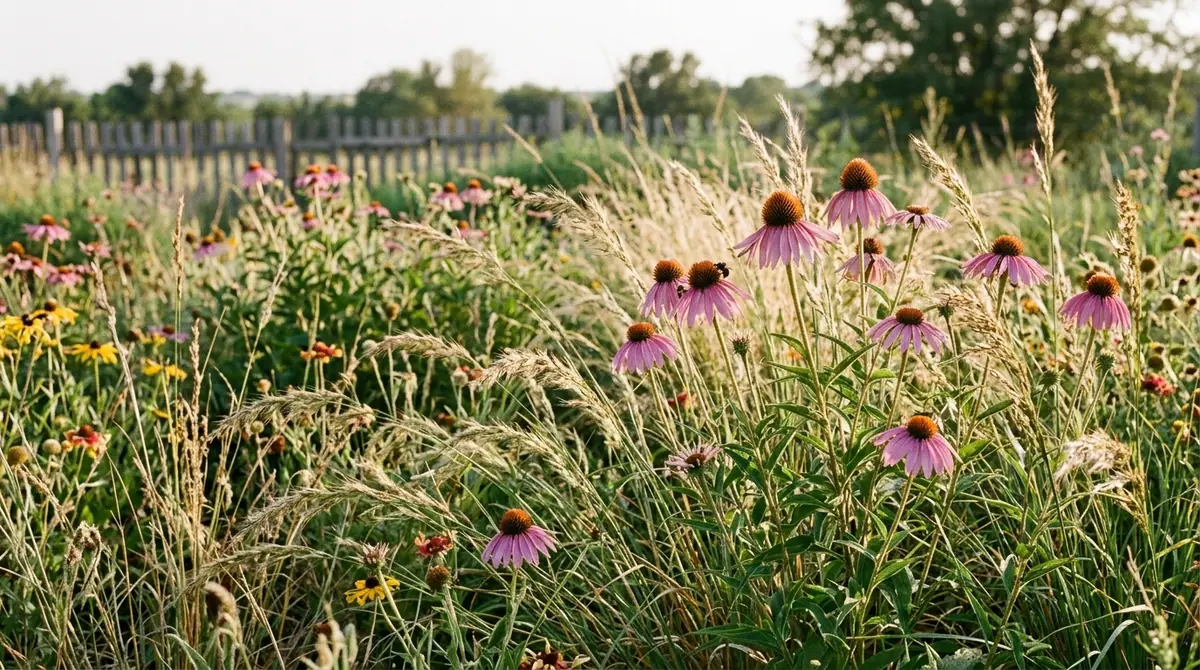
Oklahoma is an ecological crossroads. Historically, the state transitions from the eastern oak-hickory cross timbers and lush bottomlands into the tallgrass prairie of the central plains, and finally into the shortgrass semi-arid steppes of the western panhandle. This geographic variance means your zip code dictates your minimum winter temperatures, which directly influences whether your perennial beds survive January or freeze solid to the root crown.
The USDA Plant Hardiness Zone Map divides Oklahoma into the following primary brackets based on average annual extreme minimum winter temperatures:
- Zone 6a & 6b (-10°F to -5°F / -23.3°C to -20.6°C): Found primarily in the Oklahoma Panhandle (Cimarron, Texas, and Beaver counties) and higher elevations in the north-central regions. Winter winds here are brutal, and frost penetration depth can reach 18 to 24 inches (45 to 60 cm) if ground cover is absent.
- Zone 7a & 7b (0°F to 10°F / -17.8°C to -12.2°C): Covers the vast majority of central and northern Oklahoma, including Oklahoma City, Tulsa, Stillwater, and Enid. This zone experiences dramatic freeze-thaw cycles in late winter.
- Zone 8a & 8b (10°F to 20°F / -12.2°C to -6.7°C): Confined to the extreme southeastern corner of the state, such as Idabel and Broken Bow, where high humidity and milder winters allow for southern broadleaf evergreens and marginally hardy perennials to thrive.
Native flora here has evolved to handle this volatility. Deep taproots are the norm among native perennials like Purple Coneflower (Echinacea purpurea) and Butterfly Milkweed (Asclepias tuberosa), allowing them to chase receding moisture tables during scorching July droughts where soil surface temperatures regularly exceed 130°F (54.4°C). When designing a landscape here, ignoring these native adaptations is the fastest route to plant failure.
2. Essential Environmental & Care Requirements
Managing a garden in Oklahoma means planning for extremes: relentless wind, intense solar radiation, alkaline clay soils in the central and western parts, and acidic sandy loams in the east.
| Parameter | Optimal Condition | Common Mistake | Why It Matters |
|---|---|---|---|
| Soil pH | 6.2 to 6.8 (East); 7.2 to 7.8 (Central/West) | Forcing acid-loving plants into alkaline native clay | High pH locks out essential micronutrients like iron, causing severe chlorosis and stunted growth. |
| Irrigation Depth | 1 to 1.5 inches (2.5 to 3.8 cm) per week via deep soakings | Frequent, shallow surface watering | Shallow watering encourages surface root development, leaving plants vulnerable to sudden summer drought stress. |
| Wind Protection | Natural hedgerows, masonry walls, or burlap screens | Planting delicate specimens in open, windswept sites | High winds accelerate transpiration, ripping foliage and desiccating tissue faster than roots can absorb water. |
| Mulch Layer | 3 inches (7.6 cm) of organic shredded hardwood | Piling mulch directly against plant stems ("volcano mulching") | Heavy mulch regulates soil temperatures against wild swings, but touching stems invites rot and rodent damage. |
To dive deeper into optimizing soil and maximizing yields for specific heavy-feeding crops in these regional conditions, consult our guide on How to Grow Huge Tomato Plants: Pruning, Trenching & Heavy Yields.
💡 Pro-Tip: If you garden in central or western Oklahoma's heavy clay zones, avoid digging deep, narrow amendment holes when planting trees and shrubs. Instead, dig a shallow, wide basin—three times the root ball width—and grade the sides gently. Planting slightly high (1 to 2 inches / 2.5 to 5 cm above grade) prevents the root flare from suffocating when heavy spring rains saturate the tight surrounding clay.
3. Step-by-Step Cultivation, Feeding & Propagation
Establishing a successful perennial or vegetable garden in Oklahoma requires timing your interventions around the state's notorious late spring freezes and blazing summers. Follow this rigorous step-by-step protocol for setting out new plantings:
- Site Assessment and Wind Mitigation: Evaluate your property's exposure. If establishing beds in an open zone 7 or 6 landscape, install temporary burlap windbreaks or plant a fast-growing native hedge line (such as Chokecherry or Roughleaf Dogwood) 60 days before installing sensitive ornamentals.
- Soil Testing and Amendment: Submit a core sample (taken 6 to 8 inches / 15 to 20 cm deep) to the Oklahoma State University Extension Office to determine exact nutrient deficiencies and pH levels.
- Bed Preparation: Broadfork or spade the soil to loosen compaction without inverting soil layers. Work in 2 inches (5 cm) of aged compost to improve microbial life and moisture retention.
- Acclimation (Hardening Off): Move seed-grown plants or nursery stock outdoors gradually over a 14-day window. Start with 1 hour of filtered morning sun, increasing exposure daily while protecting plants from wind gusts exceeding 20 mph (32 km/h).
- Precision Planting: Dig your planting hole twice as wide as the root ball but no deeper. Gently tease bound roots outward. Backfill with native soil, firming gently by hand—never stomp the soil down, as this compacts pore space.
- Initial Deep Irrigation: Soak the root zone immediately with a slow drip or bubbler for 45 minutes to settle soil particles around the roots and eliminate air pockets.
- Mulching and Protection: Apply a 3-inch (7.6 cm) layer of organic mulch, leaving a 2-inch (5 cm) clearance ring around all stems and trunks.
When planning companion plantings for your vegetable plots, ensure you map out compatible species to deter local pests; our guide on Sweet Potato Companion Plants: 8 Best Garden Friends & 3 Foes to Avoid offers exceptional strategies for sun-drenched, high-heat southern gardens.
⚠️ Important Caution: Never apply high-nitrogen synthetic fertilizers to Oklahoma landscape plants during the peak of summer (July and August). Forced, succulent new growth cannot withstand thermal scorching and will easily attract sap-sucking insects like aphids and lace bugs.
4. Common Problems, Pests & Troubleshooting
Oklahoma gardeners face a distinct roster of environmental disorders and insect pressures. Recognizing them early saves seasons of frustration.
- Iron Chlorosis: Manifests as yellowing leaves with distinct green veins, particularly in maples, pin oaks, and roses planted in alkaline central soils. Correct this by applying chelated iron foliar sprays or lowering soil pH with elemental sulfur.
- Spider Mites (Tetranychidae): Thriving in hot, dusty, dry conditions typical of August in zones 7 and 8, these microscopic pests spin fine webs on the undersides of leaves, causing stippling and leaf drop. Blast foliage daily with a sharp stream of cold water or apply insecticidal soaps in the early evening.
- Botrytis Blight and Powdery Mildew: Triggered by high relative humidity combined with cool nighttime spring air. Prevent outbreaks by spacing plants at least 3 feet (90 cm) apart to ensure cross-ventilation, and water exclusively at the soil level using soaker hoses.

5. Frequently Asked Questions
What is the exact average frost-free date in central Oklahoma?
In Zone 7 central Oklahoma (such as the OKC metro area), the average last spring freeze occurs between April 5 and April 15, while the first fall freeze typically hits between November 1 and November 10. However, microclimate anomalies and freak late freezes can occur as late as April 25, meaning tender warm-season crops should be monitored closely or kept mobile until May.
Can I grow tropical plants outdoors year-round in Oklahoma?
Only in Zone 8b (extreme southeastern Oklahoma), and even then, most true tropicals like bananas (Musa species) or citrus will require heavy winter mulching or cold-frame protection during Arctic air outbreaks. Across Zones 6 and 7, tropicals must be treated as annuals or brought indoors as houseplants before night temperatures drop consistently below 50°F (10°C).
Why do my arborvitaes and evergreens turn brown on one side every winter?
This is typically caused by winter desiccation combined with sunscald. Dry, freezing winter winds pull moisture out of evergreen needles faster than frozen roots can absorb water from the soil. Protect vulnerable evergreens by applying anti-desiccant sprays in late November, wrapping exposed specimens in burlap, and ensuring deep autumn soil saturation before the ground freezes.
Where can I check the official, up-to-date hardiness zone map for my specific Oklahoma zip code?
The most accurate, hyper-local reference is the USDA Plant Hardiness Zone Map, which allows you to type in your exact five-digit postal code to identify your precise zone down to the neighborhood microclimate level.
Related Guides
- What Gardening Zone is Oklahoma
- What Zone is Tulsa Oklahoma for Planting
- What Zone is Oklahoma City for Planting
- What Hardiness Zone is Sacramento
- What Planting Zone is Sacramento Ca
📋 Table of Contents ▼ Click to expand
Tags:
Keep reading
🌿 Related Plants You Might Like


PlantSavvyWorld
Editorial team
PlantSavvyWorld is an independent botanical education project. Articles are drafted with AI assistance, then edited and checked against university extension services, botanical garden collections and other published horticultural sources.