

What Zone is Tulsa Oklahoma for Planting
Written with AI assistance, edited and checked against horticultural sources.
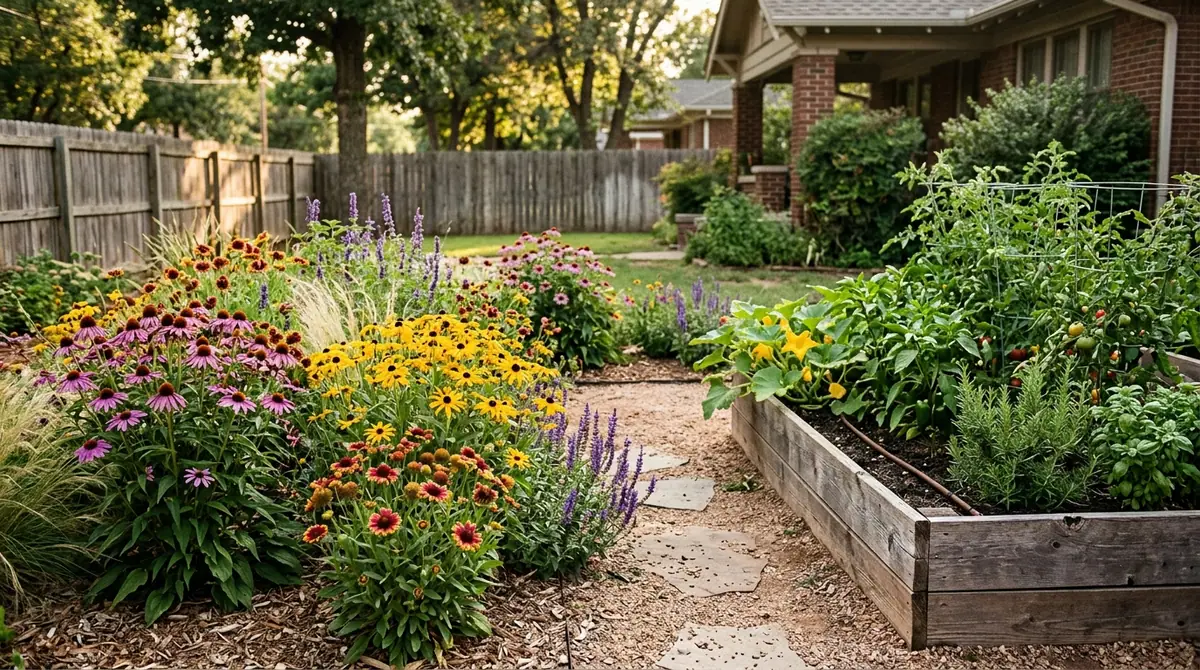
I stood knee-deep in the clay-heavy soil of a Tulsa residential landscape in late October, my trowel bending stubbornly against a subterranean rock while a biting north wind swept across the Arkansas River valley. The homeowner looked at me, bewildered, holding a tag for a tender perennial meant for Zone 9, and asked why her previous garden beds had turned to mush every winter. I smiled, wiped the red Oklahoma earth from my gloves, and explained that Tulsa’s climate is a shifting corridor of microclimates, where a deceptively mild autumn can plunge without warning into a savage, wind-driven freeze. Knowing your exact planting zone here is not merely a gardening suggestion; it is the single dividing line between a thriving botanical sanctuary and a compost pile.
1. Botanical Overview & Natural Habitat

To understand how plants behave in this region, we must look at Tulsa’s native ecotone. The city exists at the ecological collision point of the eastern deciduous forests and the western tallgrass prairies. This means native specimens like the Eastern Redbud (Cercis canadensis) and Switchgrass (Panicum virgatum) are biologically hardwired to handle both the intense humidity of July and the desiccating winter northers.
The typical frost-free growing season spans approximately 210 to 225 days. Our last average spring frost occurs around March 25 to April 5, while the first autumn frost typically strikes between October 25 and November 5. Soil temperatures lag behind air temperatures, meaning spring planting in cold clay requires patience until soil metrics reliably register above 55°F (13°C) at a 4-inch (10 cm) depth.
For localized weather data and microclimate tracking across the state, I frequently consult the Oklahoma Cooperative Extension Service.
2. Essential Environmental & Care Requirements
Gardening in Tulsa requires mastering a delicate balance between atmospheric heat, moisture retention, and wind exposure.
Sunlight intensity in Green Country is robust. Most summer days blast gardens with full, unfiltered sun for 10 to 14 hours. Plants rated for "part shade" in northern zones often require afternoon shade here to prevent leaf scorch.
Soil composition is our most notorious challenge. Much of Tulsa features heavy, alkaline clay soils packed with fine mineral particles that compact easily when wet and bake into brick during July droughts. Organic matter incorporation is non-negotiable.
| Parameter | Optimal Condition | Common Mistake | Why It Matters |
|---|---|---|---|
| Soil pH | 6.5 to 7.2 (Neutral) | Ignoring soil tests in high-calcium areas | Alkaline lockup prevents iron and phosphorus uptake. |
| Irrigation | 1 inch (2.5 cm) per week via deep soaking | Frequent shallow sprinkling | Encourages shallow root systems vulnerable to drought. |
| Mulch Depth | 2 to 3 inches (5 to 7.5 cm) of shredded bark | Piling mulch directly against stems ("volcano mulching") | Traps moisture against bark, inviting collar rot and pests. |
| Wind Protection | Staking or structural windbreaks | Planting fragile exotics in open, exposed zones | Desiccating winter winds snap branches and dehydrate tissue. |
💡 Pro-Tip: When amending Tulsa clay, never amend just the planting hole. Dig a planting basin three times the width of the root ball and amend the entire broad area to prevent the "bathtub effect," where water pools in the amended hole and rots the roots.
3. Step-by-Step Cultivation, Feeding & Propagation
Establishing a resilient garden in Zone 7b/8a requires a methodical approach to soil preparation, planting depth, and seasonal establishment. Follow this sequential protocol for woody perennials, shrubs, and ornamental grasses.
- Perform a Perc and Soil Test: Dig a test hole 12 inches (30 cm) deep, fill it with water, and ensure it drains within 24 hours. Concurrently, test your soil chemistry to determine exact baseline nutrient levels and pH adjustments.
- Broad-Fork and Amend: Loosen the soil across your planting bed using a broad-fork without inverting the soil layers. Incorporate a 2-inch (5 cm) layer of well-rotted compost and coarse organic matter into the top 8 inches (20 cm) of earth.
- Dig and Measure the Root Ball: Dig your planting hole only as deep as the root ball, but twice to three times as wide. Measure the distance from the root flare (where the trunk widens into roots) to the bottom of the root ball to ensure the flare sits 1 inch (2.5 cm) above the surrounding grade.
- Inoculate with Mycorrhizae: Dust the bare root system or root ball with mycorrhizal fungi spores before placing the plant in the hole. This colonizes the roots, drastically improving drought tolerance and nutrient scavenging in stubborn Tulsa clay.
- Backfill and Water-In: Backfill with native unamended soil mixed with no more than 10% compost. Tamp gently with your hands—never your boots—to remove large air pockets, then apply a slow, deep soak of 1 to 2 gallons (3.8 to 7.6 liters) of water.
- Apply Mulch and Restrict Traffic: Finish with a 3-inch (7.5 cm) layer of shredded hardwood bark, keeping the material 2 inches (5 cm) away from the stem. Restrict foot traffic around the newly established root zone for at least 60 days.
For botanical enthusiasts looking to expand their plant collections using heritage techniques, the Missouri Botanical Garden Plant Finder offers exceptional guidance on propagation success rates for mid-south climates.
⚠️ Important Caution: Beware of buying plants labeled "hardy" from big-box retailers that source stock from Zone 9 or 10 nurseries without hardening off. A sudden November freeze down to 10°F (-12°C) will kill tender nursery stock instantly if planted too late in the autumn season.
4. Common Problems, Pests & Troubleshooting
Tulsa’s dramatic weather swings create prime conditions for specific plant stresses.
Root Rot and Fungal Pathogens: Heavy spring rainfall combined with dense clay often leads to Phytophthora and Pythium root rots. Symptoms include sudden wilting despite damp soil and blackened, mushy root tips. Remedy this by improving surface drainage, reducing irrigation frequency, and applying a biofungicide containing Bacillus subtilis.
Aphids and Spider Mites: Hot, dry July afternoons cause spider mite populations to explode on stressed evergreens and annuals, evidenced by fine stippling and webbing on leaf undersides. Wash foliage down aggressively with a forceful stream of water at dawn, and introduce beneficial predatory mites if infestations persist.

5. Frequently Asked Questions
What exact planting zone is Tulsa Oklahoma?
Tulsa is primarily classified as USDA Hardiness Zone 7b, where minimum winter temperatures drop to between 5°F and 10°F (-15°C and -12°C). Certain urban heat islands and southern suburbs fall into Zone 8a, experiencing lows between 10°F and 15°F (-12°C and -9°C).
When is the safest time to plant trees and shrubs in Tulsa?
Autumn (mid-October through late November) is the absolute best time to plant woody species in Tulsa. Soil temperatures remain warm enough to encourage root growth throughout the winter, while mild air temperatures reduce transpiration stress before summer heat arrives.
Can I grow tropical plants outdoors in Tulsa?
Yes, but you must treat tender tropicals like elephant ears, bananas, and lantanas as annuals, or dig them up and overwinter them indoors. Alternatively, keep them in containers that can be moved onto a porch or garage when autumn temperatures dip below 40°F (4°C).
How do you protect a garden from Tulsa's late spring freezes?
Monitor local forecasts closely in late March and April. Keep floating row covers or burlap on hand to drape over vulnerable emerging perennials and blooming fruit trees when a freeze warning is issued, ensuring the fabric reaches all the way to the ground to trap radiant ground heat.
Related Guides
- What Gardening Zone is Oklahoma
- What Zone is Oklahoma in for Plants
- What Zone is Oklahoma City for Planting
- What Hardiness Zone is Sacramento
- What Planting Zone is Sacramento Ca
📋 Table of Contents ▼ Click to expand
Tags:
Keep reading
🌿 Related Plants You Might Like


PlantSavvyWorld
Editorial team
PlantSavvyWorld is an independent botanical education project. Articles are drafted with AI assistance, then edited and checked against university extension services, botanical garden collections and other published horticultural sources.