

What Planting Zone is San Diego
Written with AI assistance, edited and checked against horticultural sources.
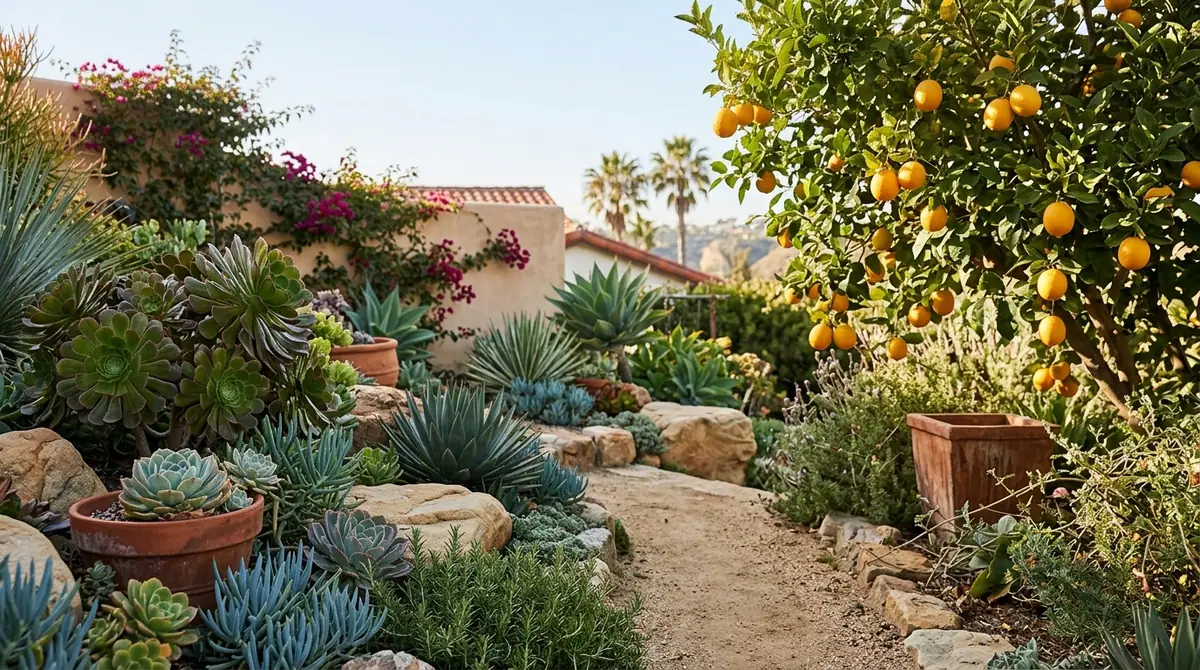
I stood in a gardener's courtyard in La Jolla last October, holding a wilting Brisbane box tree while sweat dripped off my nose, staring in disbelief at the microclimate map I had drawn that morning. Just four miles inland, up the hill toward University City, the thermometer plummeted by 12°F (-11.1°C), frost nipped tender bougainvillea, and gardeners were scrambling to cover their winter brassicas. When homeowners ask me, "what planting zone is san diego," they expect a single, tidy number. I have to tell them the truth: San Diego is not one hardiness zone; it is a complex mosaic ranging from USDA Zone 9b all the way to Zone 11a, dictated by ocean currents, elevation, and mountain passes.
1. Botanical Overview & Natural Habitat

San Diego’s natural habitat is primarily coastal sage scrub, chaparral, and oak woodland. The native flora has evolved to survive summer drought by going dormant or dropping leaves, while relying on winter rains to fuel rapid growth. This Mediterranean climate features mild winters and warm, dry summers, but the coastal marine layer—the famous "May Gray" and "June Gloom"—creates a unique atmospheric humidity that coastal plants adore and desert plants occasionally rot in.
Because San Diego spans such diverse microclimates, your planting calendar looks radically different depending on where your garden sits relative to the Pacific Ocean. If you are experimenting with cool-season crops further inland or matching timing strategies similar to When to Plant Carrots in Zone 8a or When to Plant Brussel Sprouts in Zone 7, you must adjust your windows earlier or later to account for our lack of true winter freezes. For brassicas like When to Plant Bok Choy Zone 7, San Diego gardeners actually plant from September through February because our "winter" is the prime growing season for leafy greens. Even if you have previously gardened in colder regions, like managing tubers using tips from When Plant Potatoes Zone 5, you will find that San Diego's frost-free or near-frost-free winters flip traditional seasonal rules on their head.
💡 Pro-Tip: Never rely solely on your zip code to determine your San Diego planting zone. Walk your property at 6:00 AM in January; cold air pools in low-lying valleys (frost pockets), meaning your backyard might be a full zone colder than your front yard sitting twenty feet higher up a slope.
2. Essential Environmental & Care Requirements
Managing a landscape in San Diego requires balancing intense solar radiation with limited, highly seasonal water resources. Most of the county receives less than 12 inches (30.5 cm) of annual rainfall, concentrated almost entirely between November and March.
Soil composition across the region is predominantly heavy clay (often called adobe) in the inland valleys, and sandy loam along the immediate coast. Native chaparral plants demand sharp drainage, while introduced Mediterranean and tropical species need amended organic matter to thrive. When designing planting beds, soil preparation is non-negotiable.
| Parameter | Optimal Condition | Common Mistake | Why It Matters |
|---|---|---|---|
| Soil pH | 6.0 to 7.5 (Slightly acidic to neutral) | Ignoring native alkalinity | High pH locks out essential micronutrients like iron and manganese, causing severe chlorosis. |
| Irrigation Depth | 8 to 12 inches (20.3 to 30.5 cm) per cycle | Frequent, shallow surface watering | Deep watering encourages roots to grow downward, making plants resilient to Santa Ana heatwaves. |
| Sun Exposure | 6+ hours of morning sun with afternoon relief | Unshaded western exposure | Intense afternoon UV rays scorch foliage and rapidly evaporate soil moisture during peak summer. |
| Mulch Layer | 3 inches (7.6 cm) of coarse organic bark | Piling mulch directly against stems | Thick mulch insulates roots from extreme soil temperature swings and suppresses weed germination. |
Water management is further complicated by Santa Ana wind events, which typically occur between September and April. These offshore winds can drop relative humidity below 10% and blast plants with hot, dry air, stripping moisture from leaves faster than roots can absorb it. During these events, container plants and tender ornamentals require daily monitoring. For official agricultural data and climate tracking specific to our region, consult the UC Riverside Center for Invasive Species Research or the San Diego County Water Authority for local drought response guidelines.
3. Step-by-Step Cultivation, Feeding & Propagation
Establishing a thriving garden in San Diego's varied planting zones requires precise timing, particularly if you are transitioning from seed-starting schedules common in colder climates, such as When to Start Tomatoes Indoors Zone 6 or When to Start Tomato Seeds Indoors Zone 6. Because our soil warms up much earlier, follow this step-by-step protocol for planting perennial shrubs and warm-season vegetables.
- Site Assessment & Microclimate Mapping: Identify your exact frost exposure and sun angles. Mark areas exposed to drying inland winds versus sheltered coastal nooks.
- Soil Testing & Amendment: Dig a test hole 12 inches (30.5 cm) deep. Perform a percolation test by filling it with water; if it drains slower than 1 inch (2.5 cm) per hour, incorporate 3 inches (7.6 cm) of compost or expanded shale to break up heavy clay.
- Bed Preparation: Clear all weeds and roots. Till or broadfork the top 8 inches (20.3 cm) of soil, working in a slow-release organic fertilizer balanced for Mediterranean climates (such as a 5-5-5 organic blend).
- Planting Depth & Positioning: Dig a hole twice as wide as the nursery root ball but no deeper. Ensure the root flare sits 0.5 inches (1.3 cm) above the surrounding soil grade to prevent crown rot.
- Initial Watering & Settling: Build a 4-inch (10.2 cm) soil berm around the planting basin. Fill the basin twice with water to eliminate air pockets, allowing it to drain completely between saturations.
- Mulching: Apply a 3-inch (7.6 cm) layer of coarse arborists' wood chips across the root zone, keeping mulch 2 inches (5 cm) away from the main stem to deter fungal pathogens.
- Establishment Irrigation Schedule: Irrigate deeply every 3 to 5 days for the first four weeks, tapering back as root systems anchor into the native soil profile.
⚠️ Important Caution: Avoid heavy pruning of frost-sensitive tropicals (like citrus and bougainvillea) in late autumn or early winter. Pruning stimulates flush new growth that is highly vulnerable to sudden overnight temperature drops. Wait until all threat of frost has passed in early spring before picking up your shears.
4. Common Problems, Pests & Troubleshooting
San Diego's unique blend of coastal humidity, dry inland heat, and urban interface creates specific plant health challenges. Here is how to diagnose and resolve the most frequent issues encountered in local gardens:
- Powdery Mildew (Podosphaera spp.): Thrives during "May Gray" and "June Gloom" when nighttime humidity spikes and days remain mild.
- Diagnosis: White, powdery spots appearing on the upper and lower surfaces of leaves, particularly on squash, roses, and euonymus.
- Remedy: Increase air circulation by pruning dense interior branches. Spray affected foliage with a mixture of 1 tablespoon baking soda, 0.5 teaspoon liquid dish soap, and 1 gallon (3.8 L) of water at dawn.
- Root Rot (Phytophthora cinnamomi): Common in heavy clay soils or over-irrigated garden beds during warm autumn months.
- Diagnosis: Sudden wilting, yellowing leaves, and dieback despite adequate soil moisture. Roots appear brown, mushy, and slough off easily.
- Remedy: Immediately reduce irrigation frequency. Improve soil drainage by amending surrounding beds with coarse pumice or installing French drains. Treat severe cases with a bio-fungicide containing Bacillus subtilis.
- Asian Citrus Psyllid (Diaphorina citri): A destructive pest prevalent throughout Southern California urban zones that vectors Huanglongbing (Citrus Greening Disease).
- Diagnosis: Nymphs feed on new flush growth, injecting a toxin that causes leaves to cup and twist. Look for white, waxy tubular secretions on stems.
- Remedy: Inspect citrus trees weekly. Introduce beneficial insects like convergent lady beetles and lacewings. If psyllids are detected, apply horticultural oils or consult the local agricultural commissioner for regional quarantine guidelines.

5. Frequently Asked Questions
What planting zone is San Diego for tomatoes?
San Diego spans USDA Zones 9b through 11a, which means you enjoy an exceptionally long tomato growing season. Unlike colder zones, you can often successfully grow determinate and indeterminate varieties across two distinct windows: planting in early spring (March through April) for a summer harvest, and planting a second crop in mid-summer (July through August) for an autumn harvest before nighttime temperatures drop below 50°F (10°C).
Can I grow tropical plants in San Diego gardens?
Yes, absolutely. Because much of coastal and mid-county San Diego sits in USDA Zones 10a and 10b, plants like plumeria, bird of paradise, bananas, and royal palms thrive outdoors year-round. However, if your property sits inland in a frost pocket (Zone 9b), you must protect tender tropicals with frost cloth during rare freezing winter nights.
When should I plant wildflowers in San Diego?
The optimal window for sowing California native wildflower seeds is right before the winter rainy season, typically between October and December. The natural rainfall and cooling temperatures trigger germination, allowing roots to establish deeply before the spring bloom and subsequent summer dry spell.
Why are my citrus leaves turning yellow in San Diego soil?
Yellow leaves with green veins (interveinal chlorosis) usually indicate iron deficiency. San Diego's native soils are often alkaline, which binds up iron and prevents plant roots from absorbing it. Lower your soil pH by applying elemental sulfur or chelated iron fertilizers around the drip line, and avoid overwatering, which exacerbates nutrient lockout.
Related Guides
- What Zone is San Diego for Plants
- What Zone is San Diego for Planting
- What Zone is San Diego for Gardening
- When to Plant Tomatoes San Diego
- What Hardiness Zone is Sacramento
- What Zone is Nashville Tn for Planting
📋 Table of Contents ▼ Click to expand
Tags:
🌿 Related Plants You Might Like



PlantSavvyWorld
Editorial team
PlantSavvyWorld is an independent botanical education project. Articles are drafted with AI assistance, then edited and checked against university extension services, botanical garden collections and other published horticultural sources.