

What Zone is Nashville Tn for Planting
Written with AI assistance, edited and checked against horticultural sources.
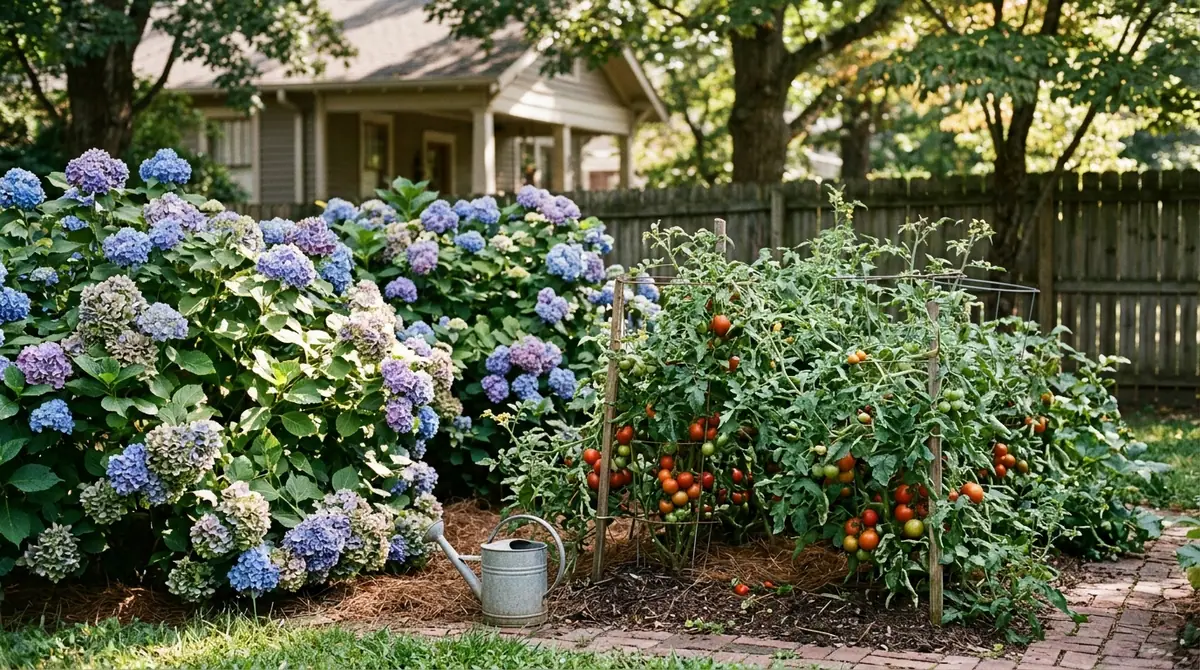
Standing over a freshly dug bed of red-clay loam in East Nashville three years ago, knife in hand to slice open a gallon pot of Echinacea, I watched a sudden late-April frost crystalize the morning dew right on my boot toes. That split-second juxtaposition—glorious southern humidity paired with a surprise 28°F (-2.2°C) drop—is Nashville horticulture in a nutshell. When people ask me what growing zone this city sits in, my answer isn't just a number; it's an understanding of microclimates, limestone bedrock, and wild temperature swings.

1. Botanical Overview & Natural Habitat
Nashville, Tennessee sits squarely in USDA Hardiness Zone 7b, with pockets shifting slightly into 7a or 8a depending on your exact elevation, urban heat island effects, and proximity to the Cumberland River.
In real-world terms, a Zone 7b designation means our average annual extreme minimum temperature falls between 5°F and 10°F (-15°C to -12°C). However, looking only at winter lows misses half the picture. Davidson County experiences hot, humid summers where daytime temperatures regularly surge above 90°F (32.2°C) for weeks on end, paired with a respectable annual rainfall averaging around 50 inches (127 cm).
[USDA Hardiness Zone 7b]
 ├── Average Winter Low: 5°F to 10°F (-15°C to -12°C)
 ├── Summer Highs: Frequently > 90°F (32.2°C)
 └── Annual Precipitation: ~50 inches (127 cm)
Historically, the USDA placed Nashville in Zone 6b. The updated 2023 USDA Plant Hardiness Zone Map reflects a warming trend across the Mid-South, shifting much of the Nashville metro area into 7b. This means perennials that once struggled to overwinter reliably—such as certain evergreen Mediterranean herbs, southern magnolias, and specific figs—now thrive with minimal winter protection.
Native plant communities in this region evolved within the Nashville Basin, an area geologically distinct for its phosphatic limestone bedrock. This creates soils that naturally trend toward neutral or slightly alkaline (pH 6.5 to 7.2), contrasting sharply with the acidic soils found just a short drive east toward the Cumberland Plateau or west toward the Highland Rim. Understanding this native context allows us to design landscapes that work with our environment rather than fighting it. For official mapping tools and regional data, you can consult the USDA Plant Hardiness Zone Map.
2. Essential Environmental & Care Requirements
Gardening successfully in Zone 7b Nashville requires balancing our heavy clay soils, erratic spring frosts, and brutal July humidity.
Sunlight in Middle Tennessee is intense during the growing season. Most sun-loving plants (like tomatoes, salvias, and coneflowers) need a minimum of 6 to 8 hours of direct sunlight. However, the afternoon sun in July and August can scorch tender foliage. Providing afternoon dappled shade for cool-season crops or understory woodland perennials can make or break your harvest.
Water management is heavily dictated by our soil structure. Nashville soil is predominantly high-density clay. While rich in nutrients, clay holds water like a sponge, which can quickly lead to root rot during our wet winter and spring months, yet bakes as hard as concrete during mid-summer droughts.
| Parameter | Optimal Condition | Common Mistake | Why It Matters |
|---|---|---|---|
| Soil pH | 6.5 – 7.2 (Neutral) | Assuming soil is acidic like the surrounding mountains | Alkaline limestone-derived soils lock out nutrients if artificially over-acidified. |
| Drainage | Well-amended loam with 3–5 inches of organic compost | Planting directly into unamended, compacted red clay | Prevents winter root rot caused by standing water in clay bowls. |
| Mulching Depth | 2 to 3 inches (5 to 7.5 cm) of shredded hardwood | Piling mulch directly against plant stems ("volcano mulching") | Regulates soil temperature against rapid Zone 7b freezes and retains summer moisture. |
| Irrigation | 1 inch (2.5 cm) of water per week via drip lines | Frequent, shallow overhead sprinkling | Encourages shallow root systems vulnerable to summer heat stress. |
💡 Pro-Tip: Never work your Nashville garden soil when it is wet. Squeezing a handful of clay should yield a crumbly mass, not a slick ribbon. Tilling wet clay destroys its aggregate structure, turning your beds into literal bricks for the rest of the season.
3. Step-by-Step Cultivation, Feeding & Propagation
Establishing a resilient garden bed in Zone 7b requires timing your planting windows around our dual growing seasons: a robust spring and a surprisingly productive fall.
- Site Assessment and Soil Testing: Collect core soil samples from a depth of 6 inches (15 cm) across your planting area. Send them to the University of Tennessee Soil, Plant and Pest Center to get an accurate reading of your exact pH and nutrient deficits.
- Bed Preparation: Clear existing weeds and spread a 3-inch (7.5 cm) layer of aged leaf mold or compost across the bed. Broadfork the area to aerate the soil without inverting the natural soil horizons, preserving beneficial microbial life.
- Timing the Planting: For cool-season crops (kale, spinach, brassicas), plant in early March for spring harvest, or late August for a fall crop. For warm-season staples (tomatoes, peppers, squash), wait until all danger of frost has passed—typically mid-April in Nashville—when soil temperatures consistently exceed 60°F (15.5°C).
- Root Ball Conditioning: When installing container-grown perennials or shrubs, use a hori-hori knife to score tightly bound root balls vertically in four places. This breaks the circling root pattern and forces roots outward into the surrounding clay.
- Initial Watering & Mulching: Water the newly installed plants thoroughly to settle the soil pockets. Apply a 2-inch (5 cm) layer of shredded hardwood bark mulch, keeping the material 2 inches (5 cm) away from actual plant stems to prevent fungal rot.
- Fertilization Strategy: Apply a balanced, slow-release organic granular fertilizer (such as a 4-3-4 blend) at the base of perennials in early spring as green shoots emerge. Supplement heavy feeders like tomatoes with organic compost tea every 14 days during peak fruit set.
4. Common Problems, Pests & Troubleshooting
Nashville's humid subtropical climate is a paradise not just for plants, but for pests and fungal pathogens.
Fungal issues are our most pervasive challenge. High summer humidity combined with heavy morning dew creates prime conditions for powdery mildew, black spot on roses, and tomato blight. Combat this by spacing plants generously to maximize airflow, pruning lower leaves to eliminate splash-back from soil, and watering exclusively at the base via drip irrigation rather than overhead sprinklers.
Insect pests arrive in predictable waves. Aphids target tender spring growth on brassicas and roses around April, quickly followed by squash vine borers in June and Japanese beetles by mid-summer. Hand-picking Japanese beetles into a bucket of soapy water at dawn is often more effective than broad-spectrum insecticides, which wipe out beneficial predatory wasps and pollinators.
⚠️ Important Caution: Watch out for sudden late-spring freezes (often occurring as late as mid-April). Keep frost cloth or old bedsheets on hand. A sudden dip to 28°F (-2.2°C) after a warm spell will severely damage emerging tomato transplants and tender perennial growth.

5. Frequently Asked Questions
When is the last frost date in Nashville TN?
The average last spring frost date in Nashville is typically between April 10 and April 20. However, microclimates vary; urban areas inside the downtown loop often warm up a week earlier, while lower-lying rural pockets in Davidson County can hold frost well into late April. Always check your local 10-day forecast before planting tender warm-season crops outdoors.
Can I grow citrus outdoors in Nashville Zone 7b?
Citrus plants cannot survive unprotected outdoors in Zone 7b during winter, as temperatures regularly drop well below their tolerance thresholds. If you want to grow lemons, limes, or dwarf oranges, plant them in containers so you can easily wheel them onto a sunny patio for the summer and bring them indoors to a bright sunroom or greenhouse when temperatures drop below 40°F (4.4°C) in November.
What vegetables grow best in middle Tennessee's clay soil?
Root crops like carrots and radishes can struggle in unamended heavy clay, but brassicas (kale, collards, cabbage, and broccoli), root-adjacent crops like beets (when grown in raised beds or loosened soil), green beans, and slicing tomatoes thrive in Nashville. Native and heirloom warm-season selections like Cherokee Purple tomatoes and Seminole pumpkins perform exceptionally well here because they have adapted to our high humidity and summer heat stress.
When should I plant spring bulbs in Nashville?
Spring-blooming bulbs—such as daffodils, tulips, and crocuses—should be planted in Nashville between October and late November. This timing gives the bulbs adequate chill hours (temperatures between 40°F and 50°F / 4.4°C to 10°C) and allows them to establish a strong root system before the ground freezes solid in mid-winter, ensuring a vibrant display by March.
Related Guides
- What Planting Zone is Sacramento Ca
- What Zone is Columbus Ohio
- What Planting Zone is Virginia in
- Zone 9 Plants Full Sun
- What Gardening Zone is Oklahoma
📋 Table of Contents ▼ Click to expand
Tags:
🌿 Related Plants You Might Like

PlantSavvyWorld
Editorial team
PlantSavvyWorld is an independent botanical education project. Articles are drafted with AI assistance, then edited and checked against university extension services, botanical garden collections and other published horticultural sources.