

Water Hibiscus Plant
Written with AI assistance, edited and checked against horticultural sources.
1. Botanical Overview & Natural Habitat

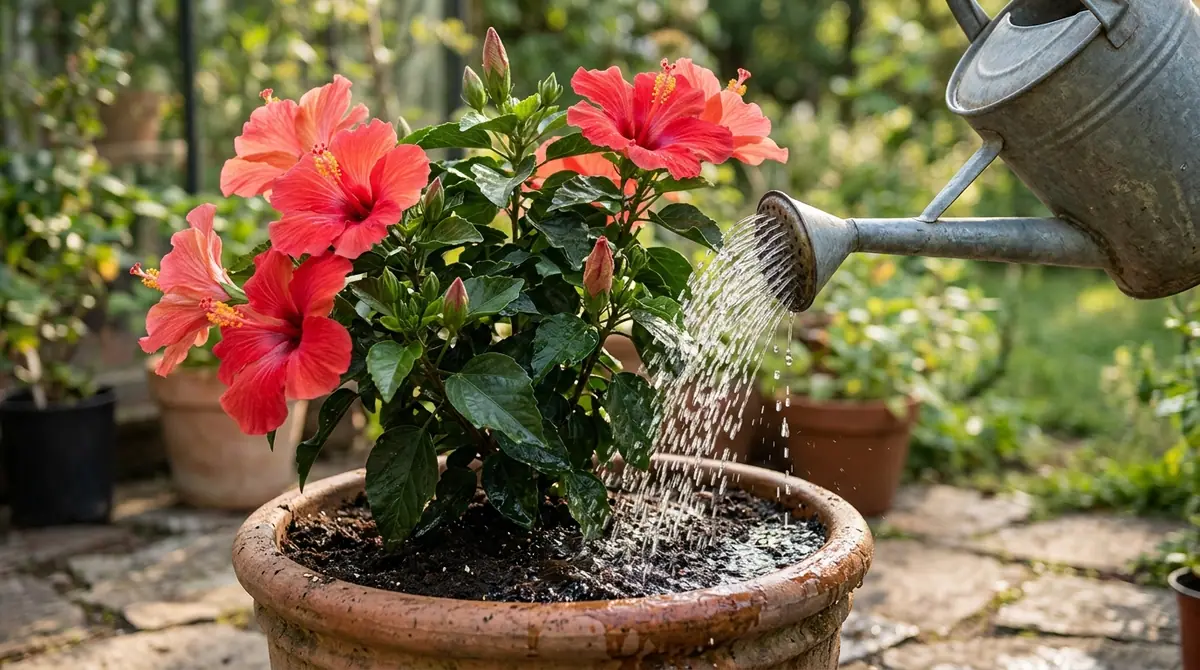
Hardy hibiscus plants are native to the freshwater marshes, riverbanks, and wet ditches of eastern and southern North America. Their evolutionary design is optimized for saturated, periodically flooded soils where oxygen is scarce. To survive, their root systems have developed specialized spongy tissues and shallow structures that tap into atmospheric oxygen while soaking up massive volumes of water. According to the University of Florida IFAS Extension, these plants thrive in standing water up to 2 inches (5 cm) deep or in heavy, moisture-retentive soils that never truly dry out.
Tropical hibiscus, by contrast, hails from the warm, breezy tropical regions of Asia and the Pacific. They demand high atmospheric and soil moisture to drive photosynthesis, but their roots are exceptionally vulnerable to anaerobic rot if allowed to sit in stagnant water. While planning your tropical water garden or patio layout, you might also consider regional vegetable timelines, much like checking local guidelines for crops such as When to Plant Carrots in Zone 8a or timing your root crops alongside When to Plant Beets in Utah to maximize your seasonal garden productivity.
Botanically, hibiscus belongs to the Malvaceae family. They possess an indeterminate growth habit, meaning they continue to produce new flower buds at the terminals of new stems as long as hydration and nutrient levels remain stable. When a hibiscus experiences drought stress, its immediate survival mechanism is abscission—dropping its flower buds to conserve moisture for basic cellular maintenance.
2. Essential Environmental & Care Requirements
Watering hibiscus plants is not merely a matter of dumping a bucket of water over the root ball; it requires precise management of soil hydrology, temperature, and light exposure.
Hardy swamp hibiscus requires full sun—at least 6 to 8 hours of direct sunlight daily—to power the transpiration stream that pulls water up from saturated soils. If planted in partial shade, the rate of water uptake slows dramatically, increasing the risk of root rot in wet soils. Tropical hibiscus similarly craves bright light but appreciates light afternoon dappling in scorching interior zones exceeding 95°F (35°C).
Soil composition directly dictates your watering frequency. For tropical hibiscus, use a gritty, fast-draining potting mix composed of 40% coarse peat, 30% pine bark fines, and 30% perlite. For hardy bog hibiscus, heavy clay loams enriched with well-rotted leaf mold or compost mimic their natural wetland habitat, holding onto moisture without becoming entirely compacted.
| Parameter | Optimal Condition | Common Mistake | Why It Matters |
|---|---|---|---|
| Soil Moisture (Hardy) | Consistently saturated to boggy | Allowing soil to dry completely | Triggers severe leaf drop and halts bud development |
| Soil Moisture (Tropical) | Moist, well-drained; dry top 1-2" (2.5-5 cm) | Keeping roots in standing water | Causes fatal Phytophthora root rot |
| Water Temperature | 65°F to 75°F (18°C to 24°C) | Using ice-cold well or tap water | Shocks the vascular system, stalling nutrient uptake |
| Water pH | 6.0 to 6.5 (slightly acidic) | Using highly alkaline water (>7.5) | Locks out iron and micronutrients, causing chlorosis |
💡 Pro-Tip: Always test your irrigation water’s pH before applying it to potted tropical hibiscus. High alkalinity locks out iron rapidly, causing interveinal chlorosis that mimics underwatering damage even when the soil is soaking wet.
3. Step-by-Step Cultivation, Feeding & Propagation
Getting the watering protocol right for a water hibiscus plant requires a methodical, seasonal approach. Whether you are establishing a new planting bed or dividing an overgrown clump, follow this exact sequence:
- Select the Site and Test Drainage: Dig a hole 12 inches (30 cm) wide and deep. Fill it with water and let it drain completely. For tropical hibiscus, the water must drain within 2 hours. For hardy bog hibiscus, holding water for 12 to 24 hours is entirely acceptable.
- Amend the Root Zone: Work in a 3-inch (7.6 cm) layer of aged compost to improve moisture retention for hardy types, or coarse horticultural sand and perlite for tropical varieties to ensure proper aeration.
- Position the Crown Correctly: Set the plant so the top of the root ball sits level with the surrounding soil grade. For hardy hibiscus grown in formal water gardens, place container-grown plants on bricks so the rim of the pot sits 2 inches (5 cm) below the water surface.
- Execute the Initial Watering: Apply water slowly and deeply, providing at least 1 inch (2.5 cm) of water equivalent or soaking the root ball until runoff occurs freely from the drainage holes. Maintain this heavy watering schedule every 3 to 4 days during the first 6 weeks of establishment.
- Apply Organic Mulch: Spread a 3-inch (7.6 cm) blanket of shredded hardwood bark or pine straw over the root zone, keeping it 2 inches (5 cm) away from the main stem to prevent collar rot.
- Establish the Maintenance Routine: Transition to watering whenever the top 1 inch (2.5 cm) of soil feels dry for tropicals, or maintain constant saturation in saucer-trays for hardy bog varieties. If you are balancing multiple garden projects, keeping a synchronized calendar—much like tracking optimal windows for When to Plant Pumpkins in Southern California or coordinating root crop timings like When to Plant Beets in Kansas—ensures your watering and fertilizing chores never slip through the cracks.
When propagating via stem cuttings, keep the propagation medium consistently moist under a humidity dome, misting daily with a hand sprayer filled with tepid water until roots form in 21 to 30 days.
4. Common Problems, Pests & Troubleshooting
Water management is inextricably linked to pest and disease outbreaks in hibiscus culture. Under-watering tropical hibiscus rapidly invites spider mites (Tetranychus urticae), which thrive in hot, dry foliage. When humidity drops below 40% and watering is erratic, these microscopic pests spin fine webs across the undersides of leaves, causing stippling and defoliation.
Conversely, overwatering creates anaerobic conditions that invite soil-borne pathogens like Pythium and Phytophthora. These fungi attack the root cortex, rendering the plant incapable of taking up water despite wet soil. The visual symptom—wilting leaves on wet soil—frequently tricks gardeners into adding more water, accelerating the plant's demise.
⚠️ Important Caution: Never let hardy swamp hibiscus dry out completely during its winter dormancy. While the top growth dies back entirely when temperatures drop below 32°F (0°C), the crown and root rhizomes must remain evenly moist through the winter months to survive.

5. Frequently Asked Questions
Can I grow a regular tropical hibiscus directly in a pond or standing water?
No. Tropical hibiscus (Hibiscus rosa-sinensis) lacks the aerenchyma tissue required to transport oxygen down to its roots in an aquatic environment. Submerging its root ball in standing water will suffocate the plant and induce fatal root rot within 7 to 10 days. Only hardy perennial species like Hibiscus moscheutos can tolerate standing water.
Why are my hibiscus leaves turning yellow and dropping after I watered it?
Yellowing leaves usually signal either extreme overwatering or extreme underwatering, but the texture of the soil tells the story. If the soil is soggy and smells sour, you have starved the roots of oxygen. If the soil is bone dry and pulling away from the pot edges, the plant has undergone drought stress and dropped foliage to conserve cellular moisture.
How often should I water a potted hardy hibiscus in the summer heat?
During peak summer temperatures exceeding 90°F (32°C), potted hardy hibiscus plants grown in traditional containers require daily watering—sometimes twice a day if they are root-bound. Alternatively, place the nursery pot inside a larger, non-draining decorative container and maintain a 2-inch (5 cm) reservoir of water at the base.
What is the best time of day to water outdoor hibiscus plants?
Early morning (between 6:00 AM and 9:00 AM) is the optimal window. This provides the plant with maximum hydration before the heat of the afternoon sun increases transpiration rates, while ensuring any accidental foliage splashing dries quickly before nightfall, reducing the risk of fungal leaf spot diseases.
Related Guides
- Hibiscus Edible Flowers
- Hibiscus Seeds How to Plant
- Grow Hibiscus from Seed
- Can Cannas Grow in Water
- When to Water After Granular Fertilizer
📋 Table of Contents ▼ Click to expand
Tags:
Keep reading
🌿 Related Plants You Might Like



PlantSavvyWorld
Editorial team
PlantSavvyWorld is an independent botanical education project. Articles are drafted with AI assistance, then edited and checked against university extension services, botanical garden collections and other published horticultural sources.