

How to Germinate Parsley Seeds Fast: Hot Water Soak & 7-Day Trick
Written with AI assistance, edited and checked against horticultural sources.
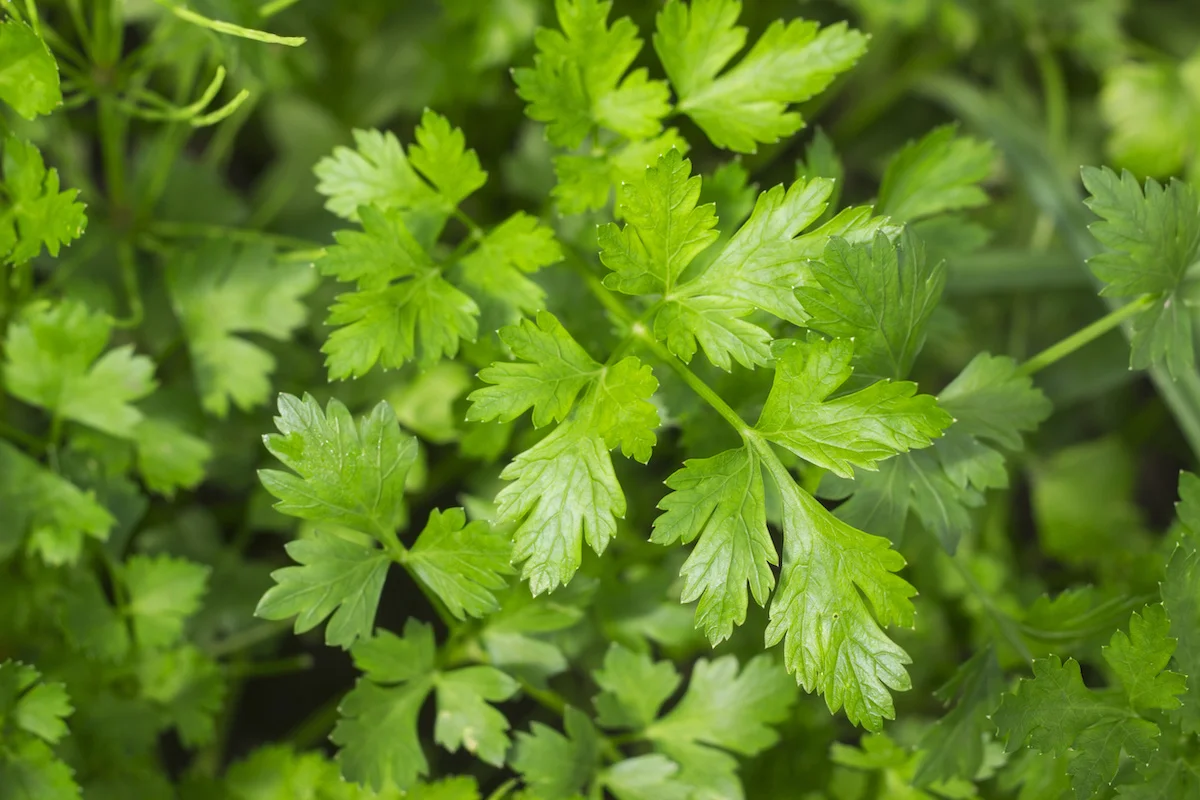
Parsley seeds can exhibit stubbornly dormant tendencies, leaving growers staring at trays of little brown specks for weeks. Understanding the science behind parsley seed germination and applying specific techniques transforms the wait from a month-long gamble to a reliable, week-long sprint. Discover the secrets to making parsley seeds sprout with surprising speed for use in everything from tabbouleh to garnishes.
1. Botanical Overview & Natural Habitat

Parsley's natural habitat is thought to be the Mediterranean region, particularly areas like Sardinia and Greece. In these environments, parsley often grows in rocky, well-drained soils, benefiting from periods of seasonal rainfall. This is a key clue to understanding its germination behavior. The tough, oily seed coat isn't just for show; it's a sophisticated evolutionary adaptation.
The seed coat contains natural germination inhibitors, primarily a group of compounds called furanocoumarins. These potent chemicals are designed to prevent the seed from sprouting prematurely. They effectively delay germination until conditions are truly favorable – typically after heavy seasonal rains have softened the seed coat and leached away these inhibitors. This mechanism ensures that the delicate seedling emerges when there's sufficient moisture and warmth to support its growth, rather than succumbing to early drought or frost. This natural defense is precisely why untreated parsley seeds can take a frustratingly long time to sprout, often up to 28 days, sometimes even longer. Understanding this botanical quirk is the first step to unlocking faster germination.
2. Essential Environmental & Care Requirements
Successfully germinating and growing parsley goes beyond just getting the seeds to sprout. Providing the right environmental conditions from the very beginning is crucial for robust seedling development and a bountiful harvest.
The key environmental factors for parsley germination and early growth are temperature, moisture, and light (though less critical for germination itself).
- Temperature: Parsley seeds germinate best in soil temperatures between 65°F and 70°F (18°C to 21°C). While they can germinate at slightly cooler or warmer temperatures, this range is optimal for speed and success. Once germinated, young seedlings also thrive in this temperature range. Extreme heat can stress the emerging seedlings, while prolonged cold can slow down or even halt germination.
- Moisture: Consistent moisture is absolutely vital. Parsley seeds need to remain consistently moist but not waterlogged. The seed coat needs to absorb water to initiate the germination process. If the soil dries out, even for a short period, the germination process can be interrupted, and the seeds may die. Conversely, if the soil is constantly saturated, it can lead to damping-off disease, a fungal issue that attacks young seedlings at the soil line.
- Light: Light is not a primary requirement for parsley seed germination. The seeds are sown just below the soil surface, and the process of breaking dormancy and sprouting happens underground. However, as soon as you see the first signs of green emerging, a light source is critical. Seedlings need bright, indirect light to grow strong and prevent them from becoming leggy and weak. A sunny windowsill or grow lights are essential at this stage.
- Soil Medium: A well-draining, yet moisture-retentive seed starting mix is ideal. This provides the necessary aeration for healthy root development while holding enough moisture to keep the seeds hydrated. Avoid heavy garden soil for seed starting, as it can compact easily, hindering germination and aeration.
Here's a quick look at the optimal conditions and common pitfalls:
| Parameter | Optimal Condition | Common Mistake | Why It Matters |
|---|---|---|---|
| Temperature | 65°F - 70°F (18°C - 21°C) for germination | Sowing in cold soil or exposing seedlings to extreme heat | Cold soil slows germination significantly; heat can kill delicate seedlings or cause them to bolt prematurely. |
| Moisture | Consistently moist, but not waterlogged | Letting the seed tray dry out completely or overwatering | Drying out stops germination; waterlogging can lead to fungal diseases like damping-off, destroying seedlings. |
| Light (Post-Germ) | Bright, indirect light | Insufficient light or prolonged darkness after sprouting | Leggy, weak seedlings that are prone to disease and unlikely to thrive; direct, intense sun can scorch young leaves. |
| Seed Starting Mix | Light, fluffy, well-draining, moisture-retentive | Heavy, compacted soil or pure compost | Poor aeration restricts root growth and can encourage fungal issues; good drainage prevents root rot, while some retention keeps seeds hydrated. |
| Air Circulation | Moderate | Stale air with no ventilation (e.g., sealed plastic containers for too long) | Lack of air movement can promote fungal diseases, especially after germination. |
💡 Pro-Tip: For consistent warmth, especially if your home is cooler, a seedling heat mat is an invaluable tool. Place your seed tray on top of it, and you'll maintain that crucial 65°F-70°F (18°C-21°C) sweet spot, significantly boosting germination rates and speed.
3. Step-by-Step Cultivation, Feeding & Propagation
Now, let's get down to the practical steps. The method I’m about to detail is my go-to for accelerating parsley germination. It combines the benefits of a hot water soak with specific environmental controls for rapid sprouting.
The Accelerated Hot Water Method: A 7-Day Trick
This method directly addresses the natural germination inhibitors in parsley seeds, allowing them to absorb water and begin the germination process much faster.
- Prepare the Hot Water Soak:
- Bring a kettle of water to a boil.
- Let the boiling water cool for a minute or two. You're aiming for a temperature between 110°F and 120°F (43°C to 49°C). This is warm to hot, similar to a comfortable bath temperature. Too hot, and you risk killing the seeds; too cool, and it won't be effective at dissolving the inhibitors.
- Pour this warm water into a clean glass jar or small bowl.
- Submerge the Seeds:
- Place your parsley seeds into the warm water. Ensure they are fully submerged.
- Allow the seeds to soak for 24 hours. During this time, the warm water works its magic, dissolving and leaching out the natural germination inhibitors (furanocoumarins) present in the seed coat. This "pre-softening" is the key to the speed.
- Prepare Your Seed Starting Medium:
- While the seeds are soaking, prepare your seed starting trays or pots. Fill them with a high-quality, sterile seed starting mix. Moisten the mix thoroughly with room-temperature water until it's evenly damp but not dripping.
- Sow the Seeds:
- After the 24-hour soak, carefully drain the water from the seeds using a fine-mesh sieve or by gently pouring them out, being careful not to lose any.
- Sow the seeds immediately onto the surface of your prepared, moist seed starting mix.
- Gently press the seeds into the soil. Cover them with a thin layer of the seed starting mix, aiming for a depth of about 1/8 inch (approximately 3 mm). This shallow depth ensures they have enough soil for initial support but aren't buried too deep, which can hinder emergence.
- Provide Optimal Germination Conditions:
- Temperature: Place the seed tray in a location where the ambient temperature is consistently between 70°F and 75°F (21°C to 24°C). This is slightly warmer than the general optimal range, pushing germination along even faster. A seedling heat mat is ideal here.
- Humidity: Cover the seed tray with a clear plastic humidity dome or plastic wrap. This traps moisture and creates a humid microclimate, which is essential for keeping the soil consistently moist and encouraging rapid sprouting. Ensure there are a few small ventilation holes if using plastic wrap to prevent excessive condensation build-up.
- Light: Light is not required during the germination phase. Keep the tray out of direct sunlight to prevent overheating.
- Monitor and Care:
- Check daily for signs of germination. With this method, you should start seeing sprouts within 6 to 9 days, a dramatic improvement over the usual 3-4 weeks.
- Once you see the first sprouts emerging, immediately remove the humidity dome to improve air circulation and prevent fungal diseases.
- Place the tray under a bright, indirect light source. If using grow lights, keep them about 2-4 inches (5-10 cm) above the seedlings.
⚠️ Important Caution: Ensure the water temperature for the initial soak is not above 120°F (49°C). Exceeding this temperature can denature the proteins within the seed embryo, rendering the seed non-viable and preventing germination altogether. Always err on the side of slightly cooler if unsure.
Feeding Parsley Seedlings
Once your parsley seedlings have emerged and developed their first set of true leaves (the second set of leaves that look like miniature parsley leaves, not the initial round cotyledons), you can begin a very dilute feeding.
- Fertilizer Type: Use a balanced, water-soluble fertilizer formulated for seedlings or general plant growth. Look for a ratio like 10-10-10 or 5-5-5.
- Dilution: It's crucial to feed at a significantly reduced strength. Start with one-quarter strength of the recommended dosage on the fertilizer packaging.
- Frequency: Feed once a week or every other watering, ensuring the soil is moist before applying fertilizer to avoid "burning" the delicate roots.
As the seedlings grow and are eventually transplanted, you can gradually increase the fertilizer strength to half, then to full strength, following the product’s instructions. Healthy soil rich in organic matter will also provide essential nutrients, reducing the need for frequent fertilization.
Propagation: From Seed to Harvest
Parsley is typically propagated by seed, as described above. While it's possible to propagate from stem cuttings or root divisions, these methods are less common for home gardeners and often less successful than starting from seed, especially when using accelerated germination techniques.
- Transplanting: When seedlings have developed 2-3 sets of true leaves and the danger of frost has passed (if planting outdoors), they are ready to be transplanted. Gently loosen them from their starting medium, taking care not to damage the roots. Harden them off by gradually exposing them to outdoor conditions over a week before planting them into their final location.
- Spacing: Space parsley plants about 6-10 inches (15-25 cm) apart in well-draining soil, amended with compost.
- Harvesting: Begin harvesting leaves once the plant is well-established. For flat-leaf varieties, cut outer stems at the base. For curly parsley, you can harvest outer leaves or trim the tops. Regular harvesting encourages more bushy growth.
4. Common Problems, Pests & Troubleshooting
Even with the best germination techniques, you might encounter a few hiccups. Understanding common issues will help you address them quickly and ensure a healthy parsley crop.
-
Slow or No Germination (Despite Soak):
-
Cause: Seed viability (older seeds may have lower germination rates), inconsistent moisture, incorrect temperature, or the soak not being long/warm enough.
-
Solution: Ensure your seeds are fresh. Re-test the water temperature. Re-soak a small batch if you suspect the first soak wasn't effective. If using a heat mat, ensure it's working correctly. Check soil moisture daily.
-
Leggy Seedlings:
-
Cause: Insufficient light after germination. Seedlings are stretching to reach a light source.
-
Solution: Immediately provide brighter light. Lower grow lights closer to the seedlings (but not so close they scorch). Rotate seedlings if relying on a windowsill. Consider supplementing with grow lights if natural light is inadequate.
-
Damping-Off Disease:
-
Cause: Fungal pathogens that attack young seedlings at the soil line, causing them to rot and fall over. Often caused by overwatering, poor air circulation, and using non-sterile soil.
-
Solution: Remove affected seedlings immediately to prevent spread. Improve air circulation by removing the humidity dome and using a small fan on a low setting. Reduce watering frequency, allowing the top layer of soil to dry slightly between waterings. Ensure you are using sterile seed starting mix. Prevention is key!
-
Pests (Aphids, Spider Mites):
-
Cause: These tiny pests can infest young plants, sucking sap and weakening them. They are often introduced from other plants or can find their way in from outdoors.
-
Solution: For light infestations, spray with a strong jet of water. For persistent pests, use insecticidal soap or neem oil. Ensure good hygiene in your growing area.
-
Yellowing Leaves:
-
Cause: This can be due to a lack of nutrients (nitrogen is common), overwatering (leading to root issues), or underwatering.
-
Solution: Ensure you are feeding your seedlings appropriately with a balanced fertilizer at the correct dilution. Check soil moisture levels. If overwatering is suspected, allow the soil to dry out more between waterings.

5. Frequently Asked Questions
How long does it really take for parsley seeds to sprout after the hot water soak?
After performing the accelerated hot water soak method as described (24 hours in 110-120°F water), and maintaining optimal germination temperatures of 70-75°F (21-24°C) with consistent moisture and humidity, you can realistically expect to see sprouts emerge within 6 to 9 days. This is significantly faster than the typical 3-4 weeks required for untreated seeds.
Can I use boiling hot water for the soak?
No, absolutely not. Boiling hot water will cook and kill the parsley seeds, rendering them completely non-viable. The target temperature is crucial: 110°F to 120°F (43°C to 49°C). This is warm to hot, like a comfortable bath, and hot enough to help dissolve the germination inhibitors without damaging the seed embryo. Always let the boiled water cool for a minute or two before using.
What should I do if my parsley seedlings look spindly and weak?
This is a common sign of insufficient light. Once your parsley seeds have sprouted, they need ample light immediately. Move them to a location with very bright, indirect sunlight (like a south-facing windowsill that gets morning sun but is shaded from intense afternoon heat) or place them under grow lights. If using grow lights, position them just 2-4 inches (5-10 cm) above the seedlings and keep them on for 14-16 hours a day. This will encourage stocky, strong growth.
Is it okay to skip the hot water soak if I'm not in a hurry?
You certainly can skip the hot water soak, and many gardeners do. However, if your goal is to germinate parsley seeds quickly, the soak is highly recommended and makes a dramatic difference. Without it, you're relying solely on ambient soil conditions and time to break down those natural germination inhibitors, which can easily take 3-4 weeks or even longer. The hot water soak is the "trick" to achieving germination in about a week. For a comprehensive guide on seed starting, the Penn State Extension — Gardening offers excellent resources.
I hope this guide empowers you to get your parsley growing faster and more successfully than ever before. There’s nothing quite like snipping fresh herbs from your own garden, and with these techniques, that moment will come much sooner! Happy growing!
Tags:
Keep reading
🌿 Related Plants You Might Like






PlantSavvyWorld
Editorial team
PlantSavvyWorld is an independent botanical education project. Articles are drafted with AI assistance, then edited and checked against university extension services, botanical garden collections and other published horticultural sources.