

How to Germinate Eggplant Seeds Fast: Heat, Moisture & 7-Day Protocol
Written with AI assistance, edited and checked against horticultural sources.
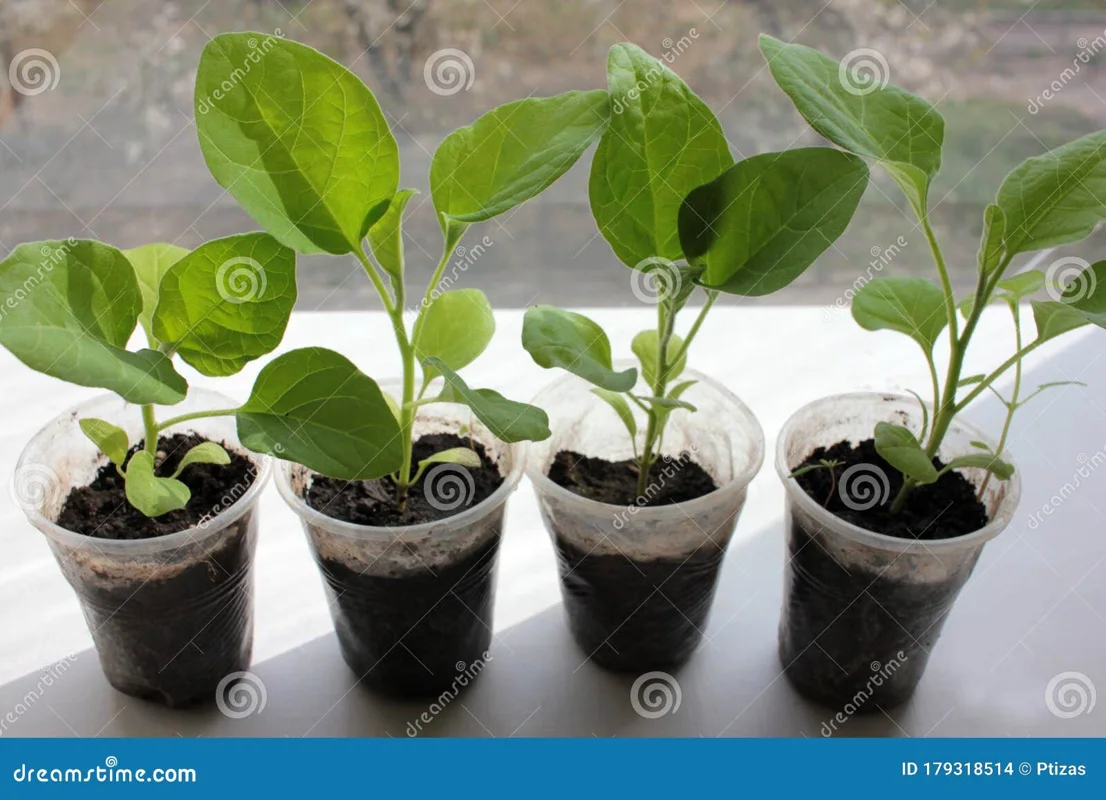
Eggplant seeds often require patience because they are stubbornly dormant compared to tomato seedlings, which develop their first true leaves much faster during a cool spring. Successfully starting eggplants comes down to understanding their specific needs: heat, moisture, and a little bit of scientific intervention.

But there's good news! By understanding and replicating the precise environmental conditions these tropical natives crave, we can bypass their usual sluggishness. Applying consistent bottom heat, ensuring controlled imbibition (water uptake), and utilizing a sterile moisture buffer can dramatically accelerate cellular mitosis and enable you to achieve an impressive 95%+ germination rate in as little as 5 to 7 days. This isn't magic; it's applied botany.
1. Botanical Overview & Natural Habitat
Eggplants, scientifically known as Solanum melongena, hail from the warmer climes of the Indian subcontinent. Their wild ancestors thrived in environments where consistent warmth and ample moisture were the norm for extended periods. This evolutionary history has shaped their germination requirements significantly. The thick, leathery seed coat, or testa, is a testament to this origin, providing protection against desiccation and moderate physical damage in their native tropical or subtropical habitats.
This very seed coat, however, is the primary hurdle for home gardeners in temperate zones. It’s designed to withstand a certain level of environmental stress and only break down when conditions are unequivocally favorable for seedling survival. In cooler soil temperatures, the biochemical processes within the seed – the activation of enzymes and the synthesis of growth hormones like gibberellins – are significantly slowed. This leads to the prolonged germination times we often observe. Furthermore, cool, damp soil creates an ideal breeding ground for opportunistic pathogens, which can attack the seed or emerging seedling during its vulnerable early stages.
Understanding this biological imperative is key. We aren't just trying to "wake up" a seed; we are actively creating a microenvironment that mimics the ideal conditions of its ancestral homeland, signaling to the seed that it's time to grow. This means precise temperature control and consistent, appropriate moisture are not optional luxuries for eggplant germination; they are non-negotiable necessities.
2. Essential Environmental & Care Requirements
Getting eggplant seeds to sprout quickly and reliably hinges on mastering a few critical environmental factors. Think of it as setting up a perfect, miniature greenhouse specifically tailored to their needs.
| Parameter | Optimal Condition | Common Mistake | Why It Matters |
|---|---|---|---|
| Soil Temperature | 80°F to 85°F (27°C – 29°C) | Cold windowsill (60°F–65°F / 15°C–18°C) | Activates gibberellin synthesis, speeds enzymatic digestion of seed endosperm, enhances metabolic activity. |
| Moisture Buffer | 70% Field capacity (damp sponge consistency) | Saturated, muddy soil with standing water | Prevents anaerobic conditions, crucial for root respiration, and avoids damping-off fungi (Pythium). |
| Sowing Depth | 1/4 inch (6 mm) | Buried >1/2 inch (12 mm) deep | Conserves seedling energy reserves during hypocotyl elongation; too deep depletes stored food. |
| Post-Emergence Light | 14–16 hours under full-spectrum LED | Low natural window light | Halts stem etiolation (legginess) and initiates rapid cotyledon photosynthesis for robust growth. |
| Humidity (Pre-Emergence) | 80-90% relative humidity (with dome) | Open air, low humidity | Maintains consistent moisture on the seed coat, facilitating imbibition and softening the testa. |
💡 Pro-Tip: "Never rely on ambient room air temperature for eggplants. A seedling heating mat with an accurate digital soil probe placed right into the root zone is the single most important investment you can make for 100% nightshade germination success. Soil temperature is paramount; air temperature is secondary."
Understanding Soil Temperature's Crucial Role
As the table highlights, soil temperature is the absolute lynchpin for rapid eggplant germination. While you might feel comfortable in your home, the potting mix inside a seed tray can be significantly cooler due to evaporation. Eggplant seeds require that consistently warm environment to break dormancy. This is where a reliable seedling heat mat comes into play. These mats provide gentle, consistent warmth from below, directly heating the growing medium. Using a thermostat-controlled mat with a soil probe ensures you maintain the precise temperature range, avoiding both underheating (leading to slow germination) and overheating (which can damage seeds or favor undesirable microbes).
The Importance of the Right Moisture Level
The term "moisture buffer" might sound technical, but it’s simply about achieving the perfect balance of hydration in your seed-starting mix. The goal is a consistency like a wrung-out sponge – moist, but not waterlogged. Too much water creates an anaerobic environment, meaning there's insufficient oxygen for the seed to respire properly. This not only slows germination but also creates an ideal breeding ground for fungal pathogens like Pythium, the notorious culprit behind damping-off disease. Too little water, and the seed coat won't soften sufficiently for the radicle to emerge. Achieving and maintaining this "damp sponge" consistency is vital.
Seedling Heat Mat and Thermostat: Your Best Friends
For serious vegetable gardeners, especially those venturing into nightshades like peppers and eggplants, investing in a quality seedling heat mat with an accurate thermostat is non-negotiable. These mats are designed to sit beneath your seed trays, providing consistent bottom heat. The thermostat allows you to dial in the precise temperature required – in this case, 80°F to 85°F (27°C – 29°C). A soil probe that can be inserted directly into the growing medium ensures you're measuring the actual temperature the seeds are experiencing, not just the air temperature above the tray. This precision is what separates frustratingly slow germination from the rapid, successful sprouting we aim for.
Light Requirements: Post-Emergence is Key
While eggplant seeds germinate perfectly well in darkness, the moment they break the soil surface is a critical transition. As soon as you see that first hint of green, they need light. Without adequate light, seedlings will stretch desperately towards any available source, resulting in weak, leggy stems – a phenomenon known as etiolation. This happens because the plant is trying to reach sunlight it believes it's missing. Providing 14–16 hours of full-spectrum LED light, positioned just a few inches above the emerging seedlings, ensures they develop strong, sturdy stems and begin efficient photosynthesis immediately.
3. Step-by-Step Cultivation, Feeding & Propagation
This greenhouse-tested protocol is designed to break seed dormancy efficiently and produce vigorous, sturdy eggplant seedlings ready for transplanting. By following these steps meticulously, you can achieve germination in as little as 5 to 7 days.
-
Hydrogen Peroxide Pre-Soak (Day 1): Begin by submerging your eggplant seeds in lukewarm distilled water. To this, add approximately 3 drops of 3% food-grade hydrogen peroxide per cup of water. Allow the seeds to soak for 8 to 12 hours. The hydrogen peroxide serves a dual purpose: it helps to soften the hard outer seed coat (testa), making it more permeable to water, and it effectively sterilizes the seed surface, eliminating any lingering mold spores or potential pathogens that could hinder germination or cause disease later on. Use distilled water to avoid introducing any minerals or chlorine found in tap water that could affect the delicate process.
-
Substrate Preparation & Hydration: Choose a sterile, high-quality seed-starting mix. A blend of fine-milled peat moss and perlite is excellent, offering good drainage and aeration. Alternatively, a coco coir-based mix with perlite can also be used. Fill your chosen seed cell trays (or small pots) with the mix, tapping gently to settle it without compacting. Next, thoroughly hydrate the mix with warm water. The ideal consistency is when you can squeeze a handful of the mix and it holds its shape without dripping excessive water – this is what we refer to as 70% field capacity or "damp sponge" consistency.
-
Precision Sowing (Day 2): Eggplant seeds can sometimes be a bit finicky, so it’s a good practice to sow two seeds per cell. This increases your chances of at least one seed germinating in each cell. Gently press the seeds about 1/4 inch (6 mm) into the prepared medium. Avoid sowing them too deep, as this expends unnecessary energy for the seedling to reach the surface. After sowing, cover the seeds with a thin layer of horticultural-grade fine vermiculite. Vermiculite is excellent for this purpose as it helps to retain moisture, prevents the surface from crusting over, and allows for good air exchange.
-
Thermal Chambering: Place your filled seed trays onto your seedling heat mat. Ensure the thermostat is set precisely to 83°F (28.3°C). This temperature is optimal for rapidly initiating germination in eggplant seeds. Cover the trays with a clear propagation dome. This dome traps humidity, creating the high-moisture environment (80-90% relative humidity) that the seeds need to begin imbibing water and softening their seed coats. Maintain this setup in a location free from drafts.
-
Radicle Emergence & Light Transition (Days 5–7): Monitor your trays closely, typically beginning around day 5. The moment you observe the first tiny green hypocotyl loops breaking through the surface of the growing medium, it's time for a critical change. Immediately remove the clear propagation dome. This step is crucial to prevent a buildup of excess moisture and to allow for air circulation, which helps ward off fungal diseases. Simultaneously, position your grow lights (full-spectrum LEDs are highly recommended) 2 to 3 inches directly above the emerging seedlings. Ensure you have a timer set to provide 14–16 hours of light per day. This immediate transition to light prevents etiolation and encourages the development of strong, healthy seedlings.
⚠️ Important Caution: Leaving the humidity dome on after seedlings emerge is the #1 cause of damping-off disease. Ventilate immediately once the first green shoot is visible. Gradual acclimatization to lower humidity over a day or two is often beneficial once the cotyledons are fully open.
Feeding Your Emerging Seedlings
For the first few weeks, your young eggplant seedlings will rely on the energy reserves within the seed. Once they develop their first set of true leaves (which will appear after the initial cotyledons), they will require external nutrients. Begin feeding them with a diluted, balanced liquid fertilizer specifically formulated for seedlings. A general-purpose liquid fertilizer at 1/4 to 1/2 strength, applied every 7–10 days, is usually sufficient. Always water the seedlings before applying fertilizer to avoid burning their delicate roots.
Transplanting and Acclimatization
Once your eggplant seedlings have developed several sets of true leaves and the seedlings in your seed tray are starting to compete for space or nutrients, it's time to transplant them into larger pots (e.g., 3-4 inch pots). Use a slightly richer potting mix designed for transplants. Before moving them outdoors, they will need to be "hardened off." This is a gradual process of exposing them to outdoor conditions (sunlight, wind, temperature fluctuations) over a period of 7–10 days. Start with a few hours in a shaded, protected location and gradually increase their exposure. This acclimatization process is essential for preventing transplant shock when they are finally planted in their permanent garden beds or larger containers.
4. Common Problems, Pests & Troubleshooting
Even with the best protocols, occasional issues can arise. Being prepared to identify and address them will save your seedlings.
Damping-Off Disease
This is arguably the most common and devastating problem for young seedlings, and it's almost always linked to overwatering and poor air circulation, especially in the early stages. The Pythium and Rhizoctonia fungi attack the seedling at the soil line, causing it to rot and collapse.
- Prevention: Strict adherence to the 70% field capacity moisture level, excellent drainage, sterile seed-starting mix, and immediate ventilation upon seedling emergence are your best defenses.
- Treatment: Unfortunately, there's no cure once damping-off takes hold. The best course of action is to discard affected seedlings and surrounding soil to prevent further spread. Sterilize all equipment thoroughly. Re-start with a fresh batch of seeds using a scrupulously clean setup and adhering to the environmental controls.
Leggy and Weak Seedlings (Etiolation)
If your seedlings are tall and spindly with pale, thin stems, they are etiolating. This means they aren't getting enough light.
- Cause: Insufficient light intensity or duration, or the light source being too far away.
- Solution: Immediately lower your grow lights to 2–3 inches above the seedlings. Ensure they are receiving 14–16 hours of light daily from a full-spectrum source. While you can't "un-leggy" a plant, strong light will encourage them to bush out and develop sturdier stems. If they are severely leggy, consider sowing extra seeds for a second batch.
Slow or No Germination
If after 7–10 days you see little to no germination, even with optimal temperature, there are a few possibilities.
- Cause 1: Insufficient Soil Temperature: Re-check your heat mat settings and ensure the probe is accurately reading the soil temperature. Fluctuations can stall the process.
- Cause 2: Old Seeds: Eggplant seeds, like most seeds, have a viable lifespan. Older seeds lose germination viability. Purchase seeds from reputable suppliers and check the packet for a "packed for" date.
- Cause 3: Seed Coat Hardness: While the hydrogen peroxide soak helps, some particularly stubborn seeds might still struggle. Gentle scarification (lightly scratching the seed coat with fine sandpaper) before the soak can sometimes help, but do this with extreme care not to damage the embryo.
Pests: Fungus Gnats
These tiny, dark flies often appear in consistently moist conditions. While the adults are more of a nuisance, their larvae feed on organic matter and can sometimes damage delicate roots.
- Prevention: Avoid overwatering. Allow the top layer of soil to dry slightly between waterings.
- Control: Yellow sticky traps are effective for catching adult gnats. For larvae, consider a top layer of horticultural sand, which makes it difficult for them to lay eggs, or use beneficial nematodes (Steinernema feltiae).

5. Frequently Asked Questions
Why are my eggplant seeds taking longer than 2 weeks to sprout?
In 99% of cases, sluggish germination is caused by cold soil below 70°F (21°C). Even if your home feels warm, soil evaporation cools the potting mix 5–8 degrees below ambient room temperature. Eggplants require a consistent soil temperature of 80–85°F (27–29°C) to germinate rapidly. Use an electric seedling heat mat with a thermostat to maintain this critical temperature range directly in the root zone.
Do eggplant seeds need light to germinate?
No, eggplant seeds do not require light during the initial germination phase; in fact, they can sprout perfectly well in darkness. However, the exact millisecond green cotyledons (the first embryonic leaves) emerge from the soil, they require immediate, high-intensity light for 14–16 hours daily. This is crucial to prevent weak, leggy stem growth (etiolation) and to initiate photosynthesis for healthy seedling development.
How often should I water eggplant seedlings?
Water only when the surface layer of the growing medium begins to dry out slightly. Always use the bottom-watering method: pour lukewarm water into the bottom tray of your seed starting system, allowing the mix to wick up moisture for about 15 minutes. Then, drain any excess liquid from the tray. This technique keeps the delicate stem base dry, reducing the risk of fungal infections like damping-off, and encourages roots to grow downwards towards the moisture.
My eggplant seedlings are wilting and falling over. What's wrong?
This is a classic symptom of damping-off disease, caused by soil-borne fungi like Pythium. The fungi attack the seedling at the soil line, causing the stem to rot and collapse. The primary causes are consistently over-watered soil, poor air circulation, and contaminated seed-starting mix or equipment. To prevent this, ensure proper drainage, maintain the correct soil moisture (damp sponge, not saturated), and ventilate immediately upon seedling emergence. If it occurs, unfortunately, affected seedlings cannot be saved; discard them and the surrounding soil to prevent spread and sterilize your setup before re-starting.
For more in-depth gardening advice and research-backed information, I highly recommend these authoritative resources:
Tags:
Keep reading
🌿 Related Plants You Might Like



PlantSavvyWorld
Editorial team
PlantSavvyWorld is an independent botanical education project. Articles are drafted with AI assistance, then edited and checked against university extension services, botanical garden collections and other published horticultural sources.