

Flamin Fury Peach Tree
Written with AI assistance, edited and checked against horticultural sources.
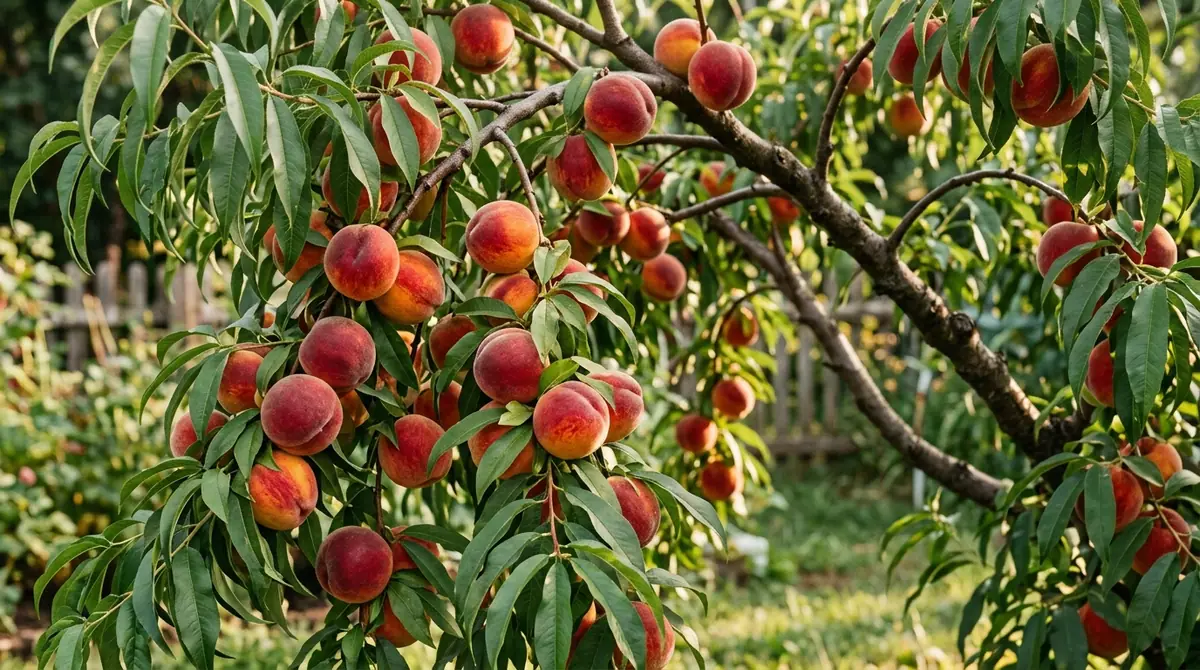
I stood in my trial orchard during a bitter late-spring frost three years ago, watching the thermometer plunge to 26°F (-3°C) just as my standard peach varieties were dropping their frost-damaged blossoms. Yet, a few rows down, my Flamin' Fury selection—specifically the PF 24C—retained its tight, fuzzy buds untouched, eventually yielding fifty pounds of freestone fruit that balanced deep sugars with a sharp, vibrant acidity. That resilience is precisely why I have made the Flamin' Fury series a cornerstone of modern home orchard design at PlantSavvyWorld.
1. Botanical Overview & Natural Habitat
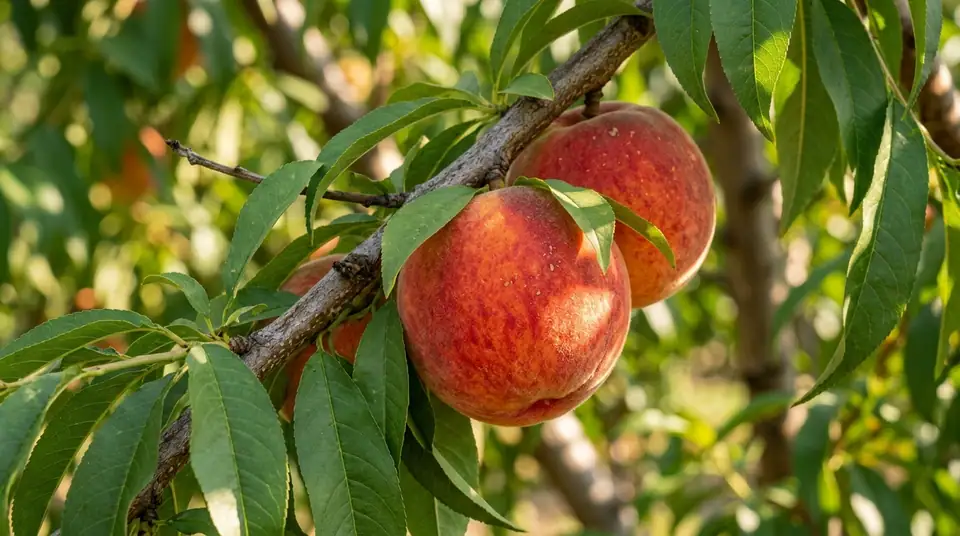
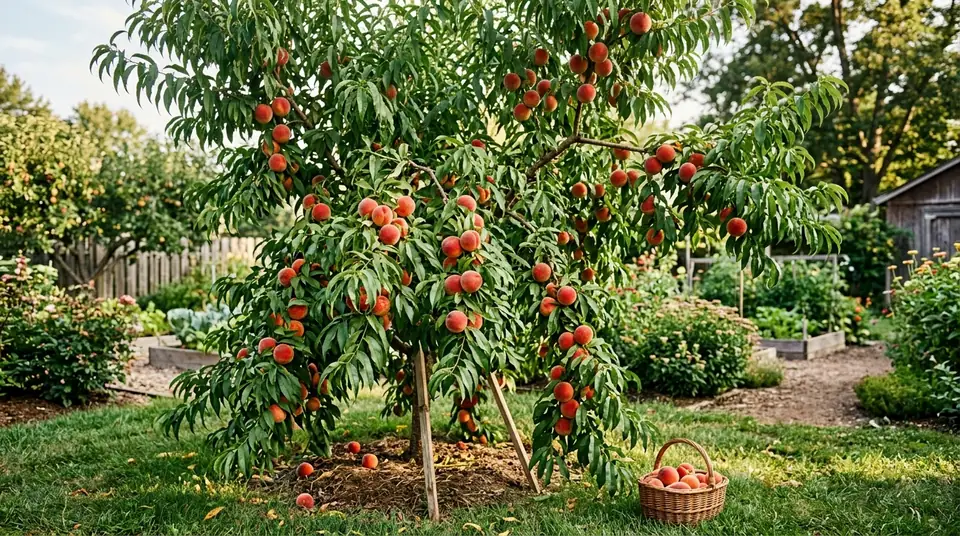
Unlike heirloom varieties that crack under heavy summer rains or succumb to late freezes, Flamin' Fury selections—ranging from early-season PF 5B to late-season PF 24C—are engineered for structural strength and massive fruit production. The wood is dense, and the canopy tends to grow in an open-center configuration naturally, though proper pruning is required to maintain light penetration.
I often integrate fruit trees into edible ornamental spaces. While structural heavyweights like the Colvilles Glory Tree Colvillea Racemosa Growing Guide offer dramatic vertical presence and tropical flair, a well-managed Flamin' Fury peach tree anchors a temperate edible landscape with seasonal interest: striking spring blossoms, lush summer foliage, heavy crops of crimson-blushed fruit, and clean architectural branching in winter. When designing the surrounding ground plane, you must account for the tree's vigorous root system; consult strategies outlined in Creative Landscaping Ideas Around Tree Roots to prevent damage to turf or understory perennials.
2. Essential Environmental & Care Requirements
To successfully cultivate a Flamin' Fury peach tree, you must meet exact environmental thresholds. Peaches are notoriously finicky about chilling hours—the cumulative hours of temperatures between 32°F and 45°F (0°C to 7.2°C) required to break dormancy. Most Flamin' Fury cultivars require between 750 and 1,000 chilling hours, making them exceptionally well-suited for USDA Zones 5 through 8.
Sunlight is non-negotiable. Your tree requires a minimum of 8 hours of direct, unshaded sunlight daily to ripen fruit properly and prevent fungal pathogen development on the leaves. Soil drainage is equally critical; Prunus persica will not tolerate "wet feet." Plant them in loamy or sandy loam soils with a pH ranging from 6.0 to 6.5.
Water management requires consistency, especially during the fruit-sizing phase. Young trees need roughly 1 inch (2.5 cm) of water per week through rainfall or irrigation. Once established, mature trees can tap deeper moisture reserves, but supplemental irrigation during dry spells prevents fruit drop and ensures optimal sugar accumulation. For comprehensive horticultural guidelines on stone fruit management, refer to the Michigan State University Extension.
| Parameter | Optimal Condition | Common Mistake | Why It Matters |
|---|---|---|---|
| Soil pH | 6.0 to 6.5 | Planting in heavy, unamended clay (>7.0 pH) | Alkaline or compacted soils lock out essential iron and micronutrients, leading to chlorosis. |
| Sunlight | 8+ hours full sun | Planting in partial shade or near dense canopies | Insufficient light reduces sugar content in fruit and invites fungal spores on damp leaves. |
| Chilling Hours | 750–1,000 hours | Selecting trees with incorrect chill requirements for your zone | Inadequate cold prevents proper bud break, erratic flowering, and failed fruit set. |
| Watering | 1 inch (2.5 cm) per week | Frequent, shallow surface watering | Shallow watering encourages surface root growth, making the tree vulnerable to drought and windthrow. |
💡 Pro-Tip: When selecting your specific Flamin' Fury cultivar, cross-reference your local microclimate's average last frost date with the tree's bloom time. Planting a mid-season variety like PF 19-00 can completely bypass late spring freezes that wipe out early-blooming stone fruits.
3. Step-by-Step Cultivation, Feeding & Propagation
Growing a productive Flamin' Fury peach tree demands precise planting mechanics and seasonal maintenance. Because these trees are patented cultivars, propagation must be done via grafting rather than seed saving to preserve the parent tree's exact characteristics.
- Site Selection and Soil Preparation: Choose a sunny, well-draining location in late winter. Test your soil pH; if it falls below 6.0, amend it with agricultural limestone several months prior to planting.
- Excavating the Planting Hole: Dig a hole twice as wide as the root ball but no deeper. The goal is to keep the root flare—the point where the trunk widens into the root system—1 to 2 inches (2.5 to 5 cm) above the surrounding soil grade to prevent crown rot.
- Positioning the Tree: Place bare-root or container-grown trees into the center of the hole, spreading the roots outward. Backfill with native unamended soil, tamping down gently every 6 inches (15 cm) to eliminate air pockets.
- Initial Watering and Mulching: Apply 5 gallons (19 liters) of water directly to the root zone. Apply a 3-inch (7.6 cm) layer of organic wood mulch in a ring, keeping the mulch 6 inches (15 cm) away from the trunk to prevent rodent damage and collar rot.
- Structural Pruning at Planting: Cut back the main whip to 24 to 30 inches (61 to 76 cm) above the ground to encourage low branching, and remove any existing side shoots that are smaller than a pencil in diameter.
- Fertilization Schedule: Apply a balanced, slow-release organic fruit tree fertilizer (such as a 10-10-10 blend) in early spring just as bud swell begins. Provide roughly 0.1 pounds of actual nitrogen per year of the tree's age, capping mature applications at 1 pound per season. Cease all fertilization by mid-summer to prevent late flush growth that cannot harden off before winter frost.
⚠️ Important Caution: Never apply high-nitrogen synthetic fertilizers late in the growing season. This stimulates tender, succulent new growth that will easily succumb to winter freeze damage and invite opportunistic pests.
4. Common Problems, Pests & Troubleshooting
Even though the Flamin' Fury series was specifically bred to exhibit superior bacterial spot resistance (Xanthomonas arboricola), no peach tree is entirely immune to environmental stress and opportunistic pathogens.
Fungal issues like Peach Leaf Curl (Taphrina deformans) remain a primary concern during cool, wet springs. You will notice leaves puckering, thickening, and turning a reddish-purple hue before dropping prematurely. To manage this, apply a copper-based dormant spray in late autumn after leaf drop, and repeat the application in early spring before bud swell. For detailed diagnostic protocols on stone fruit pathology, consult the Royal Horticultural Society.
Insect pests such as the Peach Tree Borer (Synanthedon exitiosa) can devastate a tree by boring into the lower trunk and crown. Watch for amber-colored sap mixed with frass accumulating at the base of the tree. Physical barriers like fine mesh guards and parasitic nematodes applied to the soil offer organic control without disrupting beneficial pollinators.
5. Frequently Asked Questions
What is the difference between an early-season and late-season Flamin' Fury peach?
The Flamin' Fury series includes multiple numbered cultivars (such as PF 5B, PF 19-00, and PF 24C) that ripen at different times between July and September. Early-season varieties ripen faster and have lower chilling requirements, whereas late-season selections like PF 24C produce significantly larger fruit with intensely rich flavors and superior storage capabilities, though they demand a longer frost-free growing season.
Do I need to plant two Flamin' Fury peach trees for cross-pollination?
No, Flamin' Fury peach trees are fully self-fertile. A single tree will produce abundant fruit on its own without needing a companion planting. However, planting two different cultivars with overlapping bloom times can significantly increase overall crop yields through cross-pollination by native bees and honeybees.
How soon will a Flamin' Fury peach tree bear fruit?
When you purchase a standard 1-year-old bare-root whip from a nursery, you can typically expect your first light harvest of 3 to 5 peaches by the third growing season. The tree will reach full commercial production capacity by its fifth to sixth year, yielding anywhere from 50 to 150 pounds of fruit annually depending on pruning intensity and soil fertility.
Why are my green peaches dropping off the tree in June?
This natural phenomenon is known as "June drop." It occurs when the tree voluntarily sheds excess fruit that it lacks the photosynthetic energy, water, or nutrients to bring to maturity. While alarming, it is a normal self-regulation mechanism unless it is accompanied by leaf yellowing or branch dieback, which would indicate severe water stress or root rot.
Related Guides
- Will a Lemon Tree Survive Winter
- Money Tree New Leaves Drooping
- Why is My Money Tree Drooping
- Why is My Money Tree Dropping Leaves
- How to Know If a Palm Tree is Dead
- Colvilles Glory Tree Colvillea Racemosa Growing Guide
- Can You Replant a Christmas Tree
📋 Table of Contents ▼ Click to expand
Tags:
Keep reading
🌿 Related Plants You Might Like


PlantSavvyWorld
Editorial team
PlantSavvyWorld is an independent botanical education project. Articles are drafted with AI assistance, then edited and checked against university extension services, botanical garden collections and other published horticultural sources.