

Will a Lemon Tree Survive Winter
Written with AI assistance, edited and checked against horticultural sources.
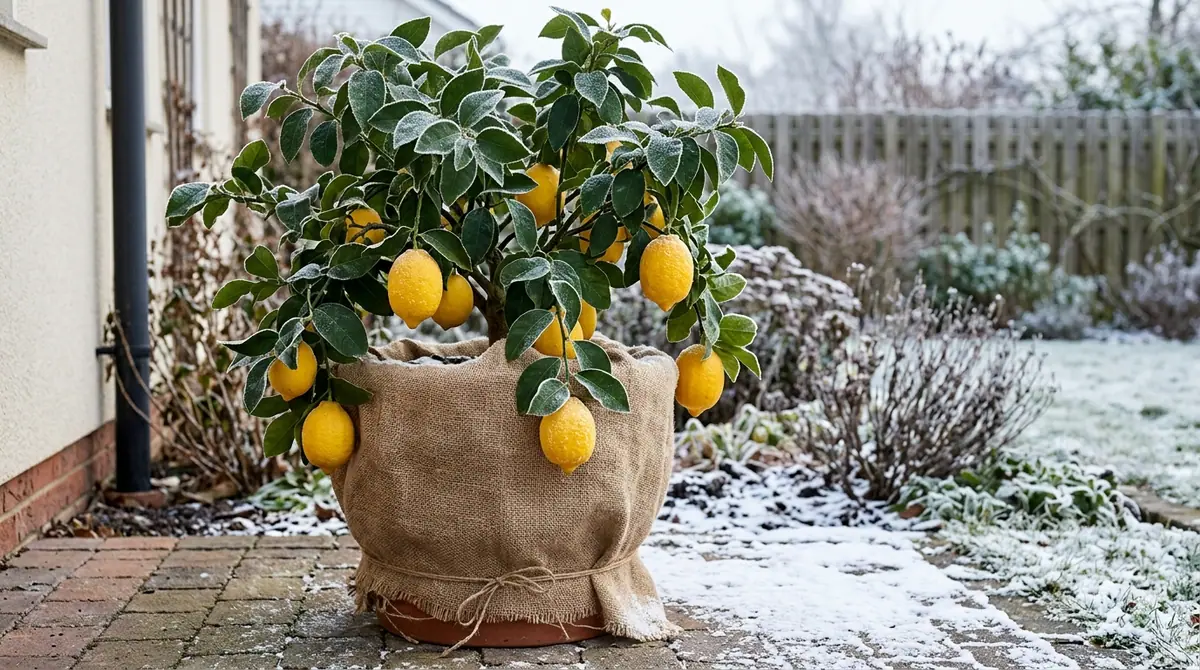
The frost alarm on my smartphone went off at 3:14 AM on a mid-November night three years ago, reading a brutal 27°F (-2.8°C). I threw on a heavy wool coat over my pajamas, sprinted across the damp lawn of trial gardens, and threw heavy burlap sacks over my prized Eureka lemon tree. I was too late for a few outer branches; by dawn, the leaves were curling inward like scorched paper, and the embryonic green fruits turned a translucent, water-soaked brown. That heartbreaking morning taught me more about cold-hardiness than a dozen textbooks ever could: citrus trees do not negotiate with winter.

1. Botanical Overview & Natural Habitat
To understand how a lemon tree (Citrus limon) handles winter, we must look at its evolutionary origins. Native to the foothills of the Himalayas in northeastern India, Myanmar, and China, citrus evolved in subtropical and tropical monsoon climates. These regions experience warm, wet summers and mild, frost-free winters.
Unlike deciduous fruit trees—such as apples or pears—which drop their foliage and enter a deep physiological dormancy triggered by chill hours and shortening days, lemon trees are broadleaf evergreen plants. They lack the evolutionary adaptations required to survive hard freezes. Their vascular systems remain active year-round, continuously moving water and sap through green wood and glossy leaves.
When ambient temperatures drop to 32°F (0°C), cellular damage begins. Ice crystals form inside the extracellular spaces of the plant tissue. As these crystals grow, they pierce the cell walls, causing cell collapse and the characteristic water-soaked, necrotic tissue damage known as frost burn.
Lemon trees can generally tolerate brief dips to 28°F (-2.2°C) without catastrophic injury, provided they are mature and hardened off. However, sustained temperatures of 25°F (-3.9°C) for four hours or longer will split bark, kill scaffold branches, and potentially destroy the entire rootstock below the graft union. If you are managing a larger backyard orchard facing seasonal temperature plunges, consult this detailed manual on How to Protect Backyard Fruit Orchard from Winter Frost to safeguard your entire harvest.
2. Essential Environmental & Care Requirements
Creating an environment that mimics a Mediterranean winter is the key to keeping a potted or in-ground lemon tree alive when frost threatens.
| Parameter | Optimal Condition | Common Mistake | Why It Matters |
|---|---|---|---|
| Temperature | 60°F to 70°F (15°C to 21°C) days; 50°F to 55°F (10°C to 13°C) nights | Placing trees right against drafty windows or heating vents | Extreme temperature swings cause sudden leaf drop and blossom blast. |
| Light | Minimum 6 to 8 hours of direct, unfiltered sunlight daily | Relying on dim indoor room lighting without supplemental LEDs | Insufficient light stops photosynthesis, depleting energy reserves during dark months. |
| Soil Moisture | Evenly moist; dry out top 2 inches (5 cm) between waterings | Keeping soil waterlogged or letting it dry bone-dry for weeks | Wet soil breeds root rot (Phytophthora); extreme dryness causes fruit drop. |
| Humidity | 50% to 60% relative humidity | Exposing trees to dry indoor heating (below 30% humidity) | Low humidity triggers spider mite outbreaks and crispy leaf margins. |
💡 Pro-Tip: When bringing a container-grown lemon tree indoors for the winter, do not place it directly over forced-air heating vents or near drafty exterior doors. The sudden shift from high outdoor humidity to arid indoor heat causes a dramatic shock response, resulting in up to 50% leaf drop within two weeks. Transition your tree gradually over 7 to 10 days by moving it into a protected porch first.
For containerized specimens, understanding root zone health is just as critical as protecting the canopy. If your lemon tree is planted near hardscaped patios or walks, make sure the root flare is not suffocated; for creative ways to manage root zones and aesthetic layouts, review these Creative Landscaping Ideas Around Tree Roots.
3. Step-by-Step Cultivation, Feeding & Propagation
Whether you are overwintering an in-ground tree with frost cloth or transitioning a containerized Meyer or Eureka lemon indoors, follow this strict sequential protocol to ensure survival through the coldest months.
- Assess and Prune in Early Autumn: Before moving your tree or preparing outdoor winter protections, prune away any dead, diseased, or crossing branches in late September or early October. Never perform heavy structural pruning in winter, as this stimulates tender new flush growth that is exceptionally vulnerable to frost damage.
- Apply Preventive Pest Treatments: Treat the foliage thoroughly with horticultural oil or organic insecticidal soap 14 days before bringing the tree indoors. This eliminates hitchhiking scale insects, aphids, and spider mite eggs before they multiply in the warm, predator-free environment of your home.
- Establish Indoor Light and Thermal Zones: Move container trees to the sunniest south-facing or west-facing window available. If natural daylight falls below 6 hours, install full-spectrum LED grow lights suspended 12 to 18 inches (30 to 45 cm) above the canopy, running them on a 12-hour timer.
- Calibrate Winter Irrigation: Reduce watering frequency by roughly 30% to 40% compared to summer rates, because cooler indoor temperatures and slower metabolic rates mean the tree consumes far less water. Always test the soil moisture with your finger to a depth of 2 inches (5 cm) before watering thoroughly until it runs out of the drainage holes.
- Withhold Heavy Fertilization: Stop applying nitrogen-rich fertilizers from October through February. Feeding a lemon tree during its low-light winter dormancy forces weak, leggy growth that easily succumbs to pests and environmental stress. Resume a balanced, slow-release citrus fertilizer only when active spring growth resumes in March.
⚠️ Important Caution: Never let your potted lemon tree sit in a saucer filled with standing water during the winter months. Poor drainage combined with cool, stagnant indoor air is a primary recipe for fatal root rot and fungal pathogens. Always empty saucers 15 minutes after watering.
For authoritative guidelines on regional citrus pest quarantines and disease management, reference the University of California Integrated Pest Management Program, which provides exceptional science-based resources for citrus growers.
4. Common Problems, Pests & Troubleshooting
Winter indoor environments create the exact microclimates that sap-sucking pests adore. Stagnant air, lack of natural wind movement, and dry indoor heating turn your living room into a breeding ground for problems.
Citrus Leaf Drop
It is normal for a lemon tree to drop 10% to 20% of its older leaves when transitioning from bright outdoor sunlight to indoor conditions. However, if leaves are falling en masse while remaining green, or if they curl and drop from overwatering, you must immediately adjust your watering habits and check root drainage.
Spider Mites and Scale Insects
Indoor lemon trees frequently suffer from two-spotted spider mites and armored scale. Mites thrive in hot, dry air; you will notice fine webbing across the undersides of leaves and stippled, yellowing foliage. Scale insects appear as small, brown, immovable bumps along stems and leaf veins. Wash foliage down with a mixture of water and mild castile soap every 7 days for three weeks to break their reproductive cycles.
Nutrient Deficiencies (Chlorosis)

5. Frequently Asked Questions
Can I leave my potted lemon tree outside over winter if I cover it?
In USDA Zone 8 or colder, simply throwing a bedsheet or burlap over a potted lemon tree will not save it from a hard freeze. Potted plants have exposed root systems; roots freeze and die at roughly 25°F (-3.9°C), which is far higher than the tolerance of the canopy. If you live outside Zones 9–11, bring containers indoors or into an unheated, frost-free garage or greenhouse before temperatures drop below 32°F (0°C).
Why are all the leaves falling off my lemon tree inside the house?
Sudden leaf drop is almost always caused by environmental shock. The primary culprits are moving the tree indoors too late (after a cold snap), placing it in a room with less than 4 hours of direct sunlight, or keeping it near a drafty window or dry heating vent. Maintain stable room temperatures between 60°F and 70°F (15°C to 21°C), provide supplemental LED lighting, and ensure your watering schedule is consistent.
How often should I water my indoor lemon tree in the winter?
Because growth slows down dramatically during the darker winter months, your lemon tree will require significantly less water. Instead of watering on a rigid calendar schedule, check the soil depth with your finger. Water thoroughly only when the top 2 inches (5 cm) of soil are completely dry to the touch. This typically translates to watering every 10 to 14 days indoors, depending on your home's humidity and heating levels.
Do lemon trees need a period of cold dormancy?
No. Unlike temperate fruit trees like peaches or apples, lemon trees do not require chill hours to set fruit or complete their biological life cycle. They are tropical and subtropical evergreens that continue metabolic processes year-round. Subjecting them to freezing temperatures does not trigger beneficial dormancy; it causes cellular freeze damage and plant death. For further reading on botanical cold tolerances across diverse plant families, explore the extensive resources maintained by the Royal Botanic Gardens, Kew.
Related Guides
- Lime vs Lemon Tree
- How to Heat Greenhouse in Winter
- How to Protect Backyard Fruit Orchard from Winter Frost
- Complete Guide to Winter Vegetable Harvesting for Beginners
- Complete Garden Tool Maintenance Checklist for Winter
- Weeping Santa Rosa Plum Tree
- Flamin Fury Peach Tree
- How to Remove Palm Tree Stump
📋 Table of Contents ▼ Click to expand
Tags:
Keep reading
🌿 Related Plants You Might Like



PlantSavvyWorld
Editorial team
PlantSavvyWorld is an independent botanical education project. Articles are drafted with AI assistance, then edited and checked against university extension services, botanical garden collections and other published horticultural sources.