

Can You Transplant Roses in the Fall
Written with AI assistance, edited and checked against horticultural sources.
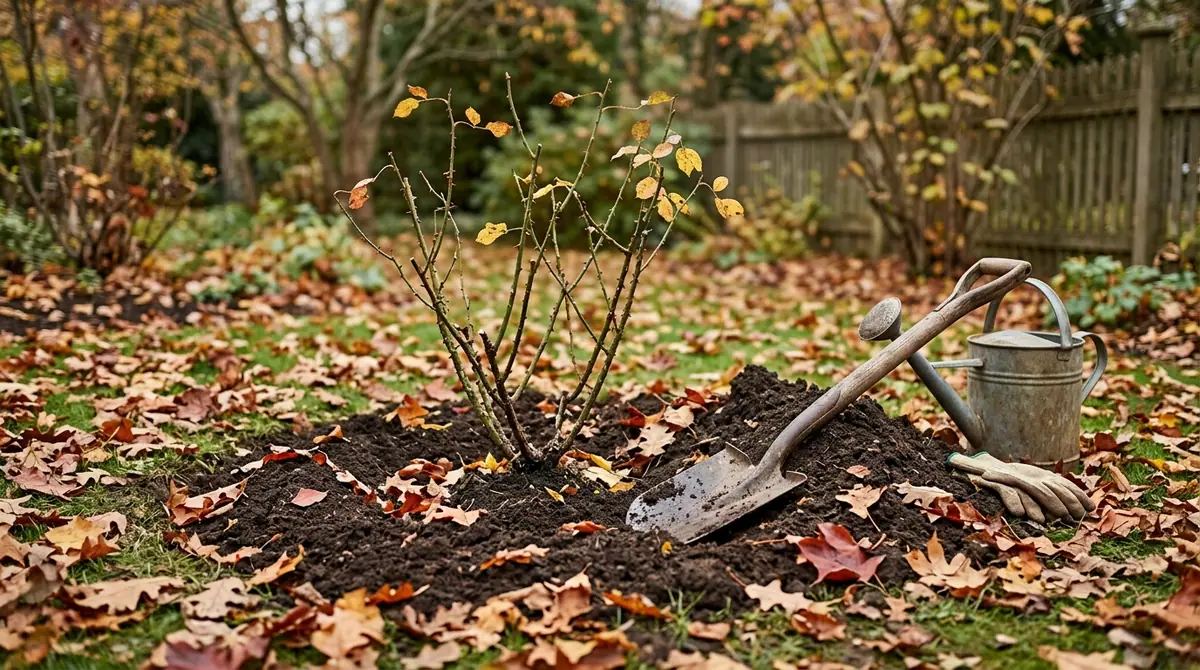
Autumn is the absolute gold standard for moving established roses in most temperate zones, even when digging up a struggling heritage 'Abraham Darby' rose choked out by an aggressive native dogwood in 34°F (1.1°C) evening temperatures with mud freezing to boot treads. Every gardening instinct may seem to scream that this is horticultural malpractice, yet by the following June, that same shrub will erupt in a riot of peachy-pink, myrrh-scented blooms, outperforming every container-grown rose planted that spring. Gardeners constantly ask, "Can you transplant roses in the fall?" The short answer is an unequivocal yes.
1. Botanical Overview & Natural Habitat
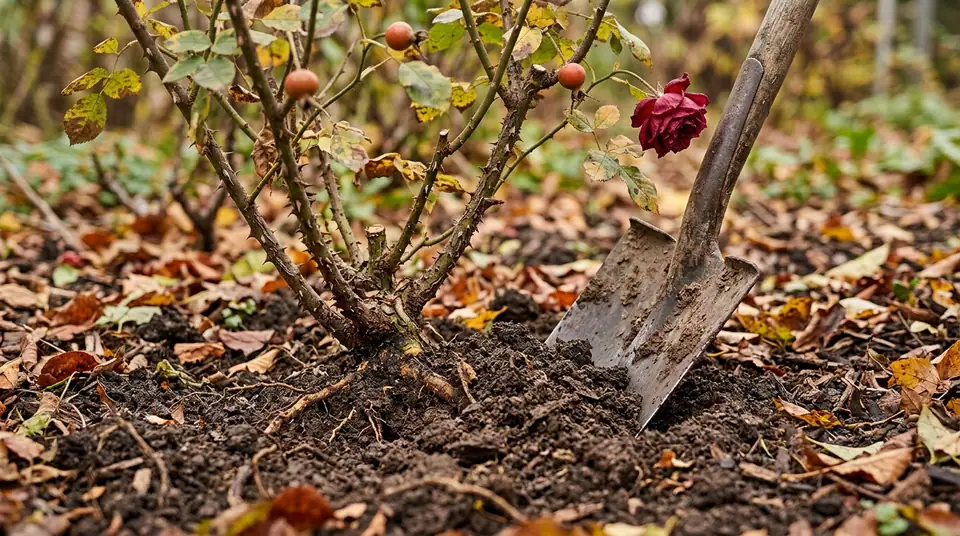
Understanding why fall is so advantageous requires looking at plant phenology. During the scorching summer months, a rose allocates the vast majority of its metabolic energy toward top-growth, floral production, and defending foliage against pests. When autumn arrives and ambient air temperatures consistently hover between 50°F and 65°F (10°C to 18.3°C) while the soil retains the lingering heat of summer—often remaining between 55°F and 60°F (12.8°C to 15.6°C)—a profound physiological shift occurs.
Above ground, the plant enters a state of dormancy, slowing or completely halting carbohydrate consumption for leaf and bloom development. Below ground, however, root growth continues unchecked until soil temperatures drop below 40°F (4.4°C). This biological window allows a newly relocated rose to direct 100% of its stored energy reserves toward establishing a robust, expansive root anchor before winter sets in.
When spring arrives, a fall-transplanted rose does not waste precious weeks recovering from root shock; instead, it wakes up with an established subterranean network ready to fuel a massive flush of new growth. This mirrors the seasonal transitions we see when managing other perennials, much like timing When is the Best Time to Transplant a Plant to avoid thermal stress, or deciding When to Transplant Flower Seedlings ahead of seasonal shifts.
2. Essential Environmental & Care Requirements
To successfully relocate a rose in autumn, you must replicate or improve upon its native environmental conditions. Roses thrive when their specific biological tolerances for light, soil, moisture, and temperature are strictly met.
| Parameter | Optimal Condition | Common Mistake | Why It Matters |
|---|---|---|---|
| Soil Temperature | 50°F to 60°F (10°C to 15.6°C) | Transplanting frozen or overly saturated soil | Cold soils halt root regeneration; waterlogged soils promote anaerobic decay and Phytophthora. |
| Soil pH | 6.0 to 6.5 (slightly acidic) | Planting in unamended clay or pure sand | Incorrect pH locks up essential micronutrients like iron and manganese, causing chlorosis. |
| Sunlight | Minimum 6 hours of direct morning sun | Shading the base with heavy mulch or structures | Morning sun dries dew rapidly, drastically reducing fungal spore germination like black spot. |
| Moisture | 1 inch (2.5 cm) of water weekly until ground freezes | Shallow, frequent surface watering | Deep irrigation encourages the downward root migration necessary for drought resilience. |
Selecting the correct microclimate in your landscape is just as critical as soil chemistry. Avoid low-lying frost pockets where cold air pools, and ensure the planting site offers protection from howling winter winds that can desiccate unrooted canes. If you are integrating your rose bed with edible companion plants, keep in mind that seasonal garden transitions require careful planning—similar to calculating When to Transplant Cilantro Seedlings or timing When to Transplant Tomatoes before the first autumn freeze.
💡 Pro-Tip: Never apply high-nitrogen synthetic fertilizers when transplanting roses in the fall. Nitrogen stimulates tender, sappy green top-growth that will be instantly destroyed by the first hard freeze. Instead, incorporate a handful of organic bone meal or rock phosphate directly into the bottom of the planting hole to fuel root development.
3. Step-by-Step Cultivation, Feeding & Propagation
Executing a fall rose transplant requires precision timing. Aim to complete the operation at least 4 to 6 weeks before your region's average first hard frost date. This guarantees the root system adequate time to heal and generate new hair roots.
- Pre-Water the Plant: 48 hours prior to digging, thoroughly saturate the root zone with 2 to 3 gallons (7.5 to 11.4 liters) of water to ensure the root ball stays cohesive and hydrated.
- Prune Back Canes: Cut the rose bush back by one-third to one-half. This reduces wind resistance (preventing the plant from rocking and tearing new root attachments) and minimizes moisture loss through transpiration.
- Trench the Root Ball: Using a sharp, sanitized spade, cut a circle around the drip line of the shrub, typically 12 to 18 inches (30.5 to 45.7 cm) out from the base, depending on the plant's age. Dig straight down to a depth of 12 to 15 inches (30.5 to 38.1 cm).
- Under-Cutter Extraction: Slide your spade underneath the root ball at a 45-degree angle, gently levering the plant upward. Lift it carefully, preserving as much native soil clinging to the roots as possible.
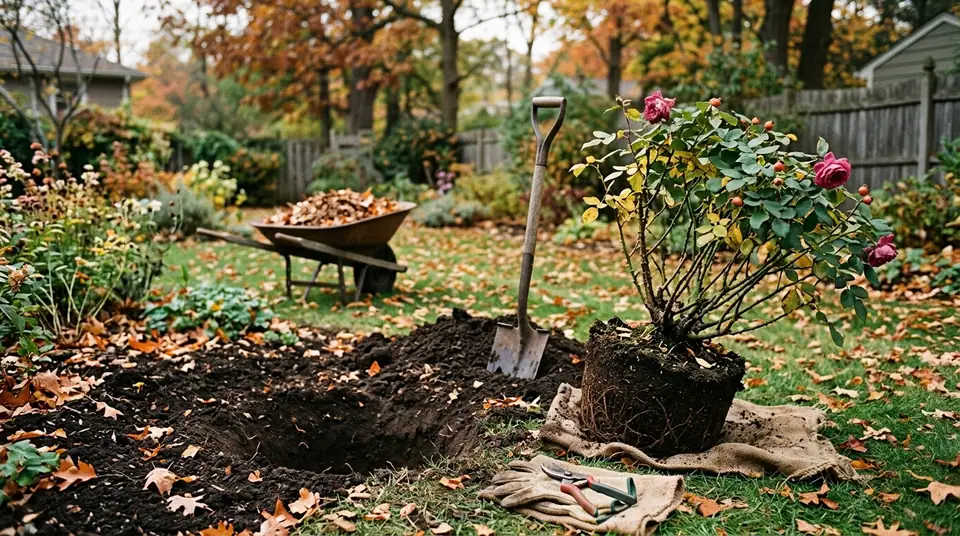
- Prepare the New Destination: Dig a hole twice as wide as the root ball and exactly the same depth. Roughen the sides of the hole with your spade to prevent glazing in clay soils.
- Position and Backfill: Set the rose in the hole, ensuring the bud union (the swollen knot where the scion meets the rootstock) sits 2 inches (5 cm) above the soil line in cold climates (USDA Zones 3–6) or level with the soil in warmer zones (Zones 7–9). Backfill with a 50/50 mix of native soil and compost.
- Settle and Mulch: Tamp the soil gently by hand to eliminate large air pockets. Water deeply with 3 gallons (11.4 liters) of water. Once drained, apply a 3-inch (7.6 cm) layer of shredded hardwood mulch around the base, keeping it 2 inches (5 cm) away from the actual canes to prevent crown rot.
For authoritative guidelines on regional rose care and hardiness zone specifics, consult the Royal Horticultural Society Rose Care Guide or the University of Minnesota Extension Rose Management Publication.
⚠️ Important Caution: Never grab a rose bush by its main canes to lift or drag it during transplanting. The mechanical stress can fracture the delicate junction at the bud union, permanently ruining the plant's structural integrity. Always lift the root ball from underneath using a sturdy garden fork or spade.
4. Common Problems, Pests & Troubleshooting
Even with meticulous execution, transplanted roses experience physiological shock. Recognizing symptoms early separates a thriving specimen from a lost investment.
- Cane Dieback and Desiccation: If canes turn brown, shrivel, or blacken from the tips downward, the plant is losing more moisture than its truncated root system can supply. Solution: Prune the affected canes back by another 2 to 3 inches (5 to 7.6 cm) into healthy green tissue, and erect a temporary burlap windbreak around the shrub.
- Root Rot (Phytophthora spp.): Caused by poorly draining soils combined with excessive autumn rains, manifesting as yellowing foliage and mushy, black roots that smell foul. Solution: Improve immediate site drainage, withhold water, and apply a copper-based bio-fungicide if caught early.
- Winter Heaving: Freeze-thaw cycles in late winter can literally push a newly transplanted rose completely out of the ground, exposing vulnerable roots to freezing air. Solution: Check your landscape beds after major winter thaws, gently press any heaved plants back down into the soil, and top up the mulch layer.
- Pest Overtures (Aphids and Spider Mites): Stressed fall transplants emit chemical distress signals that attract sap-sucking insects. Solution: Blast undersides of leaves with a sharp stream of water or apply organic insecticidal soap on a mild, overcast afternoon.
A rose bush with a root ball next to a freshly dug hole in an autumn garden
5. Frequently Asked Questions
Will transplanting my rose in the fall kill it?
No, provided you complete the move at least 4 to 6 weeks before the ground freezes solid. Fall is biologically optimal because cool air temperatures reduce transpiration while warm autumn soils stimulate rapid root growth without expending energy on flower production.
Should I fertilize my rose immediately after transplanting in the autumn?
Never apply high-nitrogen fertilizers upon fall transplanting. Nitrogen triggers vulnerable soft growth that is easily destroyed by winter frost. Instead, use a low-nitrogen, phosphorus-rich amendment like bone meal to encourage deep, resilient root development.
How deep should I plant the root ball in its new location?
The bud union—the swollen knot at the base of the canes—should sit approximately 2 inches (5 cm) above the soil line in cold winter regions (Zones 3–6) to protect the valuable rootstock, or level with the soil surface in milder climates (Zones 7–9).
How often should I water a fall-transplanted rose?
Provide 1 inch (2.5 cm) of water per week through deep, infrequent soaking until the ground permanently freezes for the winter. If autumn rainfall is consistent in your area, you may only need to supplement during dry spells.
Related Guides
- True Bloom Roses
- Do You Cut Back Peonies in the Fall
- When to Transplant Japanese Maple
- How to Transplant a Japanese Maple Tree
- When to Transplant Tomatoes
📋 Table of Contents ▼ Click to expand
Tags:
Keep reading
🌿 Related Plants You Might Like






PlantSavvyWorld
Editorial team
PlantSavvyWorld is an independent botanical education project. Articles are drafted with AI assistance, then edited and checked against university extension services, botanical garden collections and other published horticultural sources.