

Do You Cut Back Peonies in the Fall
Written with AI assistance, edited and checked against horticultural sources.
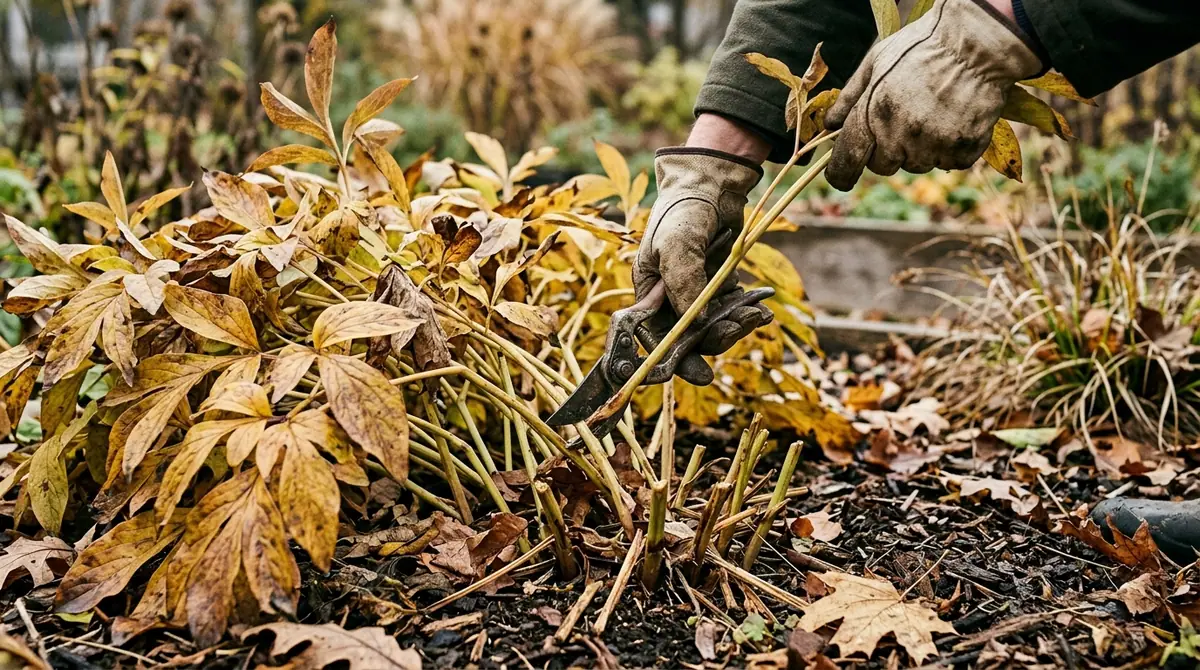
Standing over my heritage 'Sarah Bernhardt' peonies last October, shears in hand, I hesitated. The foliage was speckled with maroon blotches, a classic sign of peony blotch (Paeonia lactiflora leaf spot), and every gardening instinct screamed to tidy up the fading perennial bed before the first hard freeze. But I know that reaching for the pruners too early—or leaving infected debris to overwinter—can make or break next spring's bloom cycle. If you are wondering whether you actually need to cut back your peonies in the fall, you are asking the exact question that separates struggling plants from vigorous, floriferous garden centerpieces.
1. Botanical Overview & Natural Habitat
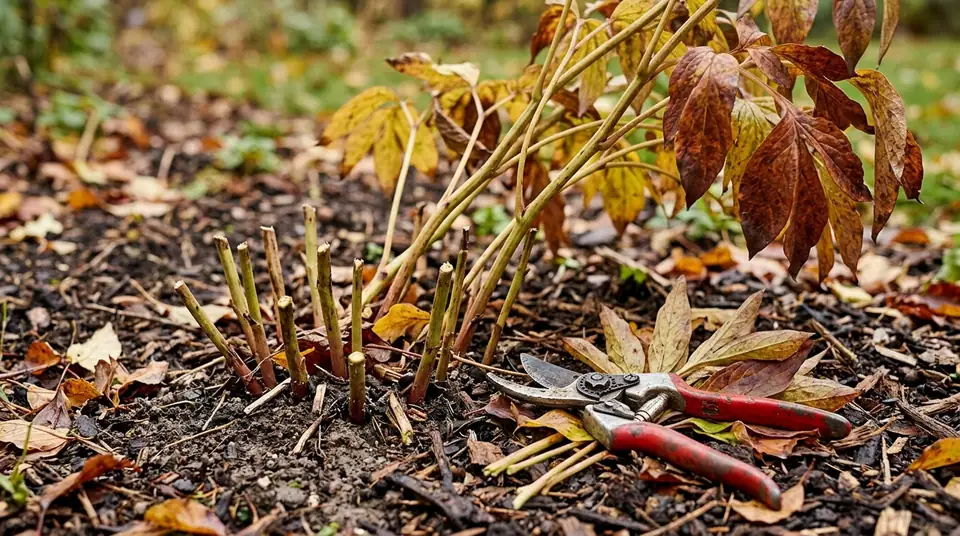
In their natural habitat, freezing temperatures trigger the plant to pull all remaining photosynthetic energy down into the crown buds—often called "eyes"—located just 1 to 2 inches (2.5 to 5 cm) below the soil surface. Once the chill hits, the top growth dies back completely to the ground naturally. Understanding this life cycle is crucial when deciding whether to step in with shears. In cold climates experiencing winter temperatures dropping below 20°F (-6°C), cutting back herbaceous peonies is a vital sanitation practice. However, woodier types, such as tree peonies (Paeonia suffruticosa), possess permanent woody stems that must never be cut back to the ground, as their buds form along above-ground stems.
2. Essential Environmental & Care Requirements
To keep peonies thriving and ensure they reliably return year after year, you must meet their precise environmental needs. Peonies are notorious for demanding a specific winter chilling period—typically 500 to 1,000 hours of temperatures below 45°F (7°C)—to successfully break dormancy and initiate flower buds. Without this cold dormancy, the plant may leaf out sluggishly or fail to bloom entirely.
| Parameter | Optimal Condition | Common Mistake | Why It Matters |
|---|---|---|---|
| Soil pH | 6.0 to 7.0 (Slightly acidic to neutral) | Planting in highly acidic soil (< 5.5) | Extreme acidity limits nutrient uptake, particularly calcium and phosphorus, stunting growth. |
| Planting Depth | Eyes 1 to 2 inches (2.5 to 5 cm) deep | Planting too deep (4+ inches / 10+ cm) | Deeply buried eyes cannot receive the necessary temperature cues and will produce lush foliage with zero blooms. |
| Sunlight | 6 to 8 hours of direct daily sunlight | Shading by nearby large trees or shrubs | Insufficient sun drastically reduces flower production and increases susceptibility to fungal pathogens. |
| Drainage | Loamy, well-draining soil | Heavy, waterlogged clay that retains moisture | Standing water rots the fleshy storage roots, inviting Phytophthora and other root rots. |
💡 Pro-Tip: When planting or resetting herbaceous peonies, always check the orientation of the pink embryonic buds. If you bury them deeper than 2 inches (5 cm)—a frequent error made by well-meaning gardeners adding deep winter mulch—your peonies will stubbornly refuse to flower for years.
3. Step-by-Step Cultivation, Feeding & Propagation
Proper autumn maintenance directly dictates your harvest of lush blooms come late spring. Below is the exact operational protocol I use in my own design trials for managing herbaceous peonies in the fall.
- Wait for the Correct Timing: Do not cut back your herbaceous peonies while the leaves are still green and photosynthesizing. Wait until the first hard frost—typically when temperatures drop to 25°F to 28°F (-4°C to -2°C) for several hours—has completely browned, softened, and collapsed the stems. This usually occurs between late October and mid-November depending on your USDA Hardiness Zone.
- Sanitize Your Equipment: Wipe down your bypass pruners or garden shears with a 70% isopropyl alcohol solution or a household disinfectant spray before making a single cut. This prevents transferring fungal spores, such as Botrytis paeoniae, from plant to plant.
- Cut Stems at Ground Level: Slice through the herbaceous stems cleanly, holding them gently to avoid pulling on the crown. Make your cuts roughly 1 to 2 inches (2.5 to 5 cm) above the soil line. Leaving stubble longer than 2 inches can create hollow channels that collect moisture and invite stem-boring insects.
- Inspect and Clear All Debris: Rake away every trace of fallen foliage, dead stems, and spent flower heads from the base of the plant.
- Dispose, Do Not Compost: Discard all removed peony debris in municipal yard waste or burn it. Never place infected peony leaves into a cold backyard compost pile, as fungal spores and sclerotia can survive mild composting temperatures and re-infect your garden next spring. For official regional guidelines on disease management in ornamental plantings, consult the Clemson Cooperative Extension Home & Garden Information Center.
- Apply a Protective Autumn Mulch (Optional): In colder regions (USDA Zones 3–5), apply a 2- to 3-inch (5- to 7.5-cm) layer of shredded hardwood bark or clean straw over the crown after the ground freezes to prevent frost heaving. Pull this mulch back in early spring as soon as red shoots begin to emerge.
⚠️ Important Caution: Never cut back tree peonies or intersectional (Itoh) peonies in the fall. Tree peonies grow on woody, perennial stems that store life-cycle energy. Cutting them to the ground will destroy next year's flower buds and potentially kill the plant. Only prune dead, damaged, or diseased wood on tree peonies in early spring.
4. Common Problems, Pests & Troubleshooting
Even with careful autumn maintenance, peonies can occasionally succumb to environmental stress or pathogens. Recognizing the early warning signs allows you to intervene before structural damage occurs.
- Peony Blotch (Measles): Identified by small, distinct purple or red spots on upper and lower leaf surfaces in late summer, which later merge into larger blotches. It is primarily a cosmetic fungal issue (Cladosporium paeoniae), but heavy infections weaken the plant. Solution: Meticulous fall cleanup is your primary defense. Remove all affected foliage down to soil level and discard it immediately to break the fungal life cycle.
- Botrytis Blight (Gray Mold): The most devastating fungal disease affecting peonies (Botrytis paeoniae). Young shoots suddenly wilt, turn black, and rot in spring, often covered in a fuzzy grayish-brown mold during humid weather. Solution: Ensure proper plant spacing (at least 3 feet / 1 meter apart) to promote air circulation. Avoid overhead watering. Prune infected stems back to healthy white tissue well below the soil line and apply a preventive copper-based fungicide if outbreaks are chronic.
- Root-Knot Nematodes: Microscopic roundworms that attack the roots, causing swollen, knotty galls. Affected plants display stunted growth, sparse yellowing leaves, and poor flower production. Solution: Dig up and destroy severely infested plants. Never replant peonies in the exact same spot without solarizing the soil or letting the bed lie fallow for at least two years. For comprehensive diagnostics and regional disease tracking, visit the Royal Horticultural Society advice pages.
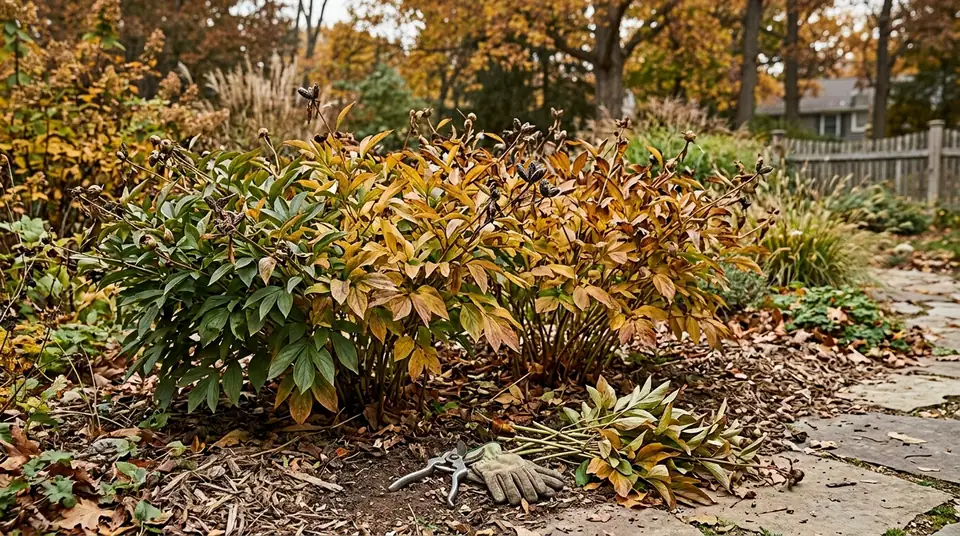
Peony bush with autumn foliage beside garden pruners and gloves on mulch
5. Frequently Asked Questions
What happens if I don't cut back my peonies in the fall?
Leaving herbaceous peony foliage intact through the winter leaves a cozy habitat for overwintering fungal spores (like Botrytis) and insect pests. While a neglected plant may survive a mild winter, it faces a significantly higher risk of severe disease outbreaks, leaf spot, and reduced vigor when spring arrives.
Can I cut my peonies back in August or September?
No. Cutting back green, healthy leaves in late summer robs the plant of essential late-season photosynthesis. Peonies require this period to store carbohydrates in their tuberous roots for the following spring's growth. Always wait until frost naturally kills the foliage.
Do tree peonies need to be cut back in the fall?
No. Tree peonies possess permanent woody stems that produce buds along their lengths. Cutting them back to the ground in the fall removes all future flowering wood and will prevent the plant from blooming. Only prune dead or crossing branches in early spring.
How do I know where the eyes are when cutting back?
The buds, or "eyes," are embryonic shoots clustered around the crown at or just below the soil surface. They appear as small, pinkish-red or whitish nubbins. When cutting back herbaceous stems in the fall, leave a short 1- to 2-inch (2.5- to 5-cm) margin above the soil line to ensure you do not accidentally nick or damage these vital future stems.
Related Guides
- Mulch for Peonies
- Do Peonies Grow in Texas
- Growing Peonies in Containers
- Peonies from Seed
- Cutting Back a Maple Tree
📋 Table of Contents ▼ Click to expand
Tags:
Keep reading
🌿 Related Plants You Might Like



PlantSavvyWorld
Editorial team
PlantSavvyWorld is an independent botanical education project. Articles are drafted with AI assistance, then edited and checked against university extension services, botanical garden collections and other published horticultural sources.