

When to Plant Strawberries in Zone 6b
Written with AI assistance, edited and checked against horticultural sources.
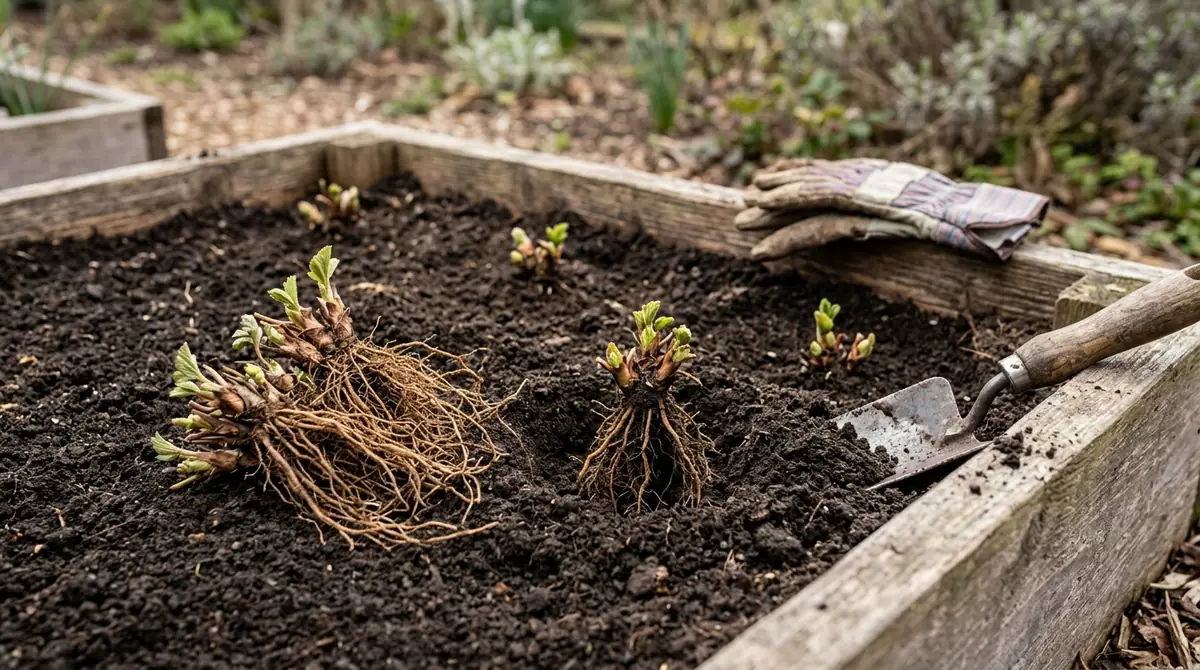
In USDA Hardiness Zone 6b, bare-root 'Allstar' strawberries should be planted by reading soil temperatures, assessing freeze risks, and understanding the physiological rhythm of the plant rather than relying strictly on calendar dates. Avoiding premature planting during surprise overnight frosts prevents delicate crystalline crusts from forming over the soil and keeps the crowns from rotting, securing a bountiful harvest of sweet, juicy berries.
1. Botanical Overview & Natural Habitat

In their natural woodland and meadow habitats, wild strawberries are perennial herbaceous plants that thrive in temperate zones, relying on winter chilling periods to reset their hormonal clocks for spring flowering. Botanically, the strawberry is fascinating because the sweet, fleshy red fruit we eat is actually an enlarged receptacle tissue (the base of the flower), while the tiny "seeds" scattered across the exterior are the actual true fruits, known scientifically as achenes.
Understanding this botanical heritage helps us manage them in Zone 6b, where winters feature average annual extreme minimum temperatures between -5°F and 0°F (-20.6°C to -17.8°C). Strawberries possess an incredible evolutionary survival mechanism: their crowns—the dense, shortened stems at the soil line—remain dormant just beneath the surface during freezing weather, storing carbohydrates manufactured during the previous growing season.
When cultivating strawberries in Zone 6b, you generally choose between three fruiting habits:
- June-bearing varieties: Produce one massive, concentrated harvest over a 3-week period in late spring to early summer. They are day-length sensitive, initiating flower buds in the autumn when days shorten.
- Everbearing varieties: Produce two main harvests—one in late spring and another in late summer or early fall—though their overall yields are lighter than June-bearers.
- Day-neutral varieties: Unfazed by day length, these plants continuously flower and fruit from late spring right through the first hard autumn frosts, provided daytime temperatures stay below 85°F (29.4°C).
For a deeper dive into growing these resilient plants in controlled indoor environments during the off-season, you can explore our guide on How to Grow Strawberries Indoors: From Fruit Seeds to Sweet Berries. If you are looking at regional climate variations nearby, our resource on When to Plant Strawberries in Kansas: Zone 6a/6b Seasonal Calendar offers helpful cross-references. For broader biological insights, the Missouri Botanical Garden Plant Finder provides excellent reference material on perennial habits in temperate zones.
2. Essential Environmental & Care Requirements
To thrive in Zone 6b, strawberries demand specific environmental conditions. Getting these parameters right dictates whether your plants establish vigorous root systems or succumb to crown rot.
Sunlight
Strawberries are sun-worshippers. They require a minimum of 6 to 8 hours of direct, unobstructed sunlight daily. Insufficient light drastically reduces sugar accumulation in the fruit, resulting in tart, watery berries, and increases susceptibility to fungal leaf blights.
Soil Composition and pH
The ideal soil is sandy loam or loam rich in organic matter, featuring a slightly acidic pH between 5.5 and 6.8. Heavy clay soils, common throughout many parts of Zone 6b, trap moisture and suffocate the shallow root systems. If you are planting in heavy clay, you must amend the bed with aged compost or well-rotted manure to improve drainage and crumb structure.
Water and Irrigation
Strawberries have shallow root systems, with roughly 80% of their functional roots residing in the top 6 inches (15 cm) of soil. They require consistent moisture—about 1 to 1.5 inches (2.5 to 3.8 cm) of water per week from rainfall or irrigation. Drought stress during flower bud formation in late summer reduces the following year's crop by up to 50%.
| Parameter | Optimal Condition | Common Mistake | Why It Matters |
|---|---|---|---|
| Soil pH | 5.5 – 6.8 | Planting in alkaline soil (>7.0) | Causes iron chlorosis and nutrient lockout. |
| Sunlight | 6–8 hours full sun | Planting in partial shade | Drastically lowers sugar content and yield. |
| Planting Depth | Crown level with soil | Burying or exposing the crown | Burying causes rot; exposure dries out roots. |
| Spacing | 12–18 inches (30–46 cm) | Crowding plants | Reduces airflow, inviting gray mold (Botrytis). |
For those managing multiple crop types in varied soil structures, understanding root depth dynamics is crucial; you can review our insights in How Deep Do Pepper Plant Roots Go? Pot Size & Substrate Depth Guide.
3. Step-by-Step Cultivation, Feeding & Propagation
The absolute best time to plant strawberries in Zone 6b is early spring—typically from late March through mid-April as soon as the ground can be worked and is free of waterlogged mud. Fall planting (September to October) is a viable secondary option in Zone 6b, but spring planting gives plants an entire growing season to establish robust root systems before facing their first harsh winter.
💡 Pro-Tip: When purchasing bare-root strawberry plants, look for crowns that are plump, cream-colored to light brown on the inside, and accompanied by a tangle of healthy, white-tipped roots at least 4 inches (10 cm) long. Discard any plants with black, mushy roots.
Follow this exact step-by-step sequence to plant your bare-root or potted strawberries successfully:
- Site Preparation: Clear all perennial weeds from your bed. Incorporate a 2-to-3-inch (5-to-7.5-cm) layer of finished compost and a balanced organic fertilizer into the top 8 inches (20 cm) of soil.
- Root Hydration: Soak bare-root strawberry roots in a bucket of tepid water for 30 to 60 minutes before planting to rehydrate them from storage. Do not soak them for more than two hours, or the roots will suffocate.
- Pruning Roots: Trim the root system down to roughly 5 to 6 inches (13 to 15 cm) using clean pruning shears. This prevents roots from folding or circling upward in the planting hole.
- Hole Excavation: Dig a vertical hole deep and wide enough to accommodate the entire root mass without bending or bunching the roots.
- Setting the Crown Height: Place the plant in the hole. Ensure the midpoint of the crown sits precisely level with the soil surface. The roots must be entirely underground, but the central growing tip (bud) must remain completely exposed to the air.
- Backfilling and Tamping: Fill the hole with soil, gently firming it around the roots with your hands to eliminate air pockets. Take care not to pack soil directly over the crown bud.
- Initial Watering: Water the newly planted bed immediately and deeply, applying roughly 1 inch (2.5 cm) of water to settle the soil tightly against the roots.
- Mulching: Apply a 2-inch (5-cm) layer of clean straw, pine needles, or shredded leaves around the plants. This keeps fruit clean, suppresses weeds, and moderates soil temperature fluctuations.
For companion planting ideas or crop rotations in constrained garden layouts, reference seasonal strategies like those outlined in our guide on When to Plant Onions in Southern California (Zone 9 & 10 Planting Calendar).
4. Common Problems, Pests & Troubleshooting
Even with pristine timing, Zone 6b gardeners will encounter challenges. Anticipating these issues prevents crop failure.
Crown Rot (Phytophthora and Rhizoctonia)
This is the single most destructive disease for strawberries in wet spring soils. Symptoms include sudden wilting of the outer leaves, stunted growth, and a reddish-brown discoloration inside the crown tissue.
- Solution: Ensure your soil drains well, avoid high-nitrogen fertilizers that push soft, disease-prone growth, and never bury plant crowns below the soil line.
Gray Mold (Botrytis cinerea)
Thriving in humid, wet weather during spring fruit development, gray mold turns ripening berries into fuzzy, gray, decaying masses.
- Solution: Maintain proper plant spacing (12–18 inches apart), use clean straw mulch to keep berries from touching wet soil, and harvest ripe fruit daily. For official regional pathology guidelines, consult the Penn State Extension Fruit Production Guide.
Slugs and Pillbugs
These nocturnal scavengers chew large, ragged holes out of ripening berries sitting near the soil surface.
- Solution: Elevate developing fruit clusters onto straw mulch, set out organic iron phosphate slug baits around the perimeter, and water plants in the morning so the soil surface dries out by nightfall.
⚠️ Important Caution: Never apply synthetic weed killers or high-nitrogen lawn fertilizers near your strawberry beds. Strawberries are exceptionally sensitive to chemical drift and excess nitrogen, which triggers rampant leaf production at the complete expense of flowers and fruit.

5. Frequently Asked Questions
Can I plant strawberries in the fall in Zone 6b?
Yes, you can plant in September or October in Zone 6b. Fall-planted strawberries establish root systems over the winter and produce a modest harvest the following spring. However, you must heavily mulch them with 4 to 6 inches (10 to 15 cm) of straw before the ground freezes to prevent frost heaving, which pushes shallow-rooted plants right out of the soil.
Should I remove the first year's flowers from June-bearing strawberries?
Yes. For June-bearing varieties planted in spring, pluck off all flower blossoms as they appear during the first growing season. This forces the plant to redirect its energy into establishing a robust root system and growing healthy runner plants rather than expending energy on fruit production, ensuring a massive harvest the following year.
How many years do strawberry plants remain productive?
Most commercial and home garden strawberry plantings peak in productivity during their second and third years. By year four, yields typically decline due to overcrowding, soil depletion, and viral accumulation. It is best to establish a new bed every three to four years in a different location to maintain high yields.
What is the best way to protect strawberry blossoms from late spring frosts in Zone 6b?
Zone 6b frequently experiences late frosts in April and May after warm spells coax plants into early bloom. Tender open blossoms can suffer damage at temperatures below 30°F (-1.1°C). Cover your strawberry patch with floating row covers, burlap, or old bedsheets anchored with stones on nights when a freeze is forecasted, removing the covers the next morning once temperatures rise above freezing.
Related Guides
- When to Plant Strawberries Zone 6
- When to Plant Strawberries in Zone 6
- When to Start Strawberries Indoors
- When to Plant Strawberries in Washington State
- When to Plant Strawberries in Tn
- When to Plant Strawberries in Arkansas
📋 Table of Contents ▼ Click to expand
Tags:
Keep reading
🌿 Related Plants You Might Like




PlantSavvyWorld
Editorial team
PlantSavvyWorld is an independent botanical education project. Articles are drafted with AI assistance, then edited and checked against university extension services, botanical garden collections and other published horticultural sources.