

Are Strawberries Perennial In Zone 7: Expert Gardening Guide & Science-Backed Tips
Written with AI assistance, edited and checked against horticultural sources.
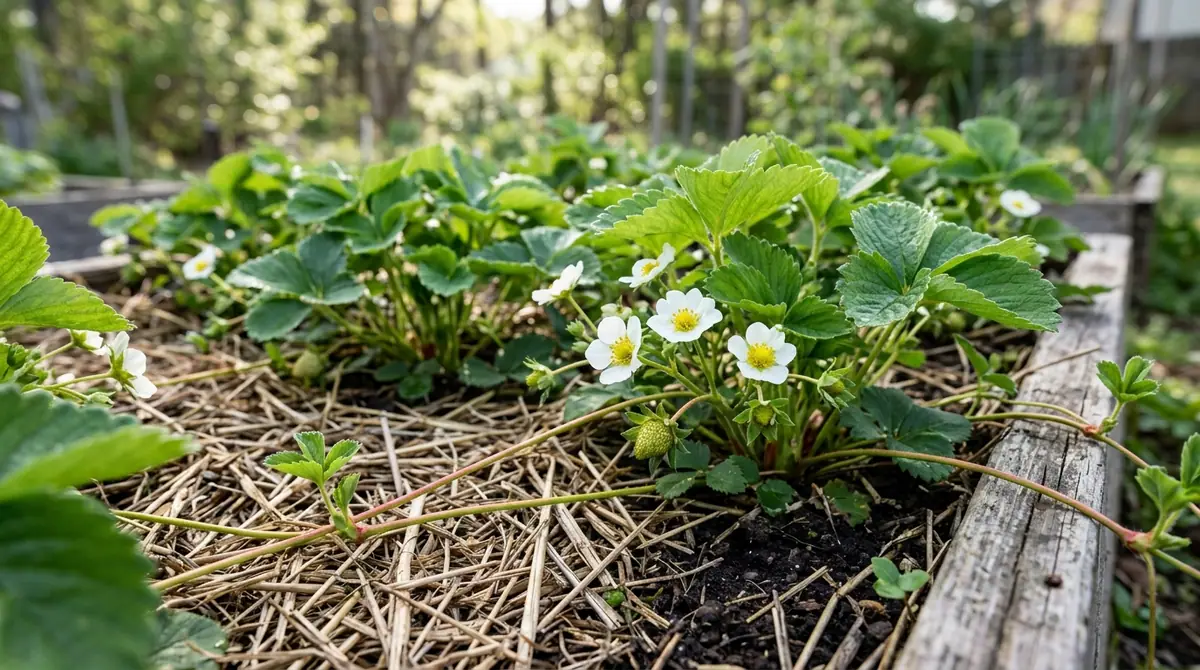
Strawberry plants are perennial in Zone 7, but specific conditions determine whether a patch thrives or fails. To unlock consistent, delicious yields in a temperate climate, growers must understand the science and specific needs of these berries.
1. Botanical Overview & Natural Habitat

In their natural habitats, wild strawberries are found in diverse environments, from woodland edges and meadows to open fields. This adaptability is a testament to their perennial nature. They thrive where they can establish a robust root system, access adequate sunlight, and receive consistent moisture, especially during their fruiting season.
For Zone 7, which typically experiences moderate winters with occasional hard freezes (ranging from 0°F to 10°F, or -18°C to -12°C), strawberries are indeed well-suited to be perennial. This means that with the right care, your strawberry plants can survive the winter and return year after year, producing fruit from May through July, depending on the variety and specific microclimate. The key to their perennial success lies in understanding their biological requirements and providing an environment that mimics their ideal conditions, even in a cultivated garden setting. Their ability to send out runners (stolons) is a vital part of their perennial life cycle, allowing them to spread and form new plants, ensuring the continuation of the patch.
2. Essential Environmental & Care Requirements
Understanding the specific needs of strawberries in Zone 7 is paramount for their long-term success. These aren't fussy plants, but they do appreciate attention to detail.
| Parameter | Optimal Condition | Common Mistake | Why It Matters |
|---|---|---|---|
| Sunlight | Full Sun (minimum 6-8 hours of direct sunlight daily) with potential for light afternoon shade in the hottest summer months. | Planting in full shade or allowing tall neighboring plants to shade them out. | Sunlight is crucial for photosynthesis, which fuels fruit development and flowering. Insufficient light leads to leggy plants, fewer flowers, and smaller, less flavorful berries. Afternoon shade can prevent stress in extreme heat. |
| Soil pH | 6.0 – 6.8 (Slightly acidic to neutral). | Allowing soil pH to drift too high or too low, or using unamended native clay. | The correct pH ensures that essential nutrients are available for plant uptake. In alkaline soils, iron and manganese can become locked up, leading to chlorosis (yellowing leaves). Acidic soils can leach nutrients. |
| Soil Composition | Rich in organic matter, well-draining, with good aeration. A blend of compost, aged manure, and a small amount of perlite or coarse sand is ideal. | Heavy clay soils that retain too much water, or sandy soils that drain too quickly without amendments. | Healthy root development is foundational. Poor drainage leads to root rot and fungal diseases. Overly sandy soils require more frequent watering and nutrient replenishment. Organic matter improves both structure and fertility. |
| Moisture Management | Consistent moisture, especially during flowering and fruiting. Aim for about 1-2 inches (2.5-5 cm) of water per week, with deeper, less frequent watering to encourage deep root growth. | Overwatering, leading to waterlogged soil, or allowing the soil to dry out completely between waterings. | Strawberries have relatively shallow root systems. Consistent moisture is vital for plump, juicy berries. Waterlogged conditions suffocate roots and promote disease. Drought stress reduces yield and fruit quality. |
| Temperature | Hardy in Zone 7 winters. Ideal growing temperatures for fruit production are between 60°F and 80°F (15°C and 27°C). | Planting too early in spring before the last frost, or failing to protect plants from sudden freezes. | Extreme temperature fluctuations can shock plants, damage flower buds, or prevent successful fruit set. While strawberries are resilient, severe late frosts can decimate an early harvest. |
💡 Pro-Tip: For Zone 7, consider planting June-bearing varieties for a concentrated harvest, or ever-bearing/day-neutral types for a more continuous, though often smaller, supply throughout the season. This choice significantly impacts your harvesting strategy.
Zone 7's climate presents a unique balance. We have enough winter chill for many perennial plants to go dormant and reset, but we can also experience hot, dry summers. Understanding this is key. Providing adequate sunlight is non-negotiable for robust fruit production. However, during those brutal July and August heatwaves that can push temperatures above 95°F (35°C), a little bit of shade from taller plants or a shade cloth for a few hours in the afternoon can prevent blossom drop and sunburned fruit.
Soil preparation is where the magic truly begins. Strawberries are susceptible to root diseases, which are exacerbated by poor drainage. A well-aerated soil rich in organic matter will allow roots to breathe and grow deep, making them more resilient to both drought and excess moisture. I often incorporate a generous amount of compost and a bit of perlite into my planting beds, ensuring the soil is loose and crumbly, about 8-12 inches (20-30 cm) deep.
Moisture management is a delicate dance. The goal is to keep the soil consistently moist but not soggy. Deep watering, allowing the water to penetrate about 6 inches (15 cm) into the soil, encourages the roots to grow downwards, seeking out moisture. Shallow, frequent watering only encourages surface roots, which are more vulnerable. Mulching heavily with straw (hence the name!) or shredded leaves is a game-changer. It conserves soil moisture, suppresses weeds, and keeps the developing fruit clean.
Finally, understanding frost protection is crucial. While strawberries are generally hardy in Zone 7, late spring frosts can threaten newly opened blossoms. A light frost cover made of horticultural fleece or even an old sheet can be a lifesaver, protecting those precious flowers and the promise of future berries.
3. Step-by-Step Cultivation, Feeding & Propagation
Establishing a thriving strawberry patch involves a systematic approach to planting, feeding, and encouraging new growth.
-
Site Selection and Soil Preparation: Choose a location that receives at least 6-8 hours of direct sunlight daily and has well-draining soil. Amend the soil with at least 2-3 inches (5-7.5 cm) of compost or aged manure, tilling it into the top 6-8 inches (15-20 cm). Aim for a soil pH of 6.0-6.8. If using raised beds, fill with a high-quality potting mix blended with compost.
-
Planting Time and Technique: The best times to plant strawberries in Zone 7 are early spring (late March to early May, after the last frost) or fall (late August to early October).
- Bare-root plants: Soak the roots in water for about 30 minutes before planting. Dig a hole wide enough to spread the roots without bending them. Plant the strawberry so the crown (the point where the leaves emerge) is at soil level. If planted too deep, the crown can rot; if planted too shallow, it can dry out.
- Potted plants: Dig a hole twice as wide as the pot and just as deep. Gently remove the plant from the pot, loosen any circling roots, and place it in the hole so the top of the root ball is level with the surrounding soil.
-
Initial Watering and Mulching: Water thoroughly immediately after planting to settle the soil around the roots. Apply a 2-3 inch (5-7.5 cm) layer of mulch (straw, shredded bark, or pine needles) around the plants, keeping it a small distance away from the crowns to prevent rot.
-
Fertilization Strategy:
- First Year: For newly planted strawberries, a light feeding with a balanced organic fertilizer (e.g., 5-5-5) is sufficient after the initial establishment. Avoid high-nitrogen fertilizers, which can promote foliage growth at the expense of fruit.
- Established Plants (Second Year Onward):
- Spring (after dormancy breaks): Apply a balanced organic fertilizer or a compost tea.
- During Bud Formation/Flowering: Switch to a fertilizer slightly higher in phosphorus (e.g., 5-10-5) to encourage flowering and fruiting. Bone meal or a kelp-based fertilizer can be beneficial here.
- After Fruiting (for June-bearers): Apply a balanced fertilizer to help the plants store energy for next year's crop and produce runners.
- For Ever-bearers: Fertilize lightly every 4-6 weeks throughout the growing season.
⚠️ Important Caution: Avoid over-fertilizing, especially with nitrogen, as it can lead to excessive leaf growth, reduced fruiting, and increased susceptibility to pests and diseases. Always follow the application rates on organic fertilizer packaging.
- Runner Management and Propagation: Strawberries send out runners (stolons) that can root and form new plants.
- First Year: It's generally recommended to remove all runners from first-year plants. This allows the plant to focus its energy on establishing a strong root system and crown, which will lead to better fruit production in subsequent years.
- Second Year Onward: You can allow some runners to root if you wish to expand your patch or replace older plants. Select the healthiest runners and guide them towards bare soil. Once they have developed roots, you can sever the runner connecting them to the mother plant. These new plantlets can be transplanted to their own locations after they are well-established (typically 4-6 weeks). Over time, older plants (3-4 years old) tend to produce less fruit and can become more susceptible to diseases. Replacing them with new, runner-propagated plants is a great way to maintain a vigorous strawberry patch.
4. Common Problems, Pests & Troubleshooting
Even with the best care, your strawberry patch might encounter a few challenges. Identifying and addressing these issues promptly will ensure a healthy, productive perennial system.
-
Fungal Diseases:
-
Powdery Mildew: White, powdery patches on leaves and fruit. Often occurs in humid conditions with poor air circulation. Solution: Ensure good air flow, avoid overhead watering late in the day, and use organic fungicides containing sulfur or potassium bicarbonate if severe.
-
Gray Mold (Botrytis): Fuzzy gray mold on berries, often appearing during wet weather. Solution: Remove infected berries immediately, improve air circulation, mulch to prevent soil splash, and consider using organic fungicides.
-
Leaf Spot: Small, dark spots on leaves, sometimes with reddish margins. Solution: Remove infected leaves, ensure good air circulation, and practice crop rotation.
-
Pests:
-
Slugs and Snails: Leave slimy trails and chew holes in leaves and fruit. Solution: Handpick them at dawn or dusk, use slug baits (iron phosphate is safe for organic gardens), or create barriers like diatomaceous earth or crushed eggshells around plants.
-
Spider Mites: Tiny pests that cause stippling on leaves and fine webbing. Thrive in hot, dry conditions. Solution: Strong sprays of water can dislodge them. Organic insecticidal soaps or neem oil are effective treatments.
-
Tarnished Plant Bug: Causes deformed and withered fruit. Solution: Use row covers early in the season to prevent adults from laying eggs. Encourage natural predators like ladybugs and lacewings.
-
Birds and Squirrels: These are often the most frustrating! Solution: Use bird netting or row covers to protect ripening fruit. Decoy predators or reflective tape can sometimes deter them, but physical barriers are most effective.
-
Nutrient Deficiencies:
-
Yellowing Leaves (Chlorosis): Can indicate a lack of nitrogen, iron, or magnesium, or an incorrect soil pH. Solution: Test your soil pH. If it’s too alkaline, apply elemental sulfur or use an iron supplement. Ensure you are using organic compost and appropriate fertilizers.
-
Winter Damage:
-
In Zone 7, severe cold snaps or lack of snow cover can sometimes damage crowns. Solution: A good layer of mulch applied after the ground has begun to cool in late fall (around October/November) can insulate the plants. Remove excess mulch in early spring once the threat of hard freezes has passed.

5. Frequently Asked Questions
How do I know if my Zone 7 strawberry plants will survive the winter?
Strawberry plants are quite resilient in Zone 7. Their perennial nature means they are built to handle our winters. The key indicators of survival are strong, healthy growth in the fall, and ensuring they are adequately mulched after the first hard freeze. If the ground freezes and thaws repeatedly without mulch, the crowns can heave out of the soil, leading to damage. Observing for new green growth in early spring is the best sign of successful overwintering.
My strawberries are producing a lot of leaves but very few fruits. What am I doing wrong in Zone 7?
This is a very common issue, usually stemming from one of two causes:
- Too much nitrogen: Over-fertilizing with nitrogen-rich fertilizers encourages lush foliage at the expense of flowers and fruit. If you've been using a high-nitrogen fertilizer, switch to one with a more balanced ratio or one slightly higher in phosphorus (like a 5-10-5) during the flowering period.
- Insufficient sunlight: Strawberries need at least 6-8 hours of direct sunlight to produce abundant fruit. If your plants are in a shady spot, especially during the crucial spring flowering and fruiting months, they will prioritize vegetative growth.
Can I grow strawberries in containers in Zone 7 and expect them to be perennial?
Absolutely! Strawberries are fantastic in containers, hanging baskets, and strawberry pots. The key to their perennial success in containers in Zone 7 is winter protection. While the plants themselves are hardy, the roots in pots are more exposed to freezing temperatures.
- Winterizing Container Strawberries:
- Move pots to a sheltered location, like against a south-facing wall, in an unheated garage or shed, or group them together and mulch heavily.
- Water sparingly throughout winter, just enough to keep the soil from drying out completely.
- In early spring, gradually reintroduce them to sunlight and begin regular watering.
When should I replace my strawberry plants in Zone 7?
Strawberry plants are most productive for about 3-4 years. After this period, their vigor tends to decline, fruit size can decrease, and they may become more susceptible to soil-borne diseases. The best strategy is to start a new patch using runners from your existing healthy plants, or by purchasing new plants, every 3-4 years. You can stagger this replacement process, perhaps replacing one-third of your patch each year to ensure a continuous harvest and maintain optimal plant health. Look for signs of declining vigor, such as fewer runners and smaller yields, as indicators that replacement might be due.
By understanding the botanical needs of strawberries and tailoring our gardening practices to the specific climate of Zone 7, we can confidently cultivate these delightful berries as a truly perennial addition to our gardens. Happy growing!
Further Reading:
- USDA Agricultural Research Service - Plant Hardiness Zone Map
- Royal Horticultural Society (RHS) - Strawberry Growing Advice
Tags:
Keep reading
🌿 Related Plants You Might Like






PlantSavvyWorld
Editorial team
PlantSavvyWorld is an independent botanical education project. Articles are drafted with AI assistance, then edited and checked against university extension services, botanical garden collections and other published horticultural sources.