

Are Bell Peppers Perennial: Expert Gardening Guide & Science-Backed Tips
Written with AI assistance, edited and checked against horticultural sources.
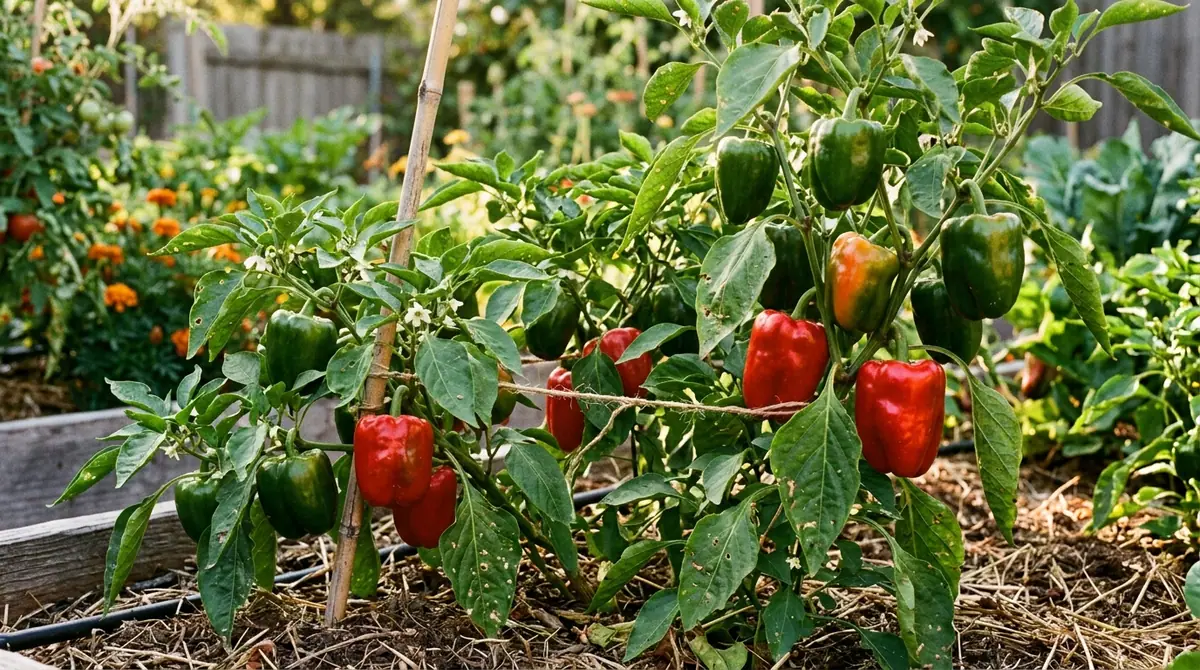
Bell peppers are technically perennial in warmer climates, though overwintering them in colder areas like Zone 6 often results in lackluster vigor the following season unless managed carefully. Understanding the true nature of the plants cultivated is essential when exploring the question: Are Bell Peppers Perennial?

1. Botanical Overview & Natural Habitat
At their core, bell peppers ( Capsicum annuum ) are tender perennials. This means that in their native, tropical and subtropical environments, they can live for many years, continually producing fruit. Think of the lush landscapes of Central and South America, where these plants thrive year-round, unbothered by frost. Their woody stems and perennial nature are well-suited to these warm, consistent climates.
However, here in many of our temperate gardens, the story is different. The primary factor limiting their perennial life cycle is frost. When temperatures dip below freezing (32°F or 0°C), the delicate tissues of the bell pepper plant are severely damaged, and the plant typically dies. This is why in most of North America and Europe, bell peppers are cultivated as annuals. We sow seeds or transplant seedlings in the spring after the last frost, nurture them through the warm summer months, enjoy a bountiful harvest, and then the plants succumb to the autumn chill.
From a botanical standpoint, Capsicum annuum is a member of the Solanaceae family, which also includes tomatoes, potatoes, and eggplant. This family connection hints at their shared needs for warmth, sunlight, and nutrient-rich soil. Their flowers, typically white or pale purple, are self-pollinating, which is a great advantage for home gardeners. After successful pollination, the ovary develops into the familiar bell pepper fruit. The genetic makeup of the bell pepper variety itself also plays a role; while all are technically tender perennials, some cultivars might exhibit slightly more robust growth or resilience than others, though none are truly frost-hardy in the way a true perennial like asparagus or rhubarb is. Understanding this fundamental difference between their natural habitat and our common growing conditions is the first step to successful cultivation, whether you treat them as annuals or attempt to overwinter them.
2. Essential Environmental & Care Requirements
To truly thrive, whether you're aiming for a single season of abundant fruit or hoping to extend their life, bell peppers have specific environmental needs. Providing these optimal conditions is key to maximizing plant vitality, influencing everything from root development to fruit set.
| Parameter | Optimal Condition | Common Mistake | Why It Matters |
|---|---|---|---|
| Temperature | Daytime: 70-85°F (21-29°C) Nighttime: 60-70°F (15-21°C) | Exposing seedlings to temps below 50°F (10°C) | Peppers are heat-lovers. Cold snaps stunt growth, damage flowers, and reduce fruit production. Extreme heat can also cause blossom drop. |
| Sunlight | Full Sun (6-8+ hours direct sunlight daily) | Planting in heavy shade or behind taller plants | Adequate sunlight is crucial for photosynthesis, which fuels fruit production and overall plant health. |
| Soil pH | 6.0 – 6.8 (Slightly acidic to neutral) | Soil too acidic or too alkaline | This pH range ensures optimal nutrient availability from the soil. Outside this range, essential micronutrients can become locked up. |
| Soil Type | Well-draining, rich in organic matter | Heavy clay or sandy, nutrient-poor soil | Good drainage prevents root rot, while rich organic matter provides sustained nutrients and improves soil structure for healthy root growth. |
| Moisture | Consistent, deep watering; avoid waterlogging | Frequent shallow watering or waterlogged soil | Deep watering encourages strong root systems. Inconsistent moisture or waterlogged conditions stress the plant, leading to disease and poor fruiting. |
| Humidity | Moderate (40-60%) | Very low or very high humidity | While not as critical as temperature, extreme humidity can sometimes impact pollination and increase disease risk. |
Sunlight Specifics
Bell peppers are sun worshippers. They require at least 6 to 8 hours of direct sunlight per day to produce a substantial harvest. In regions with intensely hot summers, providing some partial afternoon shade can be beneficial, preventing scorching and reducing stress during the peak heat of the day. However, prioritize morning sun exposure.
Moisture Management: The Art of Deep Watering
As the existing article notes, deep, infrequent irrigation is crucial for promoting resilient root architecture. This means watering thoroughly until the soil is moist several inches down, rather than light, frequent sprinktons. Allow the top 1 to 2 inches (2.5 to 5 cm) of soil to dry out slightly between waterings. This encourages the roots to grow deeper in search of moisture, making the plant more drought-tolerant.
💡 Pro-Tip: Use a moisture meter or your finger to check soil moisture at root depth before watering. In containers, ensure there are drainage holes and avoid letting pots sit in saucers of water, as this is a quick route to root rot.
Soil Biology and Nutrition
The foundation of any healthy plant lies in its soil. For bell peppers, this means a well-amended soil that is rich in organic matter. A good starting point is to mix in generous amounts of compost and aged manure. The goal is a soil that is loose, well-draining, and teeming with beneficial microbial life. The recommended soil pH of 6.0 to 6.8 is ideal for nutrient uptake. If your soil is too acidic or alkaline, you can amend it gradually with lime (to raise pH) or sulfur (to lower pH), but it's best to test your soil annually to understand its needs.
3. Step-by-Step Cultivation, Feeding & Propagation
Whether you're growing from seed or starting with transplants, the cultivation journey for bell peppers involves consistent care and timely feeding. Understanding the plant's life cycle will help you provide the right support at each stage.
Seed Starting (If you're going from scratch!)
- Timing: Start seeds indoors about 6-8 weeks before your average last frost date. For example, if your last frost is around May 15th, start seeds in early March.
- Medium: Use a sterile seed-starting mix in trays or small pots.
- Sowing: Plant seeds about 1/4 inch (0.6 cm) deep. Keep the soil consistently moist and warm, ideally between 70-80°F (21-27°C). A heat mat can be very helpful here.
- Light: Once seedlings emerge, provide them with 14-16 hours of bright light daily. A grow light placed just a few inches above the seedlings is ideal to prevent legginess.
- Hardening Off: About 7-10 days before transplanting outdoors, gradually acclimate your seedlings to outdoor conditions by exposing them to increasing amounts of sunlight and cooler temperatures (but not freezing).
Transplanting and Establishment
- Site Selection: Choose a location that receives full sun and has well-draining soil, as detailed in section 2.
- Soil Preparation: Amend the planting area with plenty of compost and organic matter. Work it into the top 6-8 inches (15-20 cm) of soil. If using raised beds or containers, ensure they are filled with a high-quality potting mix designed for vegetables.
- Planting: Space plants 18-24 inches (45-60 cm) apart. Dig a hole large enough to accommodate the root ball. You can plant bell peppers slightly deeper than they were in their nursery pot; this can encourage stronger root development. Water thoroughly after planting.
Feeding Your Peppers Through the Season
Nutrient cycling is vital for continuous fruit production. Peppers are considered moderately heavy feeders.
- Initial Feeding (Root Establishment): About 2-3 weeks after transplanting, when plants are showing new growth, apply a balanced organic fertilizer. A granular fertilizer with a ratio like 5-10-10 or 10-10-10 is suitable. You can also use a liquid fertilizer such as a fish emulsion or a compost tea. This phase is about establishing a strong root system.
- Bud and Flower Formation (Phosphorus Boost): As your plants begin to form flower buds, a fertilizer slightly higher in phosphorus can be beneficial. Look for organic options like bone meal or a fertilizer with a higher middle number (e.g., 5-15-10). This supports flower development and subsequent fruit set.
- Fruiting and Maturation (Potassium Rich): Once fruits are developing, a fertilizer higher in potassium can promote stronger cell walls, improve drought tolerance, and enhance overall plant health. Organic sources like kelp meal or a fertilizer with a higher third number (e.g., 5-10-15) are excellent choices. Apply these nutrients every 3-4 weeks throughout the growing season.
⚠️ Important Caution: Avoid over-fertilizing with nitrogen, especially after flowering begins. Too much nitrogen can lead to lush leafy growth at the expense of fruit production. Always follow the application rates on your fertilizer packaging.
Propagation: Saving Seeds for Next Year
If you are growing heirloom or open-pollinated varieties, you can save seeds for future planting.
- Select Healthy Fruit: Choose your best, fully ripe peppers. For bell peppers, this typically means they have turned red, yellow, or orange, indicating they are mature.
- Isolate Varieties: To prevent cross-pollination (especially if you're growing other pepper varieties nearby), it’s best to save seeds from only one variety or ensure they are sufficiently isolated. Bell peppers are Capsicum annuum, and other C. Annuum varieties (like jalapeños or cayenne) can cross-pollinate.
- Extract and Dry Seeds: Cut the pepper open and carefully scrape out the seeds. It’s crucial to let the seeds dry completely. You can lay them on a paper towel in a warm, dry, well-ventilated area for several days until they are brittle.
- Store Seeds: Once completely dry, store seeds in an airtight container (like a small glass jar or a paper envelope inside a sealed bag) in a cool, dark, dry place. Properly stored seeds can remain viable for several years.
4. Common Problems, Pests & Troubleshooting
Even with the best care, bell peppers can sometimes face challenges. Understanding common issues will help you address them quickly and effectively.
Blossom End Rot
This is a common problem where the blossom end of the pepper turns dark, leathery, and sunken.
- Cause: Primarily caused by inconsistent watering and calcium deficiency. The plant cannot transport calcium to the developing fruit properly under stress.
- Solution: Ensure consistent watering. Mulch your plants to help retain soil moisture. You can also apply a foliar spray of calcium chloride or a soil amendment with calcium if the problem is severe. Check your soil pH, as it can affect calcium availability.
Aphids and Spider Mites
These tiny pests can plague pepper plants, especially during hot, dry weather.
- Symptoms: Stunted growth, yellowing leaves, sticky residue (honeydew), visible tiny insects. Spider mites create fine webbing.
- Solution: For minor infestations, a strong blast of water from a hose can dislodge them. Introduce beneficial insects like ladybugs. For more severe cases, use insecticidal soap or neem oil, following product instructions carefully.
Fungal Diseases (e.g., Early Blight, Leaf Spot)
These can manifest as spots on leaves, yellowing, and reduced plant vigor.
- Cause: Often exacerbated by overhead watering, poor air circulation, and humid conditions.
- Solution: Practice good garden hygiene by removing infected leaves and debris. Water at the base of the plant, preferably in the morning. Ensure adequate spacing for air circulation. Avoid planting peppers in the same spot year after year.
Yellowing Leaves
This can be a sign of several issues:
- Nitrogen Deficiency: Lower leaves turn yellow, starting from the bottom. Solution: Apply a balanced organic fertilizer or side-dress with compost.
- Overwatering: Leaves may appear yellow and wilting, even when the soil is wet. Solution: Allow the soil to dry out. Check drainage.
- Underwatering: Leaves may be yellow and crisp. Solution: Water deeply and consistently.
- Transplant Shock: Newly transplanted peppers might show temporary yellowing. Solution: Ensure consistent moisture and avoid further stress.
Companion Planting for Prevention

5. Frequently Asked Questions
Can I really keep my bell pepper plants alive through winter?
While bell peppers are tender perennials in their native tropical climates, in most temperate zones, they cannot survive freezing temperatures. Attempting to overwinter them typically involves bringing the entire plant indoors before the first frost. This requires a bright, cool location (like a greenhouse, sunroom, or bright window with temperatures around 50-60°F (10-15°C)). They will likely go dormant or grow slowly. Overwatering is a major risk during this period. While they might survive and even produce a few peppers, they often don't regain the vigor of a plant grown from seed each year, and they can be more susceptible to pests indoors. For most gardeners in zones below 8, treating them as annuals is far more productive.
Why are my bell pepper flowers falling off before they turn into peppers?
This is a common frustration, often referred to as "blossom drop." The most frequent culprits are temperature stress (too hot or too cold), inconsistent watering, or nutrient imbalances (particularly too much nitrogen). Bell peppers prefer daytime temperatures between 70-85°F (21-29°C) and nighttime temperatures between 60-70°F (15-21°C). If temperatures consistently exceed 90°F (32°C) or drop below 55°F (13°C), the plants can shed their flowers. Ensuring consistent moisture and a balanced nutrient profile, with adequate phosphorus and potassium for flowering and fruiting, is key to preventing this.
What's the difference between a bell pepper and a hot pepper in terms of perennial nature?
Both bell peppers and hot peppers belong to the Capsicum annuum species (though other Capsicum species exist for hotter varieties). Their fundamental growth habit as tender perennials is the same. The difference lies in their fruit characteristics, dictated by genetics and the presence of capsaicin (the compound that makes peppers hot). This means that if you are in a climate where any Capsicum annuum can overwinter outdoors (generally USDA Hardiness Zone 8 or warmer), both bell and hot peppers have the potential to survive and fruit again. However, the challenges of overwintering remain the same for both.
How long does it take for a bell pepper plant to start producing fruit after planting?
With optimal conditions – including proper temperature, sunlight, and nutrients – you can typically expect your bell pepper plants to start flowering about 6-8 weeks after transplanting them into the garden. Fruit development begins after successful pollination. Depending on the variety and conditions, it can take another 6-8 weeks from the time a flower is pollinated until the pepper is mature and ready for harvest. So, from transplanting, you're looking at approximately 12-16 weeks for your first ripe peppers.
I hope this deep dive has demystified the perennial question for bell peppers! Whether you choose to treat them as vibrant annuals or embark on the adventure of overwintering, understanding their fundamental needs is the secret to a successful and bountiful harvest. Happy gardening!
Further Reading:
Tags:
Keep reading
🌿 Related Plants You Might Like

PlantSavvyWorld
Editorial team
PlantSavvyWorld is an independent botanical education project. Articles are drafted with AI assistance, then edited and checked against university extension services, botanical garden collections and other published horticultural sources.