

When to Plant Strawberries in Zone 6
Written with AI assistance, edited and checked against horticultural sources.
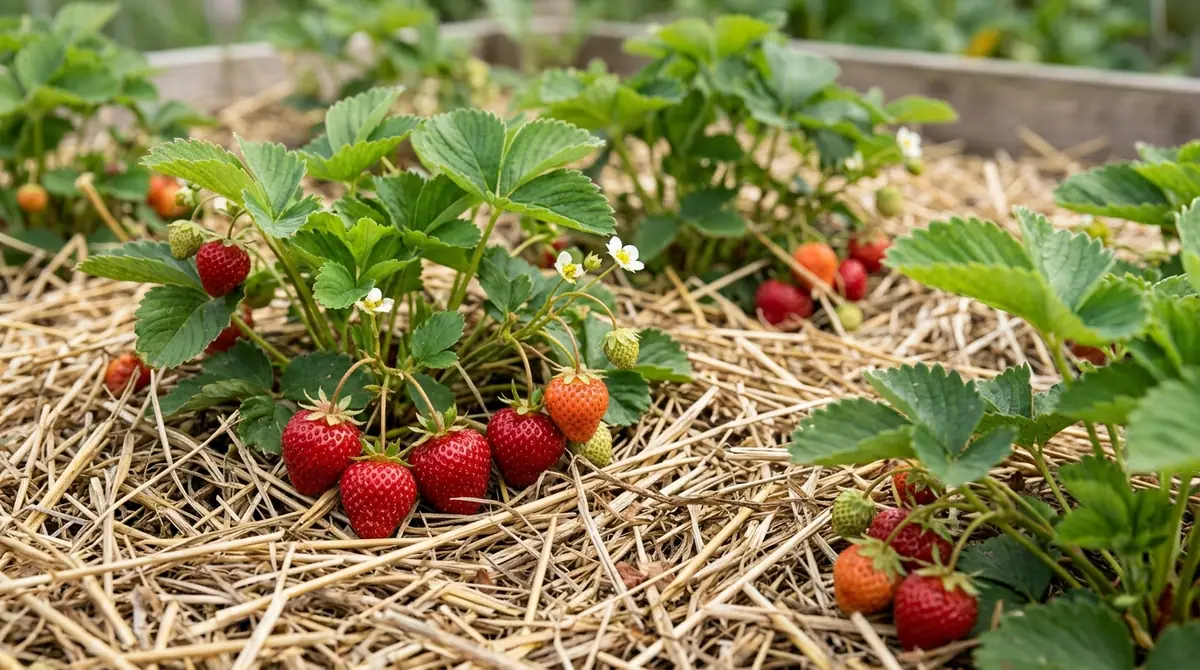
I was kneeling in my experimental plot in late March, testing soil temperature with a digital probe that read a stubbornly cold 42°F (5.5°C), when a gardener emailed me in a panic asking if her bare-root strawberries were going to rot because a late snow had blanketed her newly raised beds in Zone 6. I smiled, brushed the damp loam off my knees, and told her what I have learned through decades of landscape design and commercial crop consulting: strawberries are remarkably resilient woodland survivors, but timing your planting window in USDA Hardiness Zone 6 requires precision if you want a heavy harvest of sweet berries rather than a patch of leafy, fruitless runners. Whether you are transitioning your garden layout from our Lipstick Plant (Aeschynanthus Radicans) Complete Care & Bloom Guide or setting up a brand new edible landscape, understanding the exact rhythms of Zone 6 spring and fall is the ultimate secret to success.
1. Botanical Overview & Natural Habitat

In their natural woodland understory habitats, ancestral strawberries thrive in dappled sunlight, rich organic humus, and cool, moisture-retentive soils that drain freely. They survive harsh winters by entering a state of physiological dormancy, pulling their energy reserves down into their woody underground crowns—a specialized stem tissue that sits precisely at the soil line.
In USDA Zone 6, which spans regions with average annual extreme minimum temperatures between -10°F to 0°F (-23.3°C to -17.8°C), timing when to plant strawberries determines whether those crowns establish adequate root mass before facing severe weather stress. If you are comparing regional microclimates within this zone, you might also find our specialized guide on When to Plant Strawberries in Kansas: Zone 6a/6b Seasonal Calendar helpful for fine-tuning your local dates.
2. Essential Environmental & Care Requirements
To produce high yields of high-sugar fruit, strawberries demand specific environmental parameters. If you have ever experimented with indoor setups such as those outlined in How to Grow Strawberries Indoors: From Fruit Seeds to Sweet Berries, you know that light and nutrition are non-negotiable; outdoor plants in Zone 6 are no different.
- Sunlight: They require a minimum of 6 to 8 hours of direct, unobstructed sunlight daily. Shady locations reduce fruit sugar content and invite fungal pathogens due to lingering leaf moisture.
- Soil pH: Aim for an acidic to slightly acidic range of 5.5 to 6.5. Alkaline soils lock up iron, resulting in interveinal chlorosis (yellowing leaves).
- Moisture: Strawberries have shallow root systems—much like the root-depth considerations detailed in How Deep Do Pepper Plant Roots Go? Pot Size & Substrate Depth Guide—typically feeding within the top 6 to 12 inches (15 to 30 cm) of soil. They require roughly 1 inch (2.5 cm) of water per week, delivered consistently.
For a broader scientific understanding of small fruit physiology and regional adaptation, consult the Oregon State University Extension Service small fruit resource library, which offers exceptional technical guides on berry cultivation.
| Parameter | Optimal Condition | Common Mistake | Why It Matters |
|---|---|---|---|
| Soil Temperature | 50°F to 60°F (10°C to 15°C) | Planting into frozen or sub-45°F mud | Cold, soggy roots cannot take up nutrients, leading to crown rot. |
| Planting Depth | Crown level with soil surface | Burying the crown or leaving roots exposed | Deep crowns suffocate and rot; high crowns dry out and die. |
| Spacing | 12 to 18 inches (30 to 45 cm) apart | Overcrowding plants too densely | Restricted airflow encourages gray mold (Botrytis). |
| Mulching Material | Clean wheat straw or pine needles | Using heavy, matting grass clippings | Straw keeps berries clean and suppresses weeds without blocking air exchange. |
💡 Pro-Tip: When designing your Zone 6 strawberry beds, integrate companion plants like alliums (such as chives or garlic) nearby. Their pungent sulfur compounds naturally deter common garden pests like aphids and spider mites without disrupting the delicate pollinators your strawberries need.
3. Step-by-Step Cultivation, Feeding & Propagation
In Zone 6, the golden window for planting bare-root strawberries is early spring—typically late March through mid-April, as soon as the ground can be worked and danger of hard, sustained freezing has subsided. Alternatively, container-grown plants can be established in late summer (August to September) to give them a head start before winter dormancy.
Here is my field-tested, step-by-step protocol for establishing a thriving Zone 6 strawberry bed:
- Site Preparation: Clear all perennial weeds and incorporate 2 to 3 inches (5 to 7.5 cm) of aged compost and well-rotted manure into the top 8 inches (20 cm) of soil to boost organic matter and improve drainage.
- Root Hydration: Soak bare-root strawberry roots in a bucket of tepid water for 30 to 60 minutes immediately prior to planting to rehydrate desiccated tissue.
- Pruning Roots: Trim back long, straggly roots to roughly 4 to 6 inches (10 to 15 cm) using sterilized bypass pruners to stimulate fresh lateral root growth.
- Digging Planting Holes: Dig a hole wide enough to accommodate the roots fully spread out, ensuring they are not bunched or bent upward (the "J-root" mistake).
- Setting the Crown Height: Position the plant so the midpoint of the crown sits precisely flush with the soil surface. Pack the soil gently but firmly around the roots.
- Initial Watering: Drench the newly planted bed thoroughly with 1 inch (2.5 cm) of water to settle the soil particles around the root zone and eliminate air pockets.
- First-Year Blossom Removal: For June-bearing varieties, pinch off all flower blossoms during the first spring. This forces the plant to channel all its metabolic energy into root and runner expansion rather than fruit production, guaranteeing a massive harvest next year.
⚠️ Important Caution: Never bury the central growing crown beneath the soil line. If the crown is submerged, moisture collects around the tender growing point, causing rapid fungal decay and total plant death within weeks.
4. Common Problems, Pests & Troubleshooting
Even with immaculate timing, Zone 6 gardeners frequently encounter a few stubborn challenges. Slugs and snails love the moist, shaded microclimate under strawberry foliage, especially during our wet spring seasons. Hand-picking at dusk or establishing organic iron phosphate baits keeps them at bay.
Fungal leaf spot (Mycosphaerella fragariae) and gray mold (Botrytis cinerea) thrive when plants are spaced too closely or when overhead watering splashes soil pathogens onto developing fruit. Remedy this by applying a thick 2-inch (5 cm) layer of clean straw mulch underneath the plants to act as a physical barrier between wet soil and the berries.
For authoritative diagnostics on plant pathology, disease cycles, and integrated pest management strategies, refer to the Royal Horticultural Society advisory database, which provides brilliant, science-based plant health guidance.

5. Frequently Asked Questions
Can I plant strawberries in the fall in Zone 6?
Yes, fall planting (late August through September) is entirely viable in Zone 6 using potted starter plants rather than bare-root stock. This allows the root system to establish deep anchorage in warm autumn soil before winter dormancy sets in, resulting in a light harvest the following spring.
Should I choose June-bearing or everbearing strawberries for Zone 6?
It depends on your harvest goals. June-bearing varieties produce one massive, intensely sweet crop over a concentrated 3-week window in early summer, making them ideal for jam-making and freezing. Everbearing (or day-neutral) types produce a moderate crop in late spring, a lull during the heat of July, and a steady second flush from late summer until the first hard autumn frost.
How do I protect my strawberry plants from late spring frosts in Zone 6?
Zone 6 frequently experiences unpredictable late freezes in April and May after unseasonably warm spells have coaxed out early blooms. Keep floating row covers (spunbond polyester, 0.5 oz to 1.0 oz weight) on hand to drape over your beds whenever temperatures are forecasted to drop below 32°F (0°C) during the active budding phase.
How often do I need to replant a strawberry patch?
Strawberry plants experience peak productivity during their second and third years. By year four, yields naturally decline, disease pressure mounts, and beds become crowded with woody runners. Plan to renovate your bed or establish a fresh planting in a new location every 3 to 4 years to maintain maximum fruit size and plant vigor.
Related Guides
- When to Plant Strawberries Zone 6
- When to Plant Strawberries in Zone 6b
- When to Start Strawberries Indoors
- When to Plant Strawberries in Washington State
- When to Plant Strawberries in Tn
📋 Table of Contents ▼ Click to expand
Tags:
Keep reading
🌿 Related Plants You Might Like





PlantSavvyWorld
Editorial team
PlantSavvyWorld is an independent botanical education project. Articles are drafted with AI assistance, then edited and checked against university extension services, botanical garden collections and other published horticultural sources.